
Kokeshi Dolls of Tohoku: Origins, Craft, and the Artisans Behind a Japanese Icon
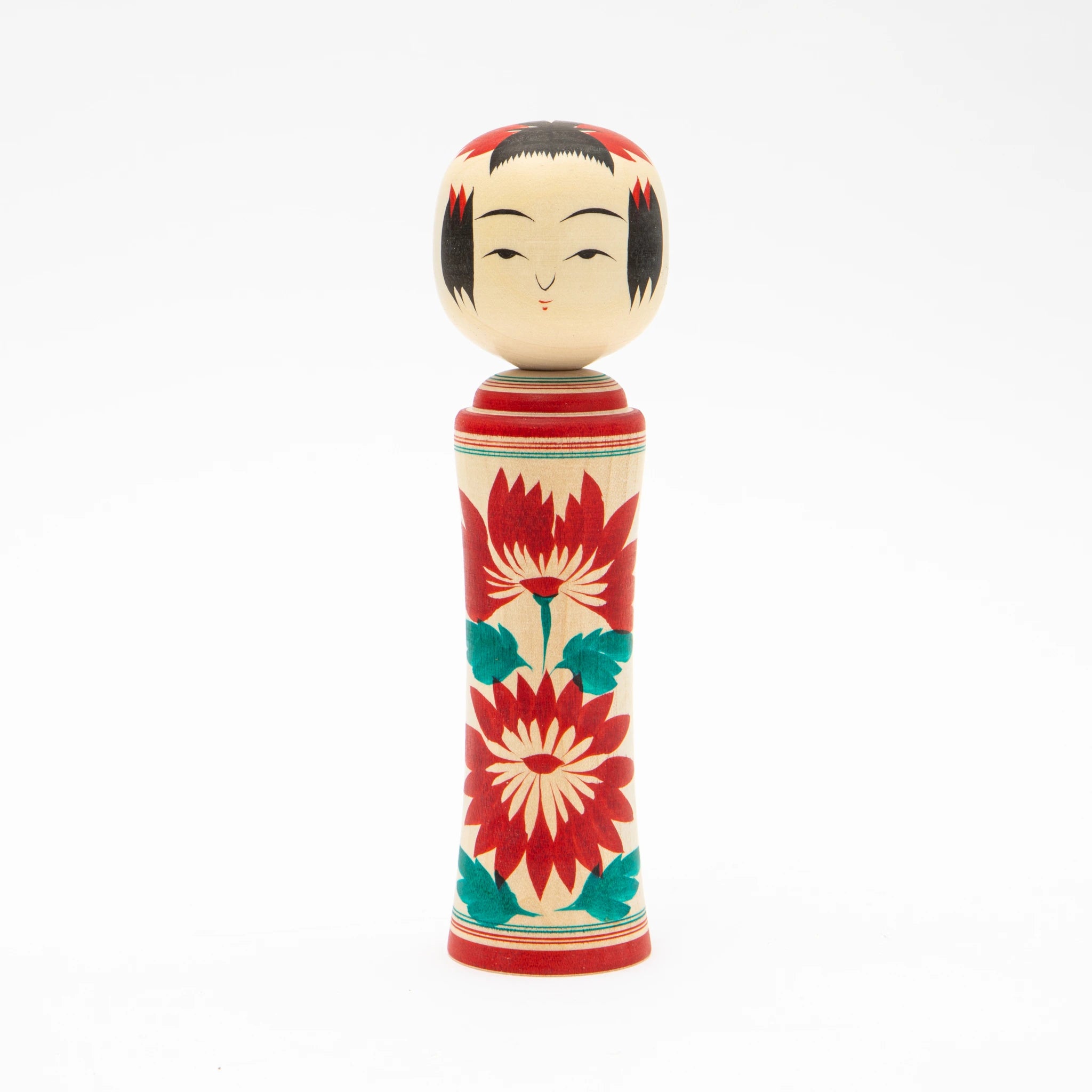
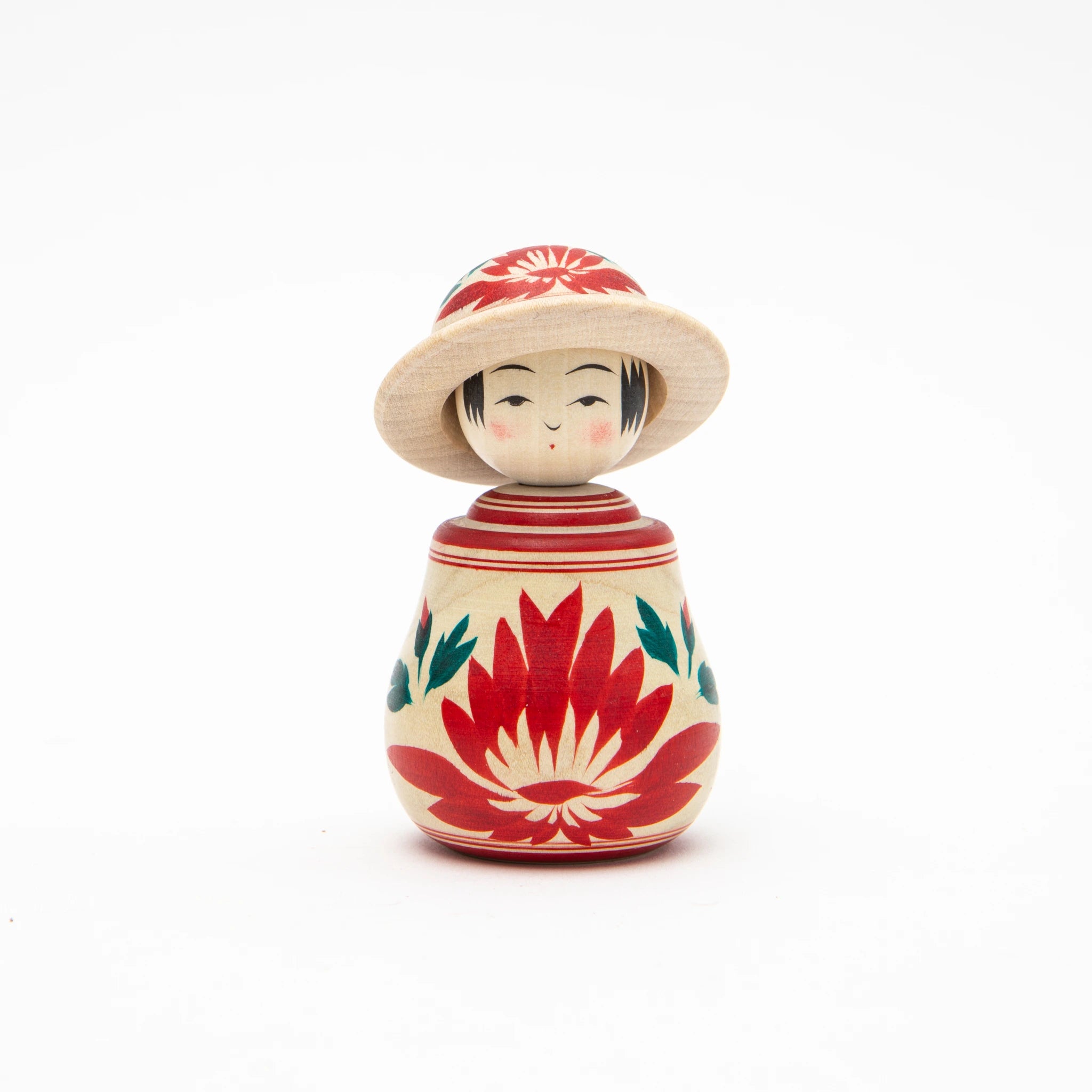
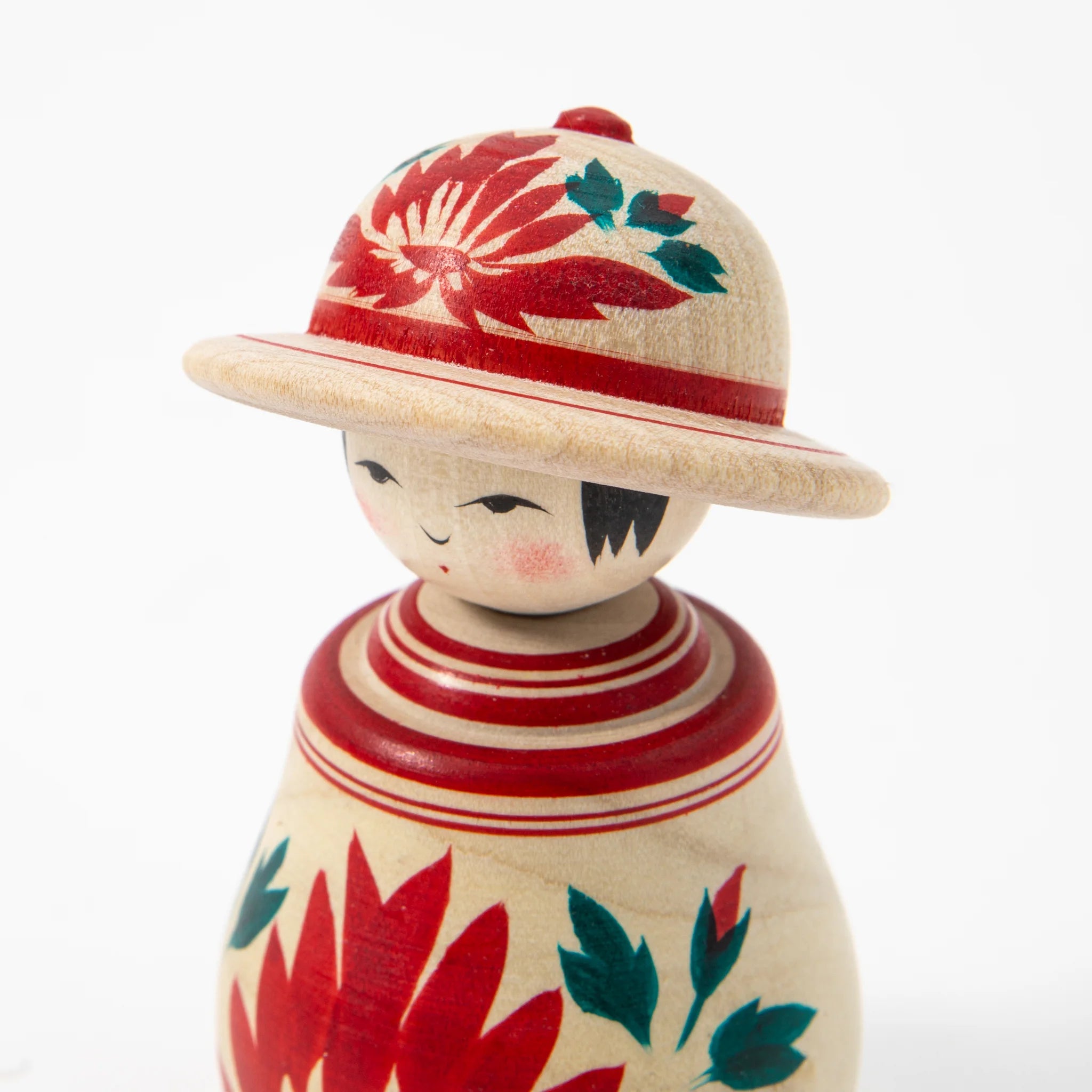
The Kokeshi doll has become an enduring icon of Japanese culture, recognized worldwide for its distinctive silhouette. Even those unfamiliar with its name can instantly identify the form: a slender, bar-shaped torso topped with a spherical head. A heritage of the Tohoku region, these wooden toys are crafted by turning timber on a lathe, where artisans transform raw blocks of wood into smooth, precisely curved forms. Each piece is a unique work, shaped and hand-painted with vibrant patterns that carry the individual character and lineage of the artisan who made it.

For generations, these dolls were known by various regional names, such as Kideko or Kibouko. It was not until 1940 that the many regional names were unified under a single term. "Ko" means wood or small, and "Keshi" is a contraction of Keshi-ningyo, a small traditional doll historically made in the Sendai area. Together, the name carries the meaning of a small wooden doll. The Kokeshi remains a globally recognized symbol of Japan; one cannot help but wonder: where did the creation of this craft truly begin?
Origins of the Kokeshi Doll
Their creation began approximately 180 years ago, amidst the mist and steam of Tohoku's mountain hot spring villages. As the story goes, during the agricultural winter lull, farmers would retreat to these hot springs to heal their bodies that grew weary from the toil of the harvest. In this quiet interval of recovery, the Kokeshi emerged as a cherished souvenir that they would bring back home for their children. These dolls served as more than just toys; they were also symbols of prayer for a bountiful harvest and for the healthy growth of their children.

As the tradition spread, 12 lineages emerged across the region today. These techniques, from subtle shapes to facial expressions and body designs, were passed down through master-apprentice lines.
Naruko Onsen: The Birthplace of Traditional Kokeshi
Nestled in the heart of Miyagi Prefecture, Naruko Onsen Village is revered as one of the ancestral birthplaces of the Kokeshi doll. This celebrated hot spring town is home to the Naruko-style Kokeshi, a lineage defined by its sturdy, slender-waisted frame and vibrant hand-painted chrysanthemums in red and green.

Beyond its visual form, the doll carries a hidden sensory detail: a distinct, melodic squeak that occurs when the head is turned. This signature sound is a direct result of the hamekomi (inlaid) method, a technique unique to Naruko artisans. In this process, the head and body are crafted separately. To join them, the head is driven into a narrow opening in the doll's torso using the high-speed rotation of a lathe. This method harnesses frictional heat to temporarily soften the wood’s surface, creating a precision fit that keeps the pieces jointed. This meticulous fitting allows the head to rotate, producing the rhythmic squeak that serves as the enduring heartbeat of the village.
A Craft Unchanged for 180 Years
The village also hosts the Japan Kokeshi Museum, a sanctuary for the craft, as Naruko Onsen holds the longest history of Kokeshi production in Japan. Right in front of the museum is an enormous handcrafted Kokeshi, which is perfect for a commemorative photo. The museum houses a vast collection donated by celebrated children's writer, printmaker, and Kokeshi researcher Kaname Fukazawa, and Kokeshi dolls dedicated by master artisans from across Japan.
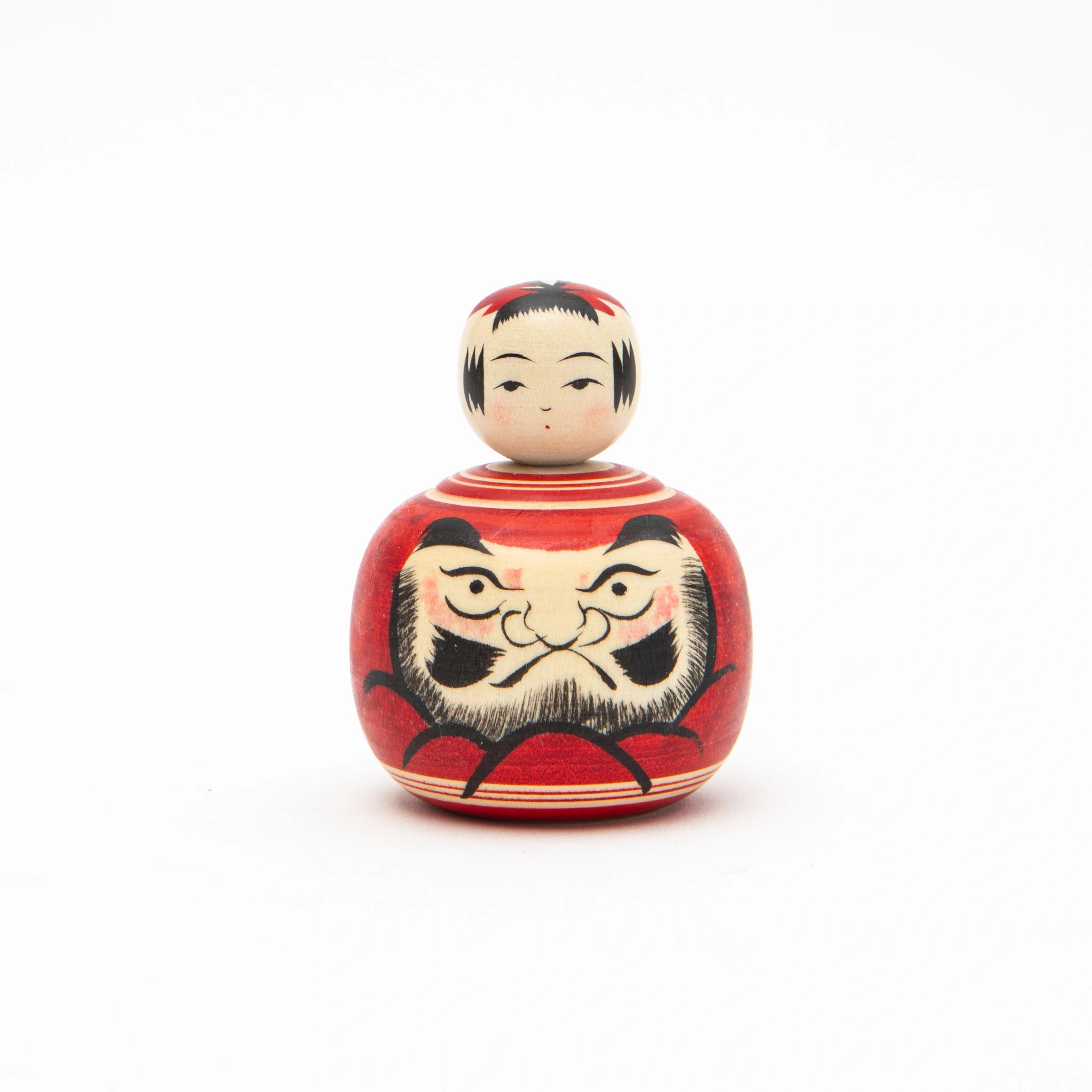
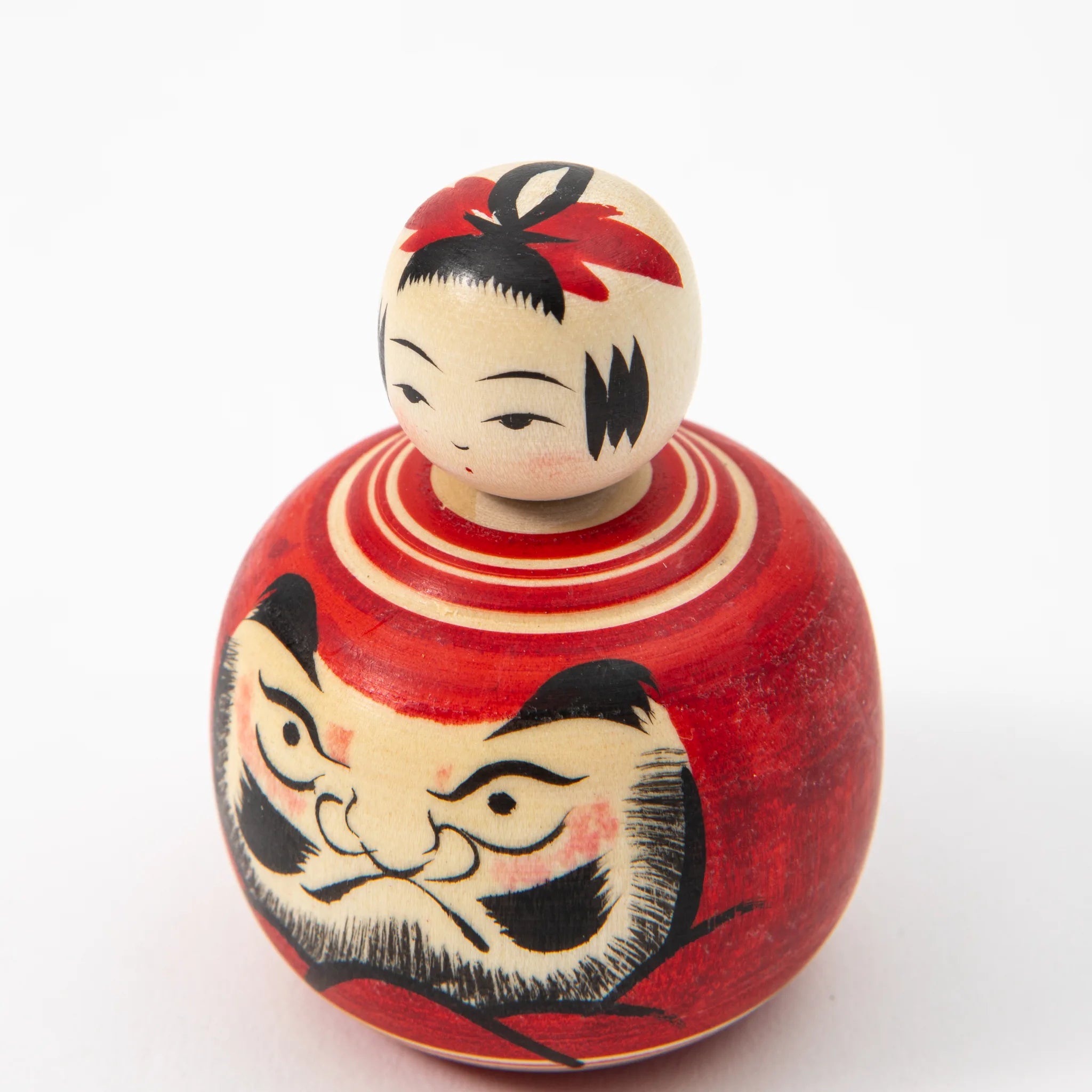
 Kakizawa Daruma Ejiko Kokeshi Doll | Kakizawa Kokeshi Studio
While modern twists of the Kokeshi doll continue to evolve, traditional Kokeshi dolls remain widely available, preserved in their original, timeless form. It is a remarkable experience to hold an object today that remains essentially unchanged from the one a weary farmer might have purchased over a century ago for their children back home.
The Kokeshi has become a continuous thread connecting the modern admirer to the quiet, steam-filled valleys of Tohoku’s ancient onsen villages. From their humble beginnings as companions carried around by children in remote villages to their current status as globally recognised art pieces, these dolls remain a testament to Japan’s rich cultural heritage.