Nabeshima Kosen Kiln: Inside the Valley of Japan’s Secret Kilns
Within the valleys of Okawachiyama, a landscape of striking crags and lush hills reminiscent of a traditional landscape painting, sits a traditional workshop overlooking the quiet greenery. This area, historically guarded as the "Village of Secret Kilns," was once home to the official kilns of the Nabeshima Clan, where the highest grade of porcelain was produced under conditions of near-absolute restriction.

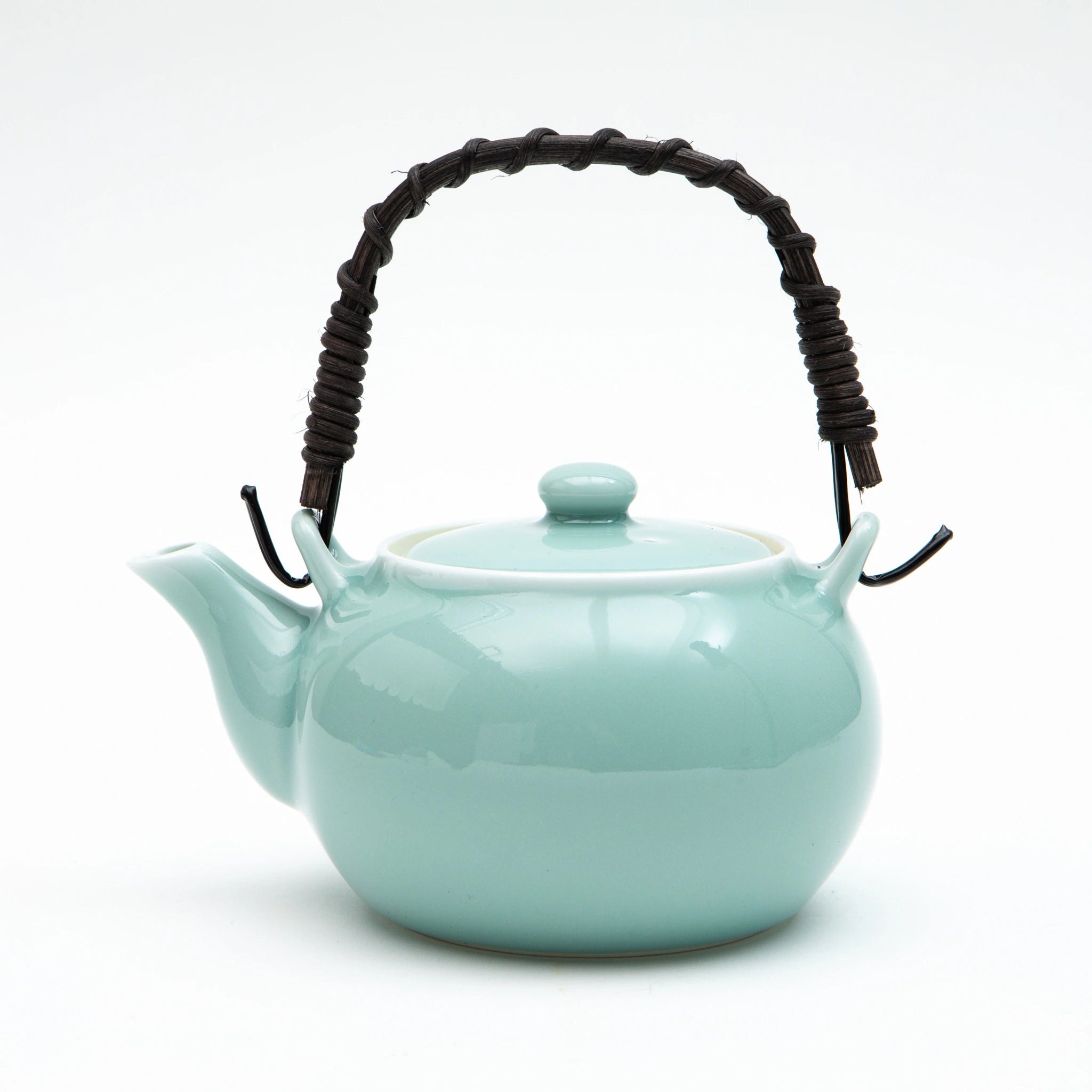
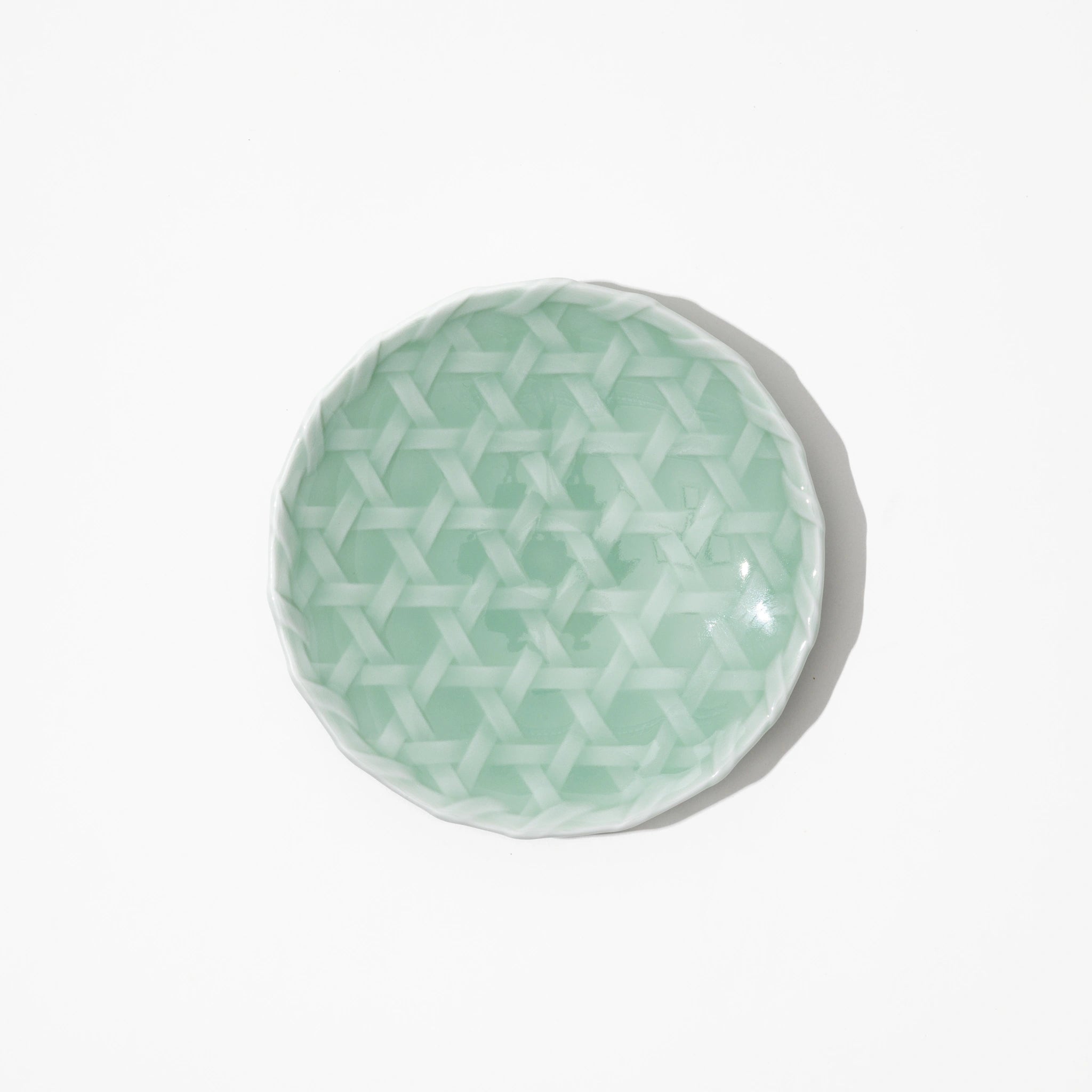
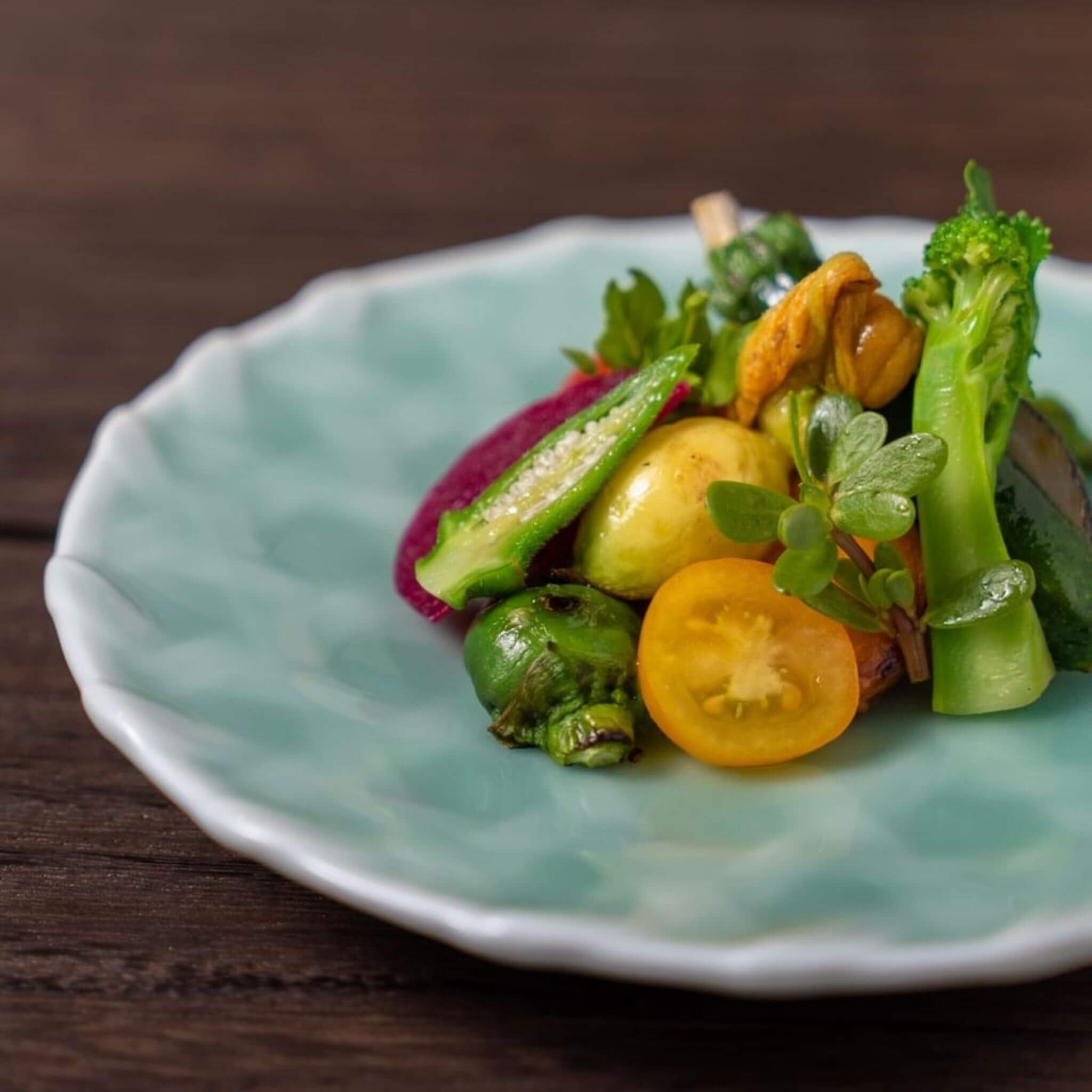
As the protectors of Nabeshima-ware celadon porcelain, the artisans of Nabeshima Kosen Kiln specialise in a jade-like green that has defined their lineage for over 350 years. This specific hue is more than a stylistic choice; it is a direct link to the kiln's origins as a producer of porcelain for the Japanese Shogunate and the feudal lords. Today, the Kawasoe family continues to refine this ancestral craft, ensuring that the depth and clarity of traditional celadon remains a living practice at the center of the Village of Secret Kilns.

Tribute to the Shogun
During the Edo period, Nabeshima-ware was produced exclusively as tribute for the Tokugawa Shogunate and feudal lords. The Saga Nabeshima clan relocated thirty-one master artisans from Arita to the secluded valley of Okawachiyama. The techniques were so closely guarded that checkpoints and barriers were established throughout the valley to prevent any knowledge of the craft from leaving.
Every piece was crafted under strict oversight as a precious diplomatic tribute. This history of exclusivity and artistic rigor is why Nabeshima-ware remains one of the most highly regarded styles of Japanese porcelain today.

A Gamble with the Fire
“Touching celadon will bankrupt your kiln.”
The difficulty of creating Nabeshima celadon is perhaps best captured by this old warning whispered among Japanese artisans. According to Takahiko Kawasoe, third-generation president of Nabeshima Kosen Kiln, it is not an exaggeration. To achieve the deep, translucent glow that defines this style of pottery, the porcelain must endure a punishing 1300°C fire. At this extreme temperature, it is common for over half of a kiln’s contents to emerge warped, cracked, or dull. For a kiln operating at that scale, a single firing could mean ruin.

Even today, sustaining that standard of output firing after firing remains one of the defining challenges of Nabeshima Kosen Kiln, and one that the Kawasoe family considers inseparable from their identity. Each successful firing is treated not as an output, but as a victory over the same volatile fire that tested their ancestors.

The Translucent Depth of Nabeshima Celadon
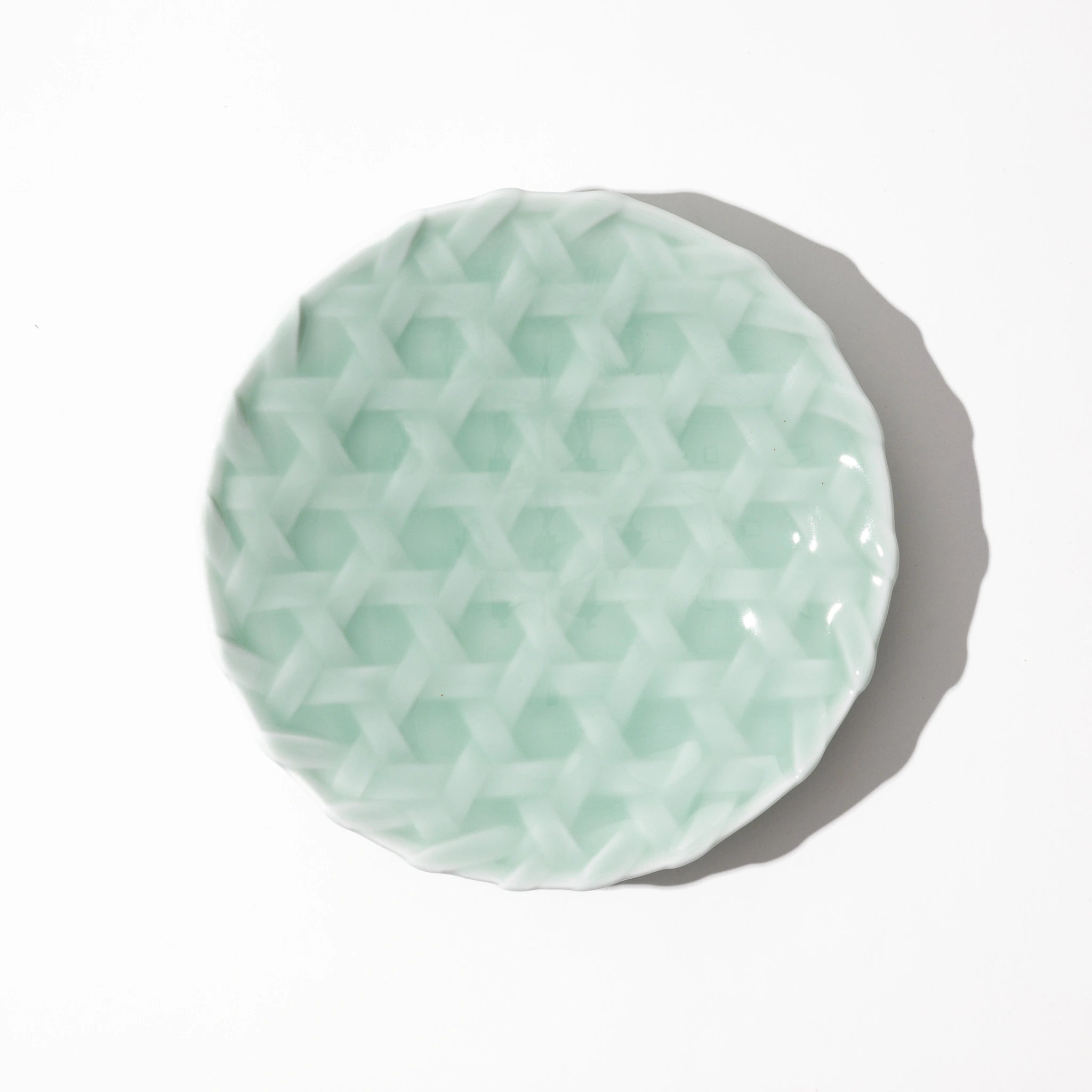
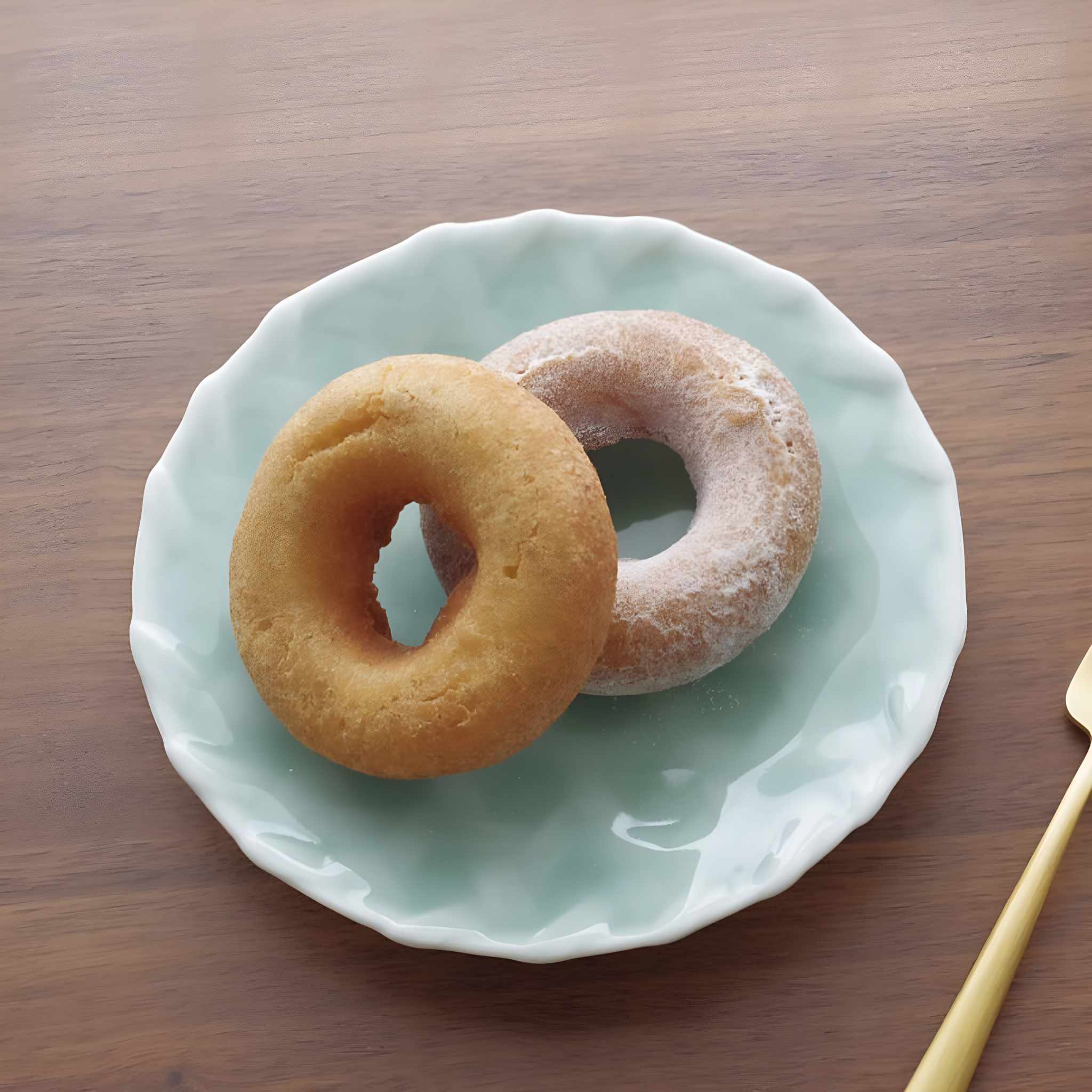
To behold Nabeshima celadon porcelain is to encounter a paradox: a solid object that carries the fluid stillness of water held in suspension. In Japan, this craft is pursued as a search for a specific, elusive green that captures the soul of jade. Unlike the stark brilliance of white porcelain, Nabeshima Celadon is defined by its translucent depth, a visual softness achieved through a glaze that reads as much as a gemstone as it does fired clay.
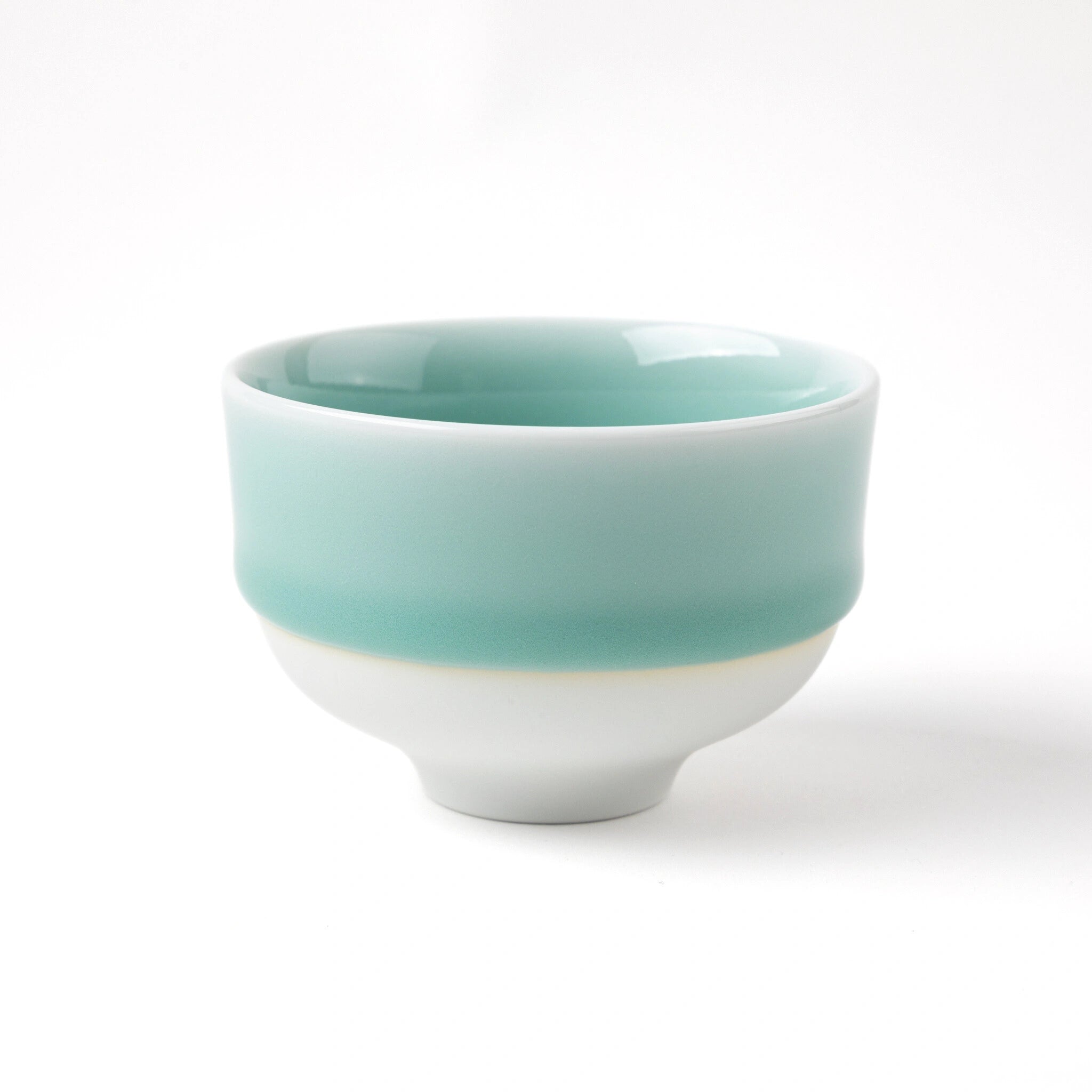
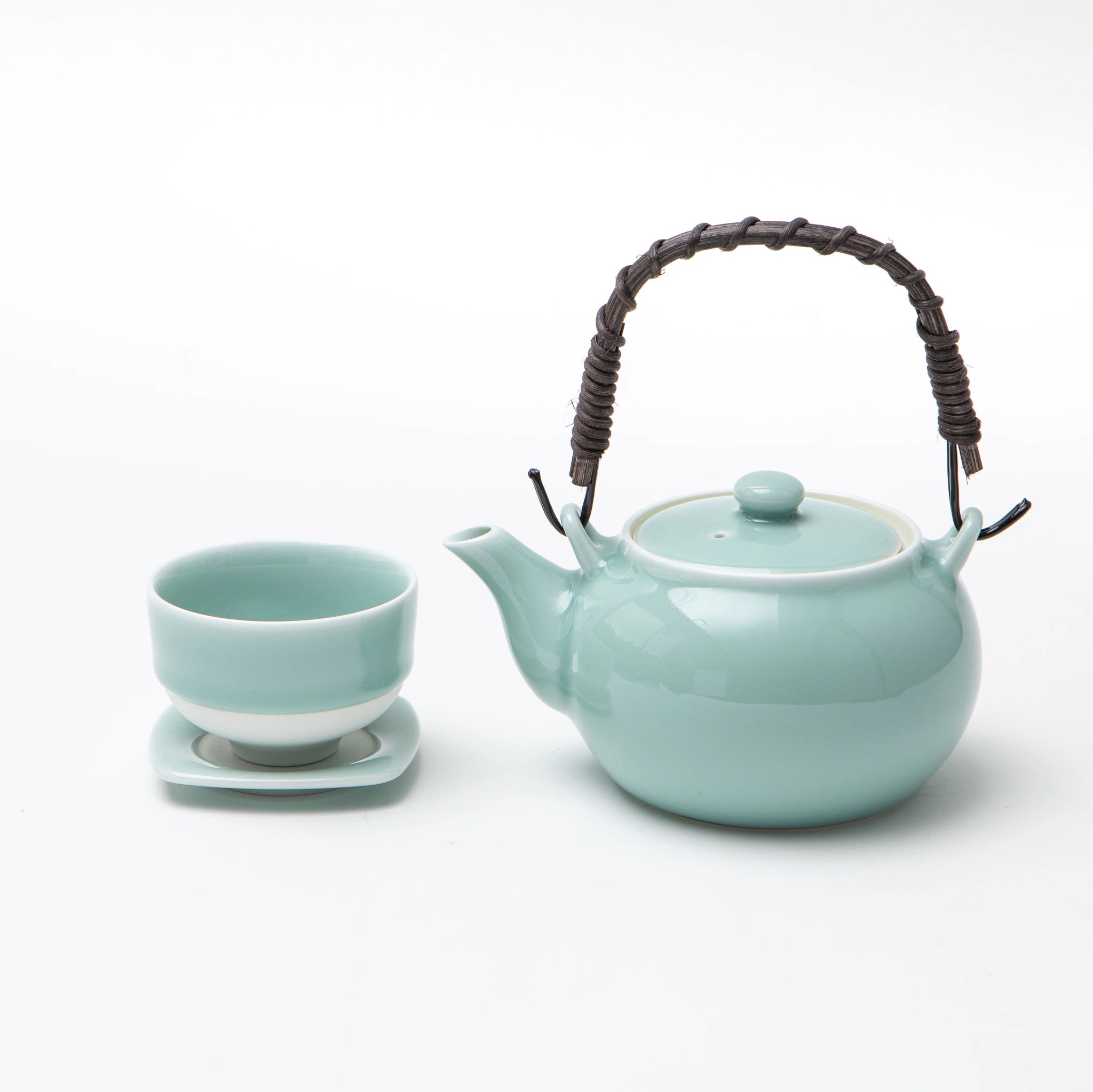
 Nabeshima Celadon Porcelain Sencha Teacup | Nabeshima Kosen Kiln
This beautiful shade is born from a delicate chemical transformation within the kiln. The iron oxide in the glaze, traditionally sourced from natural raw stones found in the Okawachiyama valley, undergoes a metamorphosis during firing. As the kiln reaches a minimum temperature of 1,260°C within a reducing atmosphere, the iron transforms from ferric to ferrous iron. Instead of the well-known rust-red tones, what emerges is a cool, crystalline green.
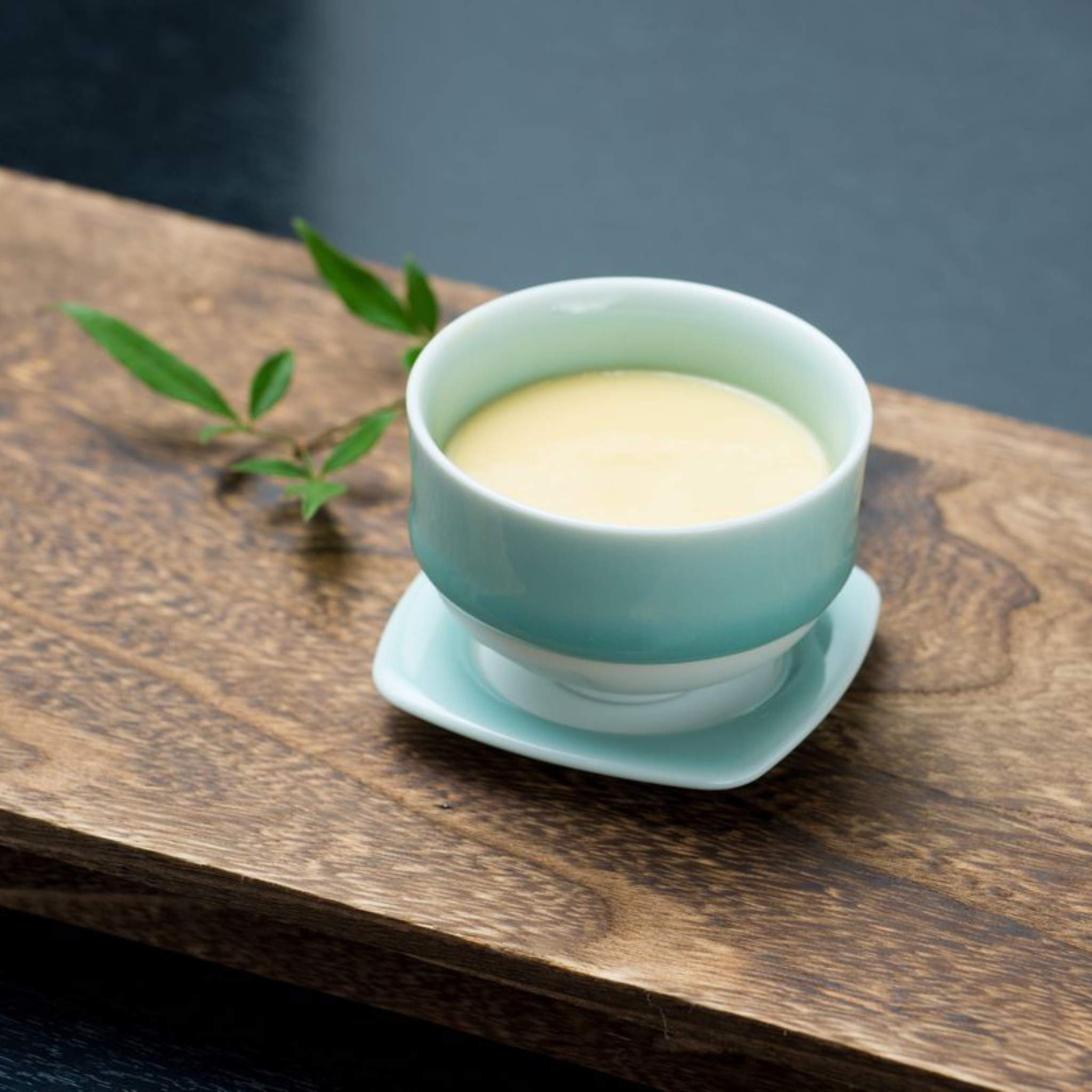
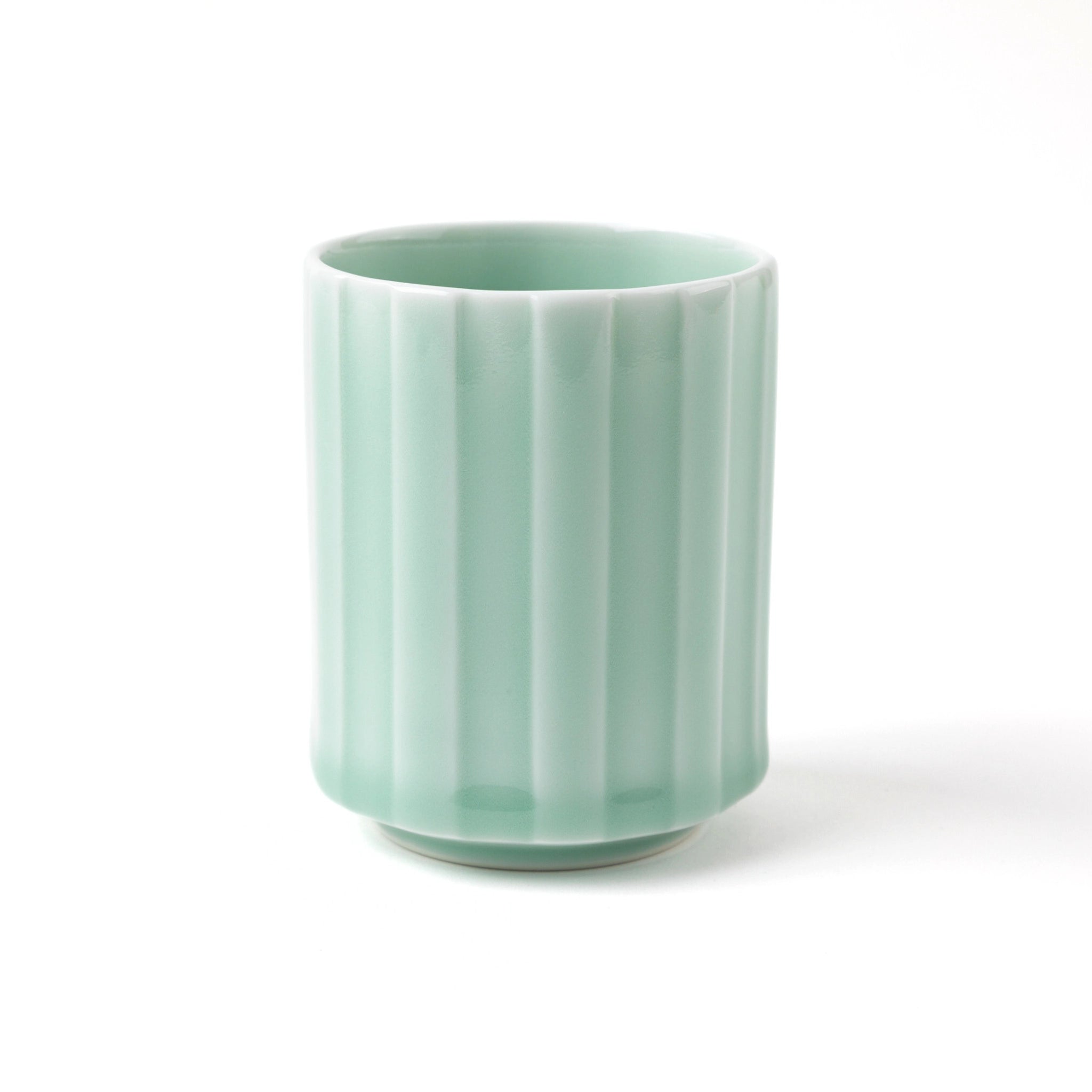
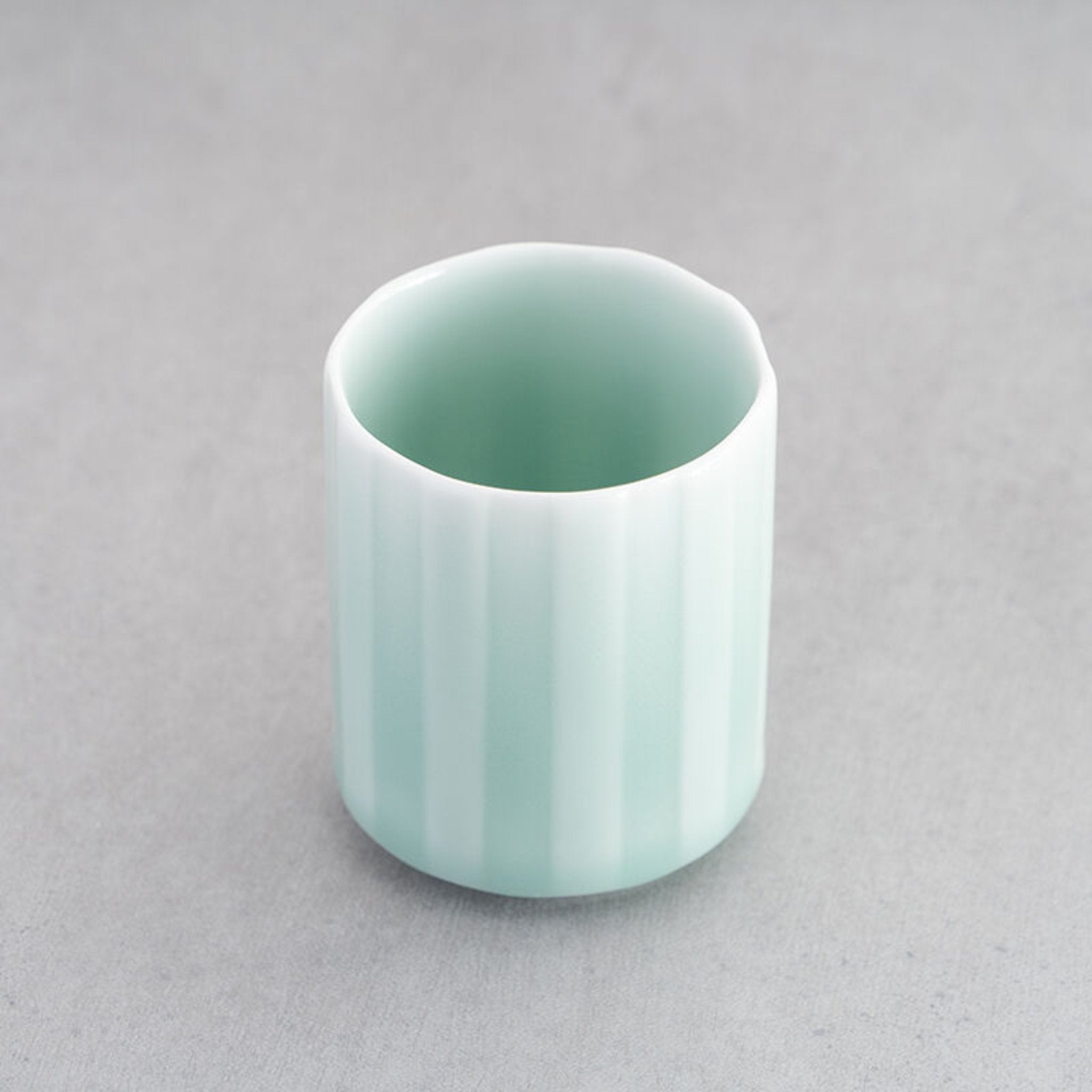
 Nabeshima Celadon Porcelain Tumbler | Nabeshima Kosen Kiln
Continuing Legacy of the Secret Kilns
The allure of Nabeshima celadon porcelain lies not only in its color but in the persistence of the artisans who have refused, across generations, to let the fire determine what survives. While the barriers and checkpoints of Okawachiyama are long gone, the craft remains protected by the same discipline and careful consideration that the tribute once demanded. At Nabeshima Kosen Kiln, the Kawasoe family does more than replicate a historical aesthetic; they preserve a specific philosophy of making, one where the risk of failure is not a flaw in the process but the very condition that gives each piece its weight.