Article: Hosting an Incense Evening by the Rules of 1501
Hosting an Incense Evening by the Rules of 1501
In 1501, ten participants met at a house in Kyoto to compare pieces of aromatic wood. Each brought two, most of them famous enough to have names, and the pieces were matched in pairs over ten rounds. The record of the day notes that the woods competed with their names withheld. Guests said which one they preferred before learning whose it was or what it was called. Only then were the names revealed and the round decided.
The first vote, at least, was blind.

The host, Shino Sōshin, served the shogun Ashikaga Yoshimasa and is remembered as the founder of the Shino school of kōdō, the Japanese art of incense, which still teaches today. His contest drew on a much older game. Japanese courtiers had been pitting one incense against another since at least 1008. That year Murasaki Shikibu, the court lady who wrote The Tale of Genji, Japan's best-known classic novel, mentioned such a contest in her diary. Those early contests, called takimono-awase, used incense blends the contestants had made themselves rather than pieces of wood. Both belong to kōawase, the broad Japanese term for incense contests. Their rules carry over well to a living room with a box of stick incense and two trays.

Genji-kō patterns: the 52 possible answers in an incense-matching game, each named after a chapter of The Tale of Genji.
The Contest Behind the Evening
The Heian court liked to compete in pairs, left side against right. It matched poems, seashells and even the roots of irises. Takimono, the incense of those contests, was a paste of powdered aloeswood, sandalwood, clove and other aromatics, kneaded with honey or plum flesh. Recipes were closely guarded. Contestants burned their blends one after the other, and a judge ruled.
Murasaki Shikibu wrote one of these contests into her novel. In the Umegae chapter, the women of Genji's household blend incense in secret, and Prince Hotaru is brought in to judge. By Sōshin's time, blends had largely given way to single named woods, but the format of two contenders and one verdict remained.

Judging a Scent Against the Season
The judges were never simply asking which incense smelled better. According to Hata Masataka, a leading authority on Japanese incense, the season, the occasion and how well an incense lived up to its name all counted.
The Genji scene shows how this worked. Prince Hotaru comments on each blend and singles out the plum-blossom blend made by Lady Murasaki, Genji's beloved companion, as unbeatable for the breezes of that time of year. In the end he resists naming an overall winner, and Genji teases him for being an indecisive judge. The same incense might be judged differently in another season.

Where Stick Incense Parts Ways with Kōdō
Kōdō itself never sets incense alight. A sliver of wood rests on a thin mica plate above charcoal buried in ash, warmed until it gives up its scent, and practitioners speak of "listening" to it rather than smelling it. Learning to do it properly takes a teacher, and the schools offer introductory classes.
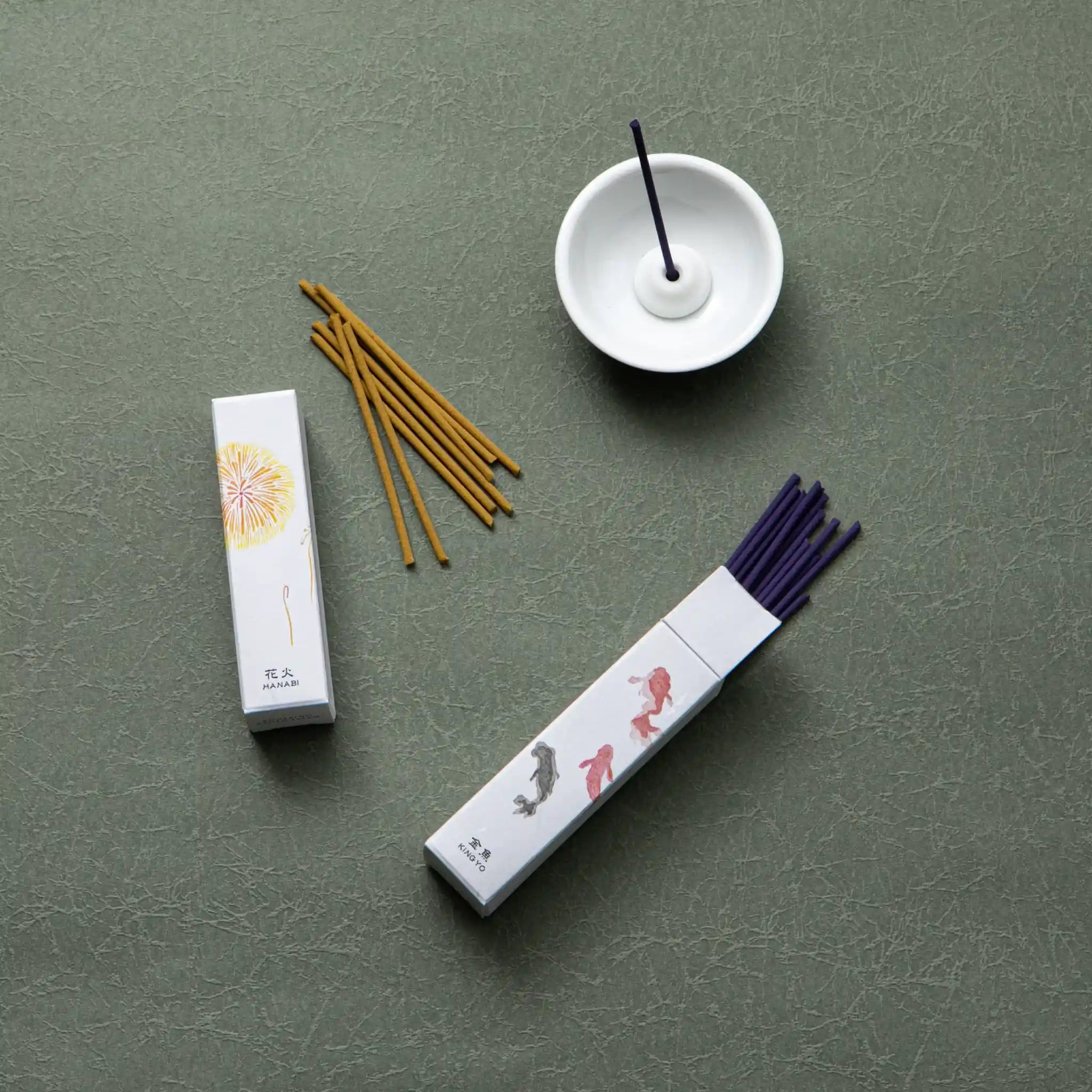
Stick incense is lit, and most sticks are blends. The incense Omakase carries comes from Kousaido, a Kyoto maker that says it builds its incense on a sandalwood base blended with natural aromatics. An evening with it borrows kōawase's contest. It does not borrow kōdō's method.

Setting Up the Evening
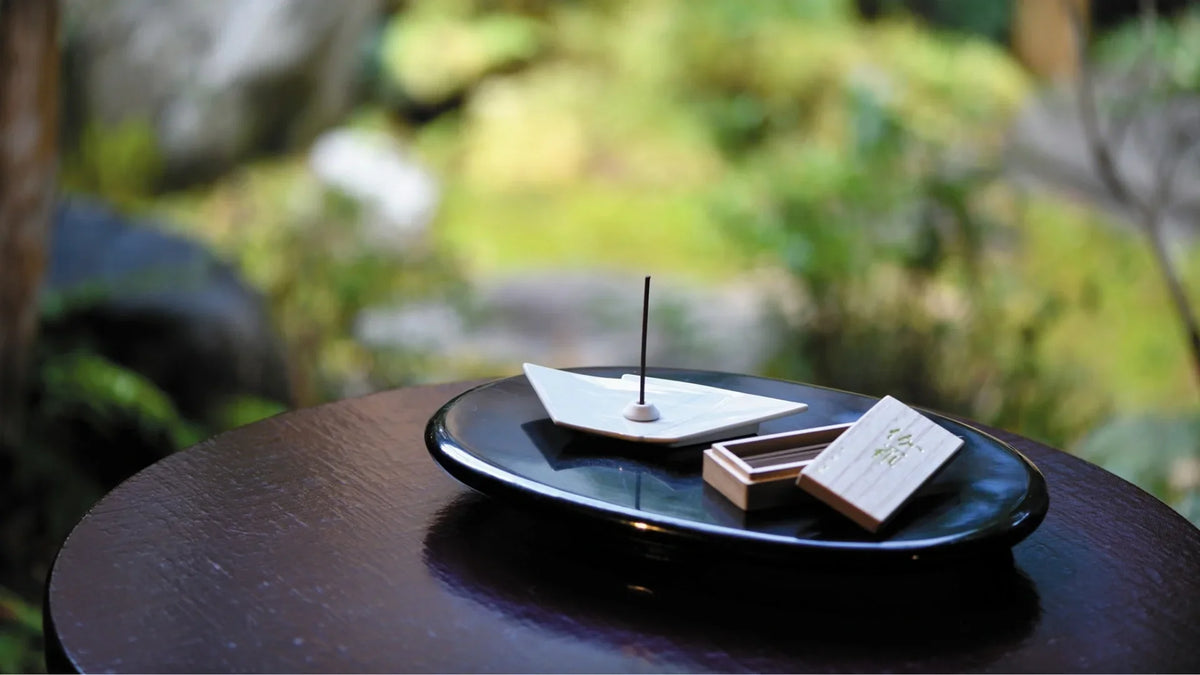
Choose two scents. Light one stick of each in separate trays, set the trays at opposite ends of the room, and mark the bottom of each tray so that only the host knows which is which. Guests visit both trays and name a favorite, and then the host turns the trays over. Open a window between rounds.
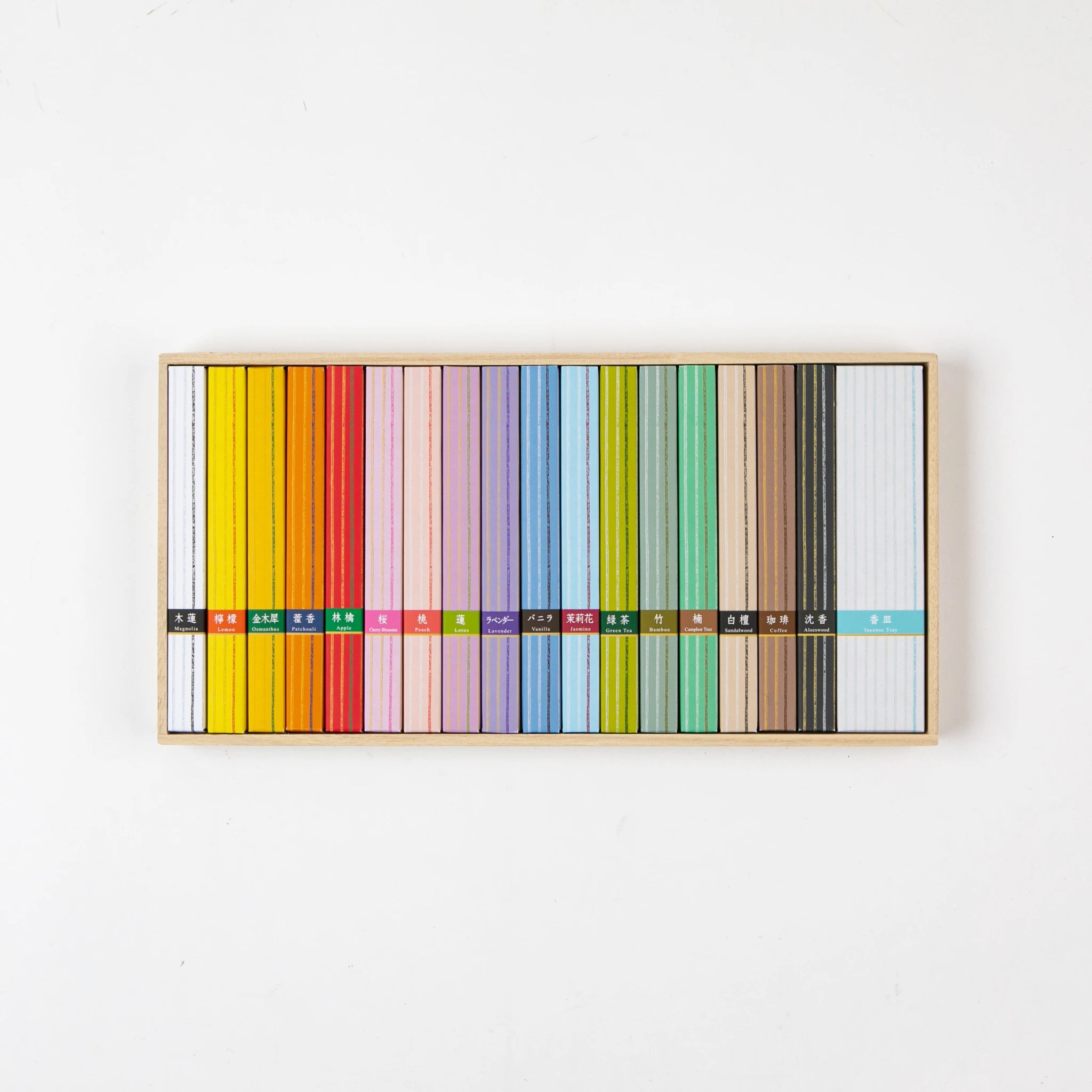
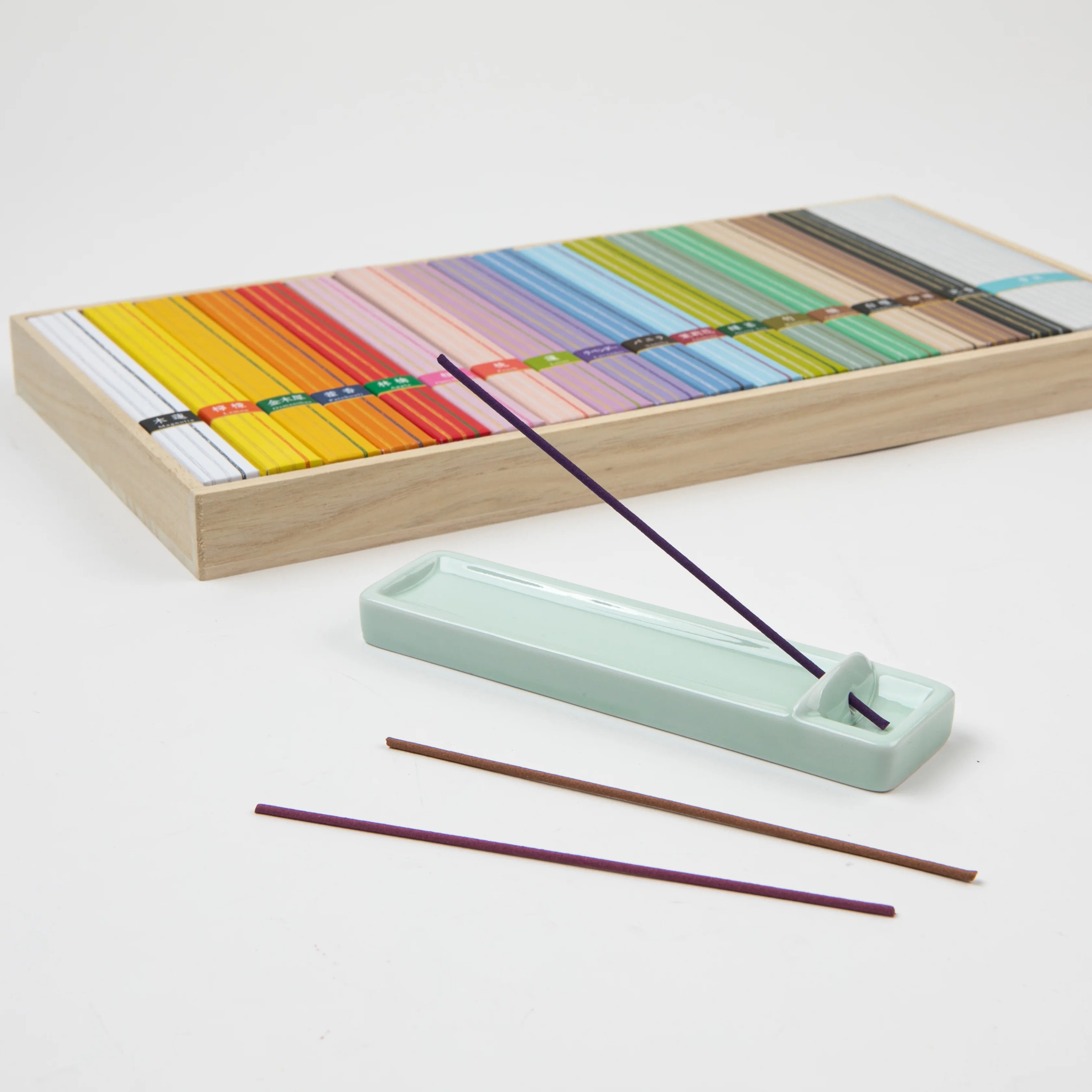
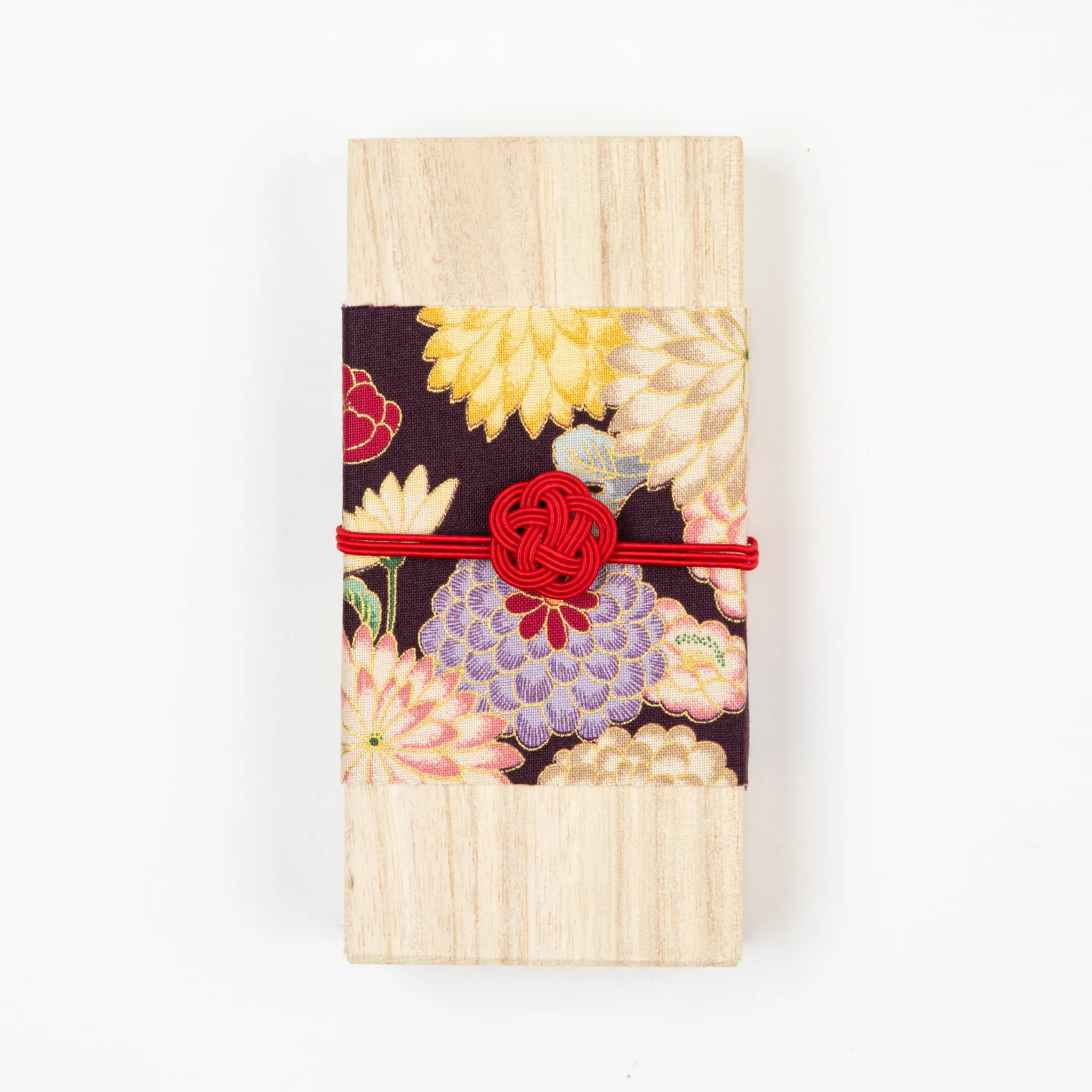
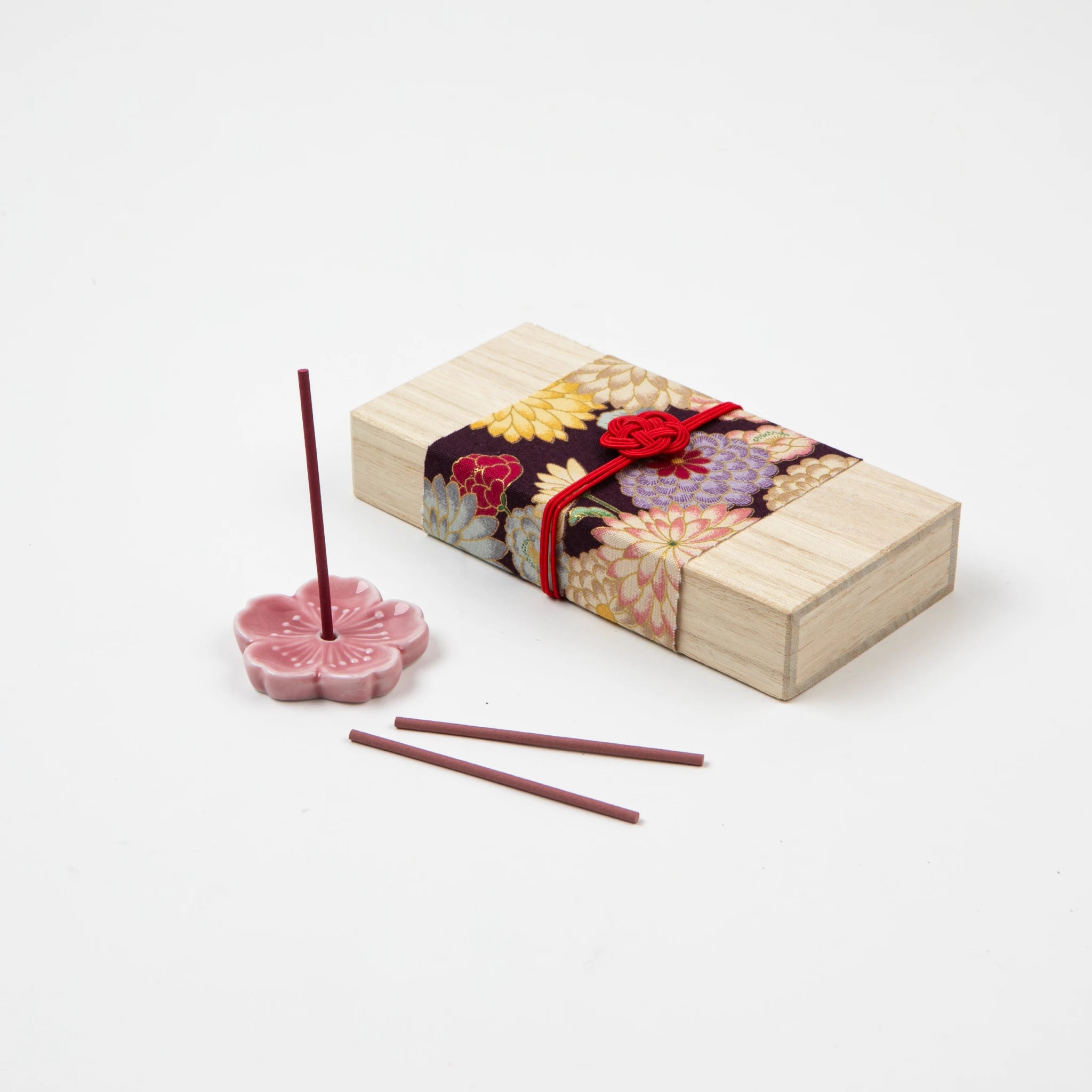
Hyakuraku-kou has the range for a full evening. It holds seventeen fragrances with six sticks each, from aloeswood, camphor and sandalwood to lemon and coffee, so pairings can be close or far apart. It appeared in a 2025 Wall Street Journal roundup of interior designers' go-to weekend host gifts.
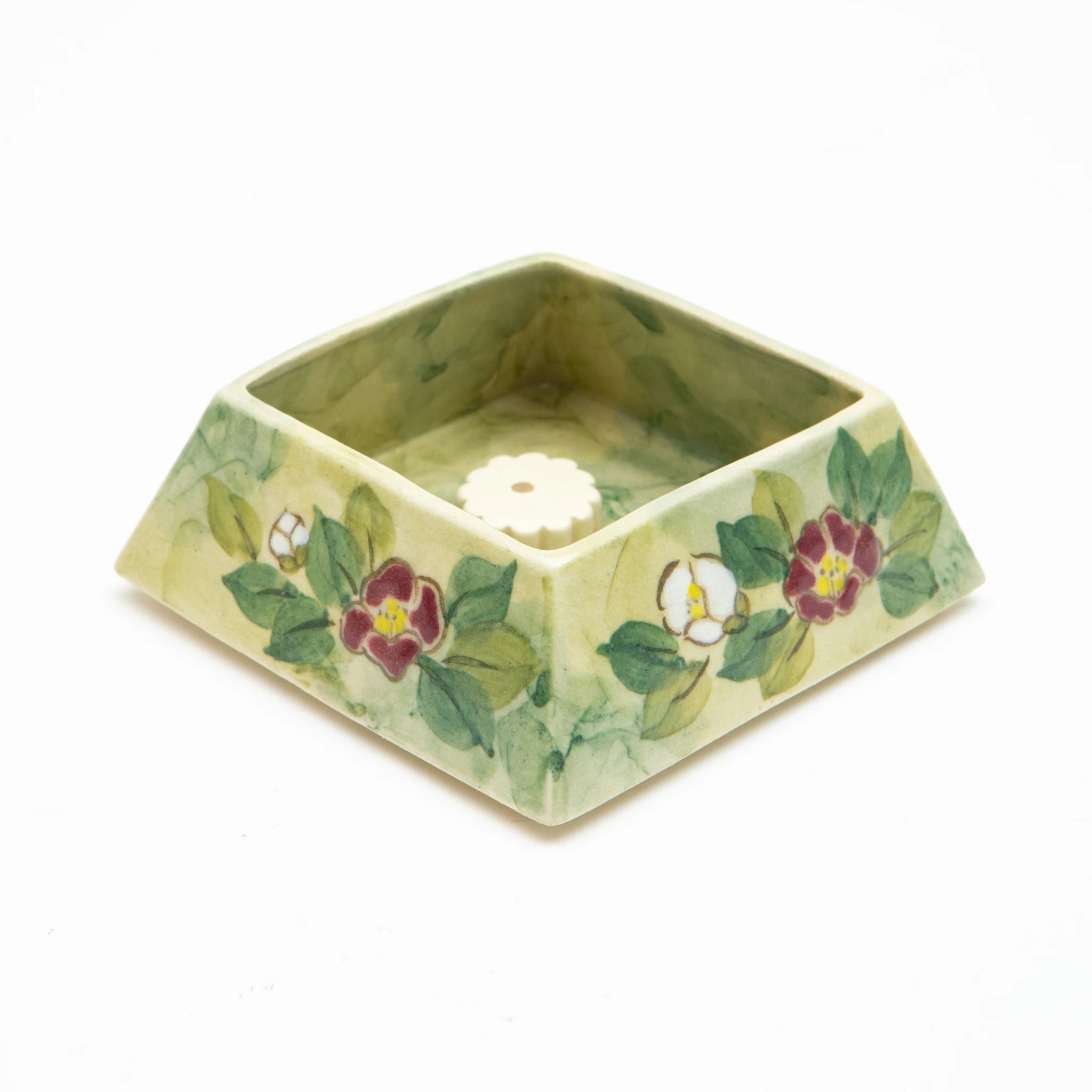
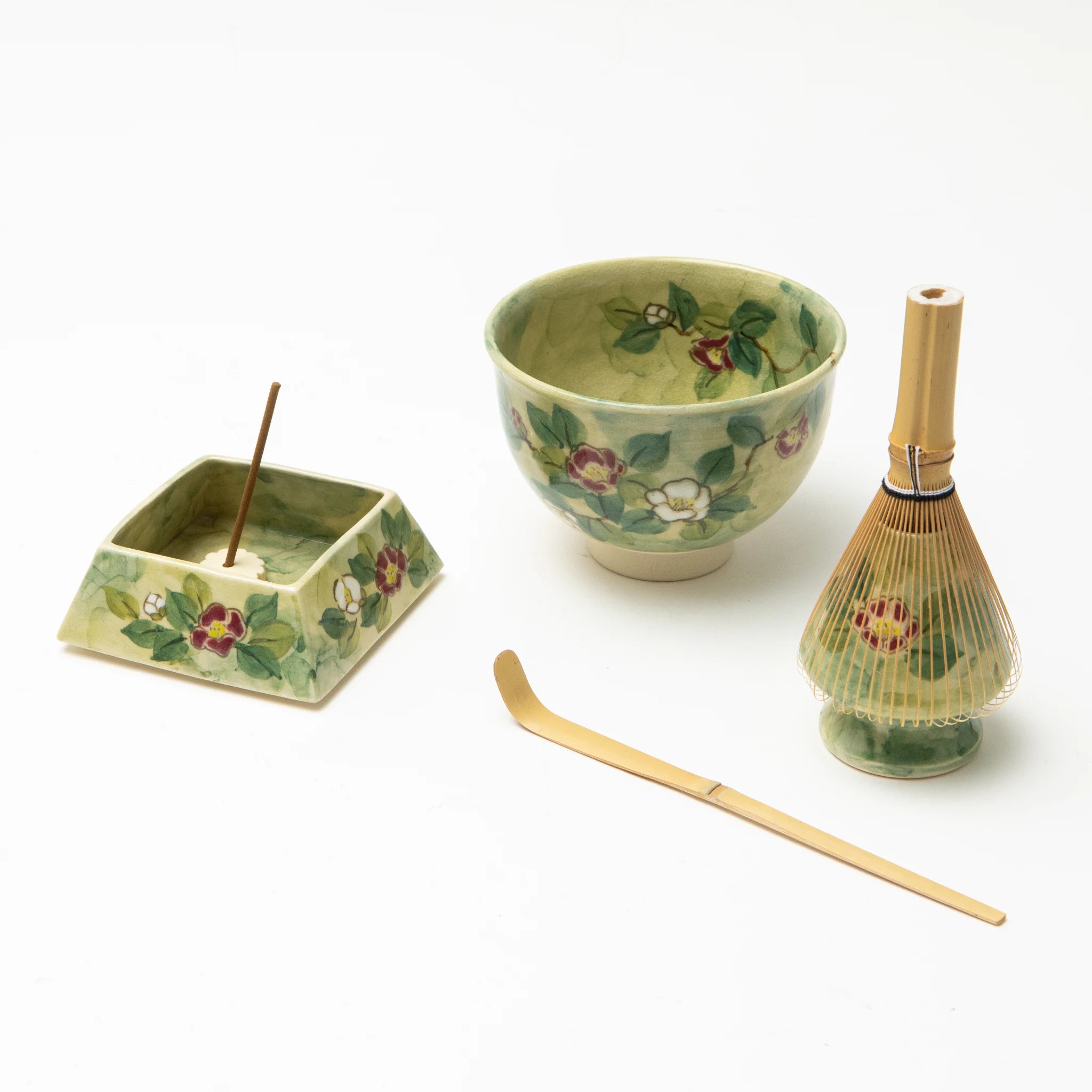
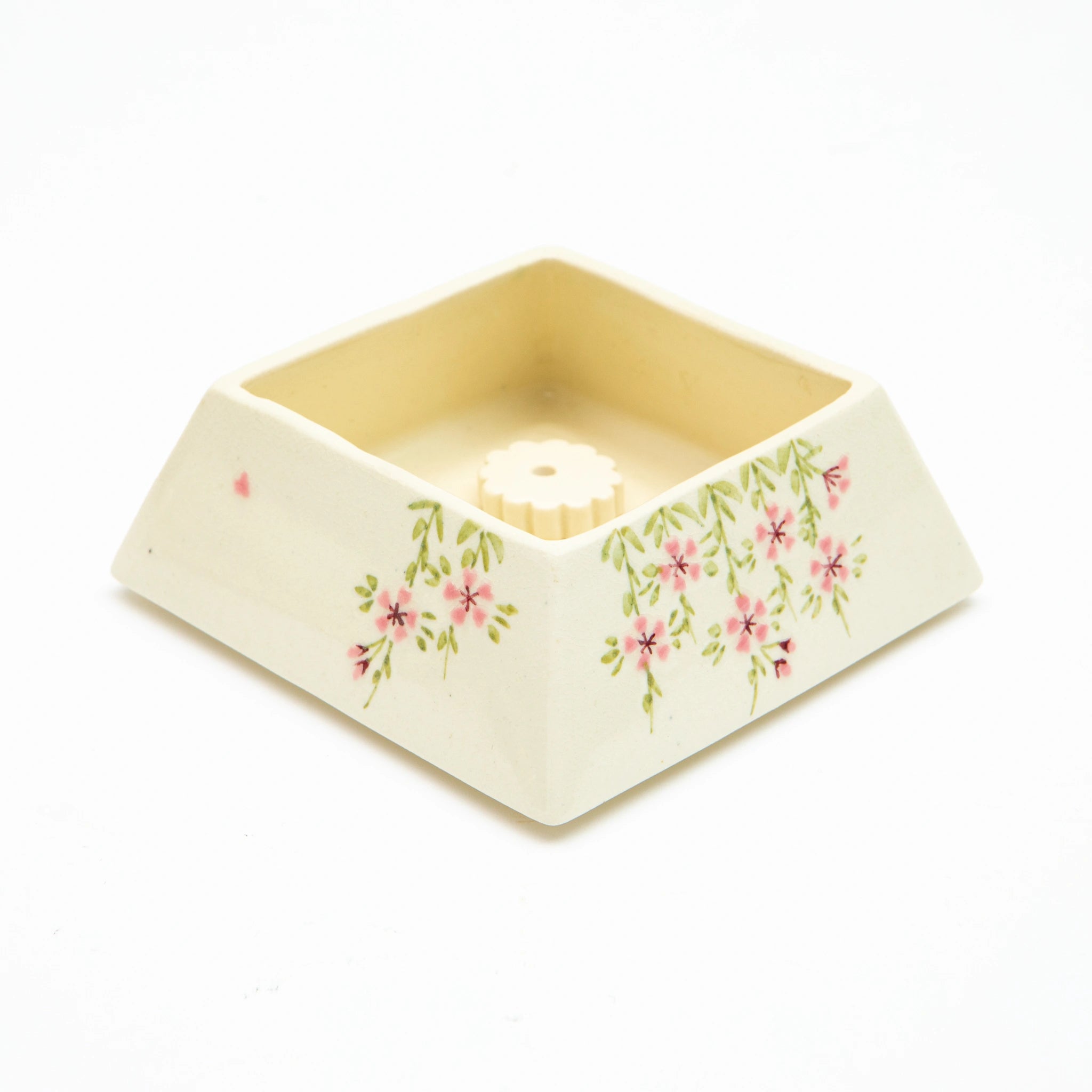
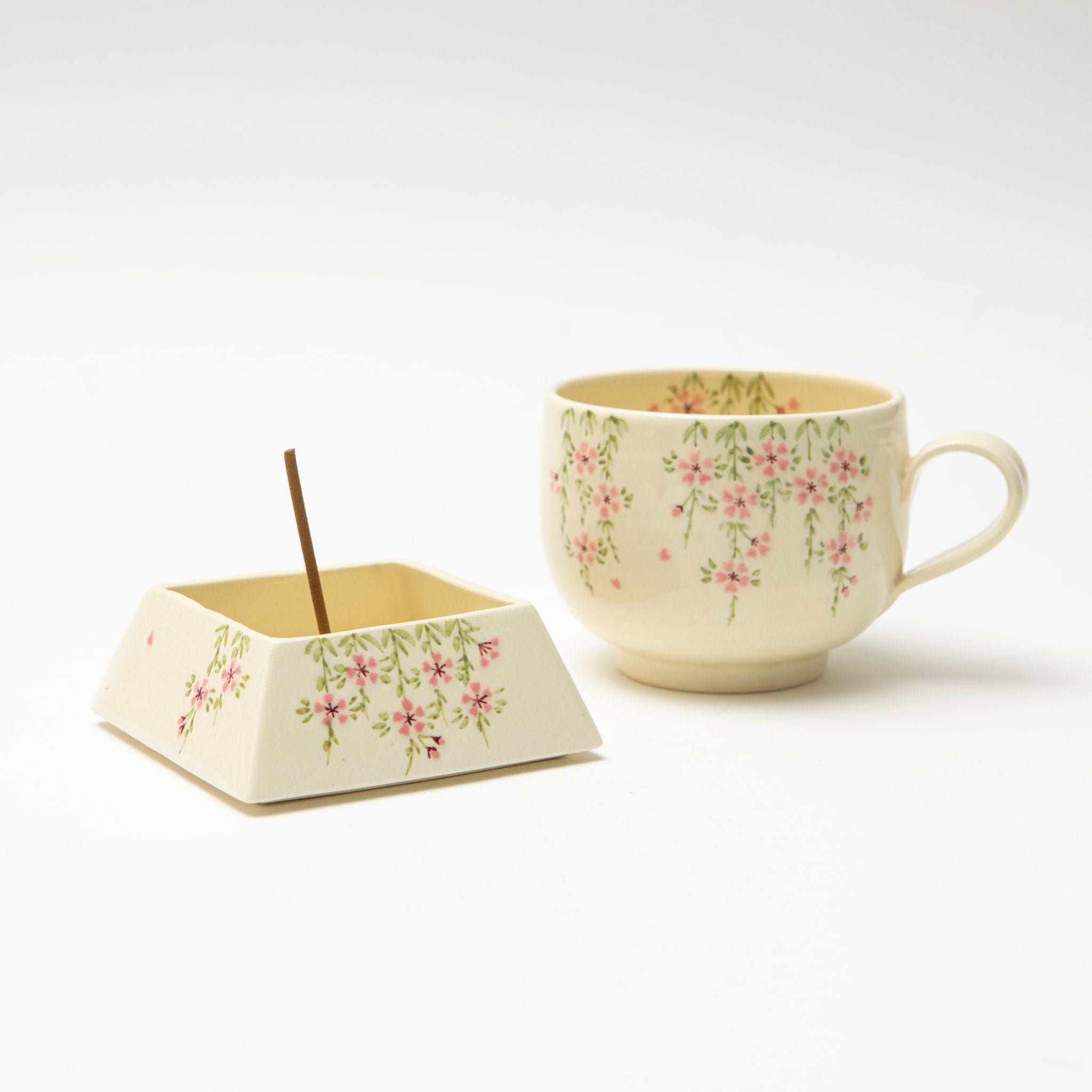
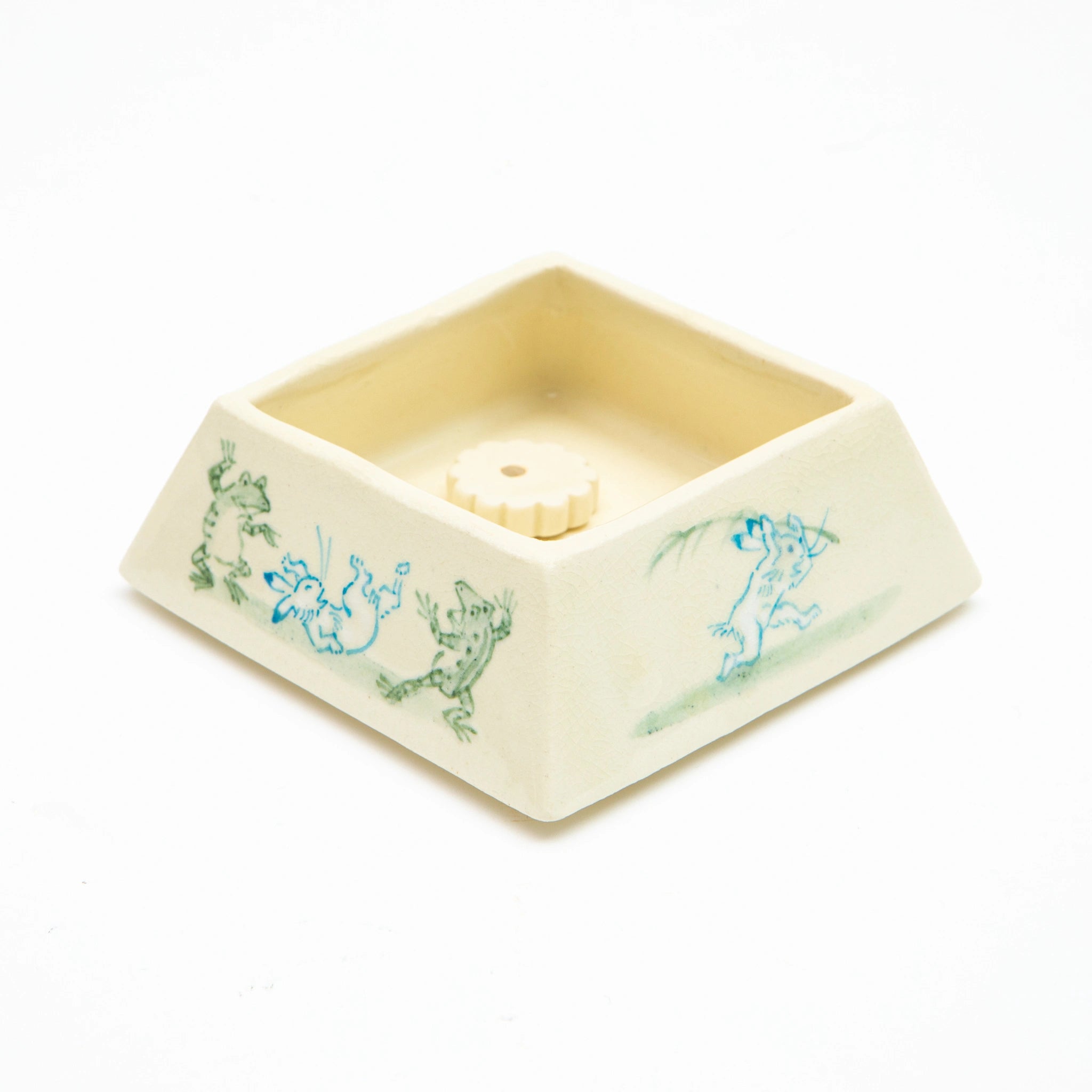
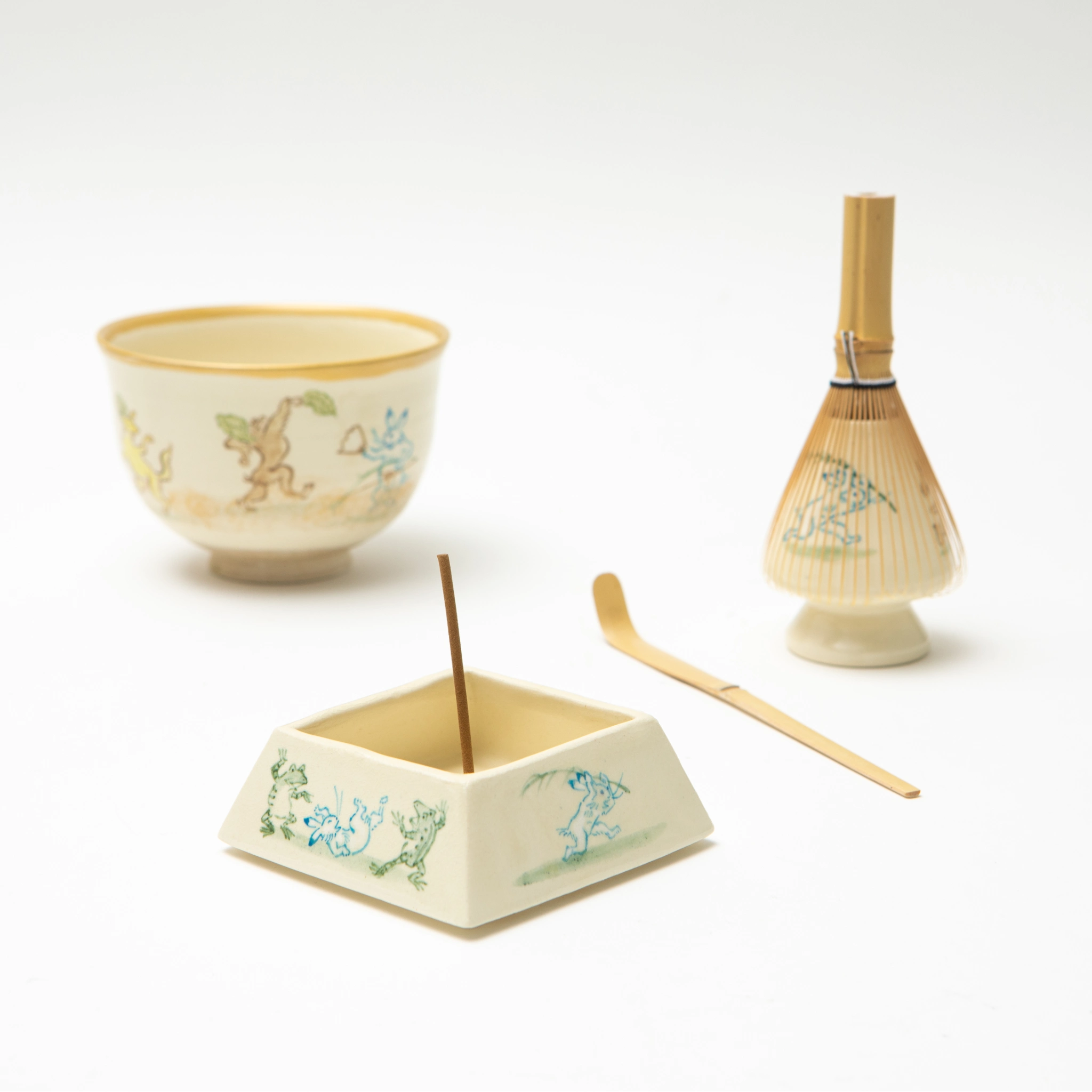
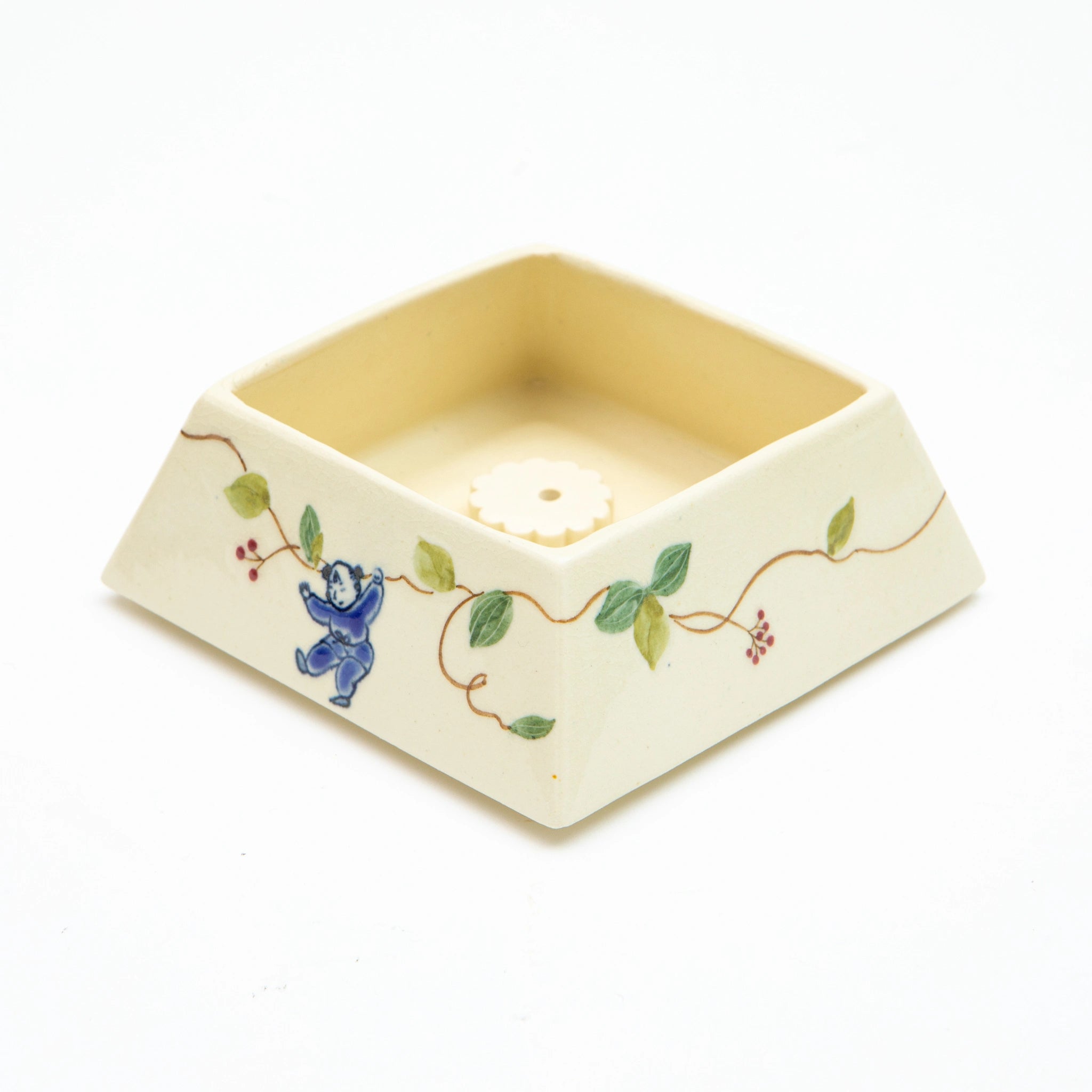
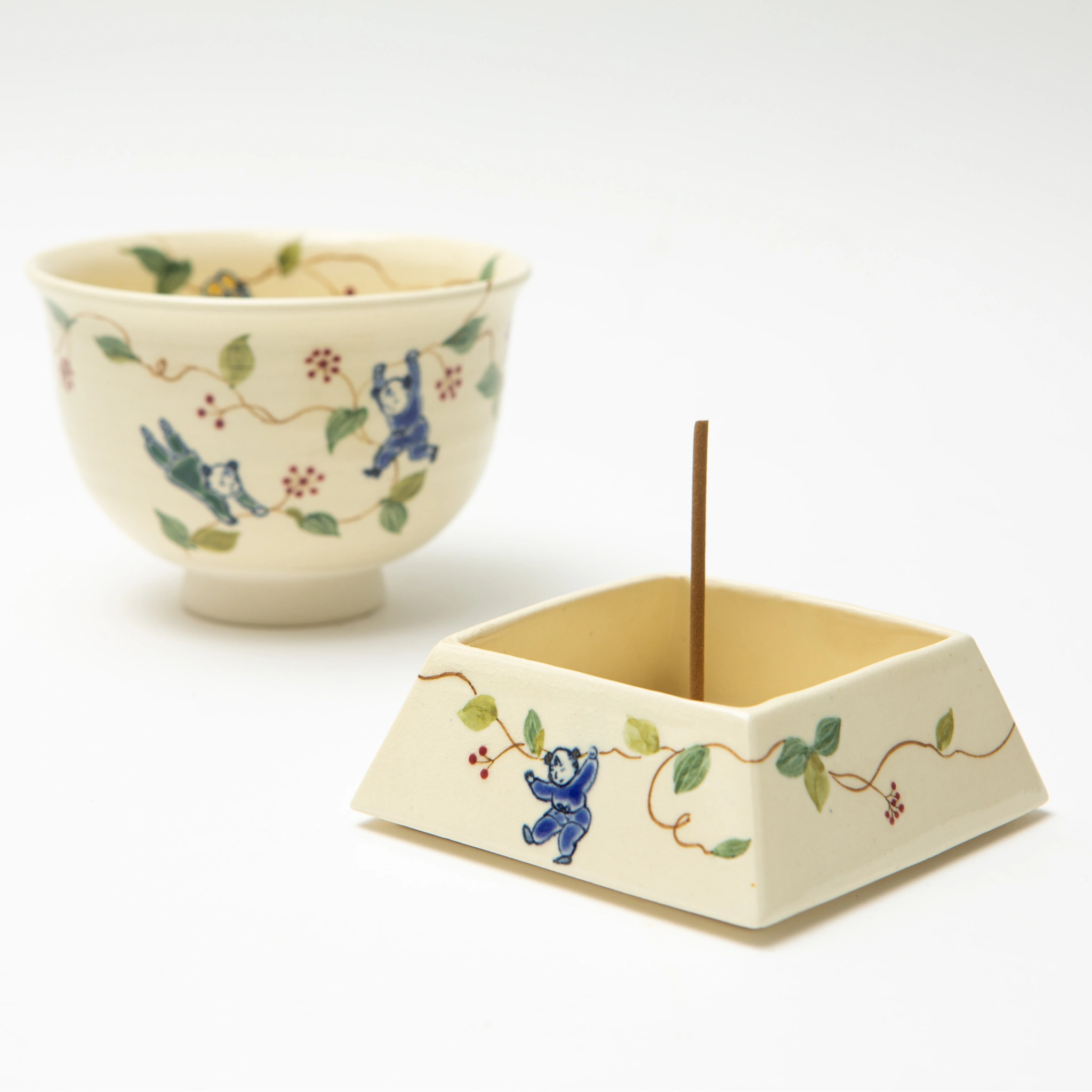
The set comes with one celadon holder. For a second station, Tosen Kiln's Kozan-ji Square Incense Tray holds a stand securely and catches the ash.
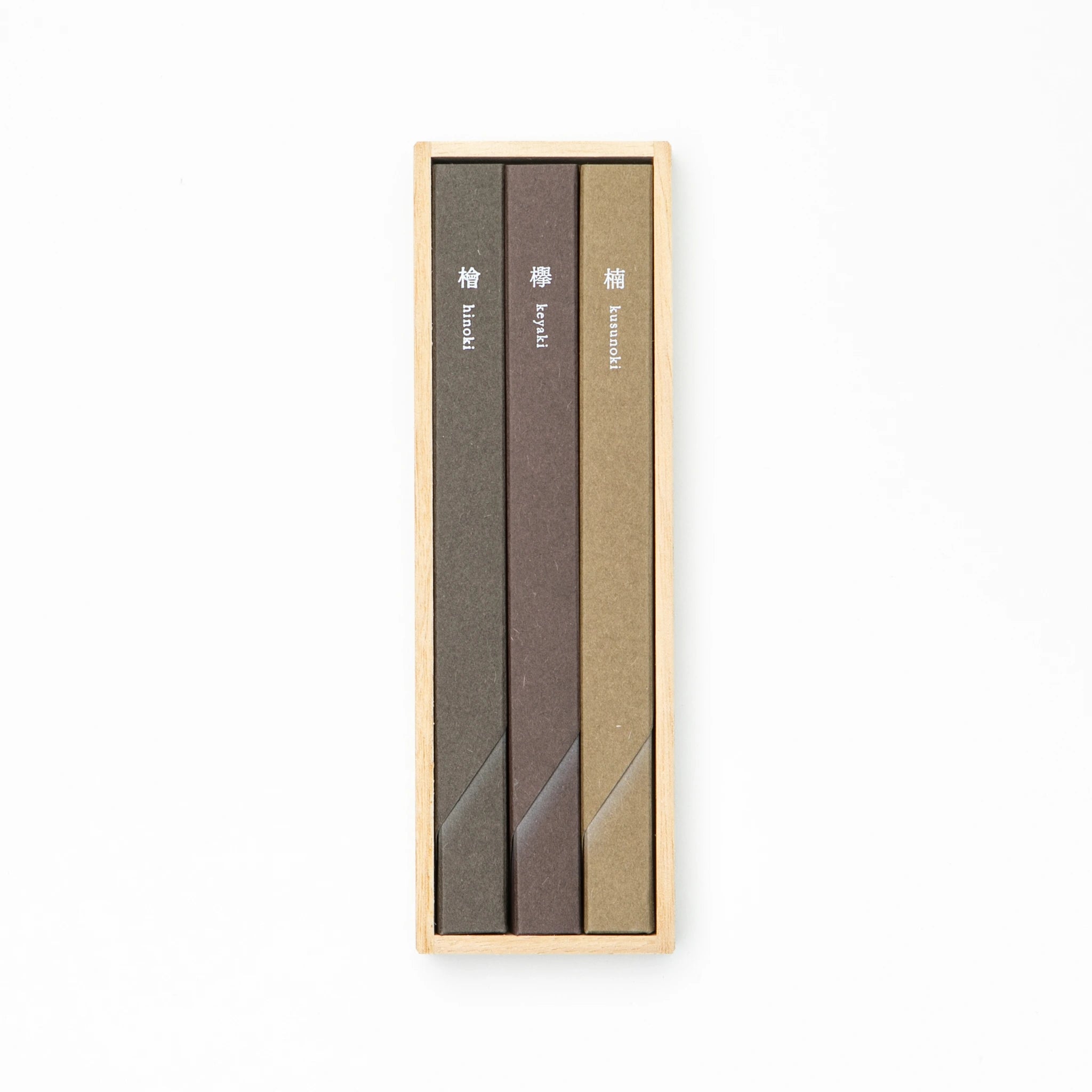
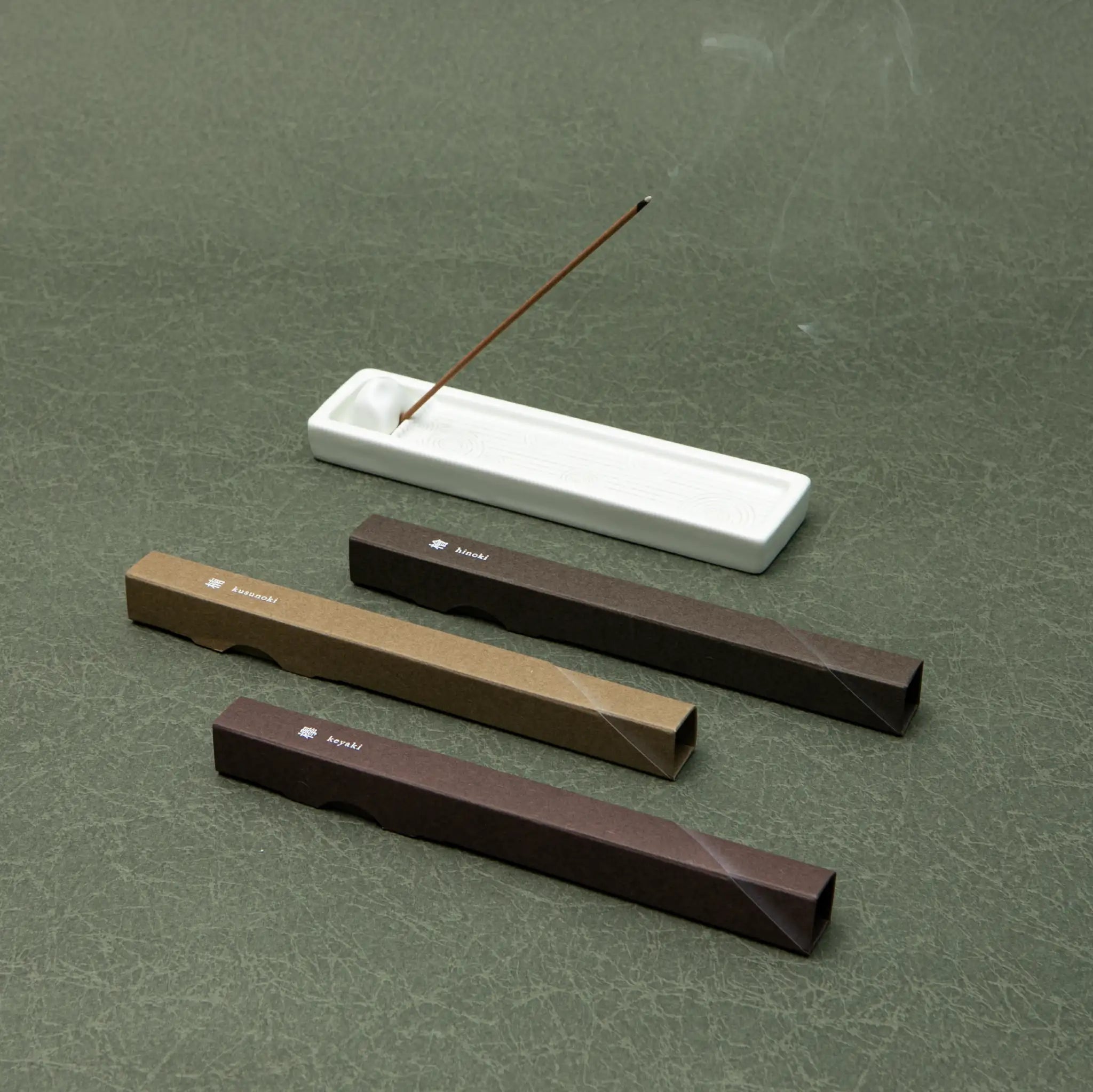
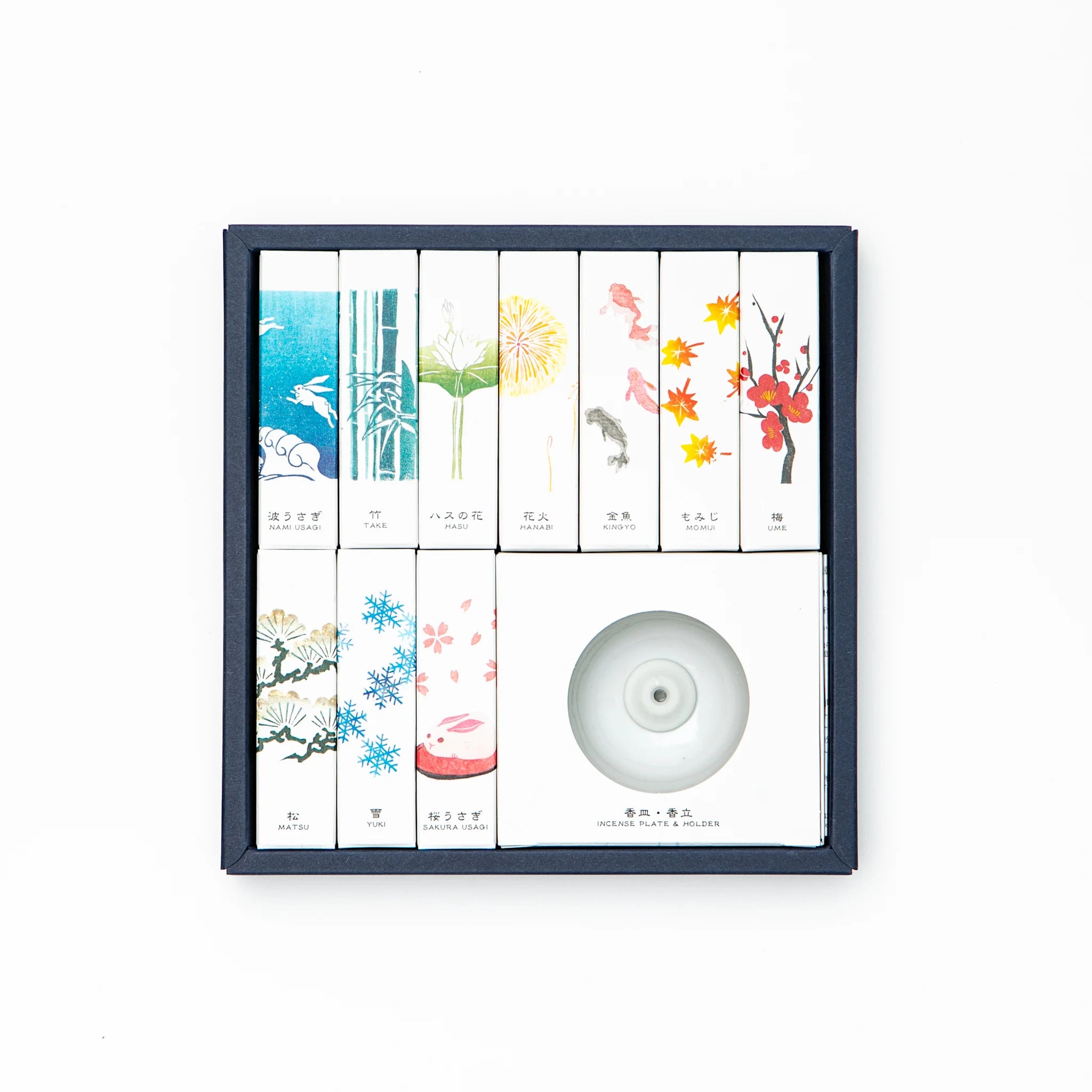
Smaller evenings have other options. The Waboku set is built around three Japanese woods, hinoki, zelkova and camphor, and makes for close contests. The HANGA INCENSE Set pairs ten fragrances with imagery inspired by Japan's seasons, which brings Prince Hotaru's question to the table.

After the Last Round
One scent usually wins more rounds than the rest. Several Kousaido fragrances also come in single boxes in the Hitotoki line, so the winner can become an everyday incense.
Give the runner-up another round in a different season. The old judges weighed the season too.