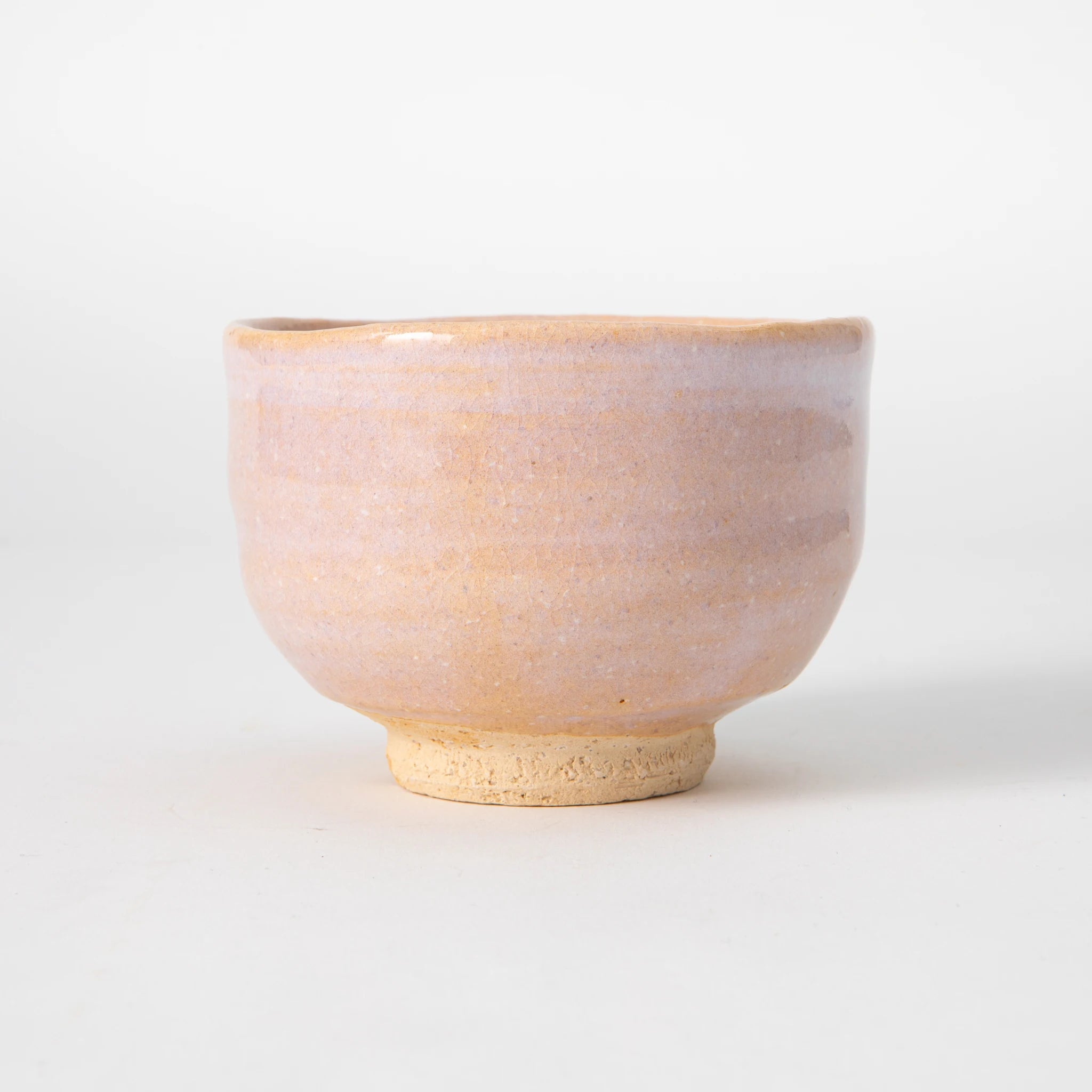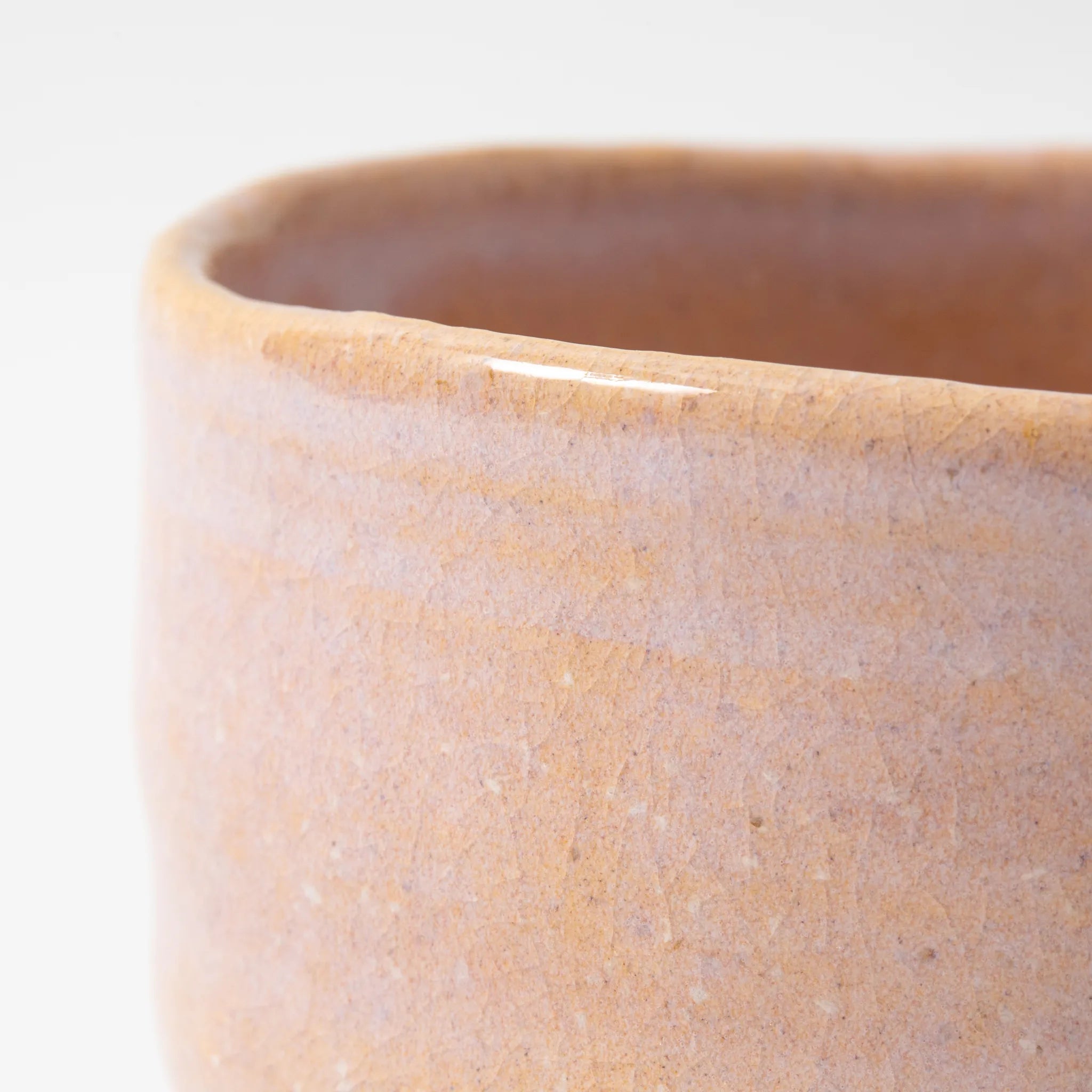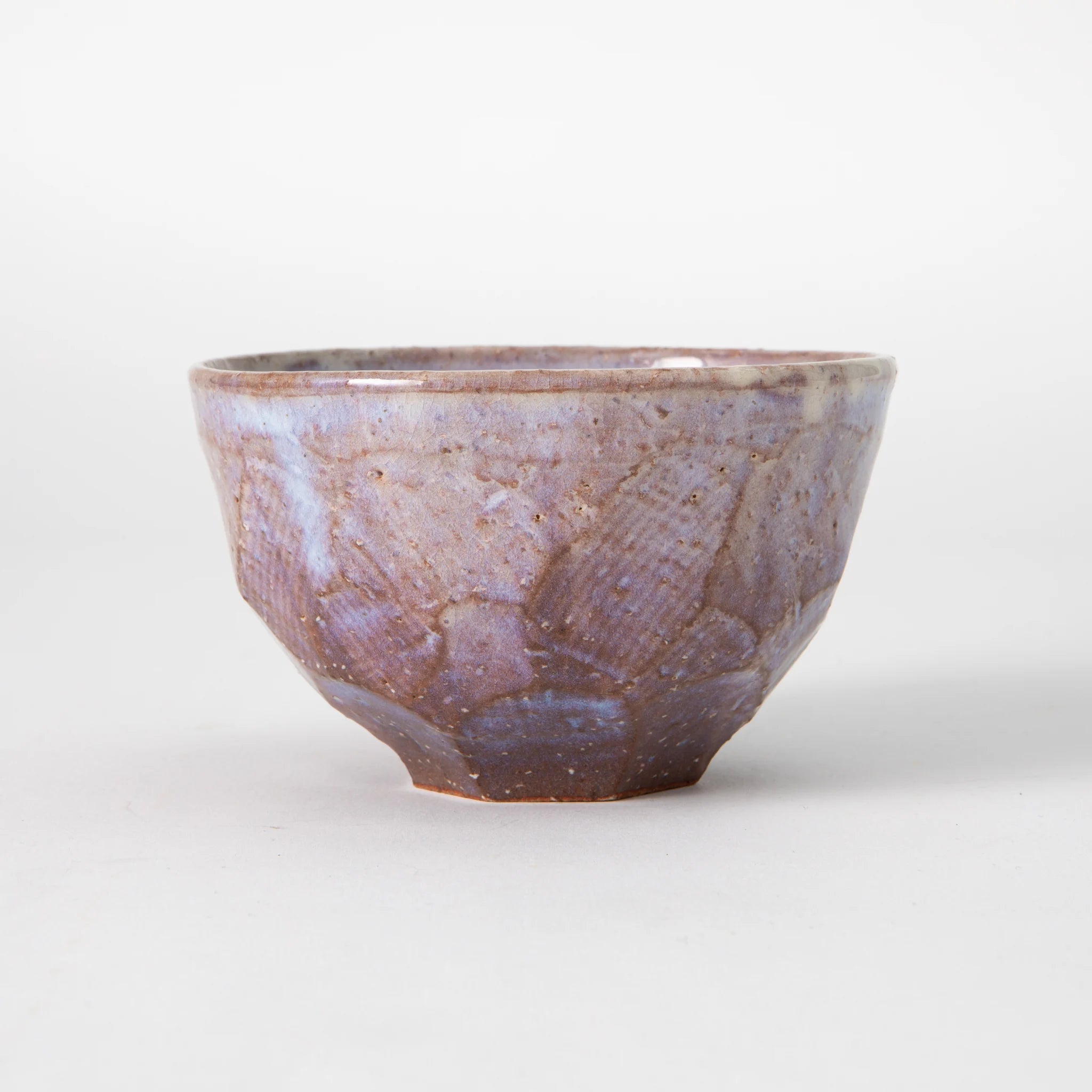
Live with a Hagi ware bowl for a year and it stops looking new. The white warms up. Faint lines start surfacing across the glaze, tracing paths that were not there when it arrived. Most owners notice this and assume the worst. A crack, a flaw, something they did wrong. None of that is true. The bowl is just doing what Hagi ware has always done.

The crack that is not a crack
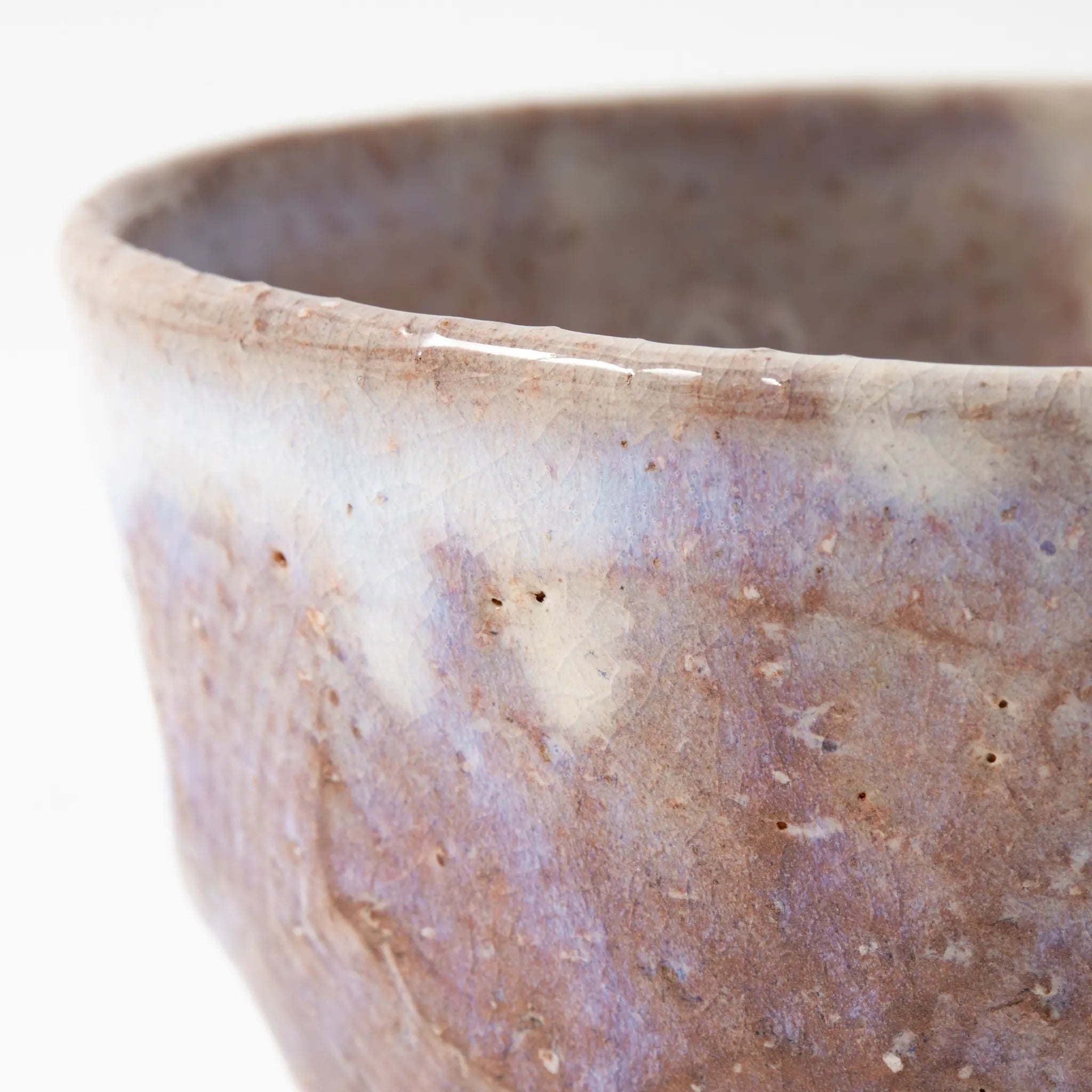
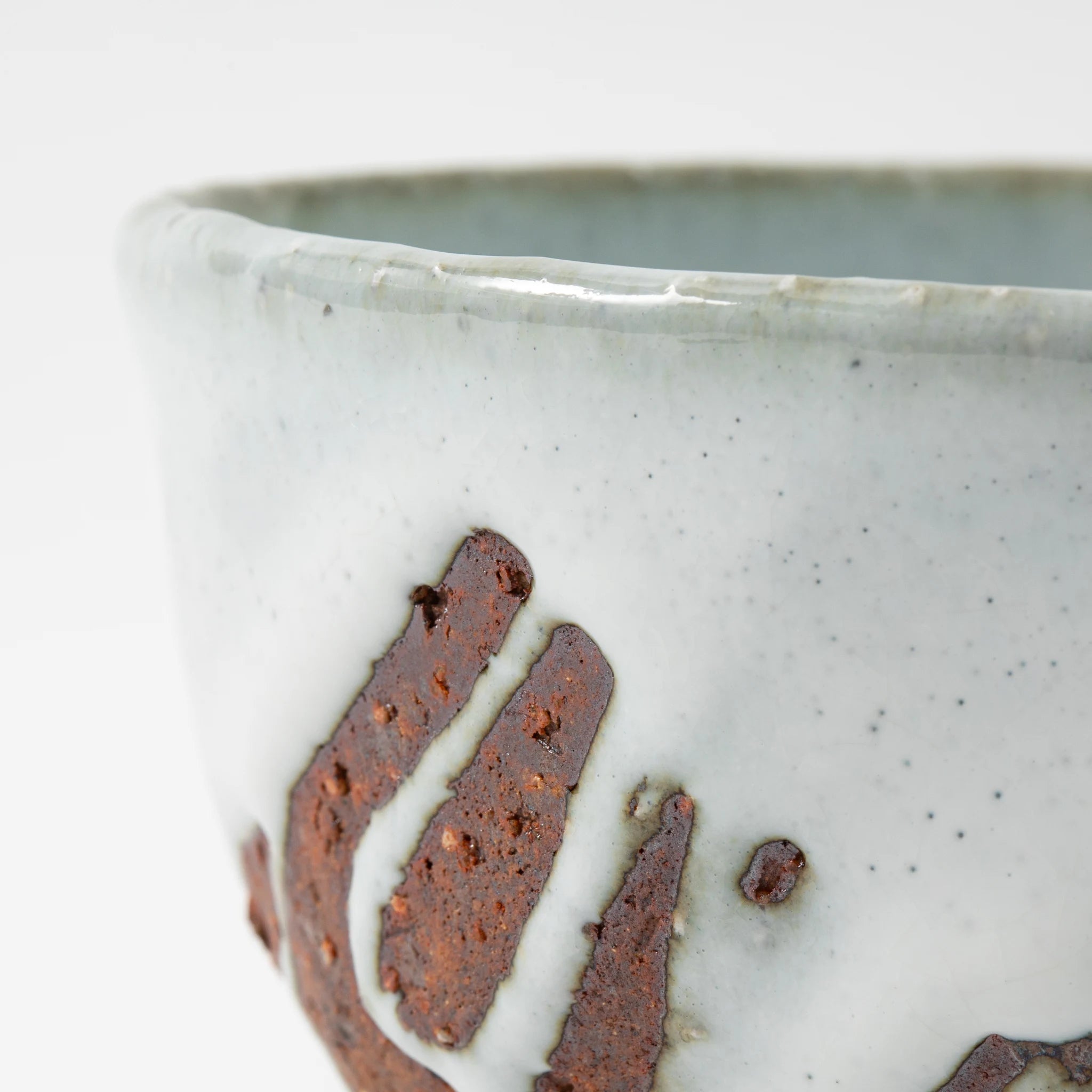
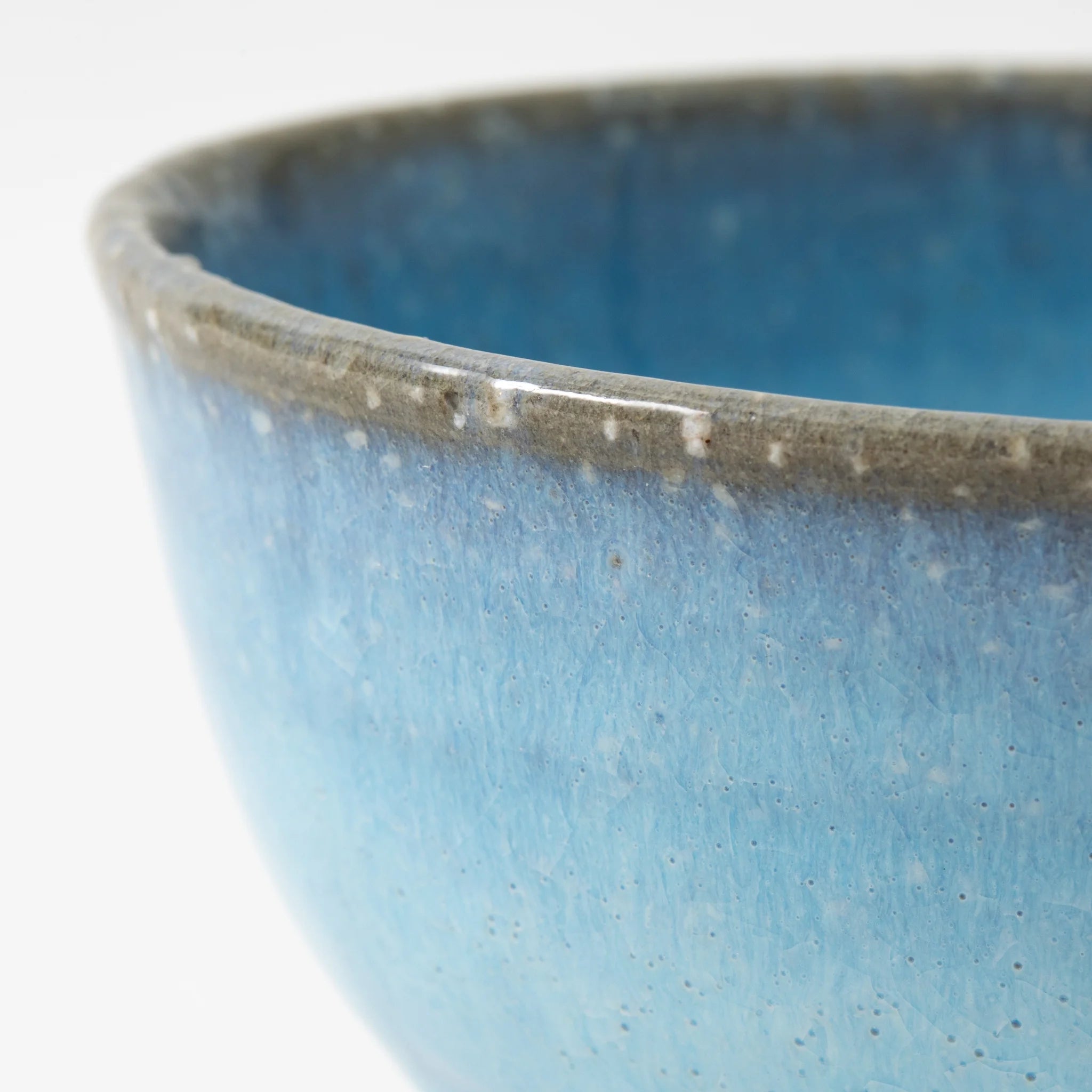
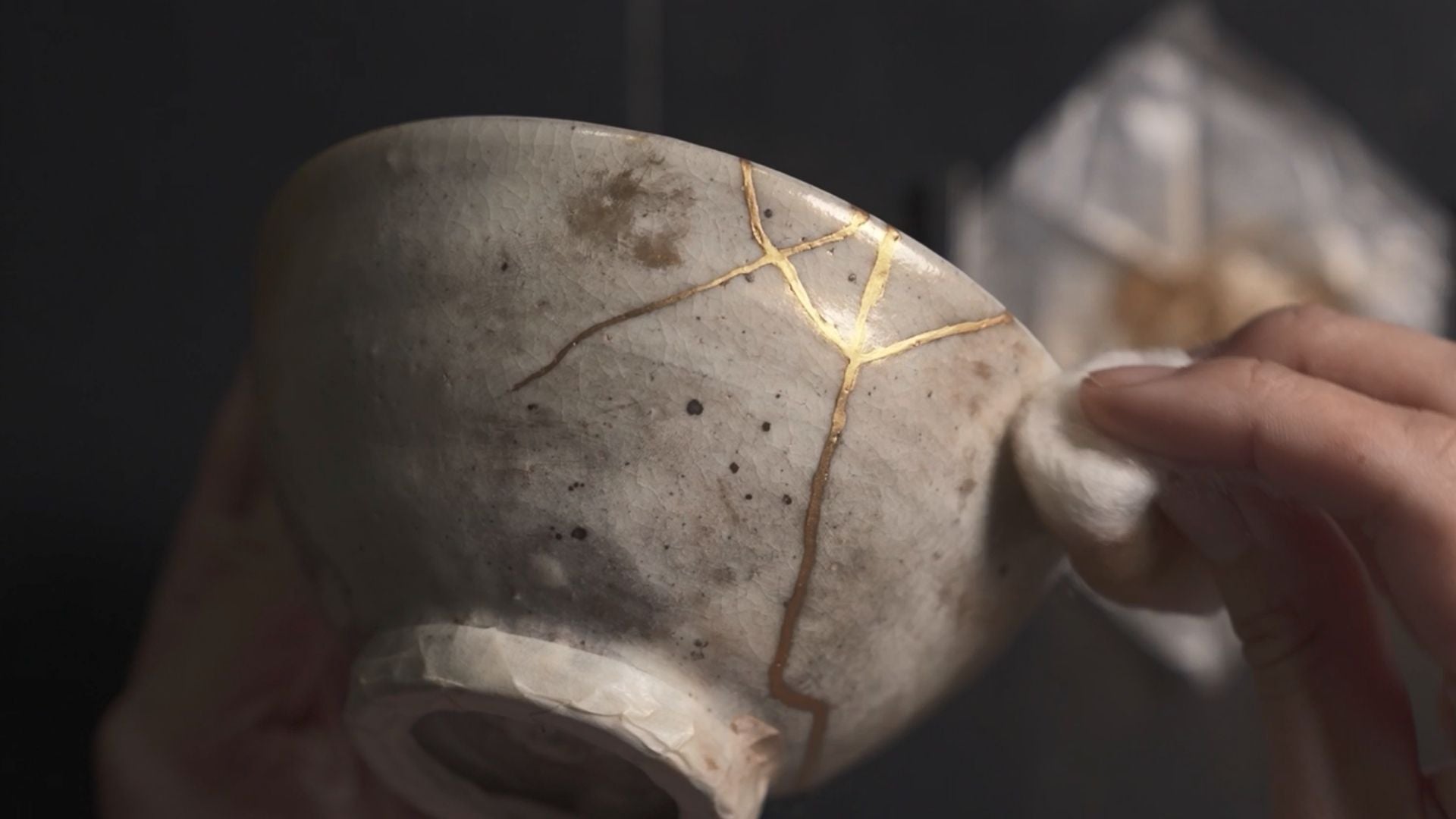
Those lines are called kannyu, and they are already there the day the piece leaves the kiln, not something that develops later. Here is why. Clay and glaze are fused together at high heat, then cooled as one piece. Hagi clay is coarse and relatively soft, and it shrinks at a different rate than the glaze sitting on top of it. So as the bowl cools, the glaze pulls tighter than the clay beneath it can follow, and a fine network of surface cracks opens up across it. Flip a Hagi bowl over. Often you can see the same web pattern pressed into the unglazed foot, which tells you something useful: this is structural, built into how the piece was fired, not a defect that slipped through.
Crackled glazes are not unique to Hagi. Plenty of ceramics traditions have some version of kannyu. What sets Hagi apart is what happens next. The clay body stays porous even after firing, porous enough that whatever the bowl holds can actually reach those cracks. Matcha. Tea. Sake. Poured in and wiped out, day after day, trace amounts still work their way into the kannyu, and slowly, unevenly, they color it. The bowl is not wearing down. It is keeping a record of what has passed through it.

Photo courtesy of Kyoto National Museum, Hagi Ware Matcha Bowl (Museum No. GK655)
The seven changes, more or less
The Japanese term for this is Hagi no nanabake, which translates roughly to "the seven transformations of Hagi." Seven sounds precise. It isn't. Read it as a fixed sequence, seven stages a bowl checks off in order, and you'd be misreading the phrase. Sources that have looked closely at the term push back on that idea specifically: there is no agreed list of seven states to look for. The number is closer to shorthand for "a lot," a way of saying the change keeps happening and keeps happening differently. One bowl darkens first at the rim. Another takes color along the base first. It depends on how the piece is held, how often it is used, and what keeps getting poured into it.
Tea practitioners cared about this enough to rank Hagi ware second only to Raku among tea bowls, an old ordering sometimes summarized as "ichi Raku, ni Hagi, san Karatsu," Raku first, Hagi second, Karatsu third. What they were ranking was not how a bowl looked fresh off the wheel. It was the opposite. A Hagi chawan earned its standing by how it would look years into someone's use of it, which meant the object and the owner's habits were never really separable.

How it plays out, glaze by glaze
No two Hagi glazes age the same way, because kannyu is a direct function of how a specific clay meets a specific glaze. A short tour across Senryuzan and Yamato Harunobu Shoroku Kiln's pieces makes the differences concrete.
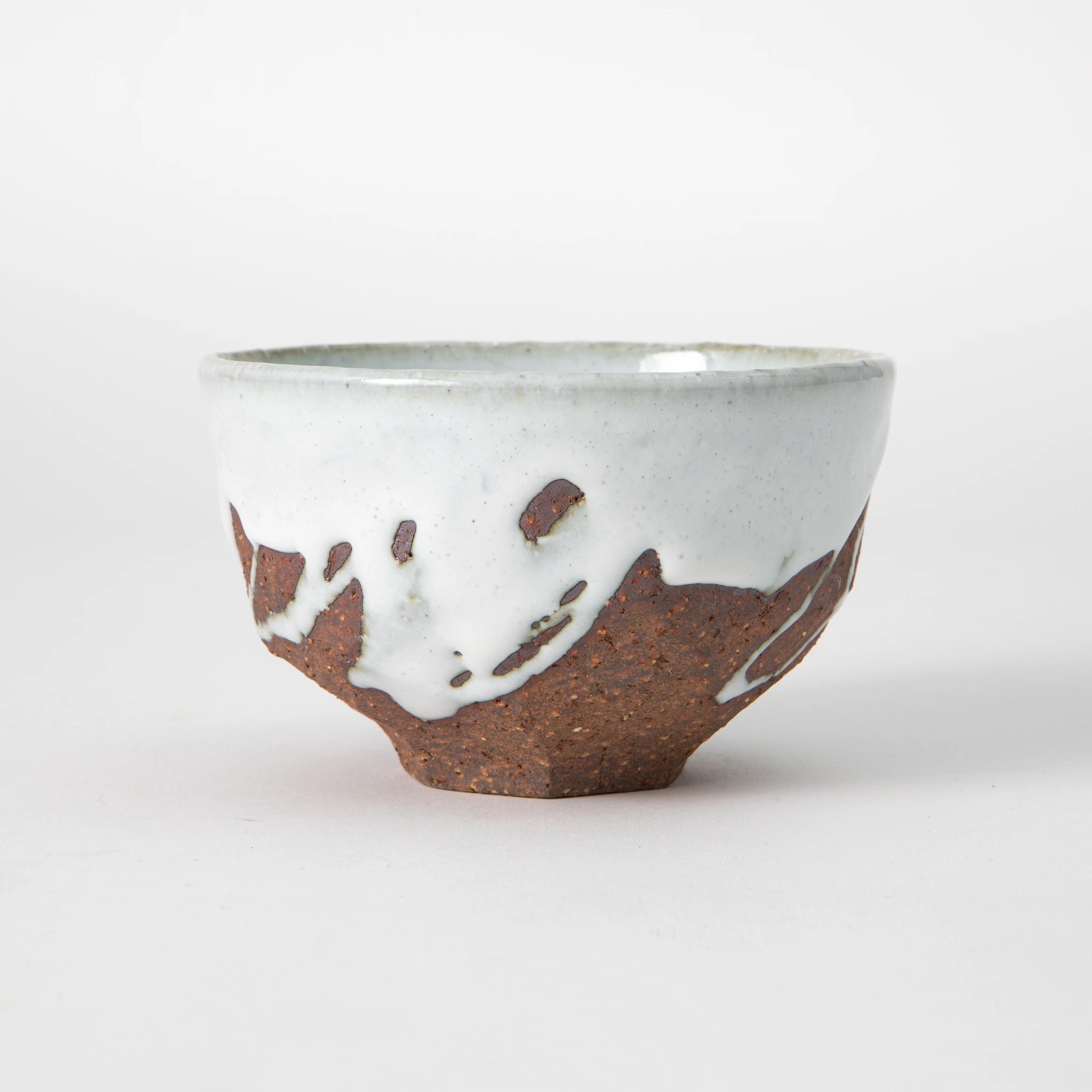
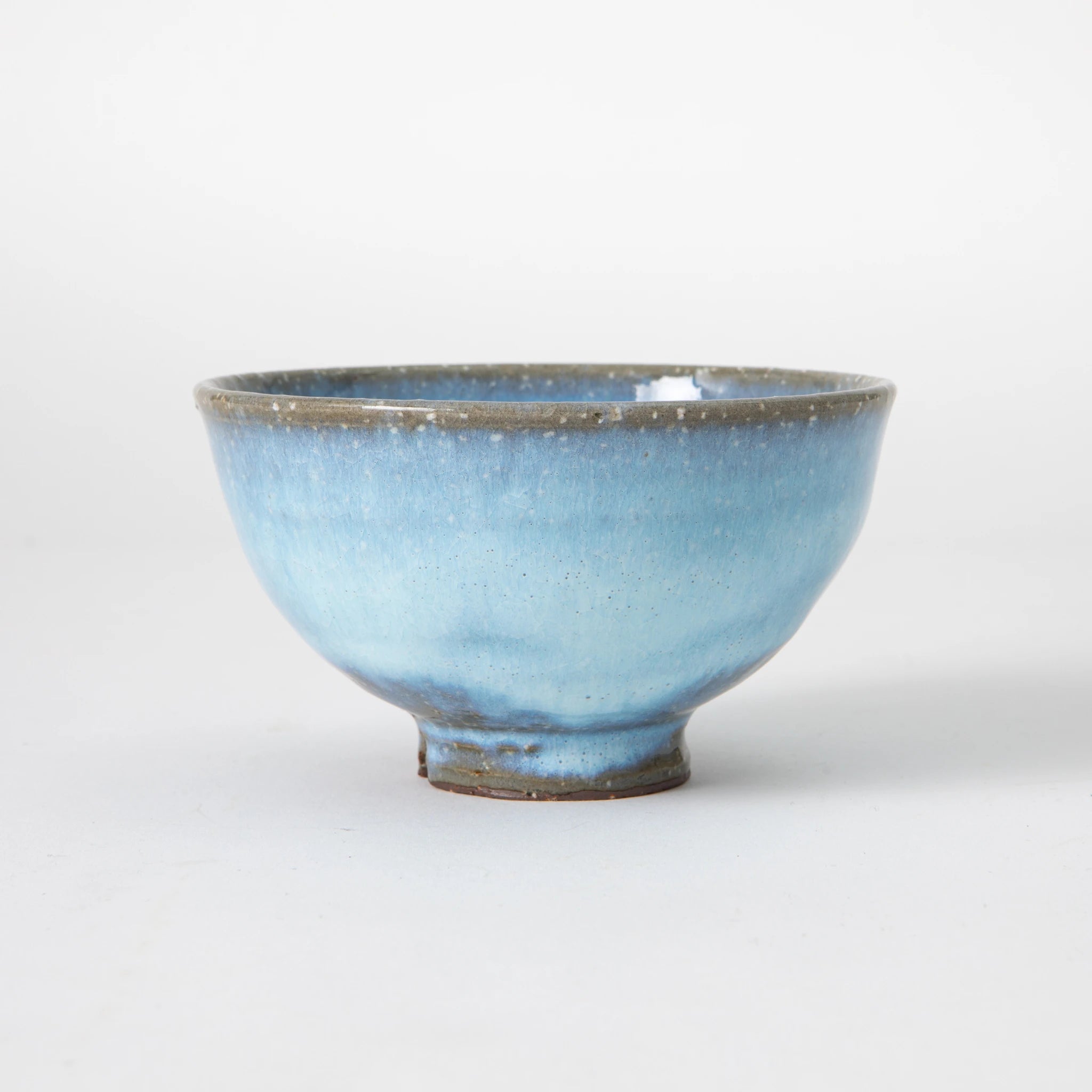
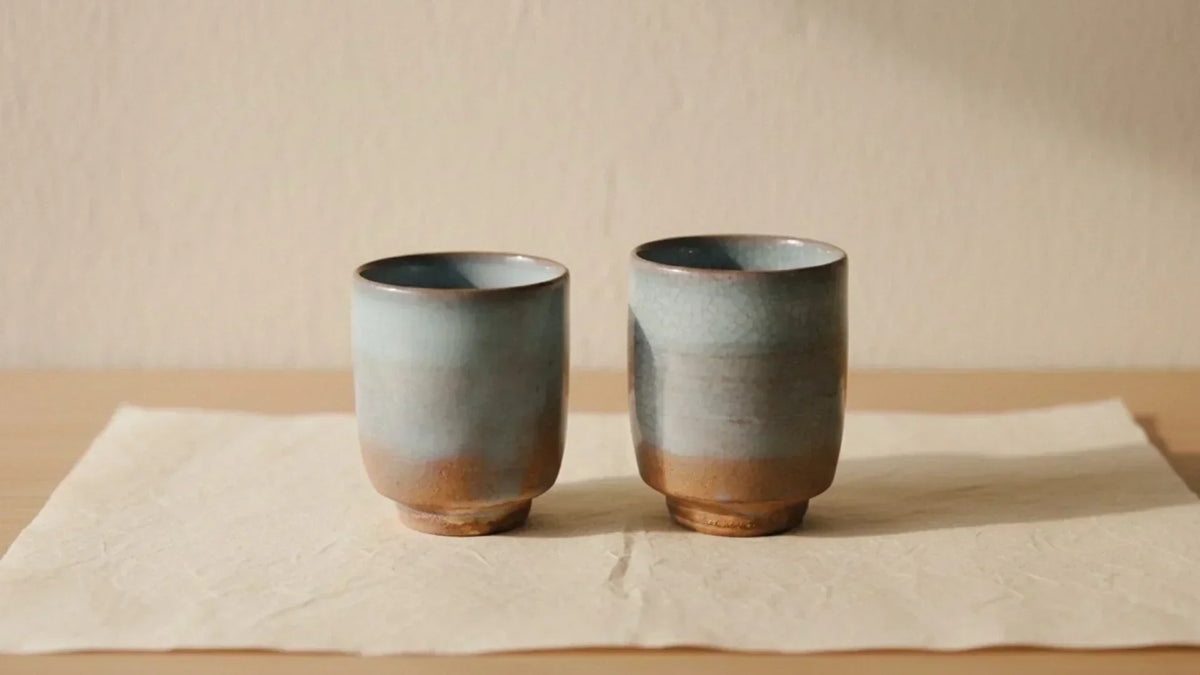
Take Senryuzan's daido sand clay chawan with a biwa glaze. The glaze pools thicker near the rim, so that's where the kannyu network has the most contrast to develop against as it darkens. The blue Hagi glaze chawan is working from an unusual starting point, an open sky blue rather than Hagi's typical warm palette, and the crackle reads more like fine sediment suspended in the glaze than the softer webbing you'd see on a paler surface. Then there are the two Misogi-carved bowls, in white slip and flow glaze: the carving leaves sections of iron-red clay fully bare, so the color change is actually happening on two surfaces at once. Kannyu develops where the glaze is, in the usual way. The exposed clay just darkens on its own, through handling alone.
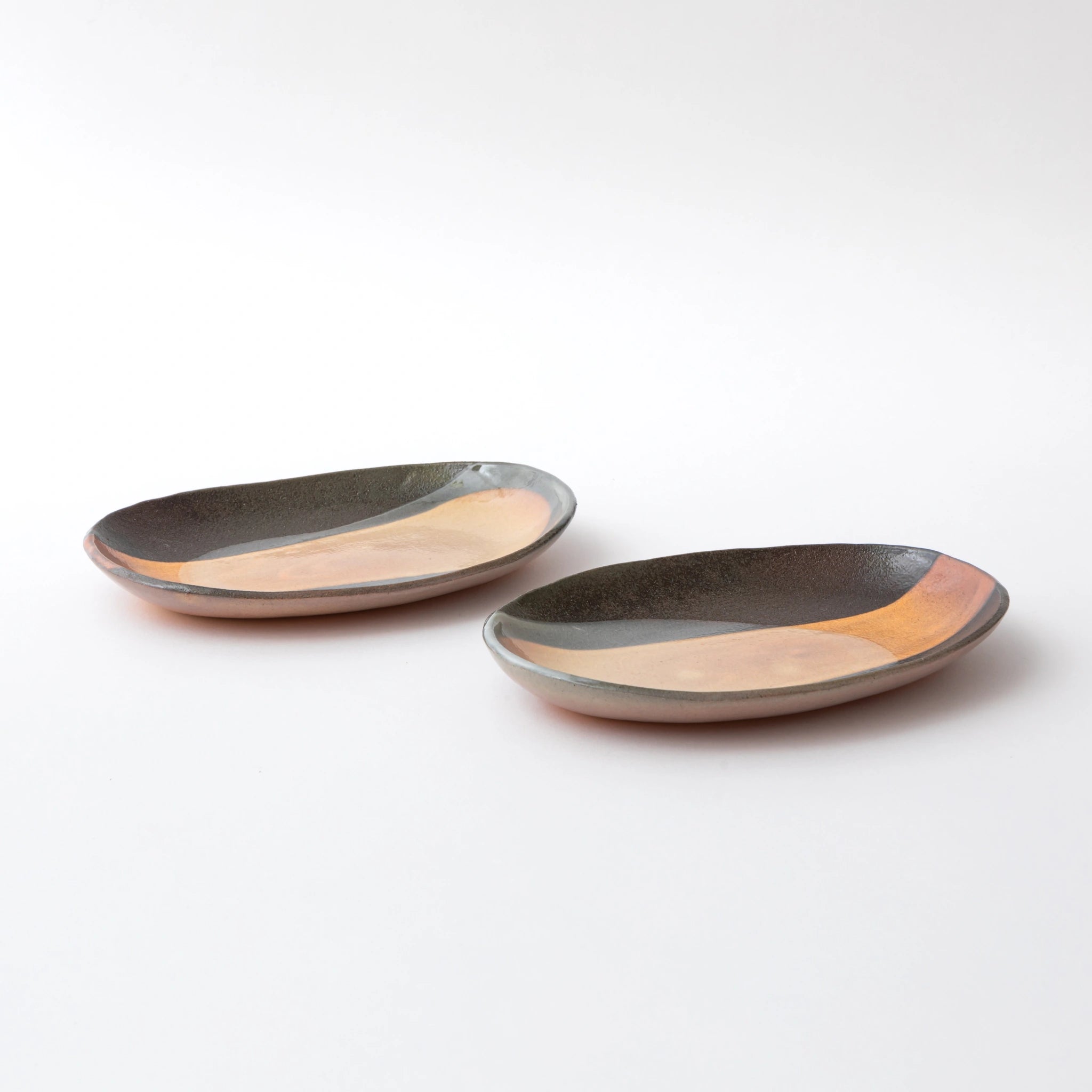
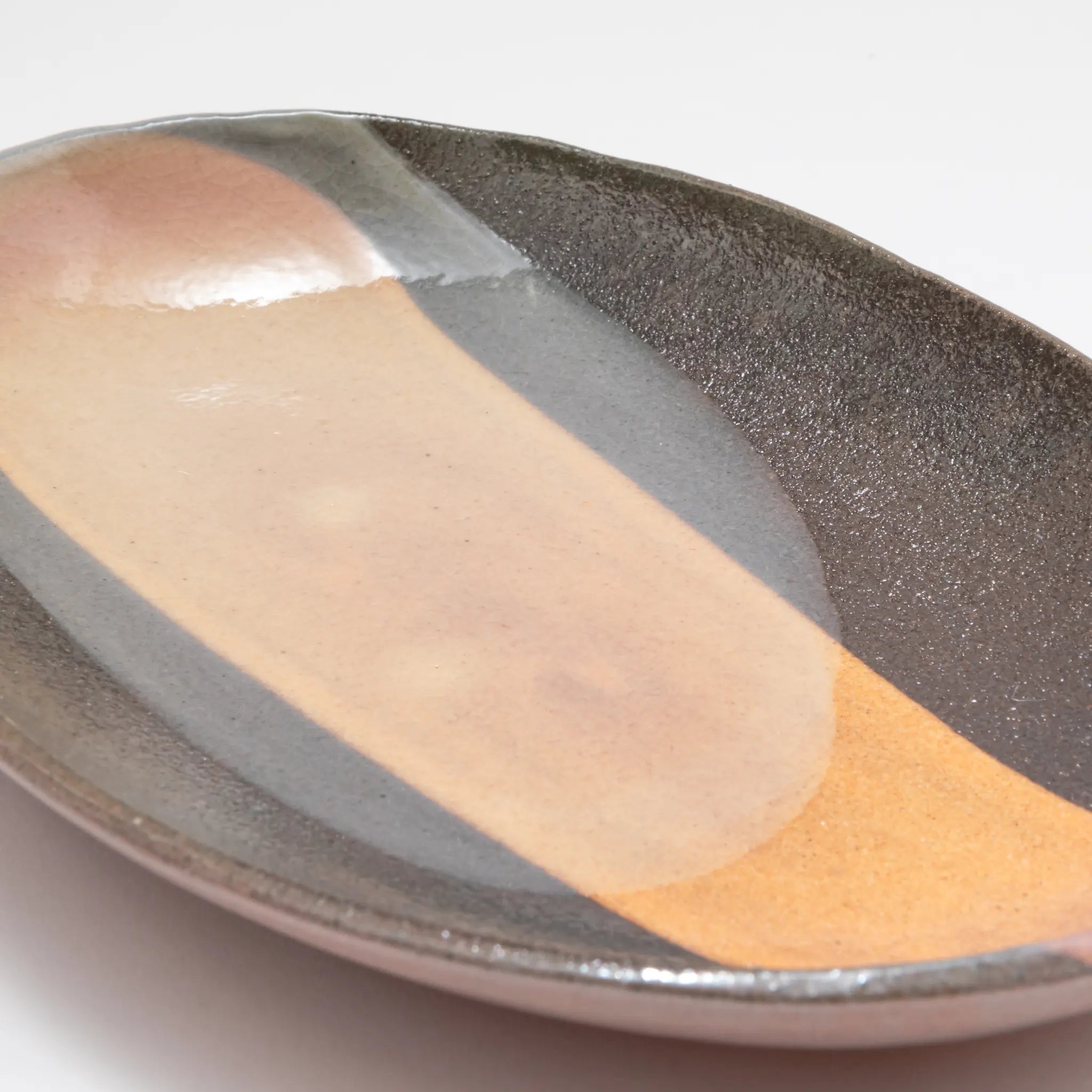
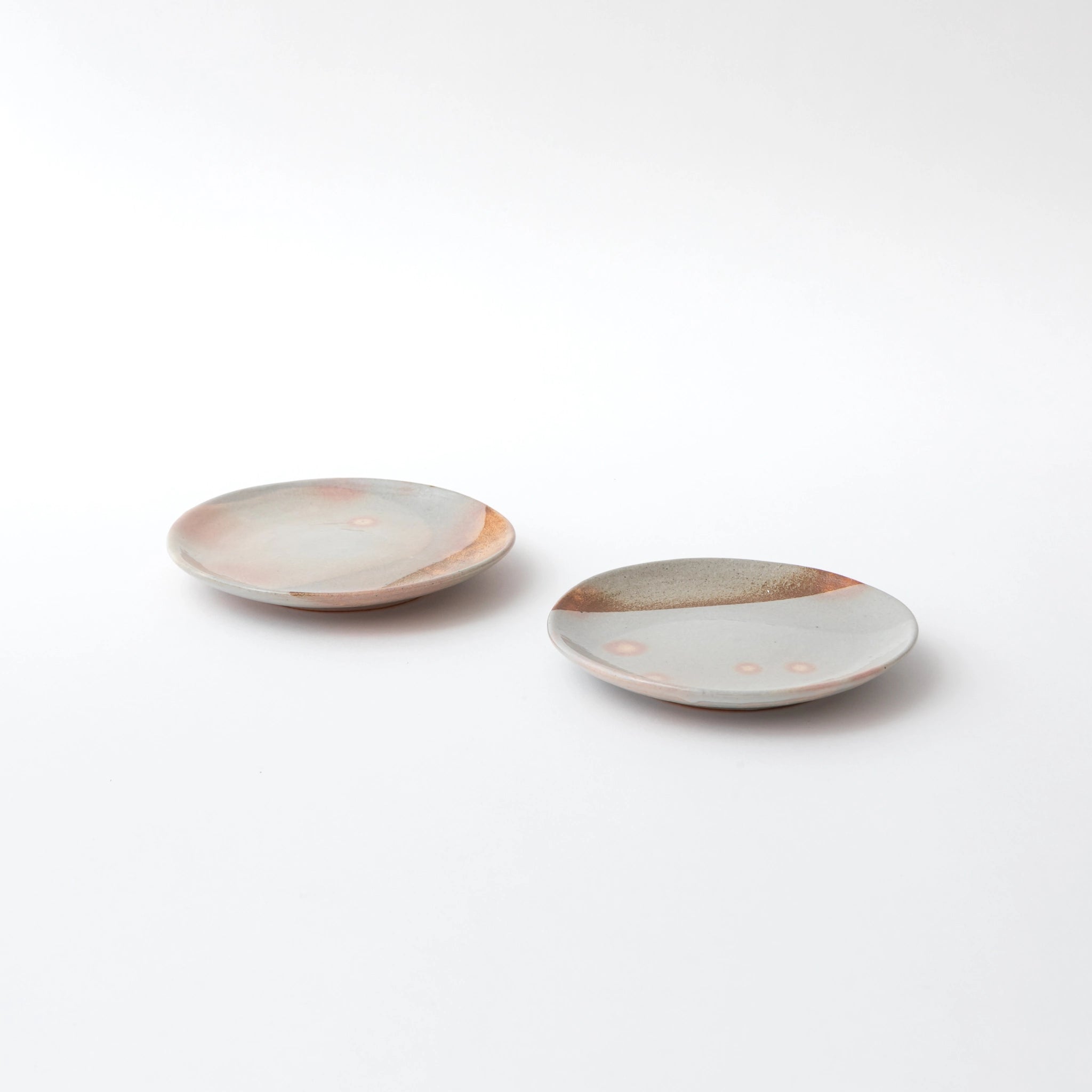
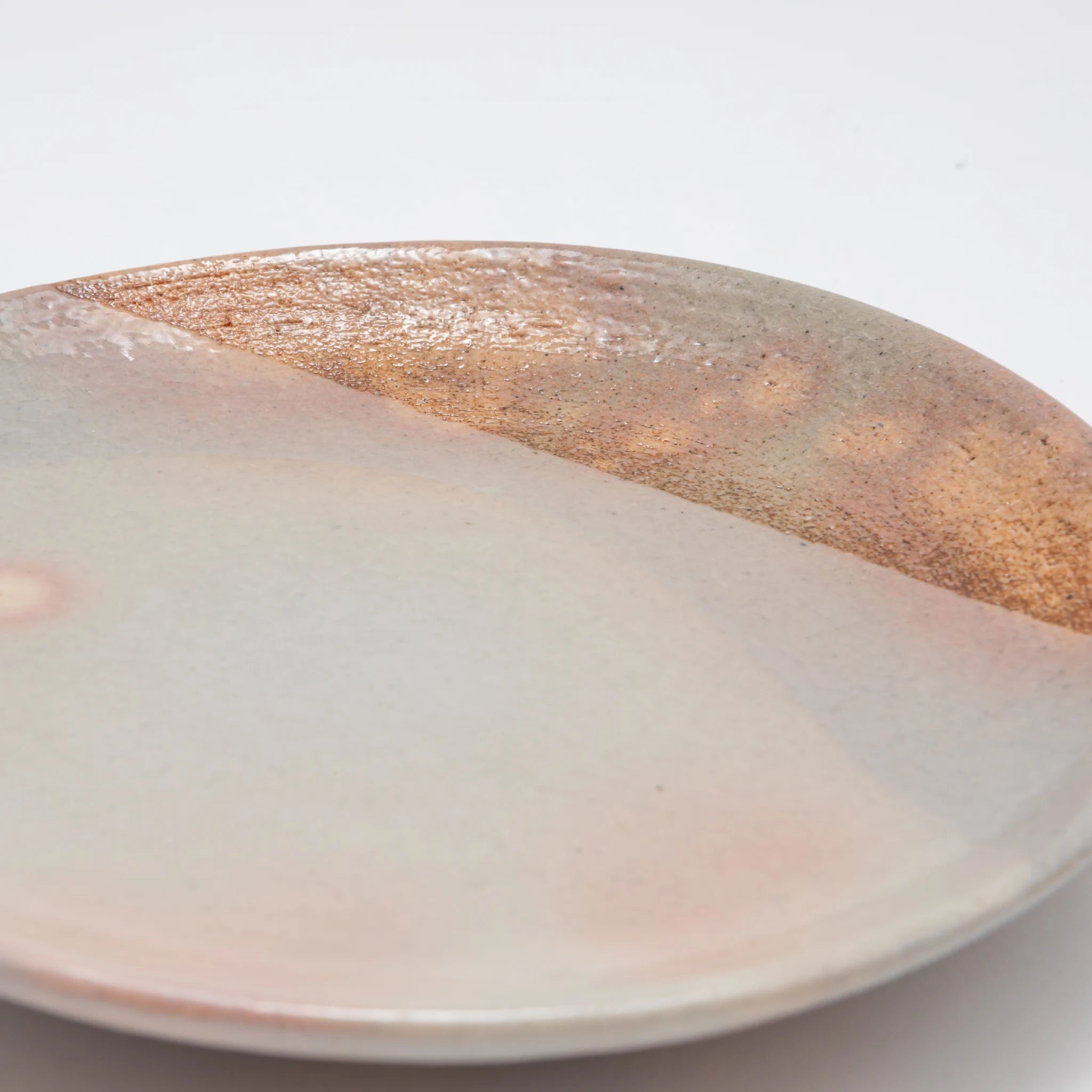
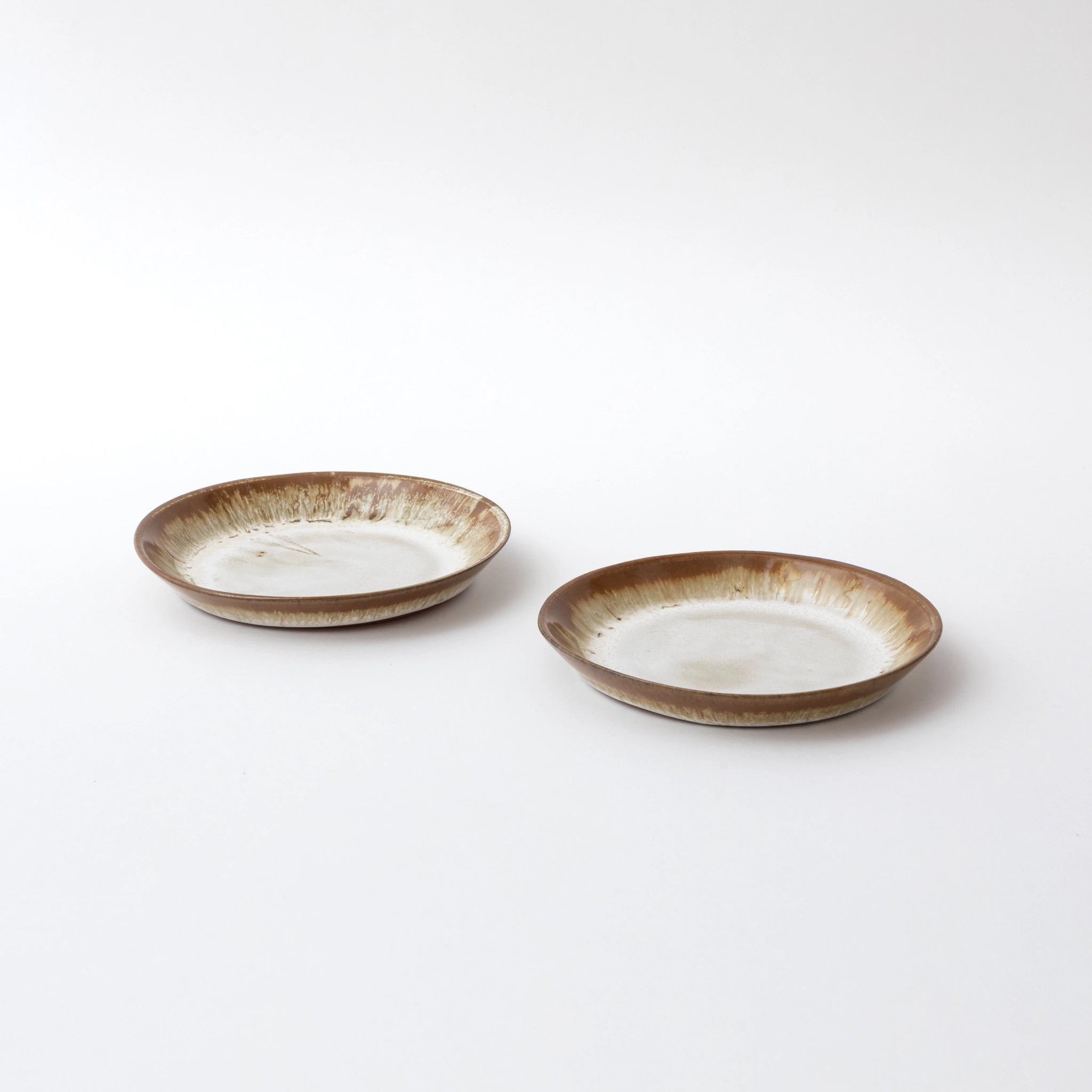
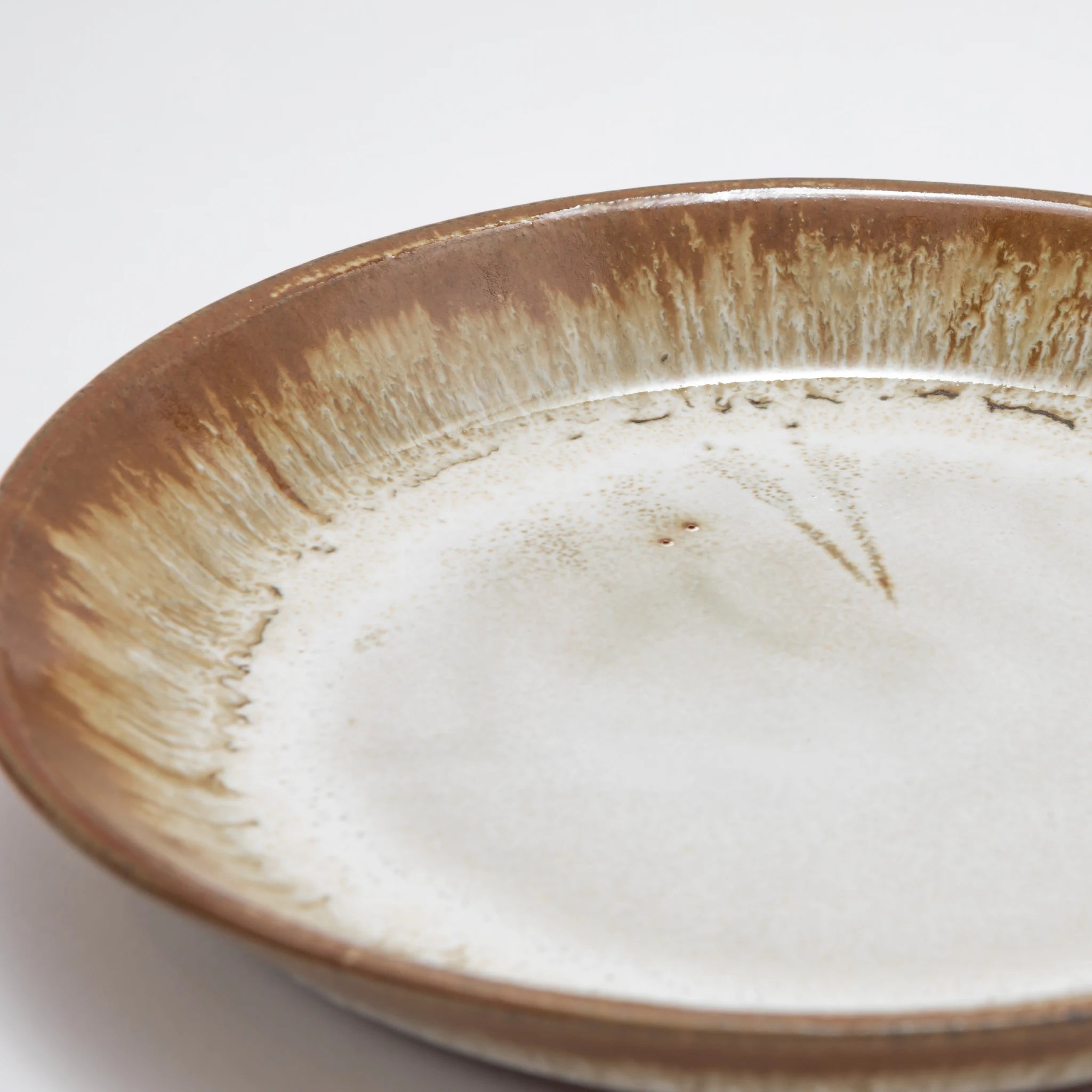
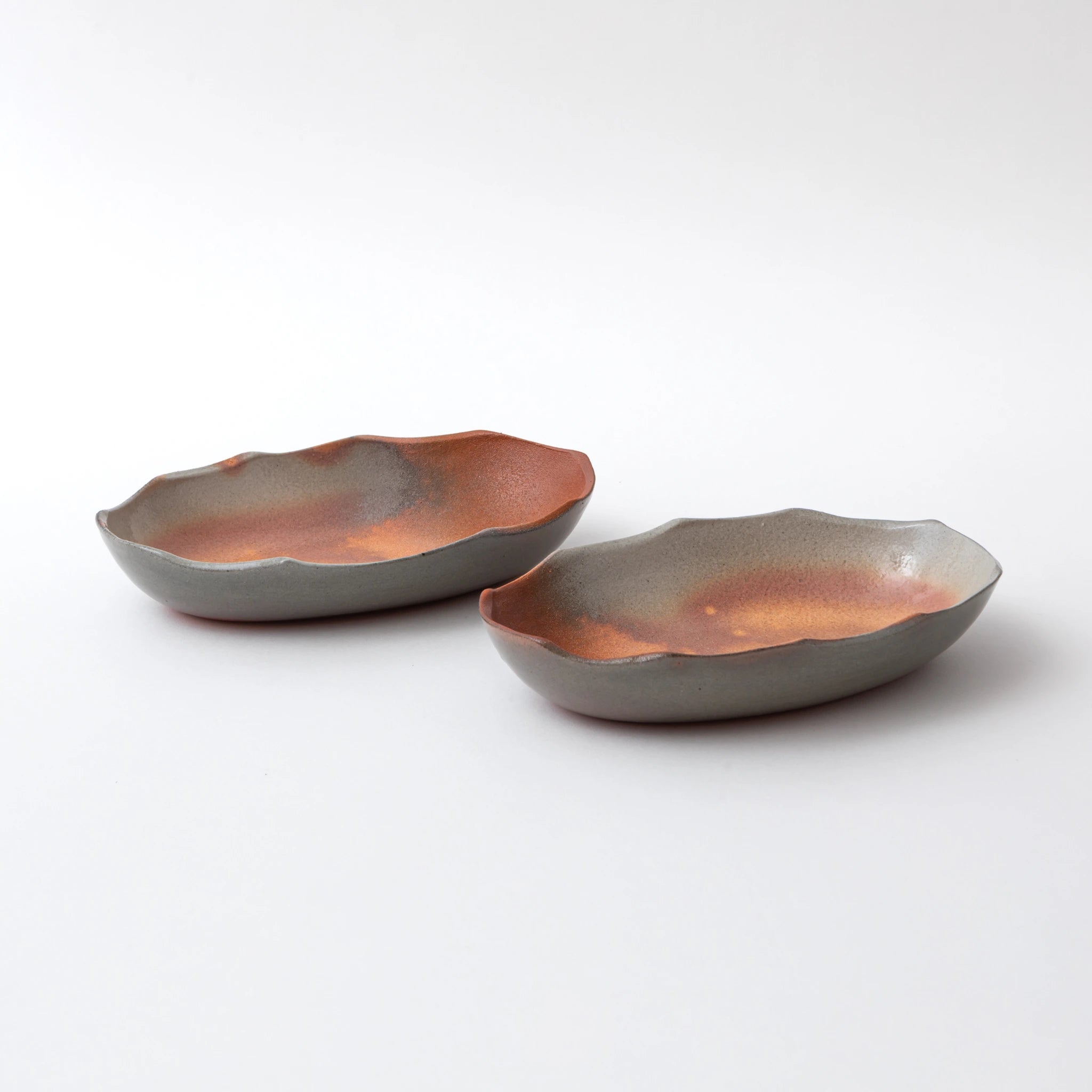
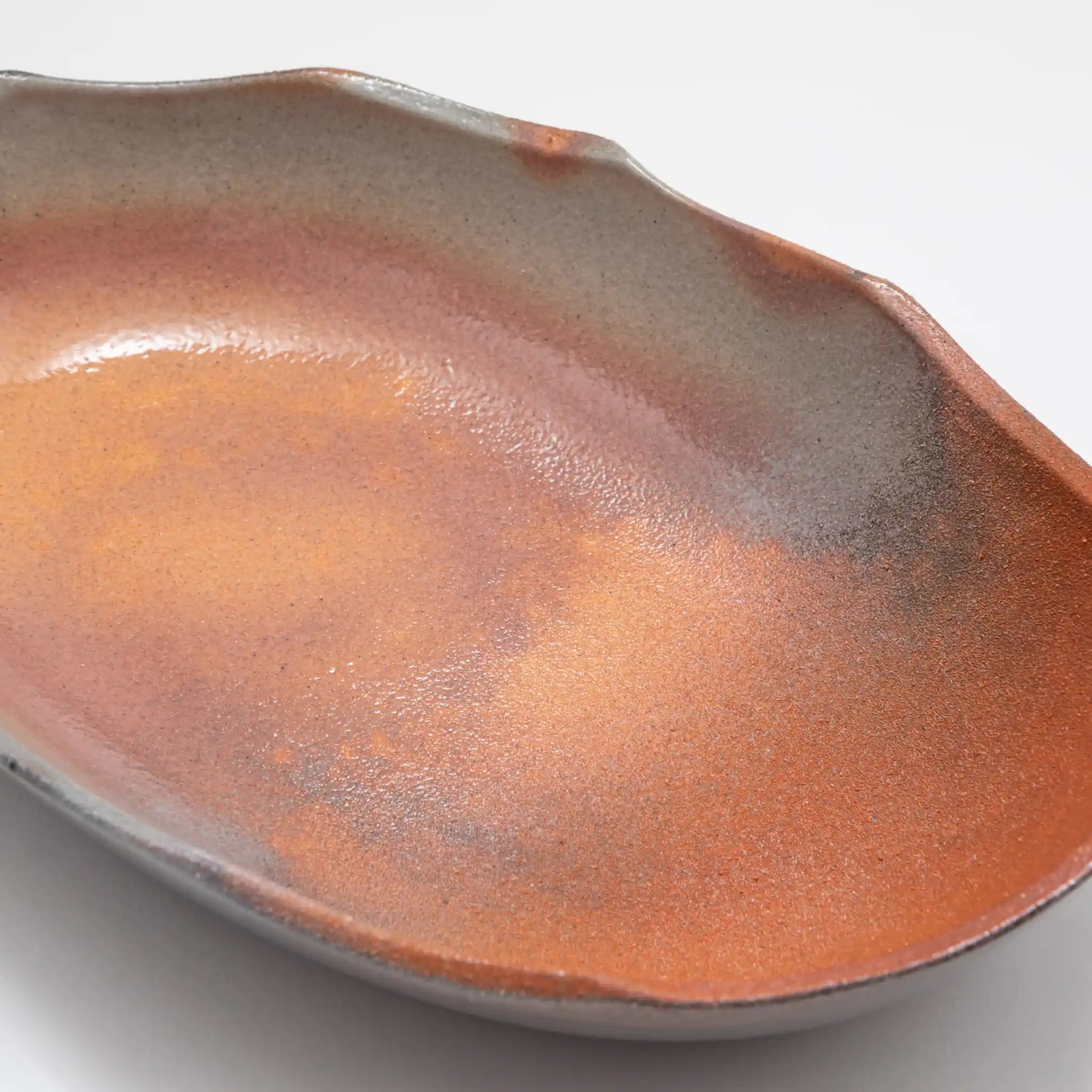
The tableware from Yamato Harunobu Shoroku Kiln makes the same case outside the tea bowl. On the kohiki plates, a lighter glaze sits over darker clay, which tends to bring the earliest kannyu into view sooner than most pieces. The wara glaze plates with iron splash start with irregular ash-glaze markings already in place, so the crackle is layering onto a pattern that existed before the piece was ever used, not starting from a blank field. And the kakewake small plates, with their split grey and copper tones, sit alongside the himon oval bowls and its natural ash glaze as two more variations on the same underlying mechanism, each one landing somewhere different.

Living with a piece that changes
Hagi ware wants slightly more attention up front than a fully vitrified stoneware. Soak a new piece in water for a few minutes before its first use, so the porous clay takes on moisture gradually instead of absorbing liquid unevenly the very first time it holds tea or matcha. Wash by hand afterward. Dry it fully before it goes back in a box or a cupboard. That last step matters more than it sounds like it should: because the clay holds moisture, a piece put away damp is one of the few ways a Hagi bowl can actually run into trouble, in the form of mustiness or staining that has nothing to do with the color change itself.

Some owners try to slow the coloring by sticking to pale liquids. Others do the opposite, using one bowl on purpose so its markings trace a single habit rather than several. Neither is more correct. The kannyu keeps taking on trace color regardless. What changes is the pace, and how evenly it spreads.

The point of the change
Go back to that first moment: a bowl looking different than it did when it arrived. On most ceramics, that reads as wear, something to slow down or minimize. On Hagi ware, it reads as the material doing exactly what it was built to do. The bowl isn't aging away from some ideal original state. It's arriving at the state it was always headed toward, shaped along the way by whoever has been using it. A year in, it looks less like something that came out of a kiln and more like something that belongs to one specific person. That was the whole point for the tea masters who ranked it centuries ago. It still is.