Article: The Art of Utsushi: What a Style Name Actually Means
The Art of Utsushi: What a Style Name Actually Means
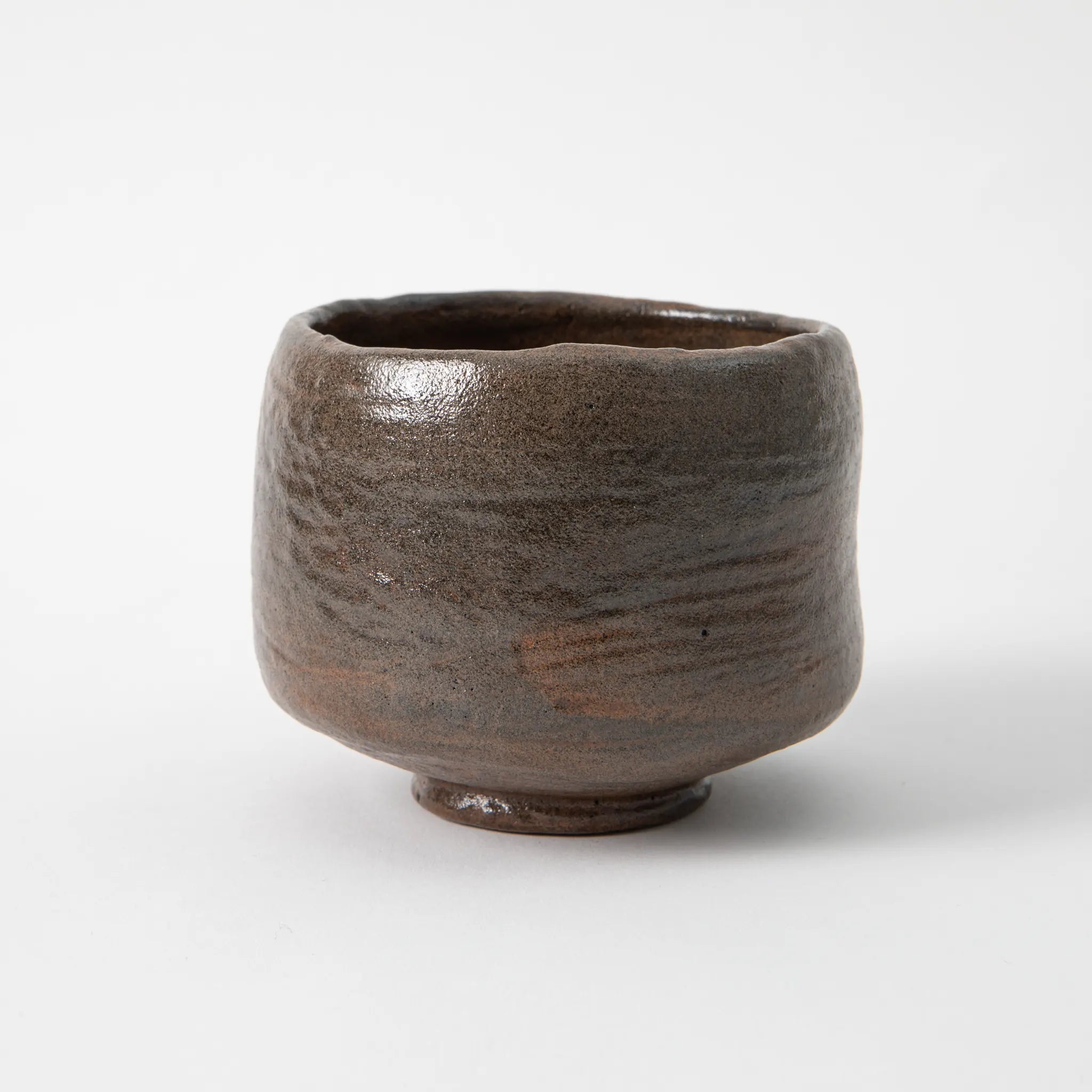
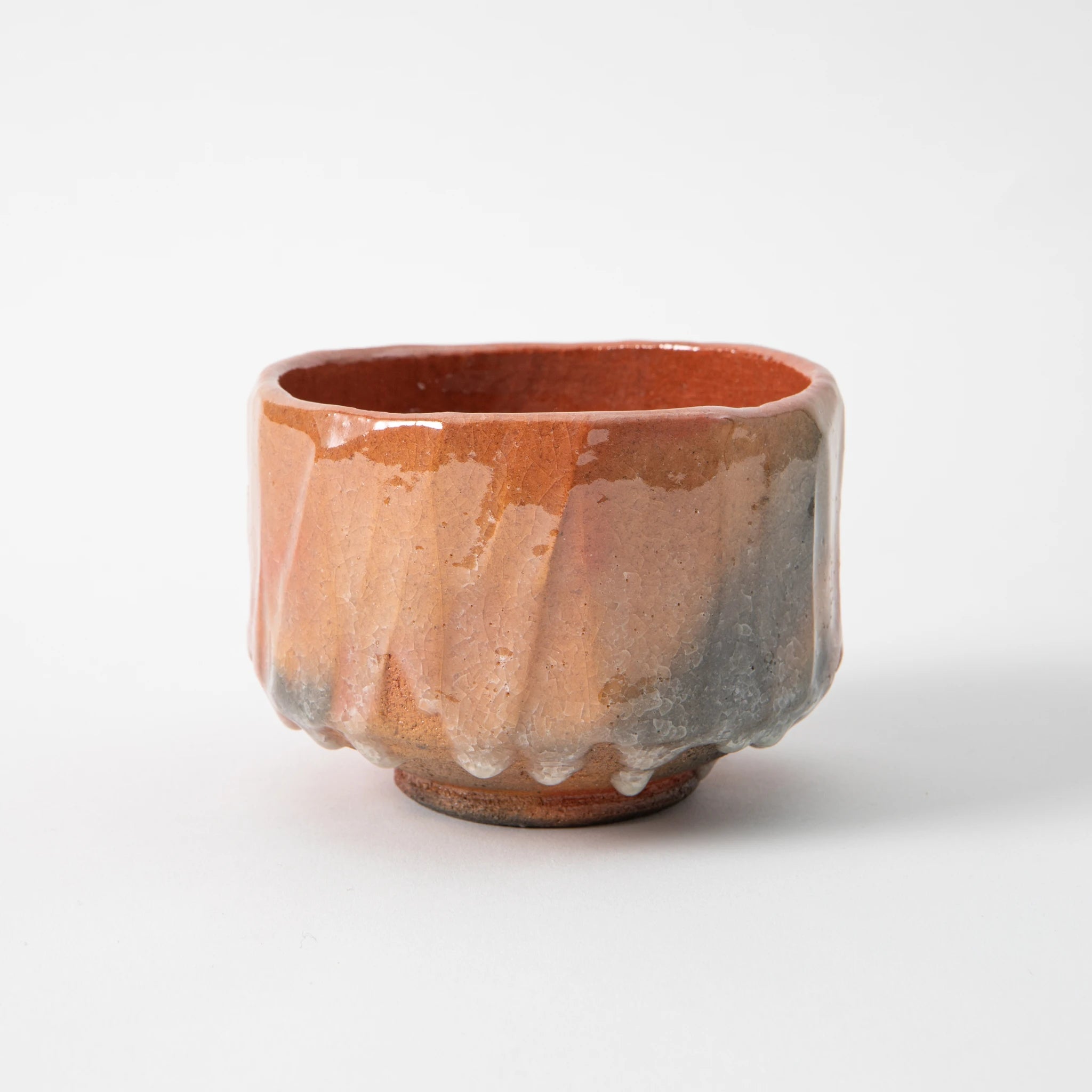
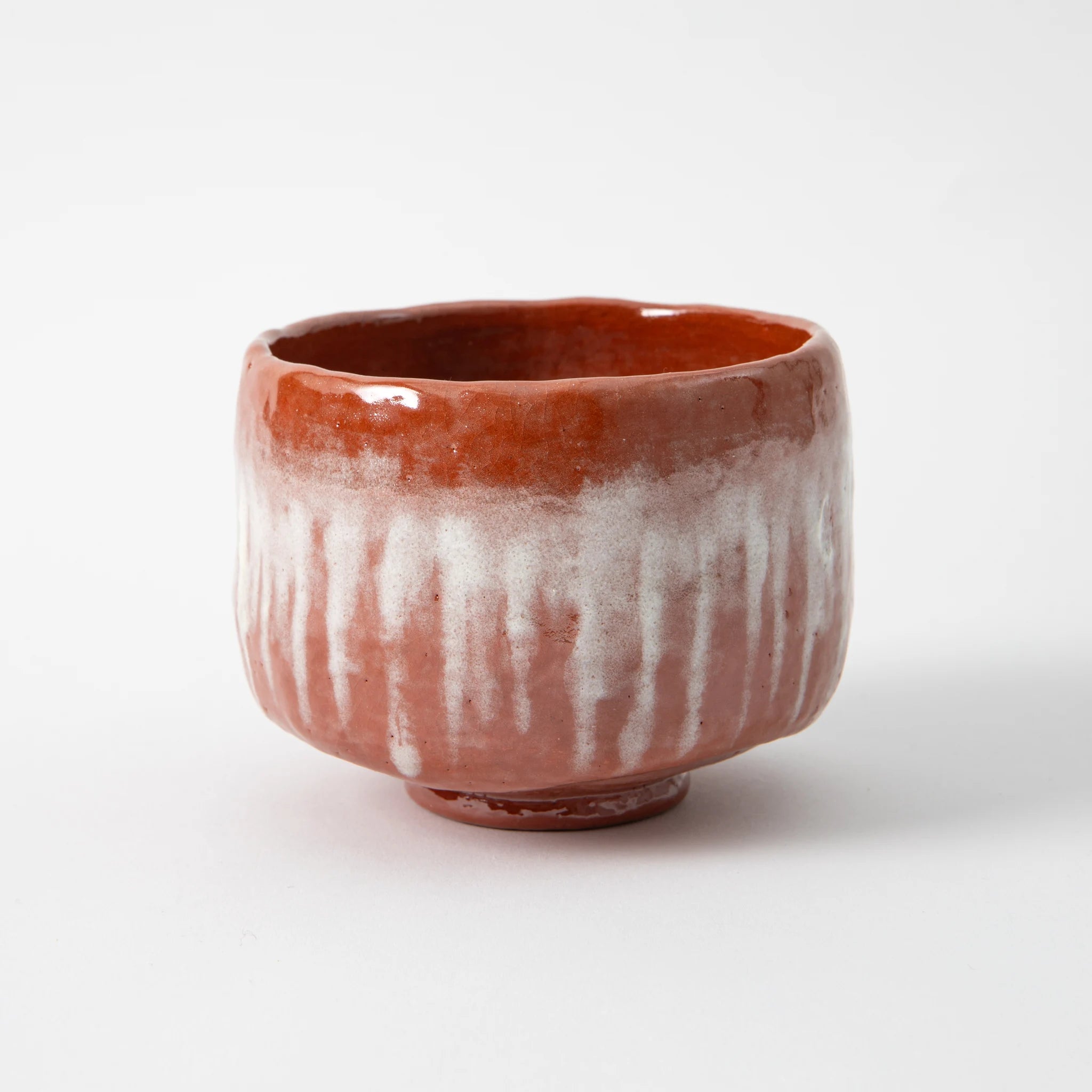
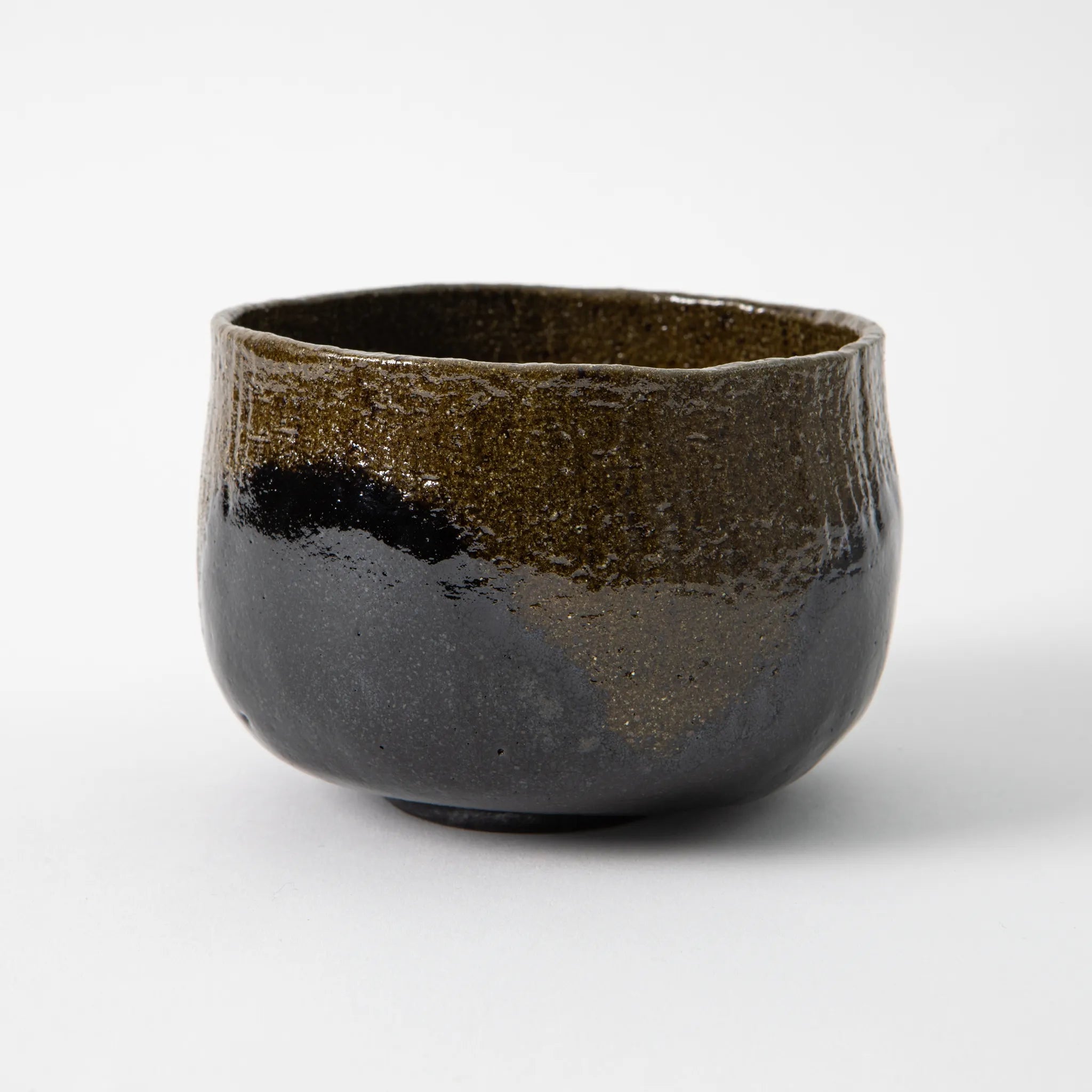
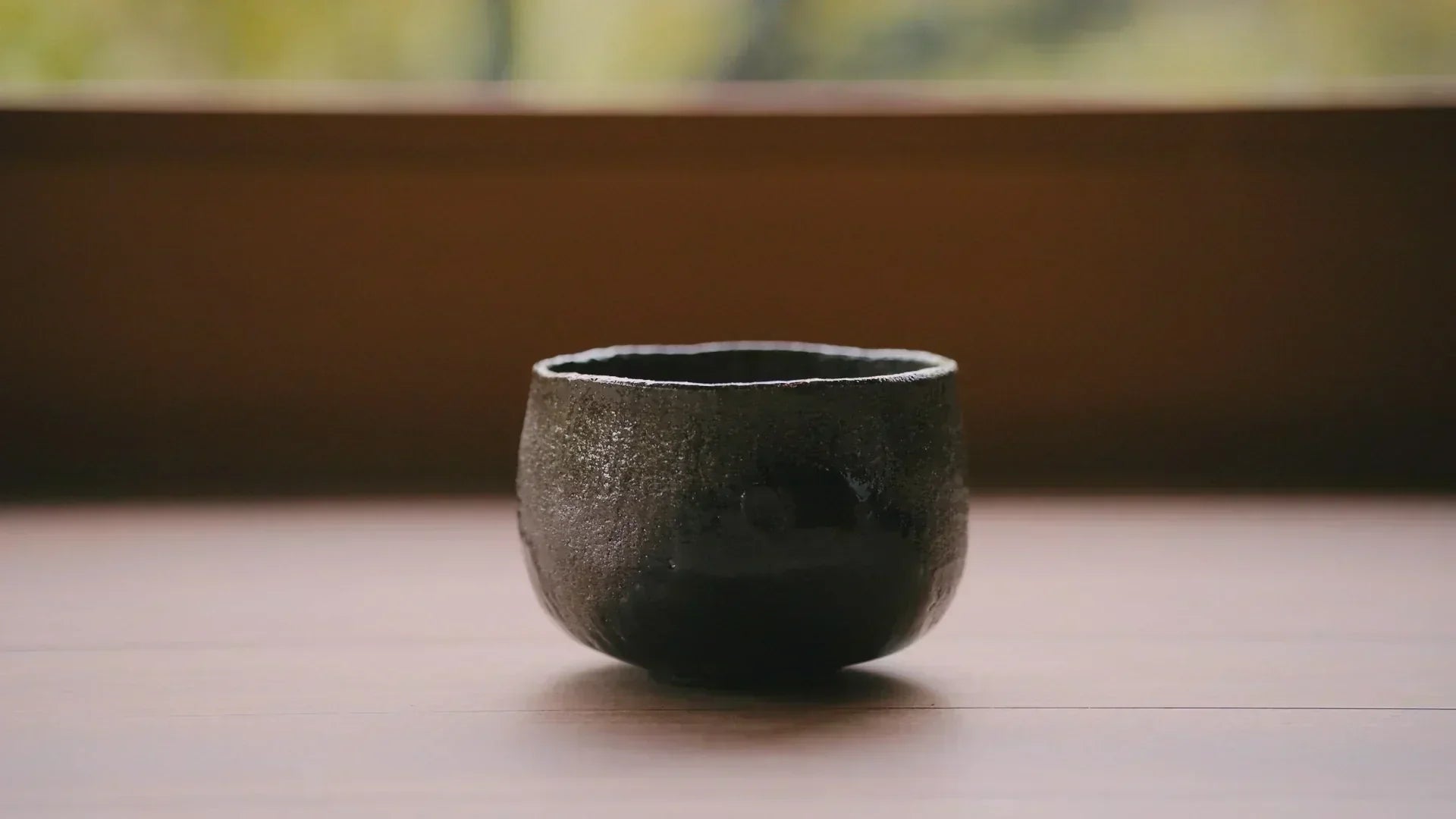
Raku firing takes minutes, not hours. The kiln is heated past its target temperature, the bowl is set inside, and the moment the glaze turns liquid, it comes back out, lifted with tongs because no hand could hold it otherwise. Black raku bowls are sometimes plunged straight into water to stop the heat where it stands. There is no slow cooling, no gradual return to room temperature the way a standard kiln firing works. The whole process is built around that one abrupt moment, heat to air, liquid glaze to fixed surface, and the bowl that comes out carries the evidence of it: the drips that stopped mid-fall, the clay left bare where the glaze pulled back. It is also why raku bowls are hand-built rather than thrown. A wheel produces a form that wants to be perfect. Raku ware has never wanted that.
So when a bowl is labeled "Chojiro style" or "Koetsu style," it can sound, to someone encountering the term for the first time, like a replica built to mimic something behind museum glass. In the vocabulary of Japanese craft, these pieces are called utsushi, and the word gets flattened into "copy" or "imitation" in English more often than it deserves.

Utsushi Is Not a Copy
An utsushi is not an attempt to pass work off as an older piece. What separates it from forgery is intent and disclosure: a maker producing an utsushi is honing their own technique, showing deliberate respect for an earlier maker, or carrying a valued form forward, and genuine utsushi work carries its own maker's mark, signature, or accompanying box, so it's clear who actually made it and when.
The convention isn't unique to raku. A piece called Nisei utsushi is made in the manner of the 17th-century potter Nonomura Ninsei; Kenzan utsushi follows Ogata Kenzan. In each case, the maker isn't attempting a line-by-line reproduction. They work from the earlier maker's essential characteristics, glaze behavior, typical form, a signature irregularity, and build something new inside that vocabulary.

Three Masters, Three Approaches
Chojiro worked in Kyoto in the second half of the 16th century, making red and black tea bowls at the direction of Sen no Rikyu, the tea master who defined wabi-cha, a style of practice built around restraint rather than display. His hand-built bowls rejected the flawless symmetry of the imported Chinese and Korean ceramics tea practice had relied on before, choosing weight and an unornamented presence instead. Chojiro became the first head of the Raku Kichizaemon family, a hereditary line that still supplies tea utensils to Japan's major tea schools today.
Hon'ami Koetsu came roughly half a century later. His family's hereditary trade was sword appraisal and polishing, not ceramics; calligraphy, lacquer work, and pottery were pursuits of his own. Working outside the Raku family's formal training but alongside its second and third heads, he handled glaze with a freedom their own hereditary output doesn't always show, letting it pool thick in some places and thin to almost nothing in others, the raw clay showing through where it pulled back. One of his black raku bowls, known as Shigure, is held today as an Important Cultural Property.
Sonyu became the Raku family's fifth head about a century after Chojiro, in the Genroku era, a period Japanese art generally remembers for ornament and color. He didn't follow it. His work turned back toward Chojiro's original austerity instead, a choice that reads, a few centuries later, less like nostalgia and more like an argument: that restraint doesn't go out of date just because a moment prefers otherwise.

Where Contemporary Kilns Fit In
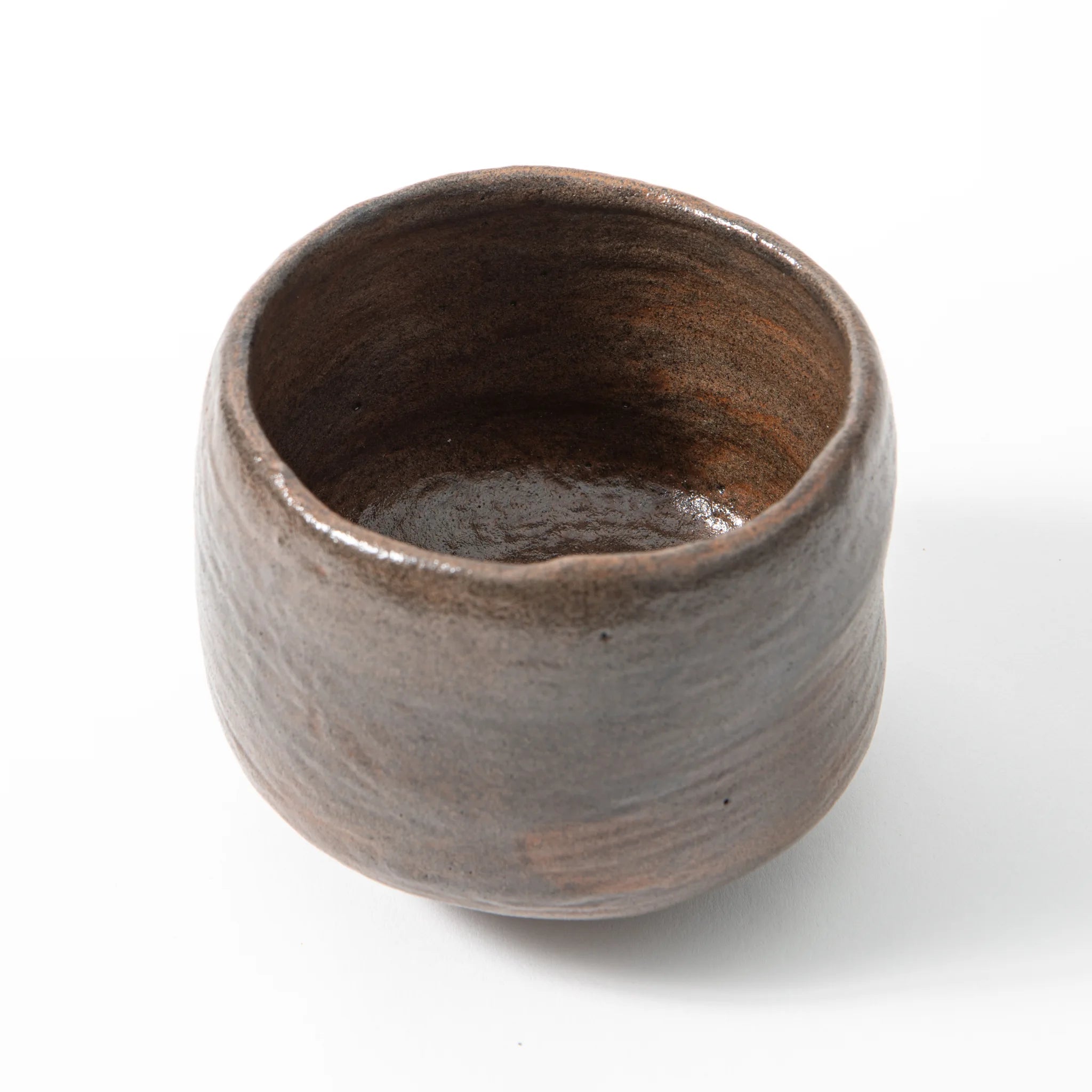
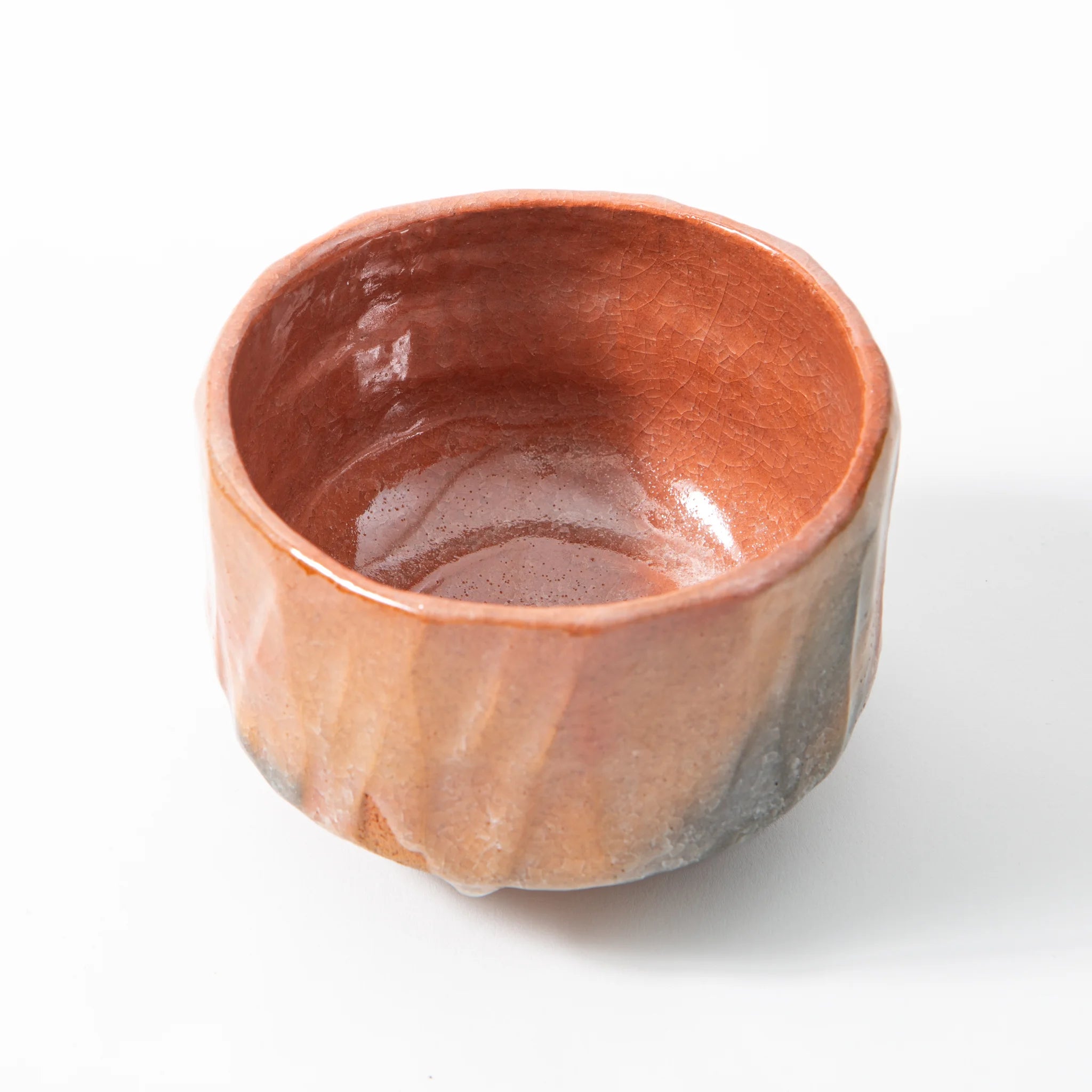
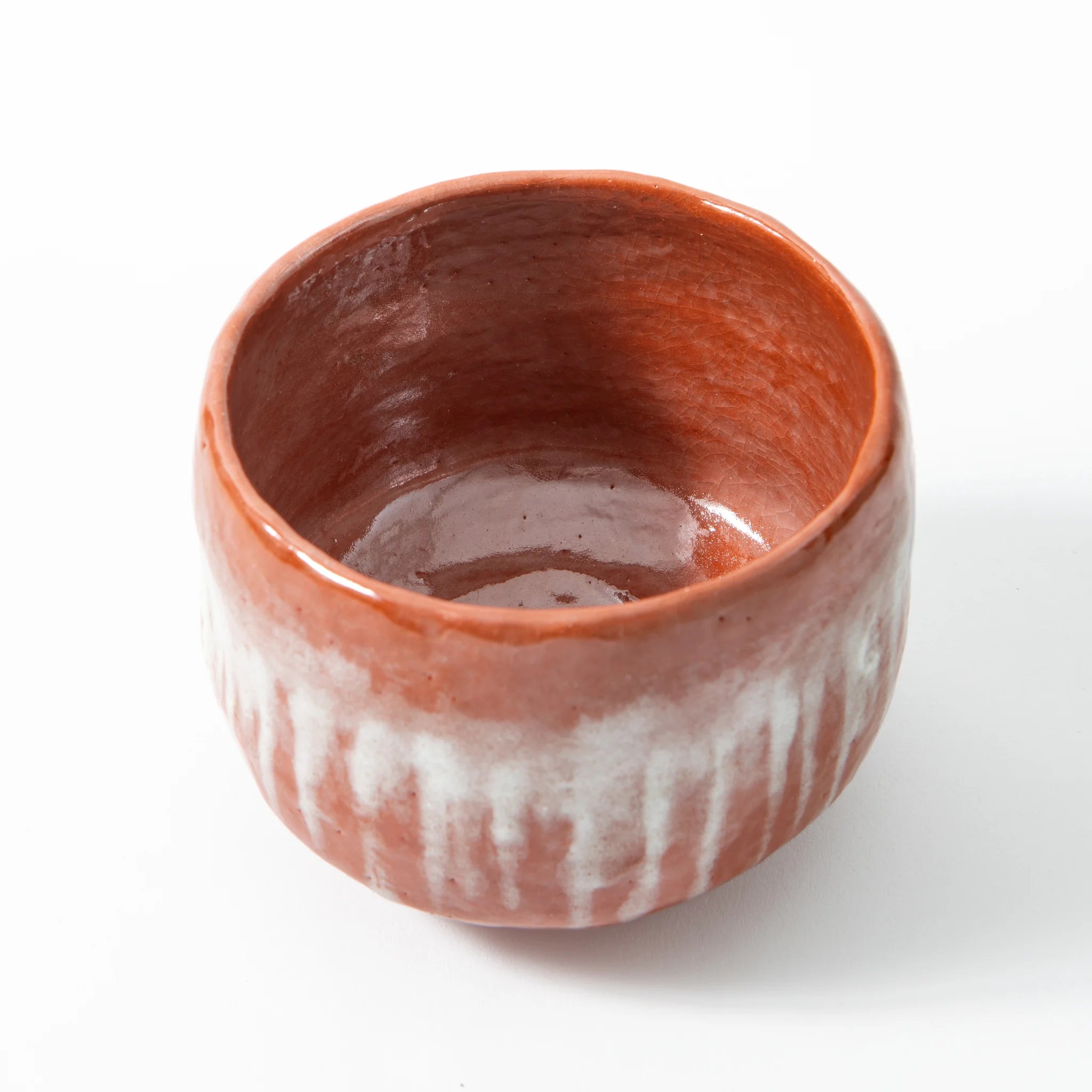
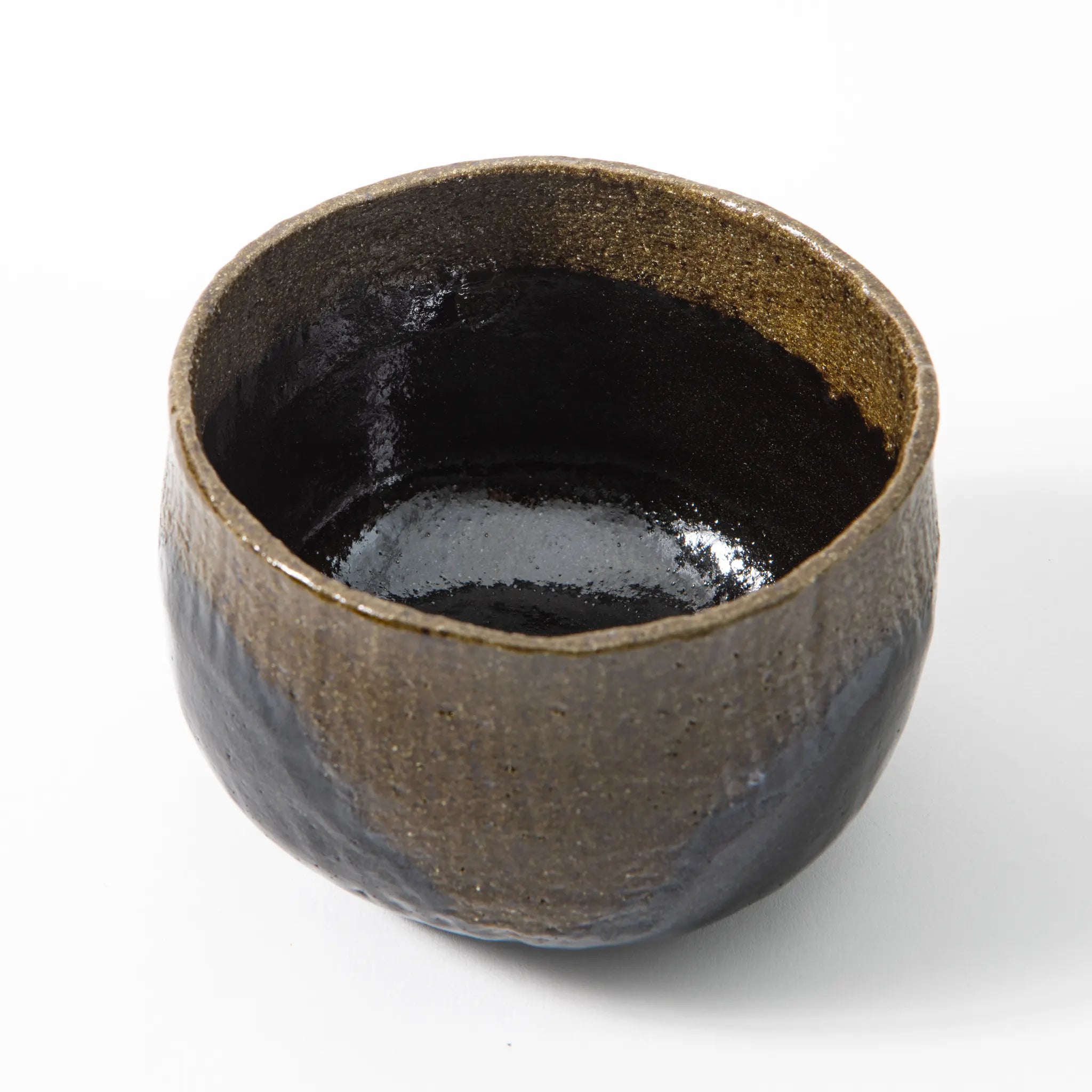
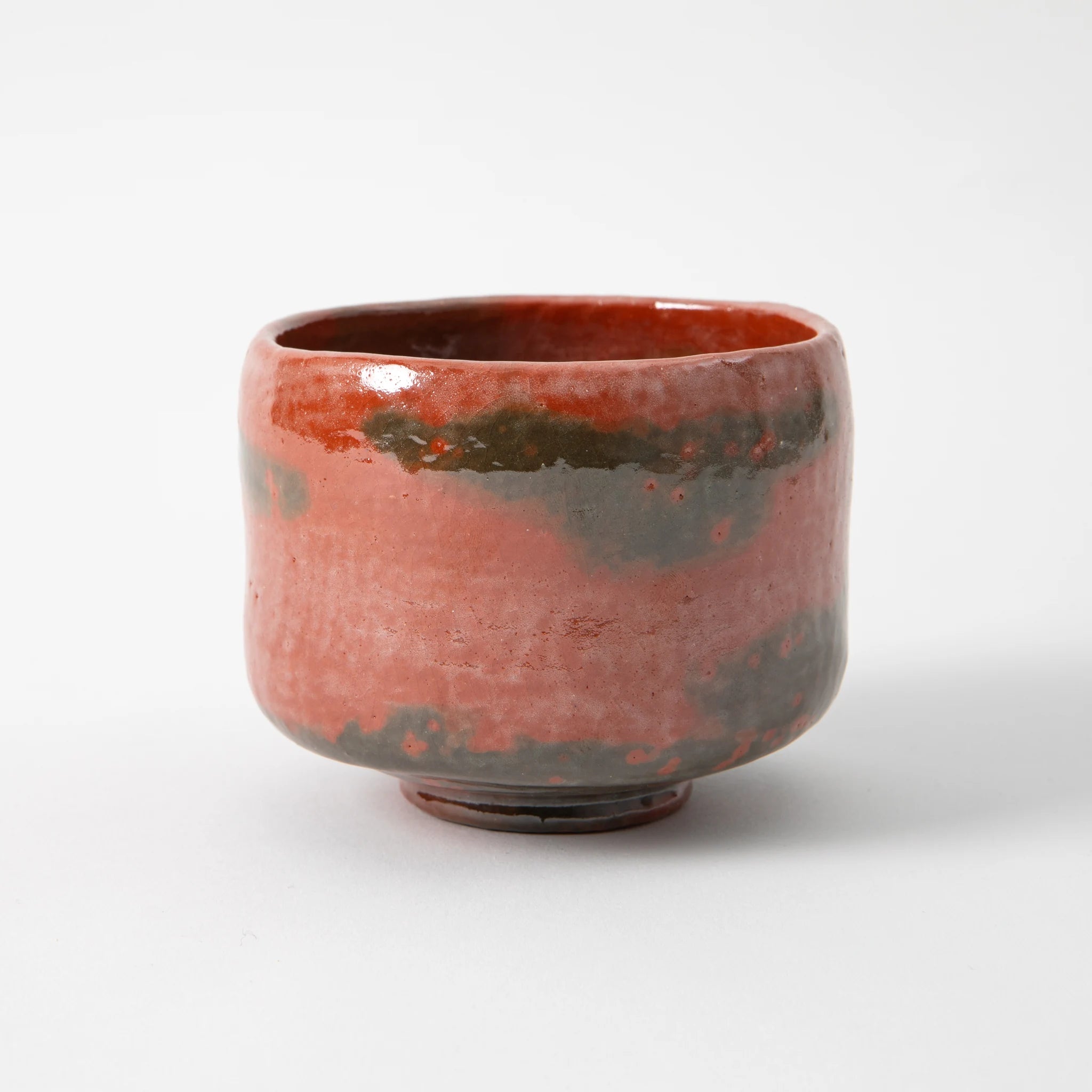
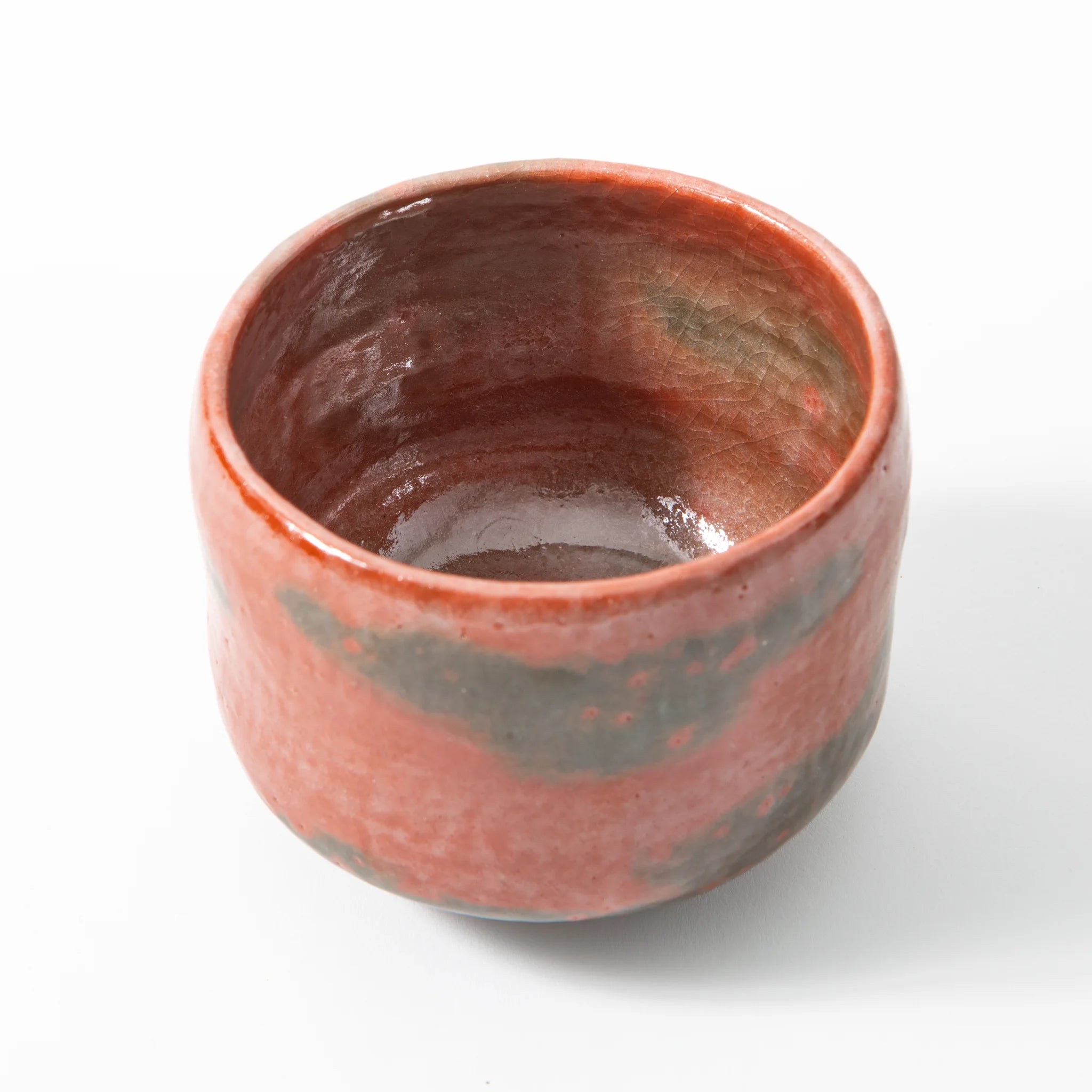
Shoraku Kiln, a Kyoto workshop founded in 1905, has made tea bowls for chanoyu since its founding, and produces bowls in each of these three idioms. The Chojiro Kamuro style takes the cylindrical, deliberately uneven form of his earliest work, glazed iron-dark and shifting to warm brown where the fire has marked it. The Koetsu Shigure style follows the half-cylinder shape and flat-finished rim of his known bowl, glaze thinning unevenly across the surface the way his did. The Sonyu Hanaikada style holds a low, settled red raku form with the same unplanned surface variation his later work is known for.
None of the three is a reproduction of a museum piece sitting somewhere under glass. Each is a contemporary kiln's argument, made in clay, about what a particular historical maker's approach to form and glaze actually consisted of.

Choosing Between Them
Lineage tells you what to expect: Chojiro's severity, Koetsu's unpredictability, Sonyu's return to restraint. It doesn't replace the practical questions that decide which bowl actually suits daily use, the weight in the hand, how the interior shape meets a whisk, how the rim feels against the mouth. Knowing which maker's approach a bowl is built from is simply a more informed way to tell two raku bowls apart than judging them by color or price.