Skip to product information
1 of 4
Shoraku Kiln

Chojiro Jirobo Style Red Raku Matcha Bowl

Chojiro Jirobo Style Red Raku Matcha Bowl

Regular price $338.00 USD
Regular price Sale price $338.00 USD
Sale Coming Soon
Shipping calculated at checkout.

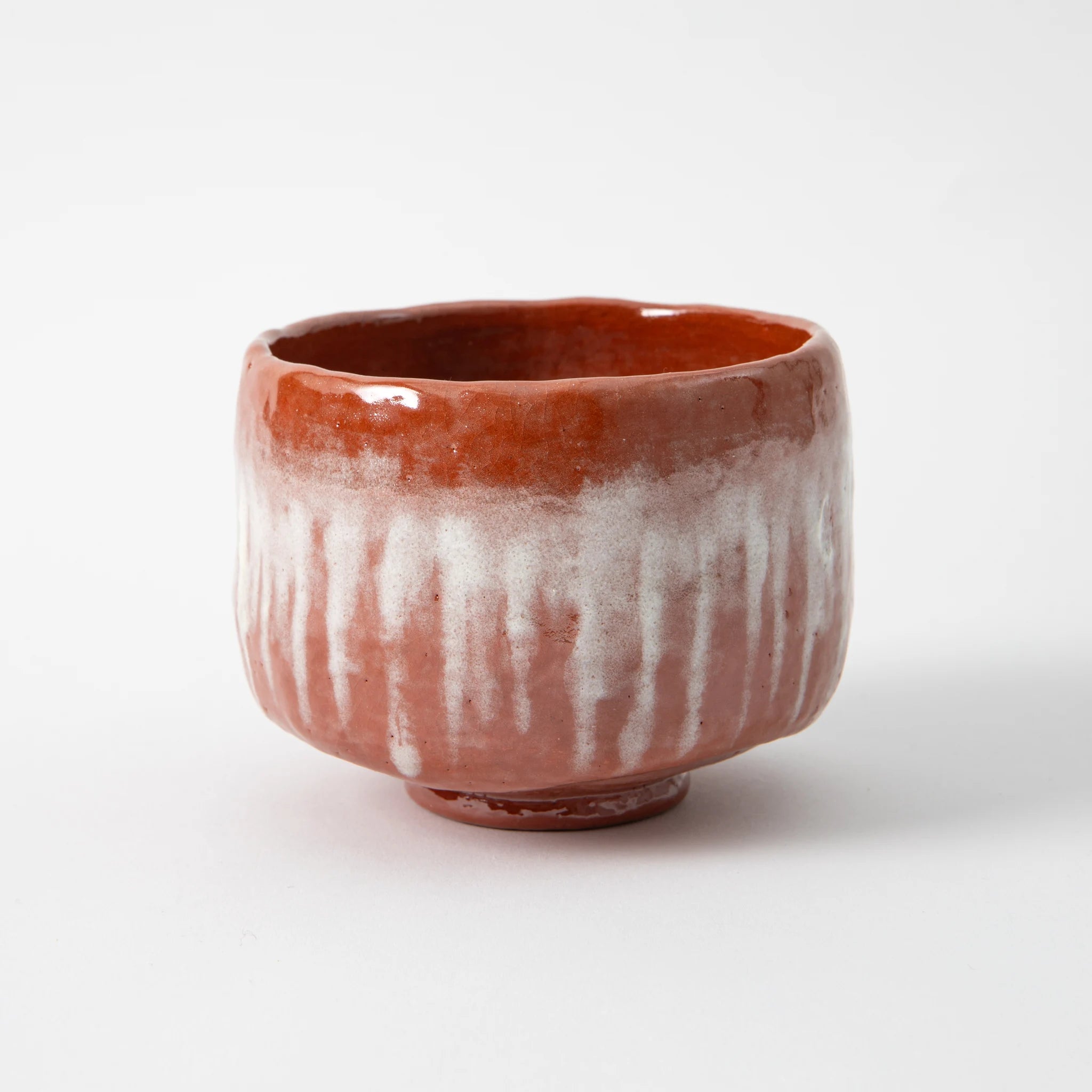
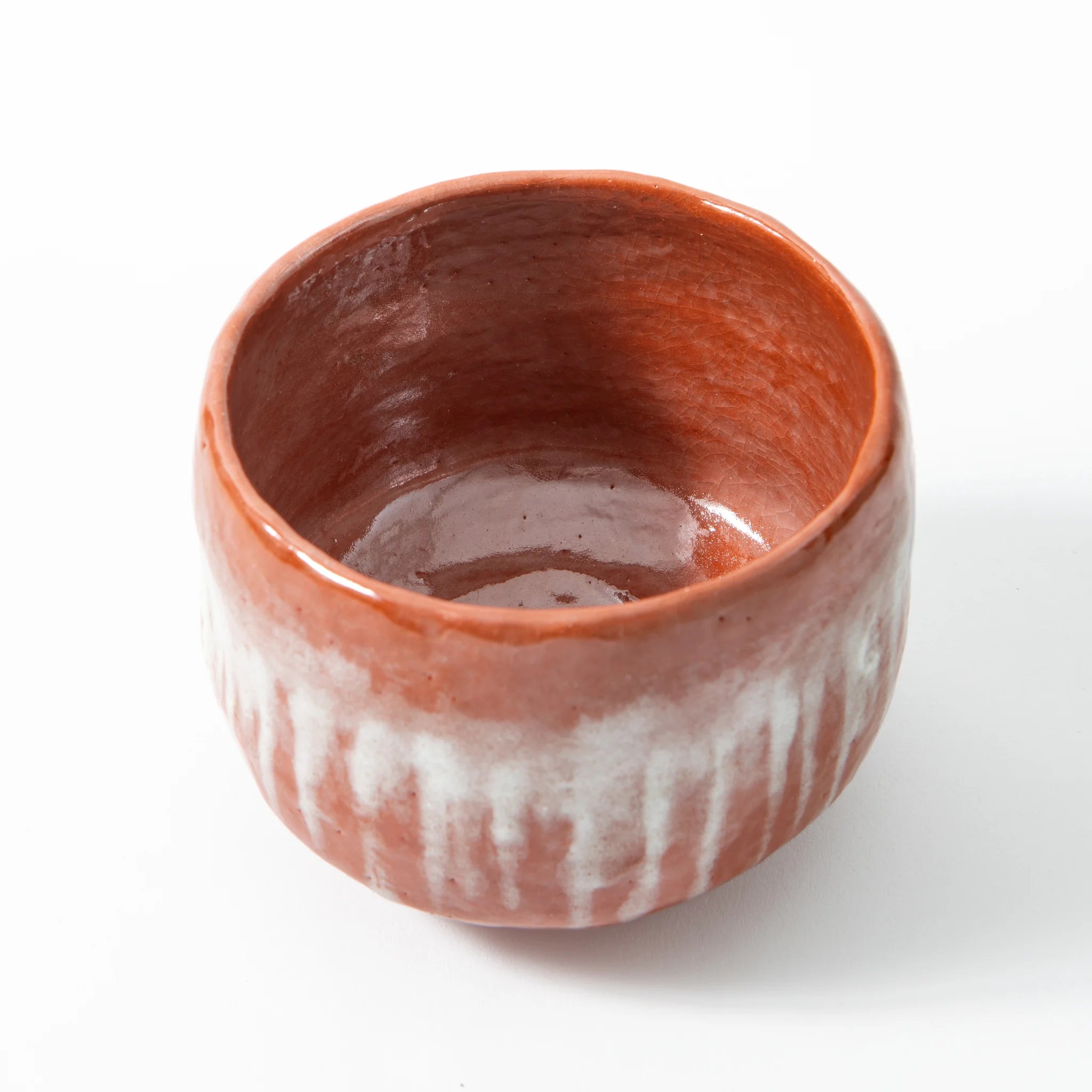
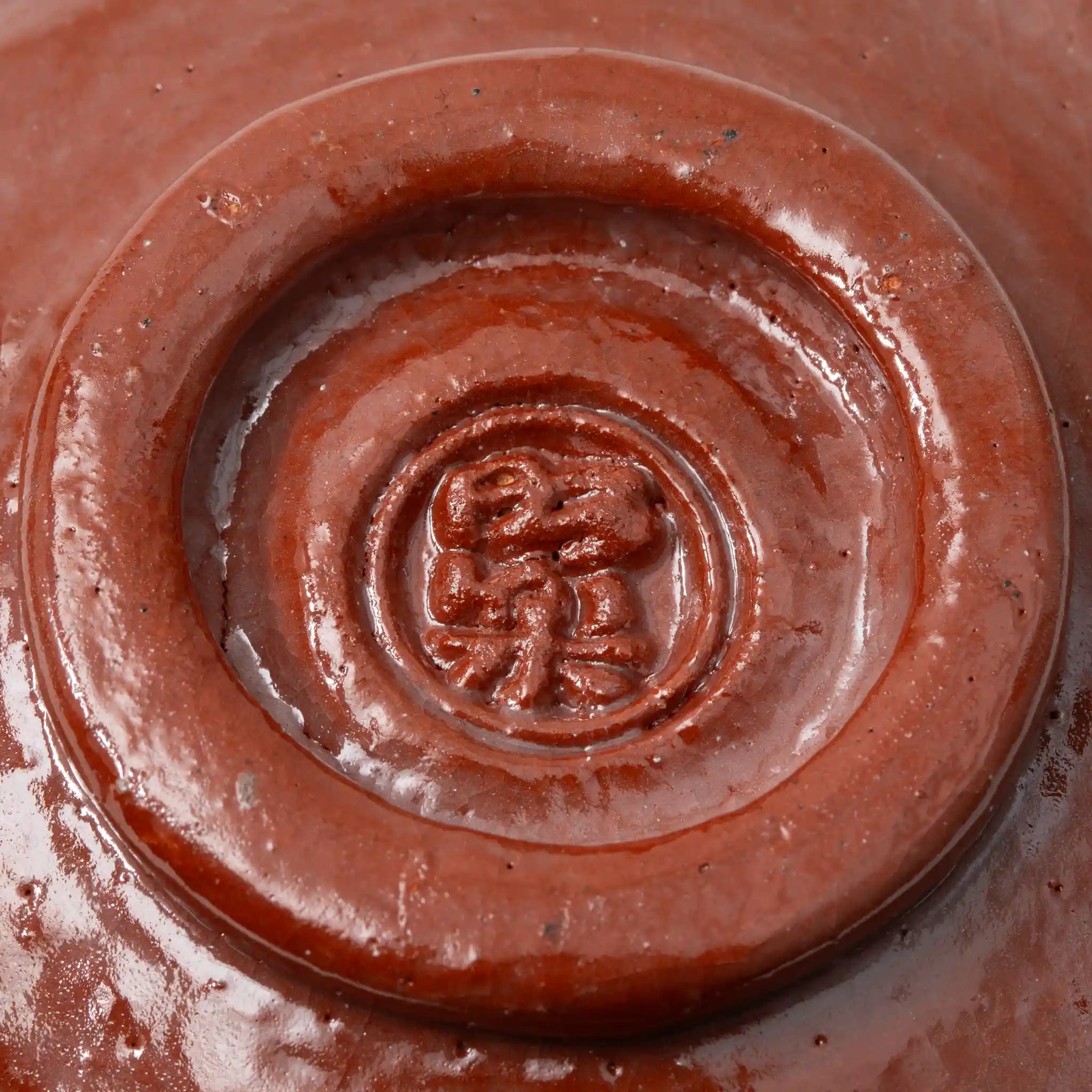
Jirobo is one of the named red raku chawan attributed to Chojiro, and its character lies in the way the form holds itself. The body rounds fully at the waist before the rim draws inward with a contained, considered restraint. One side of the rounded body is subtly tightened, a deliberate asymmetry that keeps the eye moving without announcing itself. A ridge at the mid-body pulls the form inward at that point, giving the silhouette a quiet articulation. The interior is deep, with a shallow well at the center that gathers the tea. This chawan by Shoraku Kiln works within that form, its surface finished in deep terracotta red with white glaze descending in vertical passages across the exterior, a bowl shaped by the red raku tradition that Chojiro established in 16th century Kyoto under the influence of Sen no Rikyu.

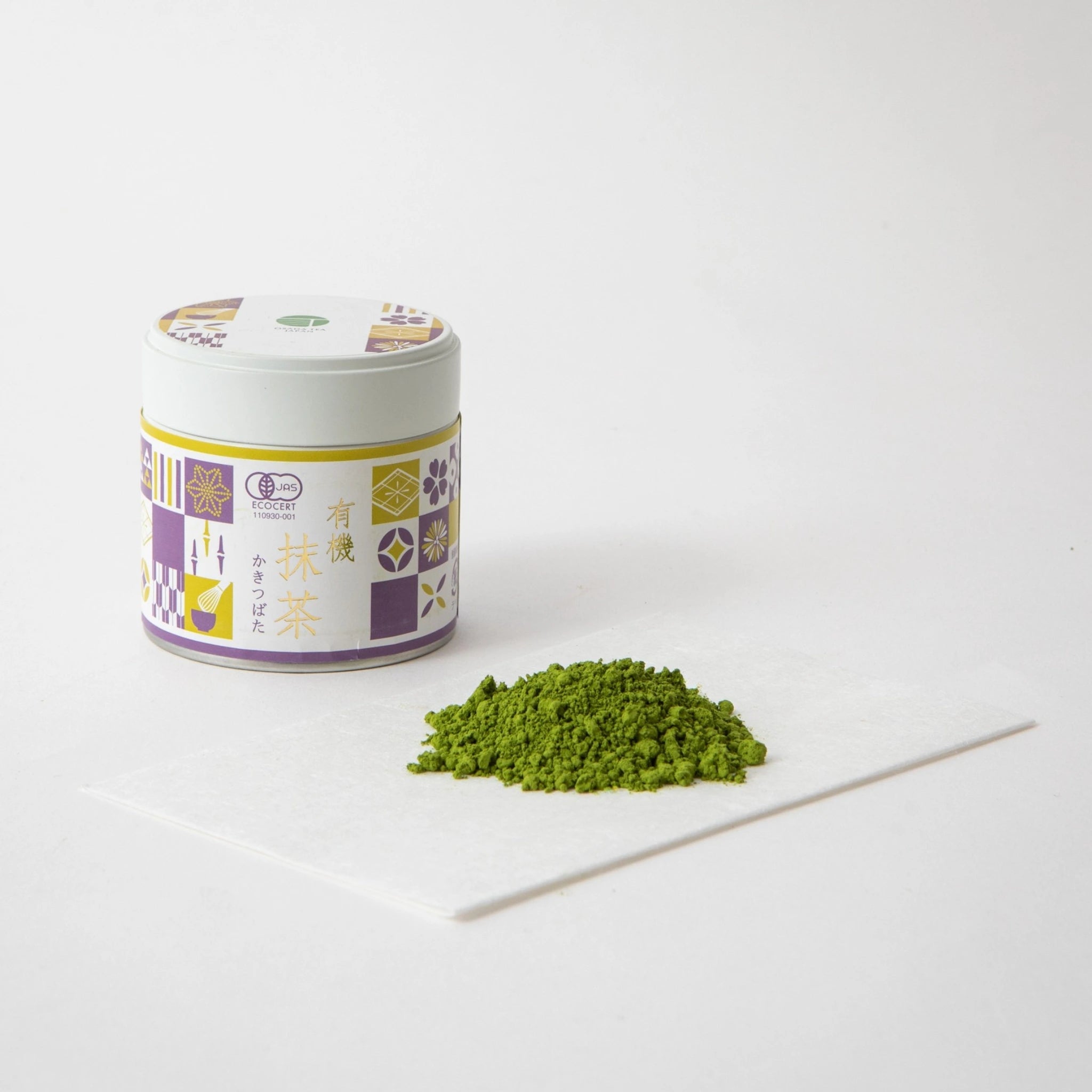
This bowl is accompanied by OG Matcha Kakitsubata from Osada Tea, selected to complete the tea experience.

Detail

Bowl Size: Approx. W 4.1in x L 4.1in x H 3.5in / W 10.5cm x L 10.5cm x H 9cm
Material: Ceramic

(OG Matcha Kakitsubata)
Ingredients: OG Matcha (Green Tea Powder)
Cultivar: TEA MASTER BLEND
Duration of tea leaf sun-shaded: 20~25 days
Harvest: Spring (First Flush)
Farm: Tenryu, Kirishima, Miyazaki
Region: Shizuoka, Kagoshima, Miyazaki, Japan
Expect Annual Production: 10,000kg / 22,046 lbs
Manufacturer: OSADA Seicha Co., Ltd.
Steaming: Light
Roasting Level: 9
Bead mill: Yes
Grade: Ceremonial, Culinary
Caffeine Level: Medium
Origin: Made in Japan with Japanese Material
Package Size: W 2.4in x L 2.4in x H 2.4in / W 6cm x L 6cm x H 6cm, 30g / 1.06oz
Keeping Method: Best within 30 days after opening

Each piece is individually handmade, and dimensions, glaze, and surface finish will vary between pieces. Variation in color and appearance from images shown is inherent to the handmade nature of the work and does not constitute a defect.

Care & Use

Bowl

  • Do not soak the ceramics for extended periods, as this may weaken the material.
  • Do not expose the ceramics to sudden temperature changes to prevent cracking.
  • Hand washes only. 
  • Use mild detergent when needed. Clean with a soft sponge and mild detergent. Avoid abrasive cleaners that can scratch the surface.
  • Do not use in the microwave.
  • Ensure the item is completely dry before storing to prevent mold or mildew.
  • Regularly check for cracks or chips before use.
  • Handle ceramics with care to avoid accidental drops or impacts.

Matcha storage

  • Keep unopened packages in the refrigerator or freezer.
  • After opening, store in a cool, dark place away from direct sunlight or humidity.
  • For optimal flavor, use within one month after opening.

Basic Preparation

  • Whisk about 2g in 70ml of hot water at approximately 176°F (80°C).
View full details

Born of Tea, Shaped by Hand, Fired in a Single Breath

Raku ware holds a place unlike any other in Japanese ceramic history. Where most traditions evolved gradually from utilitarian origins, Raku was conceived from the outset with a single purpose: to serve the tea ceremony. In the late 16th century, tea master Sen no Rikyu commissioned a Kyoto tile maker named Chojiro to produce bowls that would embody his wabi-cha aesthetic, the idea that the highest beauty is found not in ornament but in stillness and restraint. What Chojiro created became the foundation of a tradition unbroken for over 450 years.

Two qualities define Raku ware above all others. The first is forming entirely by hand without a wheel, leaving the subtle pressure of the maker's fingers in the clay. The second is firing at unusually low temperatures before drawing the piece from the kiln while still hot, cooling it in open air. This produces the deep, unrepeatable surfaces of black and red Raku that carry the mark of fire and time in equal measure.

In the hierarchy of tea ceramics, Raku holds the foremost position, expressed in the centuries-old adage: "First Raku, second Hagi, third Karatsu." A distinction earned not through refinement or decoration, but through a radical commitment to quietness and the integrity of the hand.

Brand History

Shoraku Kiln was founded in 1905 in Kyoto, when Sasaki Kichinosuke left the city's central district and established a Raku ware kiln at the foot of Kiyomizudera Temple, dedicating it entirely to the production of tea bowls for chanoyu. Over the following century, the kiln drew the personal guidance of some of Japan's most significant cultural and spiritual figures, including Daitoku-ji head priests Goto Zuigan and Fukutomi Settei, and the religious leader Deguchi Onisaburo, who bestowed upon the kiln the name Shoraku, a name carrying the quiet weight of that trust.

The kiln later relocated to Kameoka in Kyoto Prefecture, a town wrapped in mountain mist whose stillness the Sasaki family regards as naturally consonant with the spirit of wabi-cha. Now in its fourth generation, Shoraku Kiln shapes every tea bowl entirely by hand, firing black Raku with glaze ground from Kamo River stone and red Raku at lower temperatures to coax out its characteristically soft warmth. At the heart of the practice is a conviction that a tea bowl should not assert itself, but simply be present, creating stillness and space for the moment of tea to unfold.