Skip to product information
1 of 2
Kobayashi Lacquerware

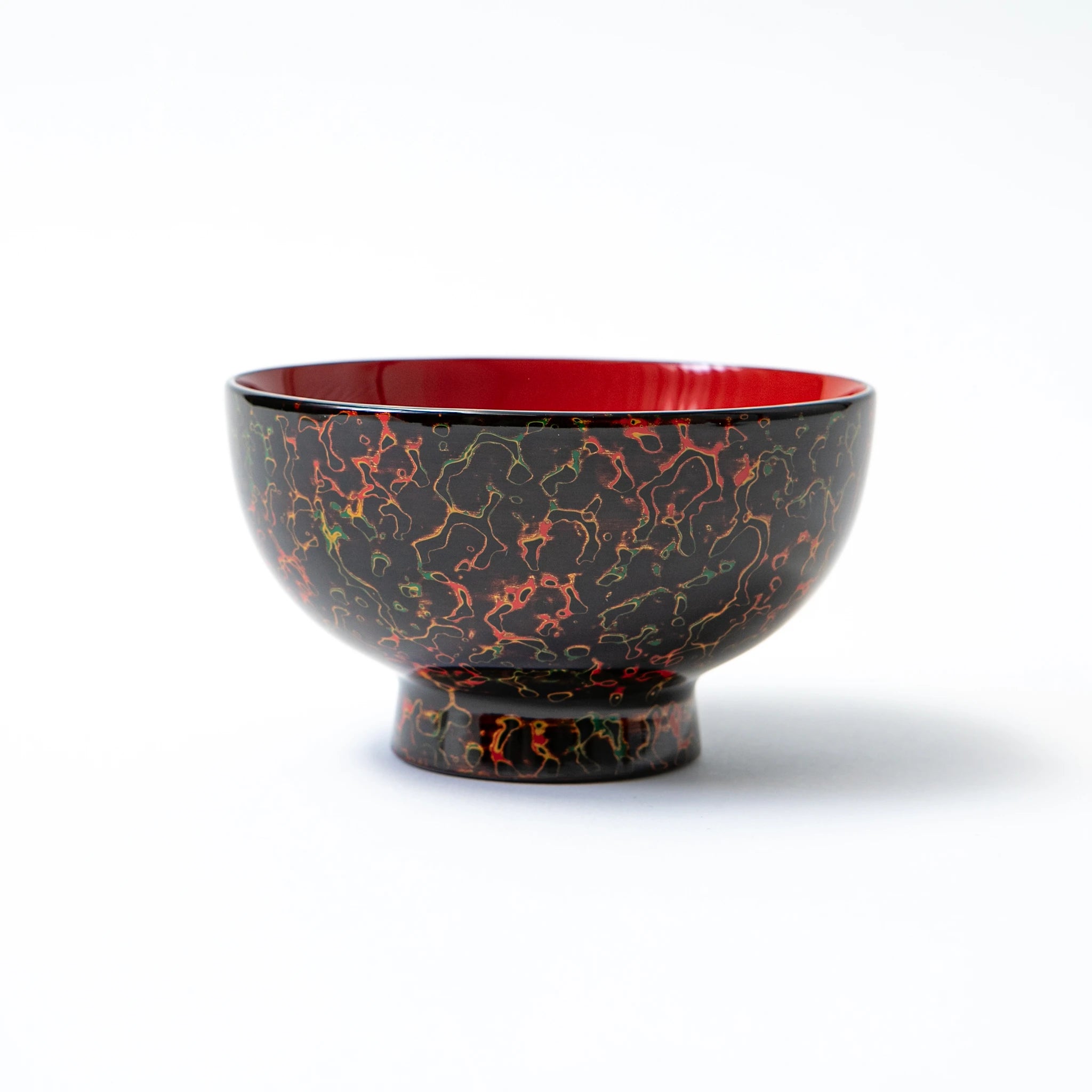
Kara-nuri Bowl Black

Kara-nuri Bowl Black

Regular price $129.00 USD
Regular price Sale price $129.00 USD
Sale Coming Soon
Shipping calculated at checkout.

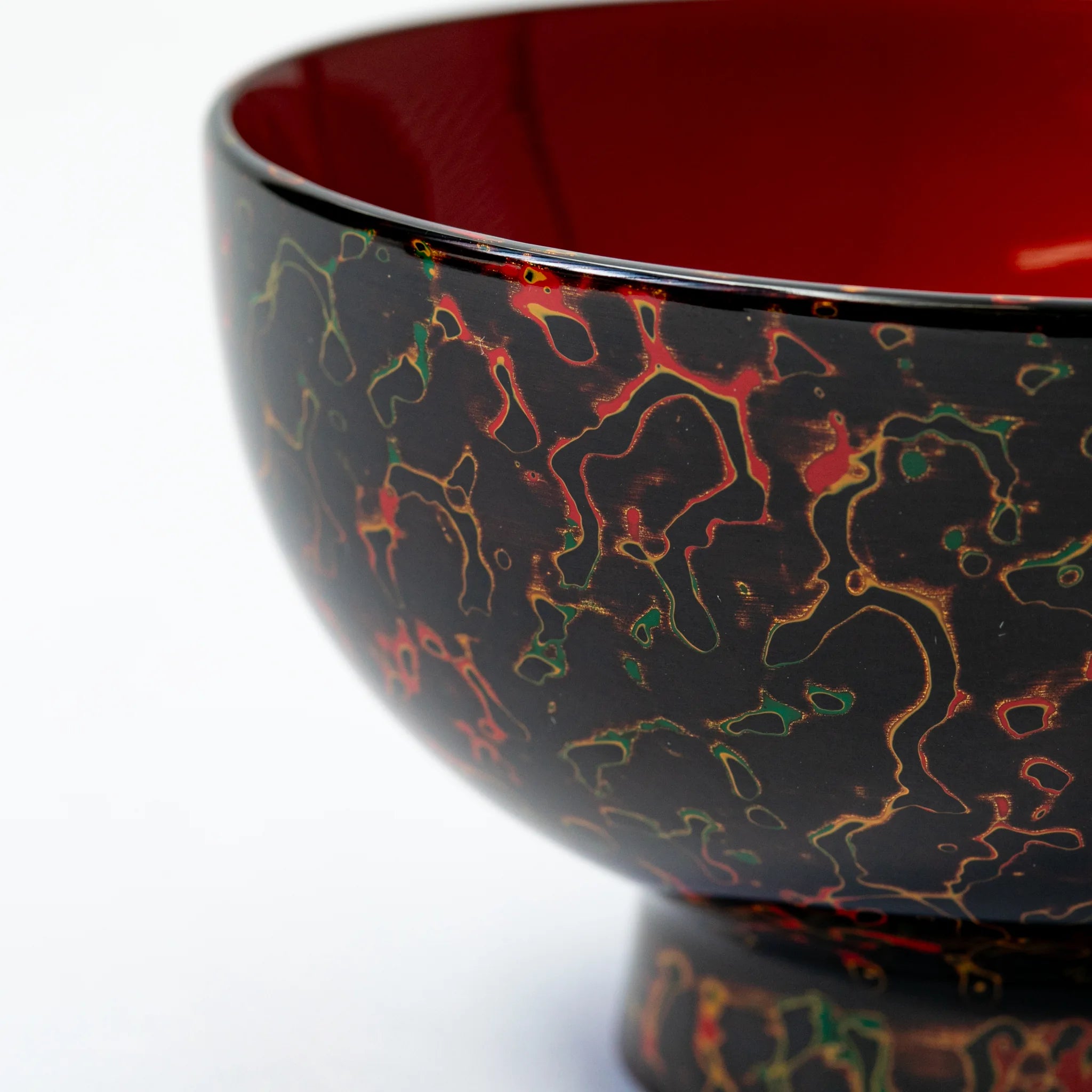
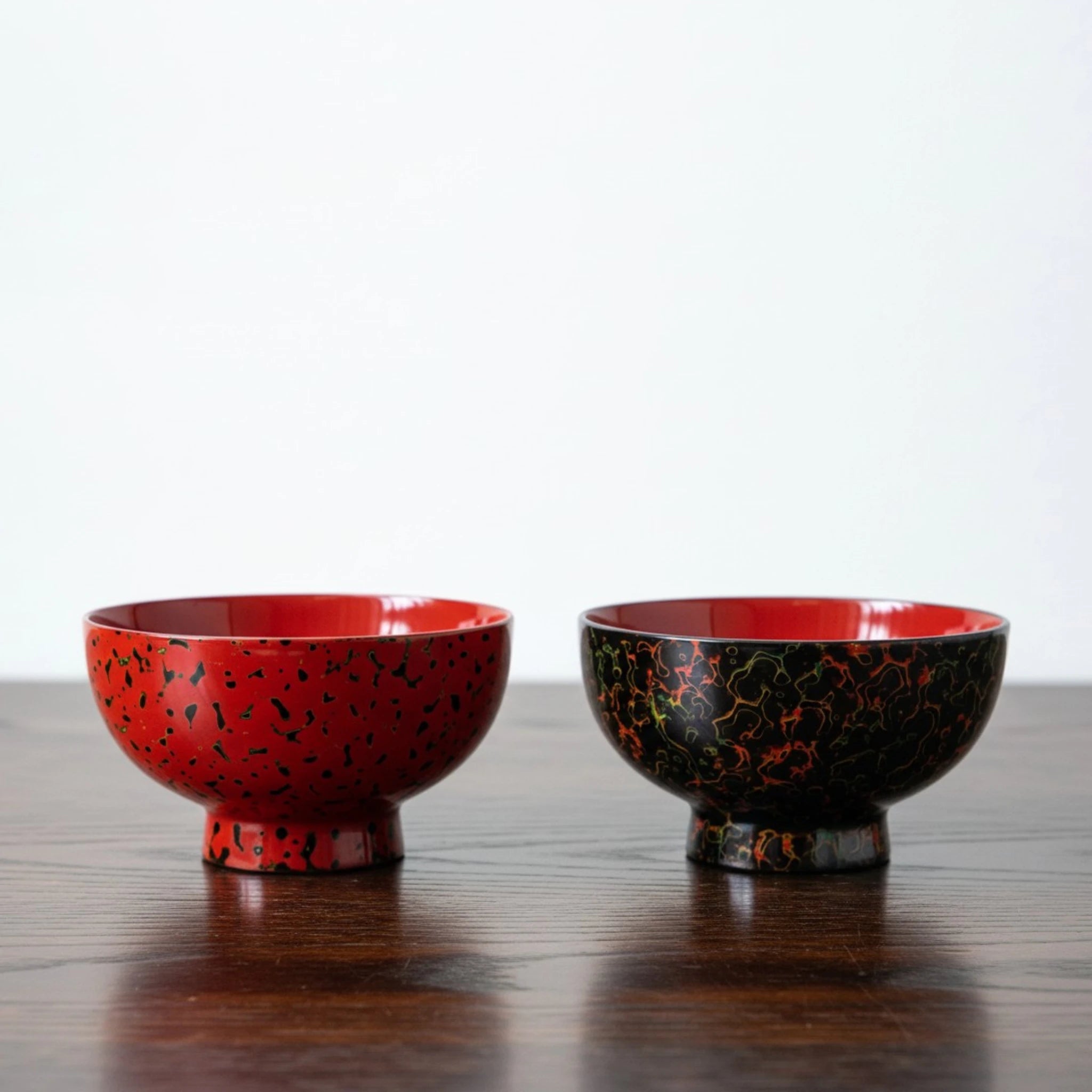
Kara-nuri Bowl Black by Kobayashi Lacquerware is finished using kara-nuri, the most widely recognized and technically demanding decorative method within Tsugaru lacquerware. Set against a deep black ground, the kara nuri pattern reveals layered traces of red, green, and metallic tones that emerge only through repeated coating, curing, and polishing.

The process begins by shaping relief into dense, viscous lacquer using a perforated spatula, creating a textured foundation unique to kara nuri. Colored lacquers are worked into this surface, followed by the application of tin powder, which is then sealed beneath translucent lacquer layers. Through careful polishing, the pattern is gradually revealed, resulting in a surface that feels dynamic yet controlled, with no two bowls ever alike.

Beyond its visual depth, the many layers of lacquer give the bowl exceptional strength and longevity. Designed for daily use, this piece balances quiet authority with durability, expressing the enduring character of Tsugaru lacquerware through time, repetition, and restraint.

Detail

Size: W 4.7in x L 4.7in x H 2.8in / W 12cm x L 12cm x H 7cm
Material: Wood

Care & Use

  • Handwash only
  • Do not use in microwave or oven
  • Do not soak in hot water for an extended time
  • Wash with a sponge or something soft and wipe dry immediately after use
  • If you are concerned about the smell of lacquer, leave it in a well-ventilated place for a few days or run it through lukewarm water 2-3 times and wipe it with a soft cloth
View full details

The art and depth of Tsugaru lacquerware

Tsugaru lacquerware is among Japan’s most respected lacquer traditions, defined by its complex layering and burnishing techniques that create surfaces of remarkable depth and durability. Originating several centuries ago in Hirosaki, Aomori Prefecture, it evolved as both a practical craft and a refined artistic expression linked to the northern region’s cultural identity.

Tsugaru lacquerware is grounded in repeated, labor‑intensive application of natural lacquer in multiple coats — often layered more than a dozen times — and then polished to reveal a unique interplay of texture and color. A distinctive aspect of this tradition is the karanuri style, in which lacquer is manipulated with a specially shaped spatula to produce mottled surfaces with subtle variations in hue and pattern. This intricate process results in objects that are both robust in everyday use and exceptionally rich in visual and sensory presence.

Beyond tableware and bowls, Tsugaru lacquerware includes decorative and functional pieces that reflect the craft’s breadth — from lacquered trays and boxes to interior accents — each finished by hand and embodying a patience and depth that make it meaningful for both ceremonial and contemporary living.

Brand History

Kobayashi Lacquerware traces its origins to the early 19th century, when the Kobayashi family began working with Tsugaru lacquerware in the historic town of Hirosaki. The studio’s founding predates the Meiji era, emerging around 1830 as a regional workshop dedicated to mastering the laborious layering, sanding, and polishing processes integral to authentic Tsugaru urushi lacquerware.

Across six generations, the Kobayashi atelier has preserved the core techniques of the craft while also subtly refining them. Successive family members have apprenticed deeply in both production and design, ensuring continuity of methodology. Today, leadership has embraced a careful balance between honoring tradition and exploring new expressions — including interior pieces and everyday objects that resonate with modern lifestyles while remaining faithful to the time‑intensive lacquer process.

Every piece in the Kobayashi Lacquerware collection reflects this lineage of discipline and refinement. They are handcrafted with attentive layering and polishing, using regionally sourced materials and techniques passed down through the family. The result is not only durable lacquerware but a lived connection to Tsugaru’s enduring cultural heritage — objects that enrich daily rituals and convey a quiet yet profound sense of place.