
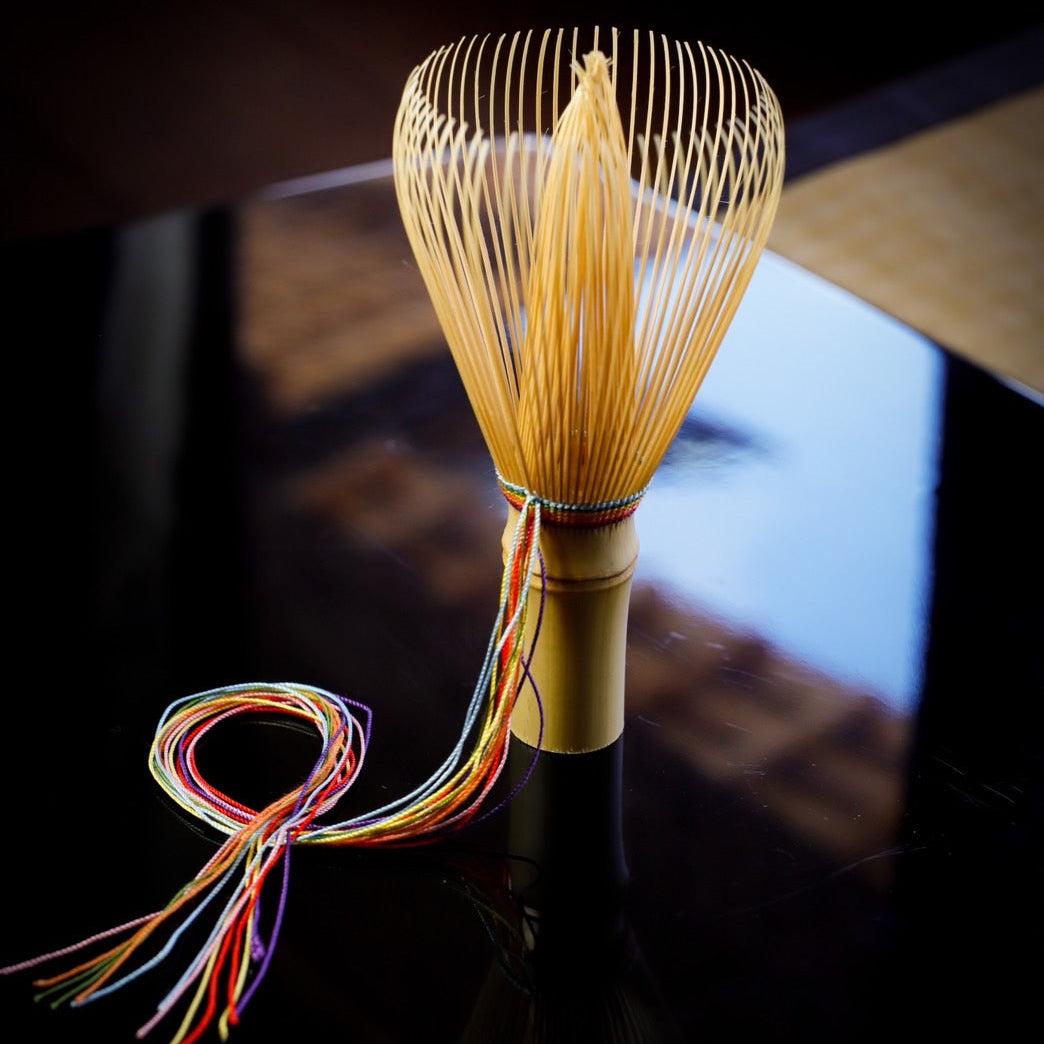
Rainbow Tea Whisk
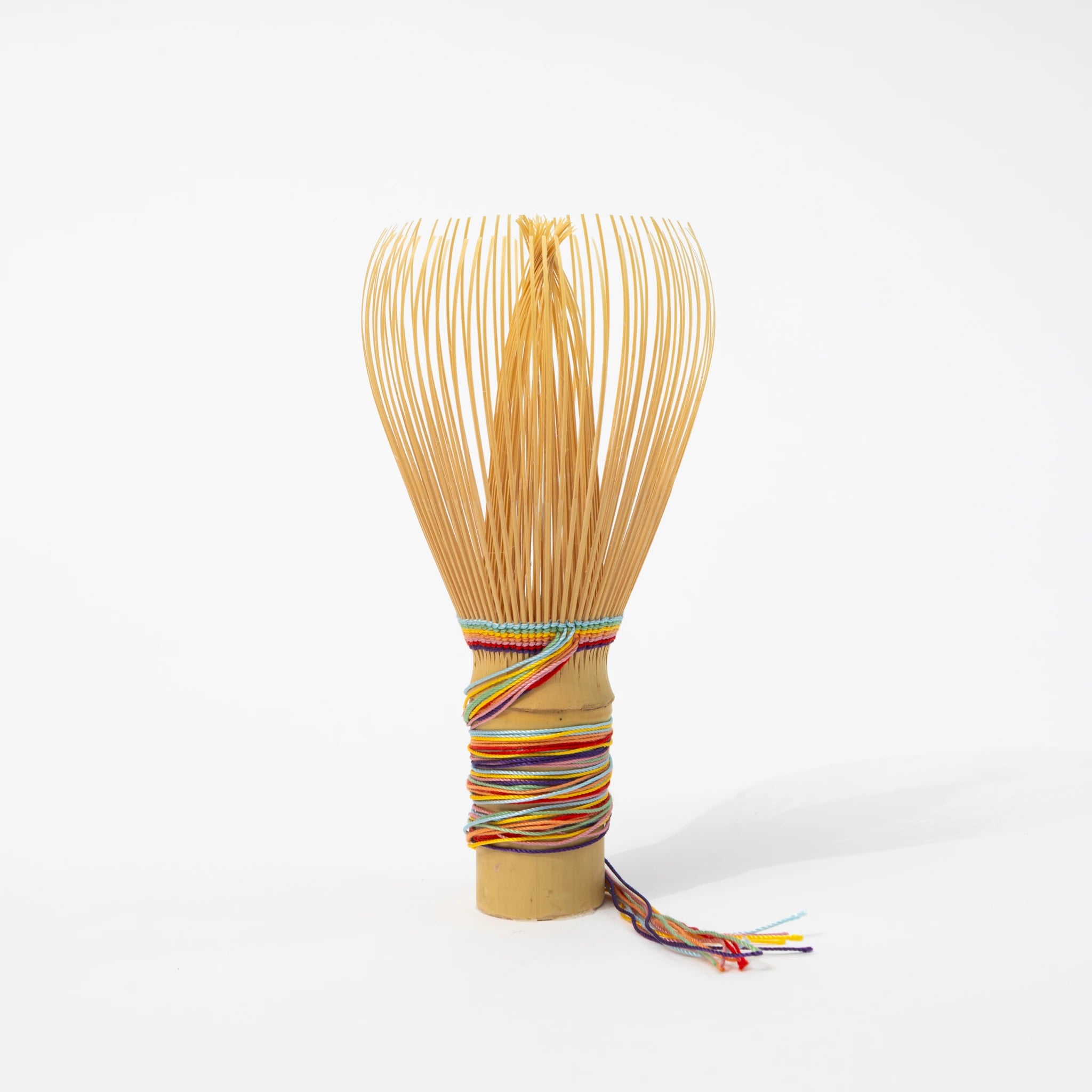
This Rainbow Tea Whisk is crafted with traditional Japanese techniques. Decorated with colorful threads, it’s believed to bring prosperity and good luck. It’s ideal for preparing matcha, ensuring a smooth, creamy result every time.
At Omakase, every item is made to be used. The artisans behind each piece have spent years, often decades, perfecting techniques that produce objects meant to live in your hands, on your table, and in your daily life. With attentive care, most will outlast generations of ordinary kitchenware and décor.
This guide is organized by material and item type. If you are unsure which section applies to your purchase, refer to the material details on the individual product page.
Contents
- Japanese Knives
- Gardening and Craft Blades
- Ceramics and Pottery
- Glassware
- Lacquerware
- Donabe (Clay Cooking Pots)
- Copper Items
- Bamboo Items
- Textiles
- Incense
- Writing Instruments
- Makeup Brushes
- Sunglasses
- Umbrellas
- Folding Fans
- Stationery and Paper Items
Japanese Knives
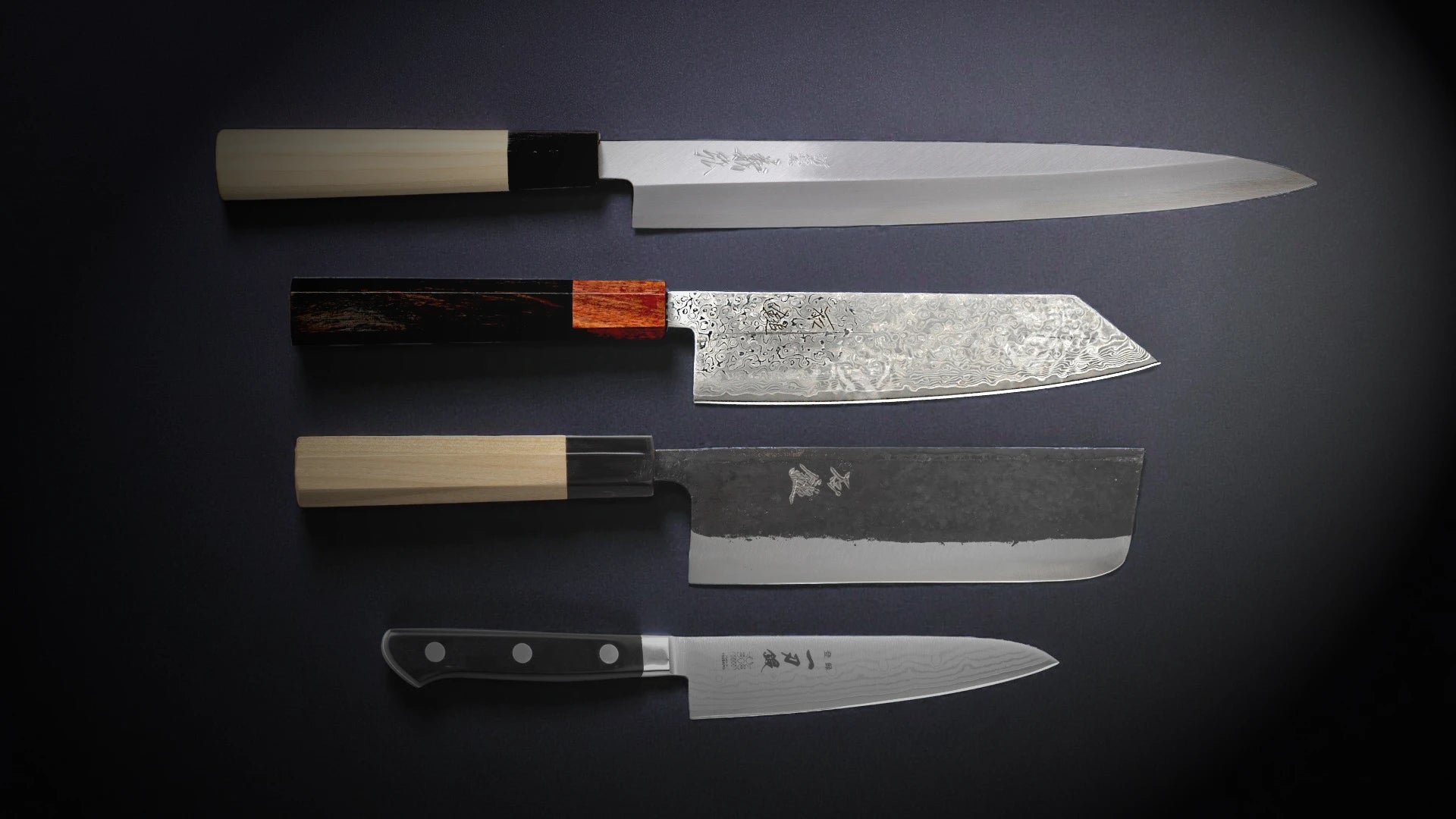
Japanese knives are forged using techniques rooted in centuries of swordsmithing tradition. Their blades are thinner and ground to a finer angle than most Western knives, which is the source of both their exceptional cutting performance and their need for considered care. Owning a Japanese knife is not a passive experience. Regular maintenance is part of what it means to use one well.
Before first use
Wash the blade with mild dish soap and a soft sponge to remove any protective oil applied during packaging. Dry completely before use. The edge may arrive as a working edge rather than an ultra fine razor edge, which is intentional and explained further below. If you prefer a finer edge from the start, a few passes on a whetstone will bring it to your preference.
Cutting technique
Use a push-cut or pull-slice motion. Avoid twisting, prying, or rocking the blade with heavy downward force. Japanese knives are designed for precision, not leverage.
Cut only appropriate foods: vegetables, boneless meats, fish, and herbs. Avoid bones, frozen foods, hard squash rinds, and shells. These require a different tool and will damage a fine edge.
Cutting board
Use a soft wooden board. Avoid bamboo, glass, marble, stone, steel, and hard plastics. These surfaces are harder than the steel and will dull or chip the edge over time.
During use
Wipe the blade frequently during prep to remove moisture and acidic residues from citrus, tomatoes, onions, and salt. Do not leave the blade wet on the board.
Cleaning and storage
Hand wash only. Clean immediately after each use with mild dish soap and a soft sponge. Dry thoroughly by hand. Do not air dry. Store in a saya (wooden sheath), on a wood-faced magnetic strip, or in a blade guard. Avoid loose drawers and bare metal racks.
A very light coat of neutral, food safe oil, such as camellia oil or food grade mineral oil, can be applied after drying to protect the blade, particularly for carbon steel knives. This is optional and should be tested on a small area first.
Carbon steel and patina
Many knives in the Omakase catalog are made from carbon steel or aogami (blue steel), which will develop a dark grey patina over time. This is natural and desirable, and the patina actually helps protect the blade from rust. Reddish-brown rust is different and should be addressed promptly: use a rust eraser or a mild paste of baking soda, rinse, dry, and optionally apply a light coat of oil.
Sharpness and sharpening
All knives require regular sharpening to maintain performance. Japanese knives may need attention more frequently than Western knives due to their finer edge angle. Some knives are intentionally finished with a working edge rather than an ultra fine razor edge. This is a deliberate choice to protect the blade during shipping and ensure practical readiness from day one. A brand new knife that does not feel shaving sharp out of the box is not defective.
Use a whetstone to refine the edge to your preference, or take it to a trusted professional sharpener. Avoid grooved honing rods. If a honing tool is used at all, a fine ceramic rod with very light pressure is the only appropriate option for Japanese blades.
Gardening and Craft Blades
Pruning shears, bonsai shears, hand planes, chisels, and woodworking knives fall into this category. Like the kitchen knives in the collection, they are made with high carbon steel, precise geometry, and artisan finishing, and they call for care in proportion to that quality.
After use
Remove all sap, moisture, wood resin, and plant residue immediately after use. These substances are corrosive to high carbon steel. A clean cloth or a light brush is sufficient for dry debris; mild soap and water with immediate drying for heavier residue.
Rust prevention
Apply a thin coat of camellia oil or machine oil to all metal surfaces before storage. This is standard practice for maintaining Japanese blade tools and helps prevent surface oxidation between uses.
Sharpening
Shears and pruning tools should be sharpened periodically using a whetstone or sharpening stone appropriate to the bevel. Hand plane blades and chisels require flat-back maintenance and bevel sharpening on a whetstone. Do not use grinding wheels or aggressive power sharpeners on these tools.
Storage
Store in a dry environment, away from humidity. Use leather cases, blade guards, or the original packaging where provided. Do not stack metal tools loosely, as contact between edges causes damage.
Ceramics and Pottery
This category spans cups, bowls, plates, mugs, and teapots made across a range of Japanese ceramic traditions, including Arita porcelain, Tamba ware, Kutani ware, Raku pottery, Tokoname ware, and Ryumonji Yaki. Care depends on the type of ceramic body, so refer to the section that matches your piece.
Porcelain (Arita, Kutani, Nabeshima, and similar)
Porcelain is made from kaolin clay and fired at high temperatures, resulting in a dense, vitrified body that does not absorb water. It is the most durable ceramic in the catalog for everyday use.
Porcelain's dense body means many pieces can tolerate a dishwasher, but hand washing is strongly recommended to preserve glazes, painted decoration, and gold or silver details. Items with metallic decoration should never be used in a microwave. For microwave use on undecorated pieces, always check the individual product page first, since this varies by item.
Do not use porcelain on an open hob, oven, or grill.
Stoneware and earthenware (Tamba, Ryumonji, and similar)
These pieces are fired at lower temperatures and typically have a more porous body than porcelain. They are not fully vitrified and will absorb liquids to some degree, particularly where unglazed.
Hand wash only. Do not use a dishwasher. Avoid prolonged soaking in water, which can be absorbed into the body and cause cracking or glaze damage over time. Do not use in a microwave or oven unless the individual product page states otherwise. Allow to dry fully before storage.
Raku and tea ceremony ware
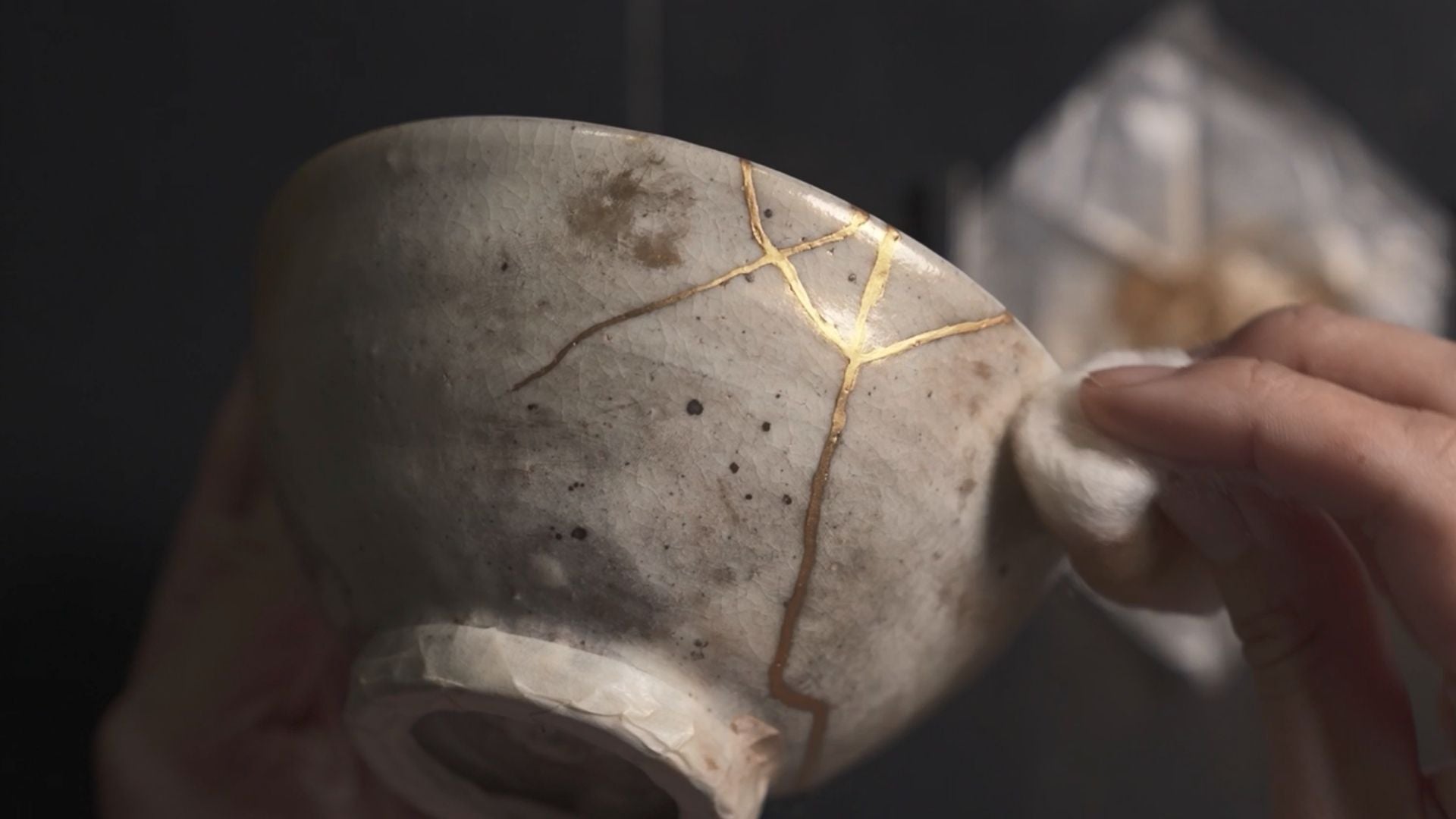
Raku pieces, including matcha bowls, are hand-formed and fired individually. They are intentionally irregular and should be handled with care. Hand wash gently with a soft cloth. Do not use abrasive sponges or harsh detergents. The interior of a matcha bowl will stain over time from repeated use; this is expected and considered part of the bowl's character.
General ceramic care
Avoid sudden temperature changes for all ceramic items. Do not move a cold piece directly into a hot oven or pour boiling liquid into a room-temperature vessel without allowing it to adjust gradually. Do not use metal scrubbers or abrasive cleaning products on any glazed surface.
Glassware
The Omakase glass collection centers on Edo Kiriko, a cut glass craft produced in Tokyo using hand cutting and polishing techniques developed during the Edo period. No two pieces are exactly alike.
Handling
Handle with care. The cut facets on Edo Kiriko glass are sharp by design, a function of the cutting process rather than a finishing oversight. Avoid contact between pieces when storing or transporting.
Cleaning
Hand wash only. Use a soft sponge and mild dish soap. Rinse thoroughly and dry immediately with a soft cloth to prevent water spots. Do not use a dishwasher, since high heat and mechanical agitation will dull the cut surfaces and risk cracking.
Storage
Store upright and separated. Do not stack. Avoid contact with other hard objects.
Lacquerware
Japanese lacquerware combines a wooden core with multiple layers of urushi lacquer, a finish valued for its depth, durability, and resistance to water. It withstands daily use well but is sensitive to temperature extremes and prolonged moisture.
Use
Do not use in a microwave or oven. Avoid sudden temperature changes; do not pour boiling liquid directly into a cold lacquer vessel or move it from refrigerator to direct heat. Do not store in a refrigerator or freezer, as the cold will dry the lacquer and cause cracking over time. Lacquerware is not suited for storing liquids for extended periods.
New lacquerware may carry a faint characteristic scent. This is normal and dissipates with use. If it is noticeable, leave the piece in a well ventilated area for a few days, or rinse with lukewarm water two to three times.
Cleaning
Hand wash only; no dishwasher, no dish dryer. Clean with a soft sponge and mild dish soap. Dry immediately after washing. Do not soak in water. Do not use bleach or harsh chemical cleaners.
For pieces decorated with maki-e (gold or silver powder decoration), wash with an especially soft cloth, cotton gauze is ideal, and dry immediately. These surfaces are delicate and will scratch if handled roughly.
Storage
Store away from direct sunlight and in conditions that are not excessively dry. Prolonged UV exposure will fade the lacquer finish over time.
Donabe (Clay Cooking Pots)
Donabe are traditional Japanese clay pots used for hot pot, rice, and slow cooking. New pots need conditioning before their first use, and all donabe benefit from careful handling throughout their life.
Before first use, seasoning
New donabe must be seasoned before use to strengthen the clay body and reduce porosity. Fill the pot to 70 to 80 percent capacity with water and add a small amount of cooked rice or a rice gruel mixture. Heat slowly over low flame and bring to a gentle simmer. Allow to cool fully, then discard the contents and rinse. Repeat once if desired. This process closes micro-pores in the clay and significantly extends the life of the pot.
Heating and use
Always start over low heat and increase gradually. Never place a donabe over high heat from cold. Never place an empty donabe over heat; always have liquid inside when applying flame. Do not use on IH (induction) hobs unless the product page specifically states IH compatibility.
Cleaning
Allow to cool completely before washing; never submerge a hot donabe in cold water. Wash gently by hand with a soft sponge. Mild soap in small amounts is acceptable for stubborn residue. Rinse thoroughly. Do not use a dishwasher.
Drying and storage
Dry thoroughly inside and out before storing. The clay body will absorb moisture, and if stored damp, mold may develop inside pores. Store with the lid slightly ajar to allow airflow.
If mold appears, make a dilute solution of water and vinegar, fill the pot, and leave overnight. Rinse well and dry thoroughly in a well ventilated area.
Copper Items
Copper appears in the Omakase collection mainly through cookware, including tamagoyaki (Japanese omelette) pans. It conducts heat exceptionally well, and its surface changes character with use.
Use
Avoid scratching copper against other metal items. Copper is softer than steel and will mark if stacked or stored in contact with harder surfaces. Do not use metal utensils inside copper cookware; use wood or silicone.
Cleaning
Hand wash only. Use warm water and mild dish soap with a soft cloth or sponge. Dry thoroughly after each wash to prevent water spots and tarnishing. Do not soak in water. Avoid alcohol-based sprays or disinfectants, which can alter the surface color and damage any coating or finishing.
Patina
Copper will darken and develop a patina over time with normal use. This is a natural and expected characteristic of the material, not a defect. If you prefer to maintain the original finish, a commercially available copper polish can be used periodically, applied gently and rinsed clean. Contact with acidic or salty foods can cause localized discoloration, so wipe the surface clean promptly after exposure.
Bamboo Items
The bamboo baskets in the collection are woven from dried, prepared bamboo strips. They are functional craft objects meant for both use and display.
Use
Do not submerge in water or use to hold wet items directly without a liner. Bamboo will absorb moisture, which can lead to warping, mold, or structural weakening over time.
Cleaning
Wipe with a lightly damp cloth and dry immediately. Do not wash under running water or soak. For stubborn spots, a cloth very lightly dampened with dilute mild soap can be used, followed immediately by a dry wipe.
Storage
Store in a dry, well ventilated space away from direct sunlight. Prolonged UV exposure will bleach the natural bamboo color. Avoid storing in humid environments such as bathrooms or near dishwashers.
Textiles
The textile pieces include tenugui, traditional Japanese cotton hand towels, alongside furoshiki wrapping cloths in cotton and silk, noren doorway dividers, and Imabari towel blankets.
Cotton items (tenugui, cotton furoshiki, noren, Imabari blankets)
Machine wash on a gentle cycle in cold water. Wash separately or with similar colors. Do not use bleach. Tumble dry on low heat or lay flat to dry. Avoid direct high heat, which can shrink or distort the weave.
Tenugui are designed to fray slightly at the cut edges, which is intentional and part of their construction. The fraying will stop naturally with use and washing.
Silk items (silk furoshiki)
Hand wash only in cold water with a gentle detergent formulated for delicate fabrics. Do not wring or twist. Press gently between dry towels to remove excess water and lay flat to dry away from direct sunlight. Do not machine wash or tumble dry. Iron on a low silk setting with a pressing cloth if needed.
Handling dyed textiles
Some pieces use traditional dyeing techniques including katazome, shibori, or natural dyes. Colors may be sensitive to prolonged direct sunlight. Store folded in a cool, dry place away from UV light when not in use or on display.
Incense
The incense in the collection comes in stick and coil formats from established Japanese makers.
Use
Burn in a well ventilated space and always on an appropriate incense holder or tray. Never leave burning incense unattended. Keep away from flammable materials, drafts, and direct airflow, which will cause uneven burning.
Storage
Store in the original packaging or an airtight container in a cool, dry location away from direct sunlight. Incense is sensitive to humidity and strong ambient odors, both of which can alter the fragrance over time.
Writing Instruments
This category includes fountain pens such as the Kanazawa gold foil pieces, which are precision writing instruments as much as they are decorative objects. Their lacquer, gold foil, and maki-e finishes call for the same care described in the lacquerware section.
Use
Fill fountain pens with quality fountain pen ink only. Avoid India ink or pigment based inks not formulated for fountain pens, as these can clog the feed and are difficult to fully clear.
Cleaning
Flush the nib and feed with clean water before changing inks or storing for extended periods. Do not disassemble the nib unit unless experienced in doing so.
Exterior care
Wipe the barrel with a soft, dry cloth. Avoid contact with chemicals, perfumes, hand sanitizer, and oils. Do not submerge in water. The lacquer and decorative finish on the barrel are delicate and will scratch if stored loose with other objects. Use the original case or a soft pouch for storage.
Makeup Brushes
Kumano brushes are made in Hiroshima Prefecture using techniques passed down through generations of brush makers. The bristles, whether natural hair or synthetic, are set by hand and require gentle handling to keep their shape and function.
Cleaning
Clean brushes regularly using a mild shampoo or brush cleanser formulated for cosmetic brushes. Work the cleanser gently through the bristles under lukewarm water, rinsing from the ferrule downward. Do not submerge the ferrule or handle in water; water entering the ferrule will loosen the bristle glue over time.
Reshape the bristles gently after washing and lay flat or hang bristle-down to dry. Do not dry upright in a cup while wet, as water will run into the ferrule.
Storage
Store in a brush roll, case, or upright in a holder once completely dry. Avoid leaving brushes loose where the bristles can be bent or compressed.
Sunglasses
The sunglasses in the collection use SUNSHIFT photochromic lenses, which shift between clear and tinted depending on UV exposure.
Lens behavior
The lenses begin transitioning almost as soon as they are exposed to outdoor UV light, and lighten again gradually once back indoors. Tint intensity is also affected by temperature: colder conditions tend to produce a deeper tint, while warmer conditions suppress it. Because most vehicle glass filters UV light, the lenses will not transition while inside a car.
Like all photochromic lenses, performance gradually declines with prolonged UV exposure over years of use. For exact transition times and expected lens lifespan, refer to the manufacturer information included with your sunglasses or contact us directly.
Handling
Avoid high-impact activities or situations where collision or contact is likely. Do not expose to ignition sources, open flame, or high heat. Do not store in a hot environment such as a closed car.
Cleaning
Clean lenses with a dedicated glasses cloth lightly moistened with a lens cleaner solution. Hold the lens while wiping; do not apply pressure from both sides simultaneously. For heavier soiling, rinse with clean water and mild neutral detergent, then rinse thoroughly and dry with a soft cloth. Do not use alkaline or soap-based detergents, which can degrade the photochromic coating.
If the lenses come into contact with cosmetics, hair products, fruit juice, sunscreen, sweat, or similar substances, rinse immediately with water and wipe clean. Leaving these substances on the lens can cause discoloration, coating deterioration, or allergic reactions with prolonged contact.
Storage
Store in the provided case at room temperature. Keep away from metallic objects that may scratch the lens surface.
Umbrellas
Each umbrella in the collection combines traditional Japanese fabrics with traditional frame construction.
Use and care
Open the umbrella fully to dry after use before storing closed. Closing a wet umbrella and leaving it stored will accelerate deterioration of the fabric and the frame.
Keep away from prolonged direct sunlight when not in use, as UV exposure will fade the fabric over time. Store in a cool, dry location.
Do not force the umbrella open or closed. The mechanism is precision-assembled and should operate smoothly with normal handling. If a spring or rib feels resistant, do not apply excessive force.
Folding Fans
Folding fans in the collection pair washi paper or fabric faces with ribs in lacquered wood or bamboo.
Use
Open and close the fan gently. Do not snap it open with force; the pivot and the face can be damaged by rough handling. Fan from the wrist, not the elbow, using a relaxed motion.
Storage
Store closed in the original box or a fan sleeve to protect the face from dust and creasing. Do not store under pressure or with other objects resting on the face.
Keep away from moisture and direct sunlight. Washi paper faces are sensitive to humidity; in very dry conditions the paper may become brittle over time.
Stationery and Paper Items
Notebooks and paper based stationery items are for indoor use only.
Store away from moisture, direct sunlight, and heat. Humidity will cause paper to warp and adhesive bindings to weaken. Keep in a dry environment in the original packaging or a protective sleeve.
For questions about the care of a specific item not addressed here, the dedicated Omakase team is happy to assist. Contact us from here.
Choose options
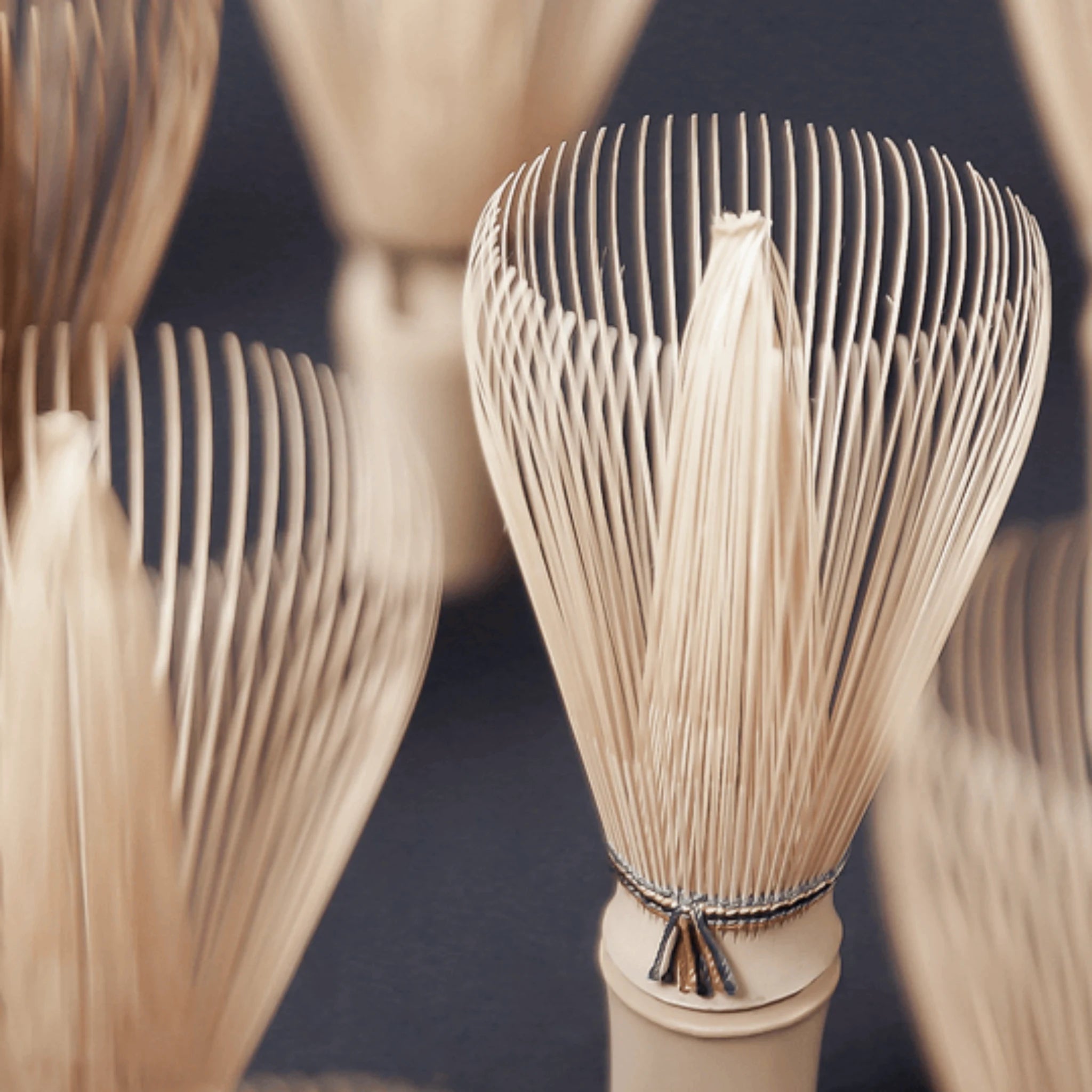
Meet the Artisan
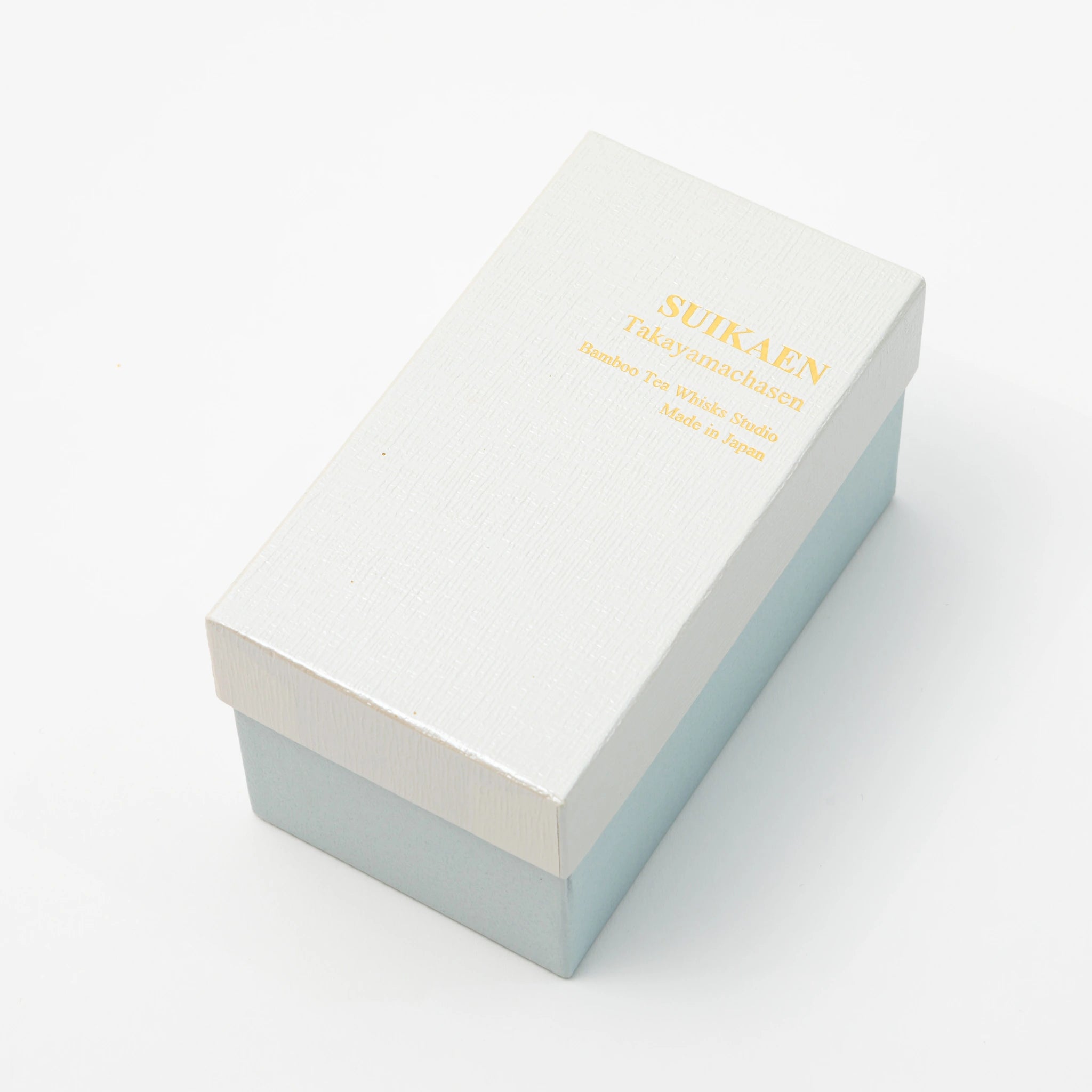
Suikaen