Shoraku Kiln: Raku Ware, the True Vessel of the Japanese Tea Ceremony
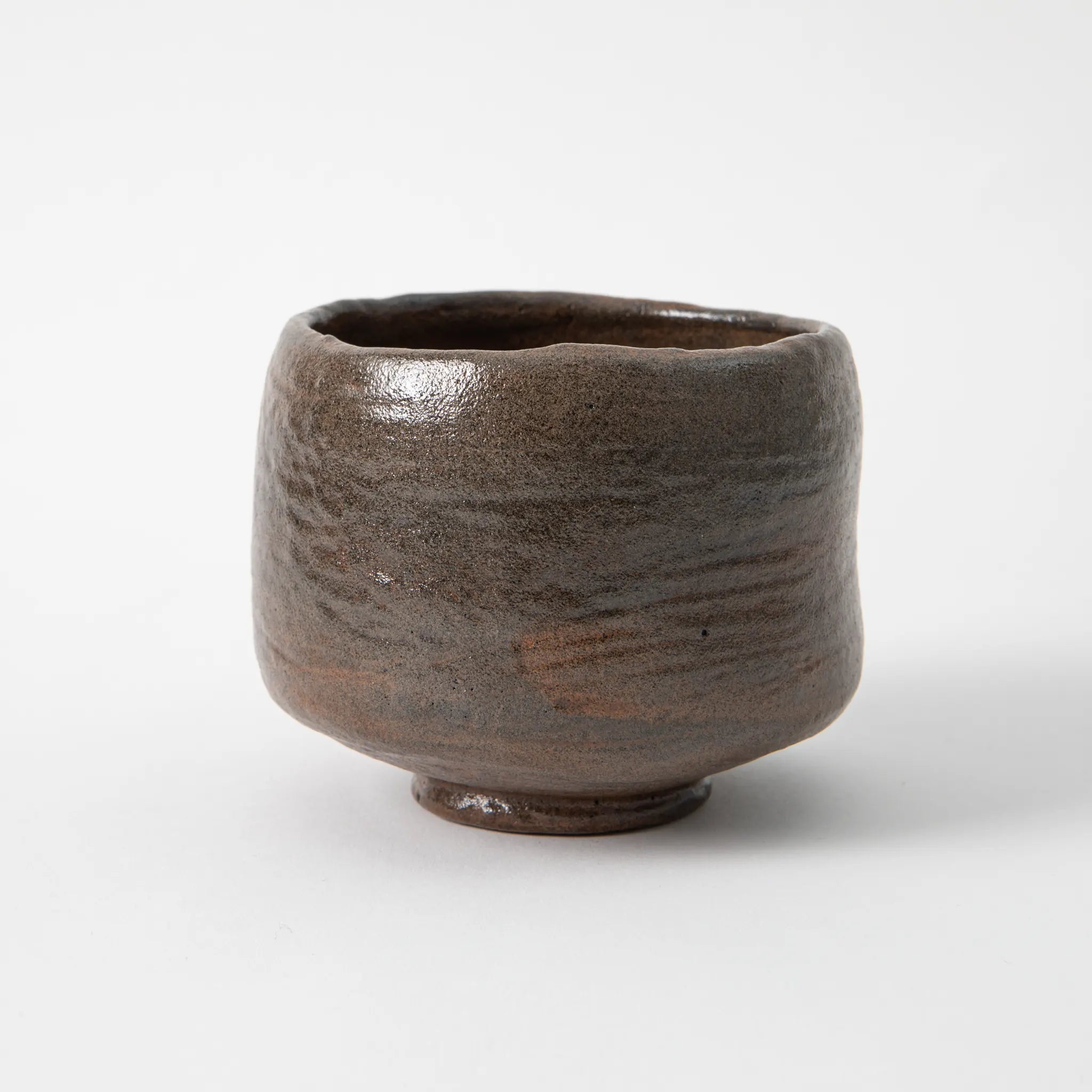
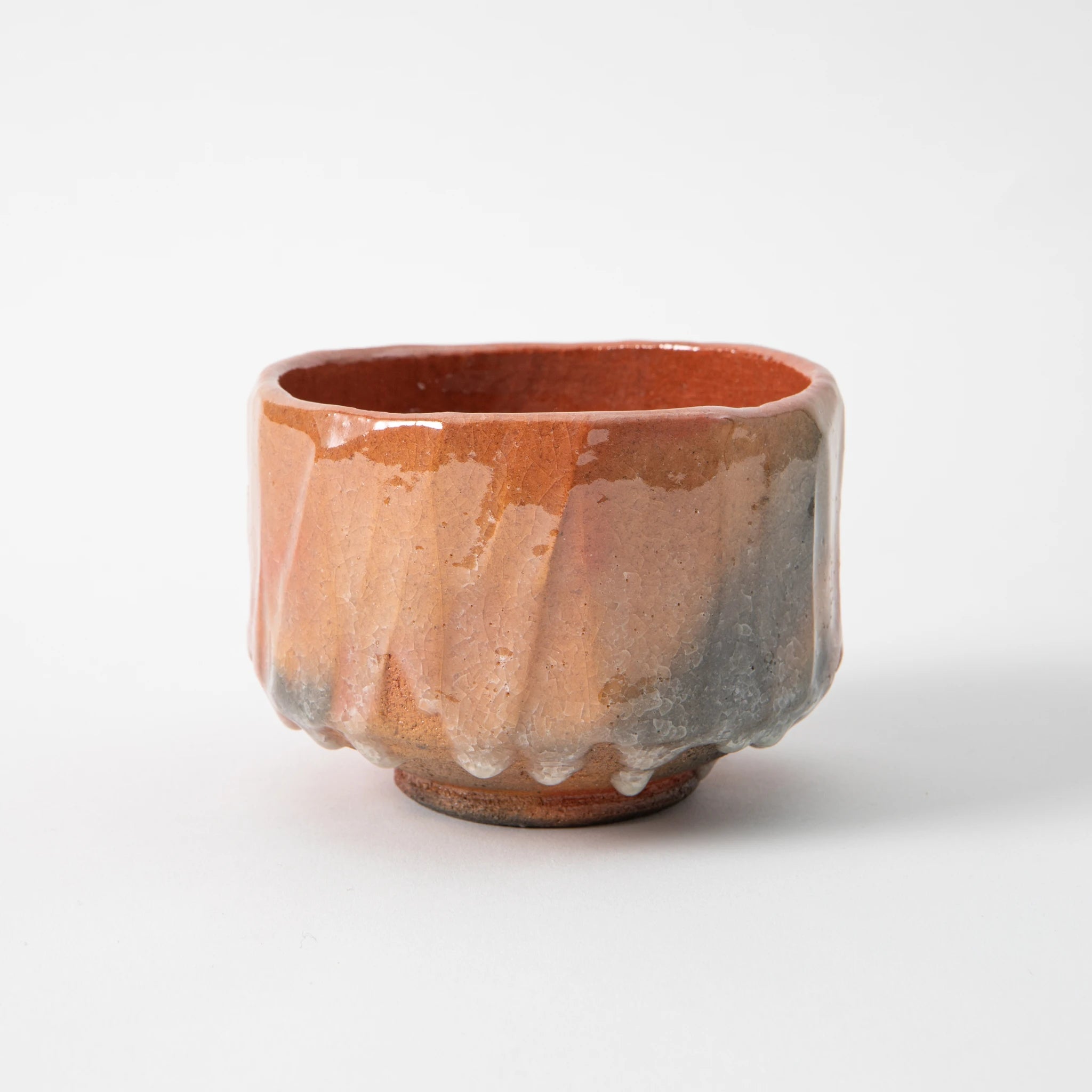
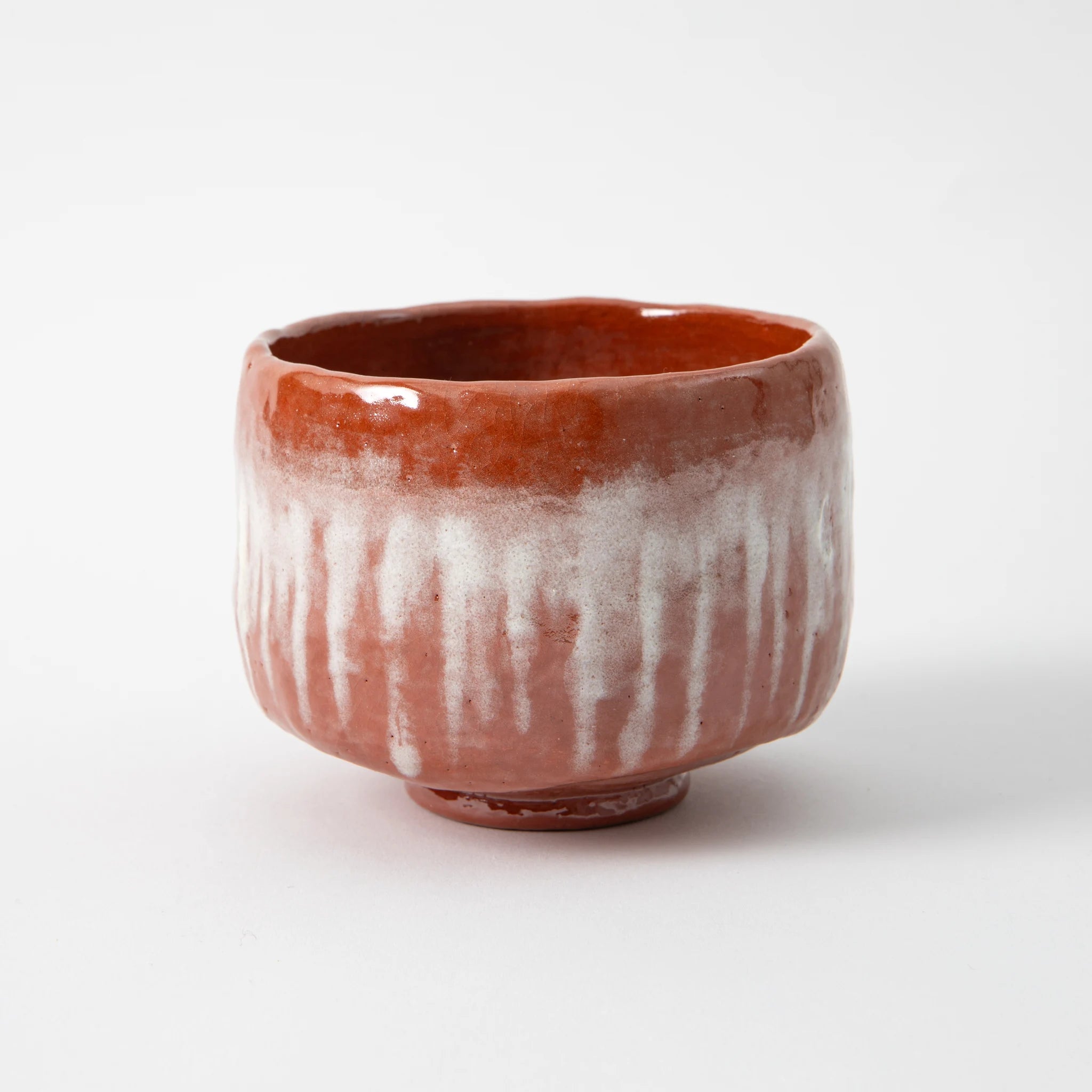
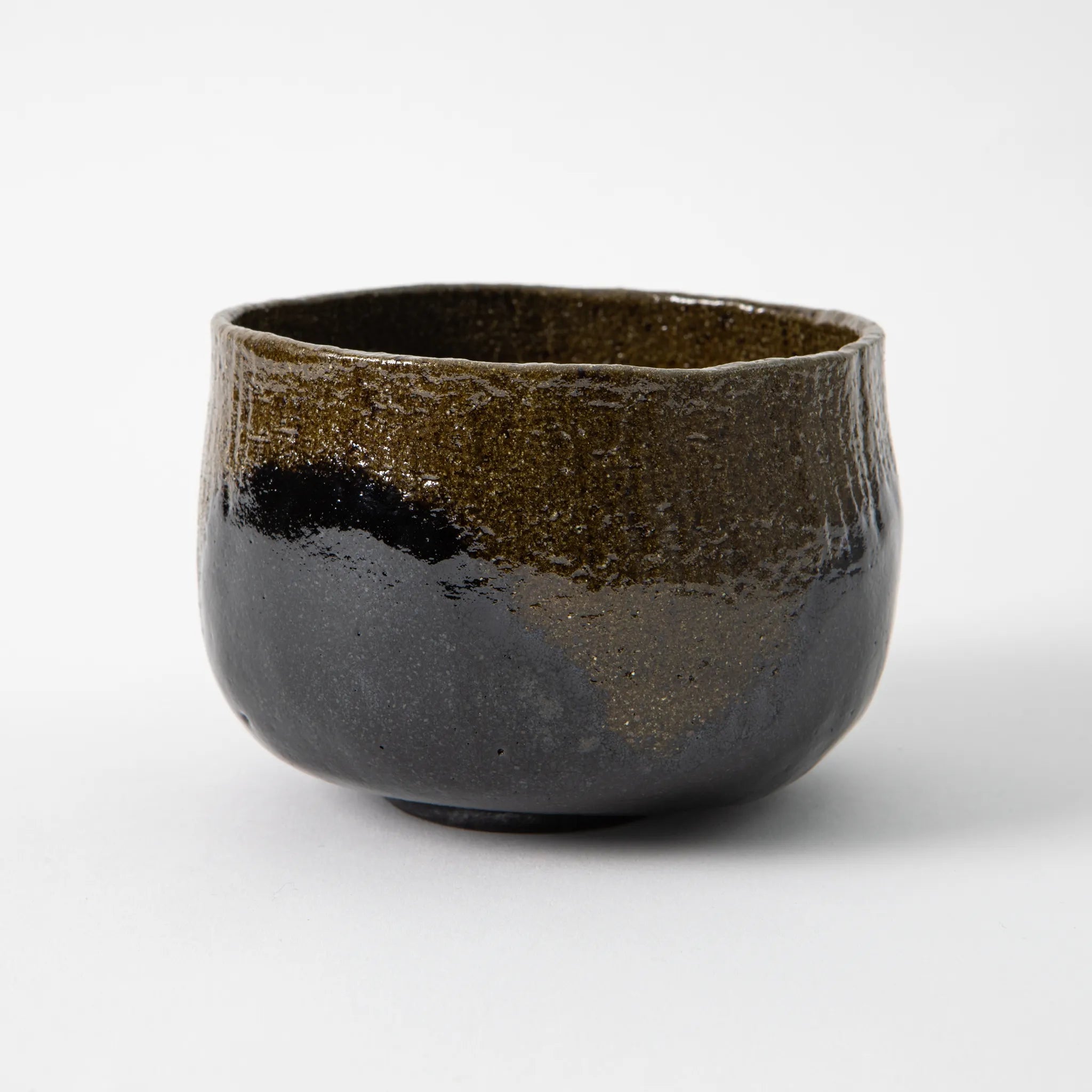
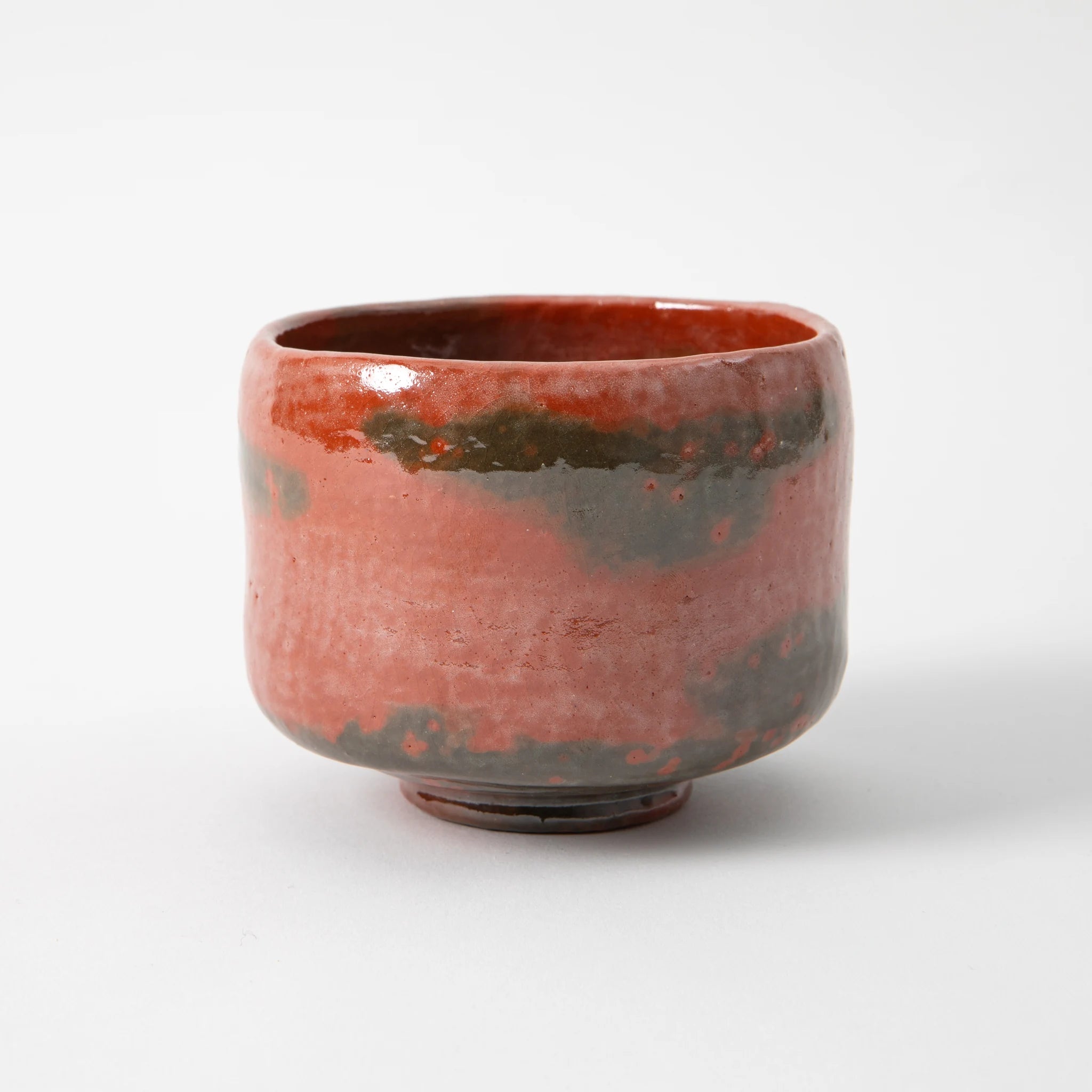
Founded in 1905 near Kiyomizu-dera Temple in Kyoto and now located in the mountains of Kameoka, Shoraku Kiln recently marked its 121st anniversary. Across four generations, the family has continued to produce hand-shaped Raku ware matcha bowls for the Japanese tea ceremony, maintaining a lineage supported by a long-standing relationship with the successive head priests of Daitoku-ji Temple.

To understand the purpose behind their work, it is necessary to examine the historical origins of Raku ware and the Japanese tea ceremony itself.

Japanese Tea Ceremony, The Origin of Raku Ware
Raku ware differs from conventional Japanese pottery in its development and philosophy. While most regional kilns in Japan evolved as commercial or industrial centers rooted in local clay sources, Raku ware was created deliberately, in direct response to a philosophical demand.

Sen no Rikyū, the historical tea master who fundamentally redefined Japanese tea culture, established wabi-cha, a tea practice governed by the four principles of the tea ceremony: harmony, respect, purity, and tranquility. He sought vessels made in Japan rather than imported Chinese ceramics that had long been prized in tea circles, ones that reflected the spiritual philosophies of wabi-cha not through decoration, but through form itself. To meet this demand, he collaborated with Chōjirō, a Kyoto tile-maker, tasking him with translating these concepts into physical form.

Instead of aiming for perfect symmetry or applying intricate surface decoration, Chōjirō left the forms intentionally understated. The resulting bowls were built to be comfortable to sit comfortably in two hands and to rest against a surface with a quiet, absorbed sound. The style eventually received the name "Raku" after the ruler Toyotomi Hideyoshi presented Chōjirō’s successor with a gold seal bearing the character for raku, a word carrying connotations of contentment and enjoyment.

The Philosophy of the Shoraku Kiln Craftsman
Shoraku Kiln directly inherits this emphasis on purpose and function. The core of their daily work is defined by a guiding principle of the current head:
“Even if a bowl has a beautiful form, if it's difficult to make delicious tea with, then it means nothing.”
This perspective distinguishes the discipline of a craftsman from the pursuit of an artist. Within this framework, no single bowl can be called the definitive ideal. The value of a vessel is judged entirely by the experience of the person using it. The ideal bowl is simply the one that allows the practitioner to prepare and drink the tea well.

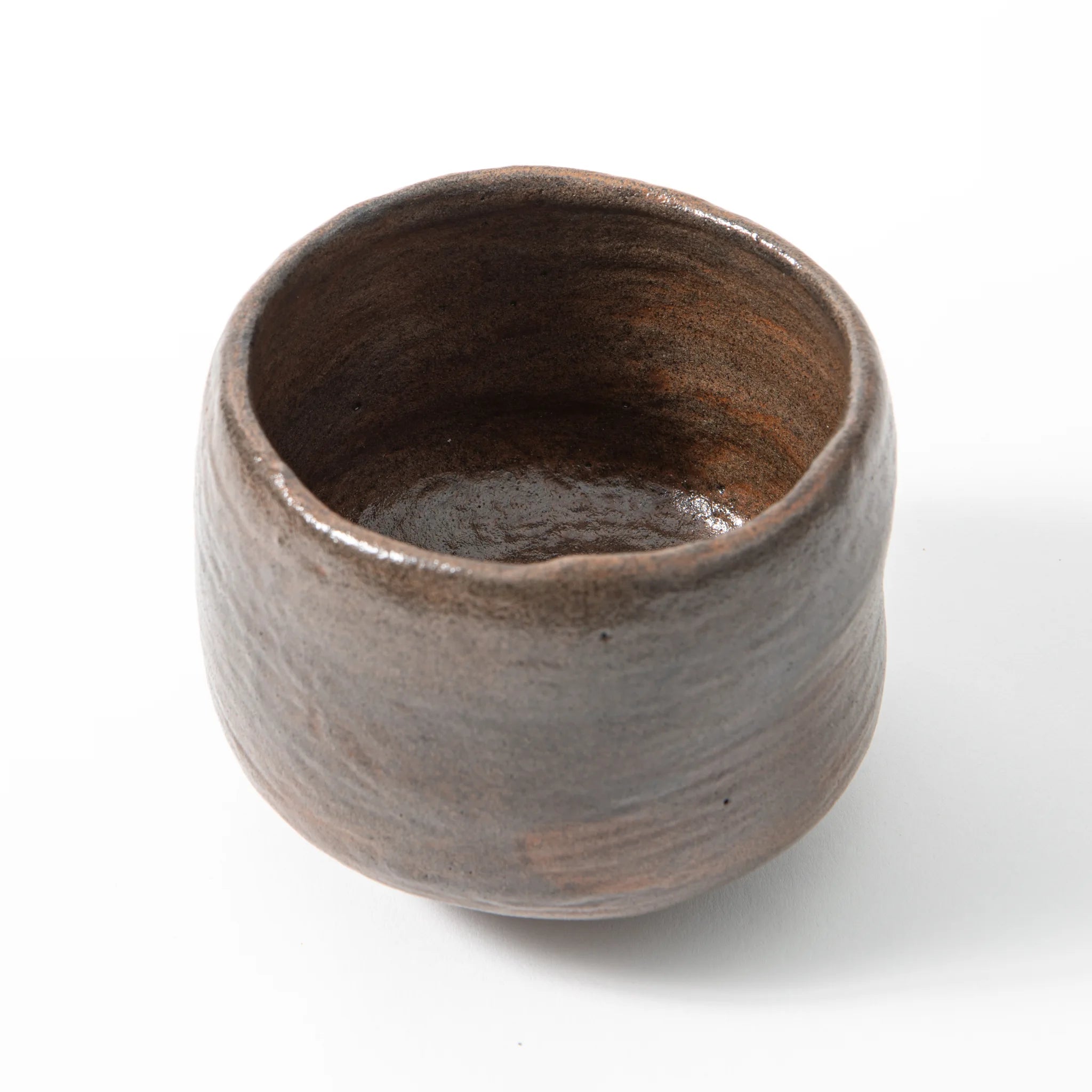
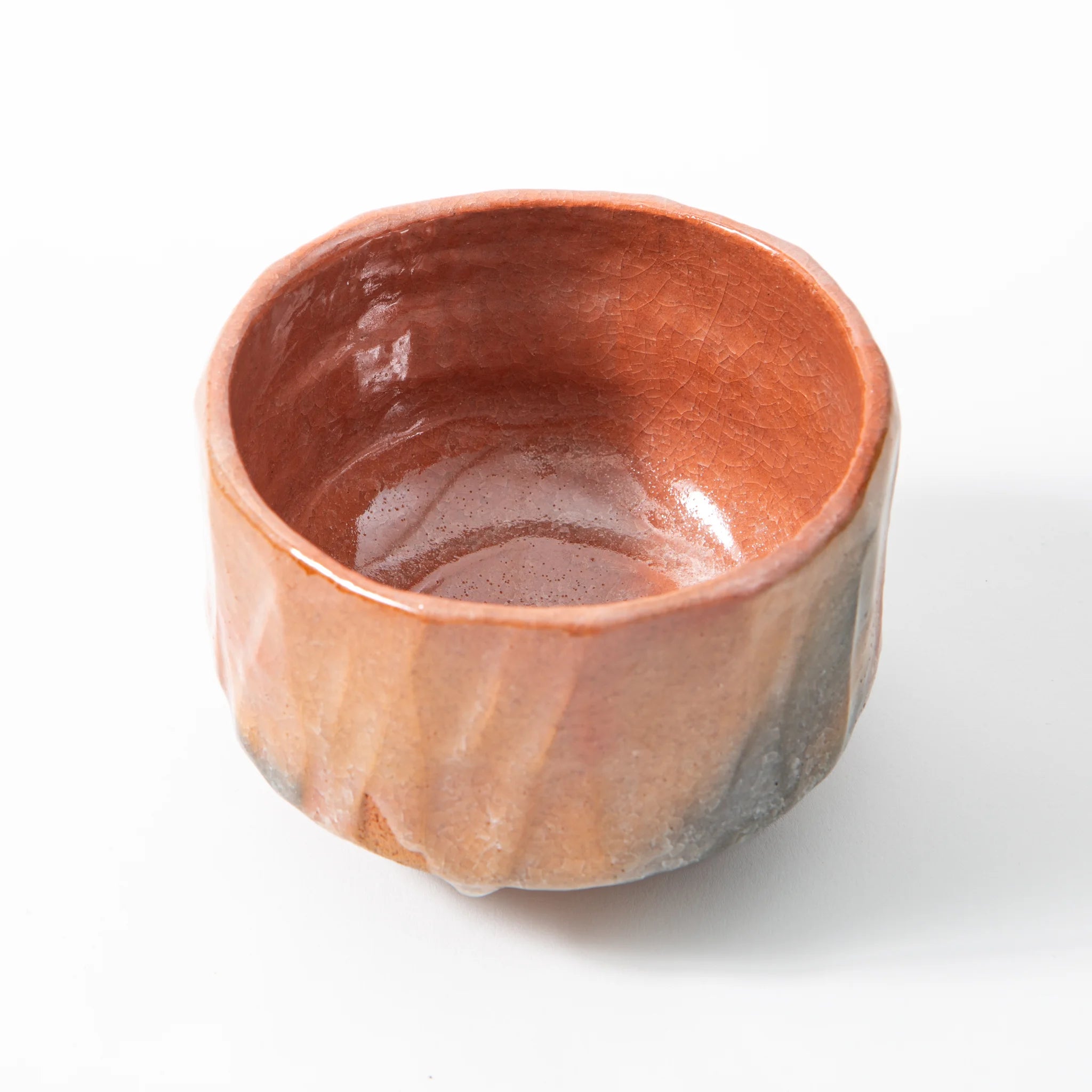
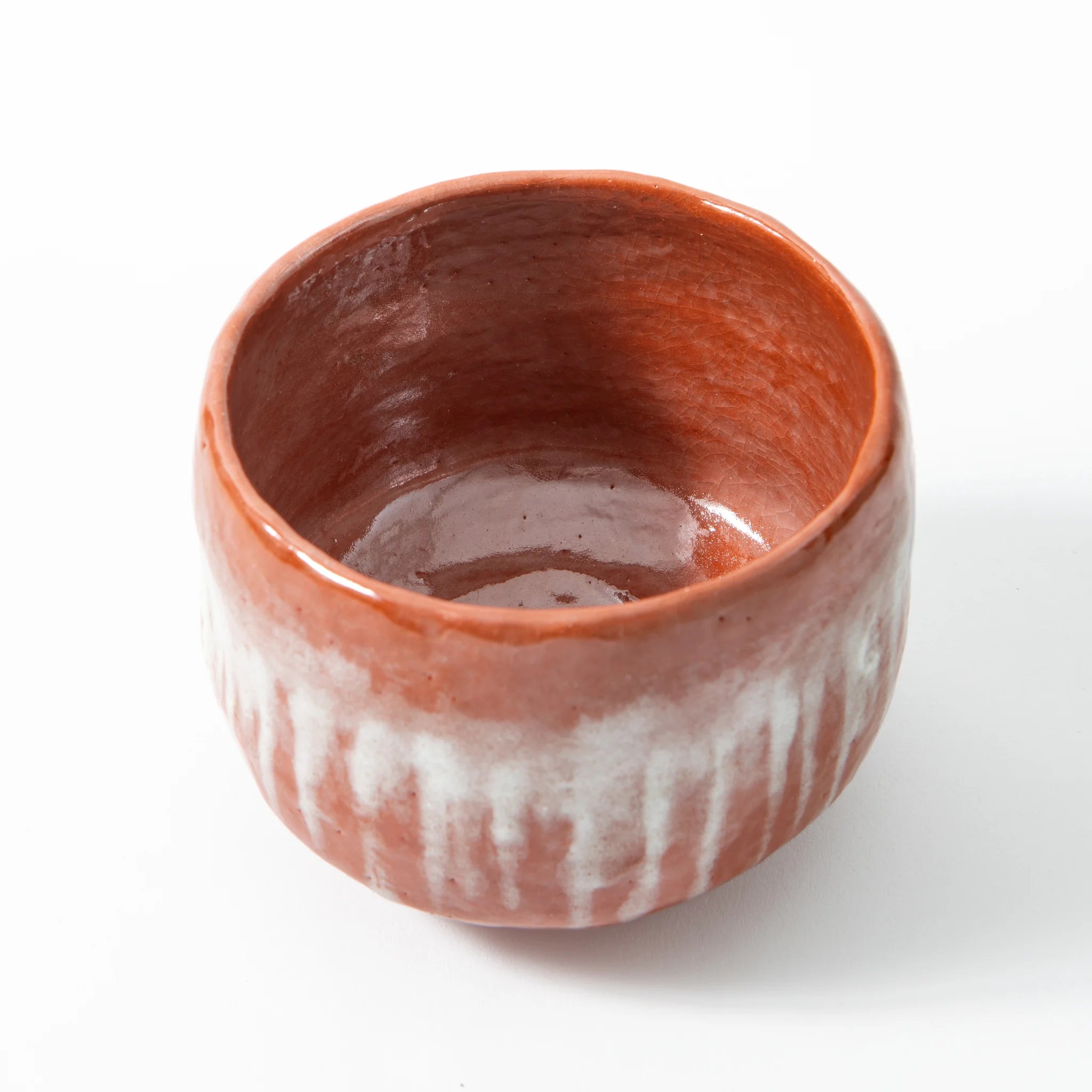
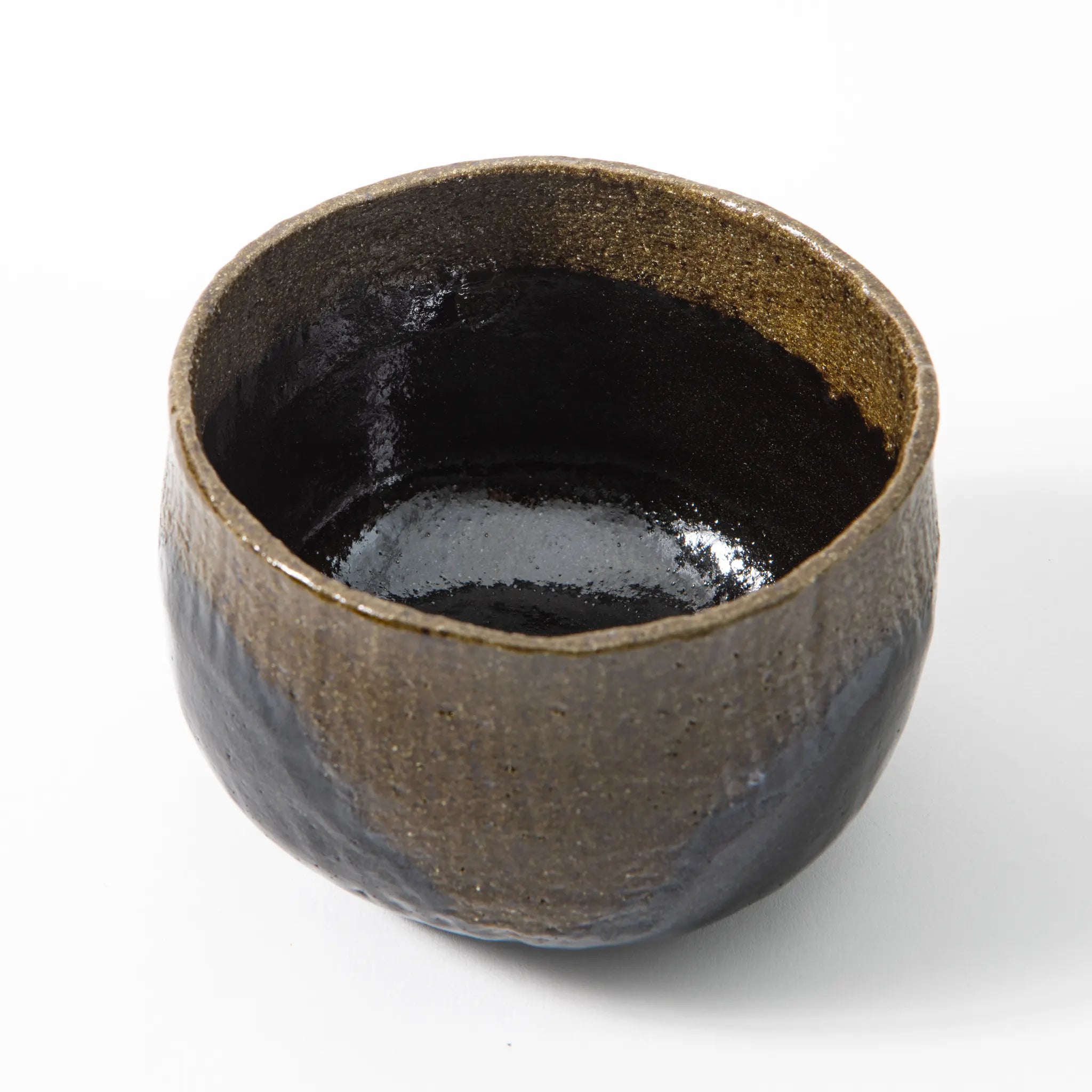
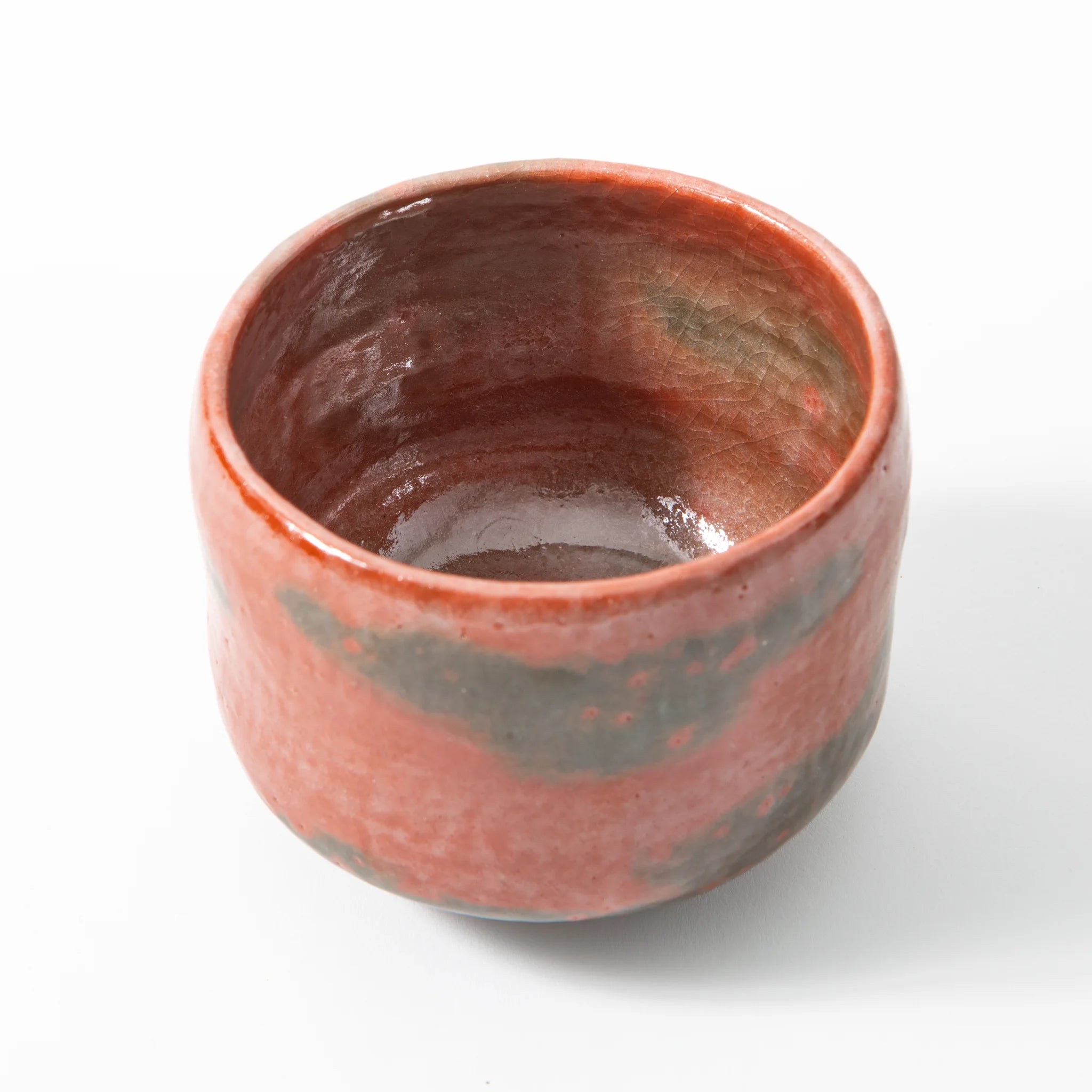
To achieve this level of functionality, the craftsmen at Shoraku focus intently on the internal anatomy of the vessel. Every bowl is carved by hand according to three traditional structural zones required for the tea ceremony:
-
The Chakin-zure: The upper interior rim where the chakin (hemp wiping cloth) must glide smoothly to cleanse the bowl.
-
The Chasen-zure: The inner walls against which the chasen (bamboo whisk) moves rapidly back and forth to froth the tea.
-
The Chadamari: The small, shallow well at the very bottom where the last drops of matcha collect.

If these sections are not shaped with precision, the whisk cannot move as it should, and the tea cannot be prepared correctly. The goal is not a vessel that draws attention, but one that disappears into the ritual and allows the moment of tea to unfold.

The Continuation of the Craft
The continuity of this 450-year-old tradition ultimately relies on its active role within both the local and global communities. The current head of Shoraku Kiln notes a fundamental challenge to the future of the craft:
“If there are no people left to use them, our work will disappear.”
These bowls cannot exist as museum pieces or decorative objects. The survival of the craft depends entirely on the continuation of the ritual itself. The number of tea ceremony practitioners in Japan continues to decline alongside a falling population. "It worries me deeply,” the master has said.

At the same time, he observes a growing interest in the tea ceremony within the global community. The head of the kiln recalled a conversation with a workshop participant from France, who said that matcha does not simply nourish the body, but also brings peace to the soul.
“That deeply moved me,” he reminisced.
The global interest may yet secure the future of Raku ware. These vessels were made to be used, and as long as practitioners around the world continue to engage with the tea ceremony, the bowls will continue to leave the kiln and fulfill the purpose for which they were made.