
How Japan Keeps an Autumn That Won't Last
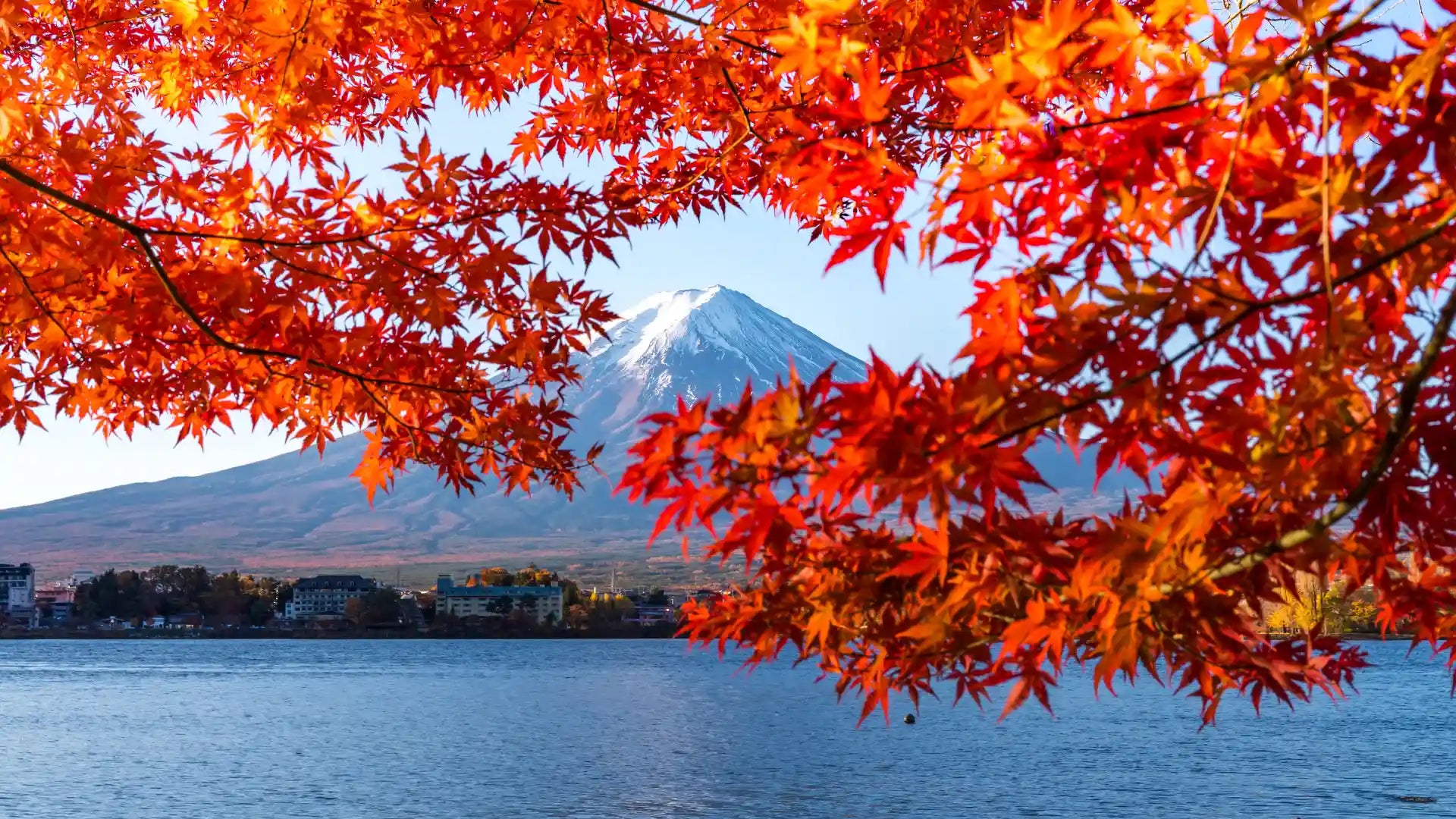
Every year, a line of color starts in the mountains of Hokkaido in September and takes roughly ten weeks to reach the southern coast, and for nearly twelve hundred years, watching it pass has been reason enough for people to leave the house. The word for doing this, momijigari, translates to “maple hunting.” Nothing gets caught. The clue to what the word is actually describing sits in the getting-there: Heian court nobles kept cherry and wisteria close to their residences, but momiji grew out in the hills, and reaching it meant walking, a genuinely undignified activity for a noble at the time. Nobles were permitted to leave the capital on foot for only a short list of sanctioned reasons: shrine and temple visits, festivals, and hunting, falconry included. Framing a trip to see the leaves as a hunting expedition, even one where nothing was actually pursued, let a noble make the walk without breaking the rule against it.

What waited in the hills carried a specific weight once anyone arrived. One account from the period describes viewers reading the red of the leaves as mujō, the sense of impermanence running through Buddhist thought, seeing the coming loneliness of winter, and their own passing, in a color about to disappear for the year. Cherry blossoms, taken in the same spirit each spring, mark an opening. Momiji marks a closing, and the two seasons have been read as a matched pair ever since.

What Made It Everyone’s Habit
The practice stayed a minor court pursuit for centuries. What turned it into a national one was infrastructure, not sentiment: a mid-Edo boom in pilgrimage travel got ordinary people moving around the country for the first time, and illustrated guidebooks began naming specific viewing spots. People followed the books, set up curtained ground under the trees, ate and drank there, the same format still used for hanami today, run in the opposite season. Once the trip belonged to everyone, so did the question of where, exactly, everyone should go, and that question has been argued over ever since.

A List That Stopped Updating a Decade Ago
Ask an English-language guide where to see koyo today and the answer is almost always the same handful of names: Arashiyama, Nikko, a run of temples through Kyoto’s Higashiyama district. That list has barely moved across a decade of guidebooks. It isn’t wrong, exactly. It’s just increasingly out of step with where current interest is actually pointed.
One live tracker following nearly 1,200 leaf-viewing locations nationwide, updated daily by traffic and by reader votes for “want to go” and “went, and it was worth it,” told a different story as of September 2026, ahead of this year’s season. The most-viewed individual location was Tanigawadake, a mountain in Gunma where bare rock cuts against turning slopes, not a temple garden. A gondola ride over turning forest in Niigata carried by far the highest vote count of anywhere on the list. A ropeway-accessed highland in Nagano and a straight road lined with roughly 500 turning trees in Shiga rounded out the top five. Arashiyama and Nikko sat outside the day’s most-viewed pages entirely, present only on a separate list of generally well-known areas, a softer measure of name recognition rather than live interest.

What’s Worth Keeping
Wherever the trip lands, the color itself holds for something like three weeks at a given elevation before it’s gone, which is closer to the point than a flaw. The Heian reading of momiji as mujō, worth seeing precisely because it wouldn’t last, is the same instinct behind almost everything that came after it. By the time momijigari belonged to everyone, Edo print publishers were selling the view itself: Hiroshige’s One Hundred Famous Views of Edo includes a sheet of a shrine footbridge under a canopy of red maple, letting a city buyer with no time for the hills own the feeling anyway. Kimono and textile patterns from the same period did the same work in cloth, on something worn rather than hung.
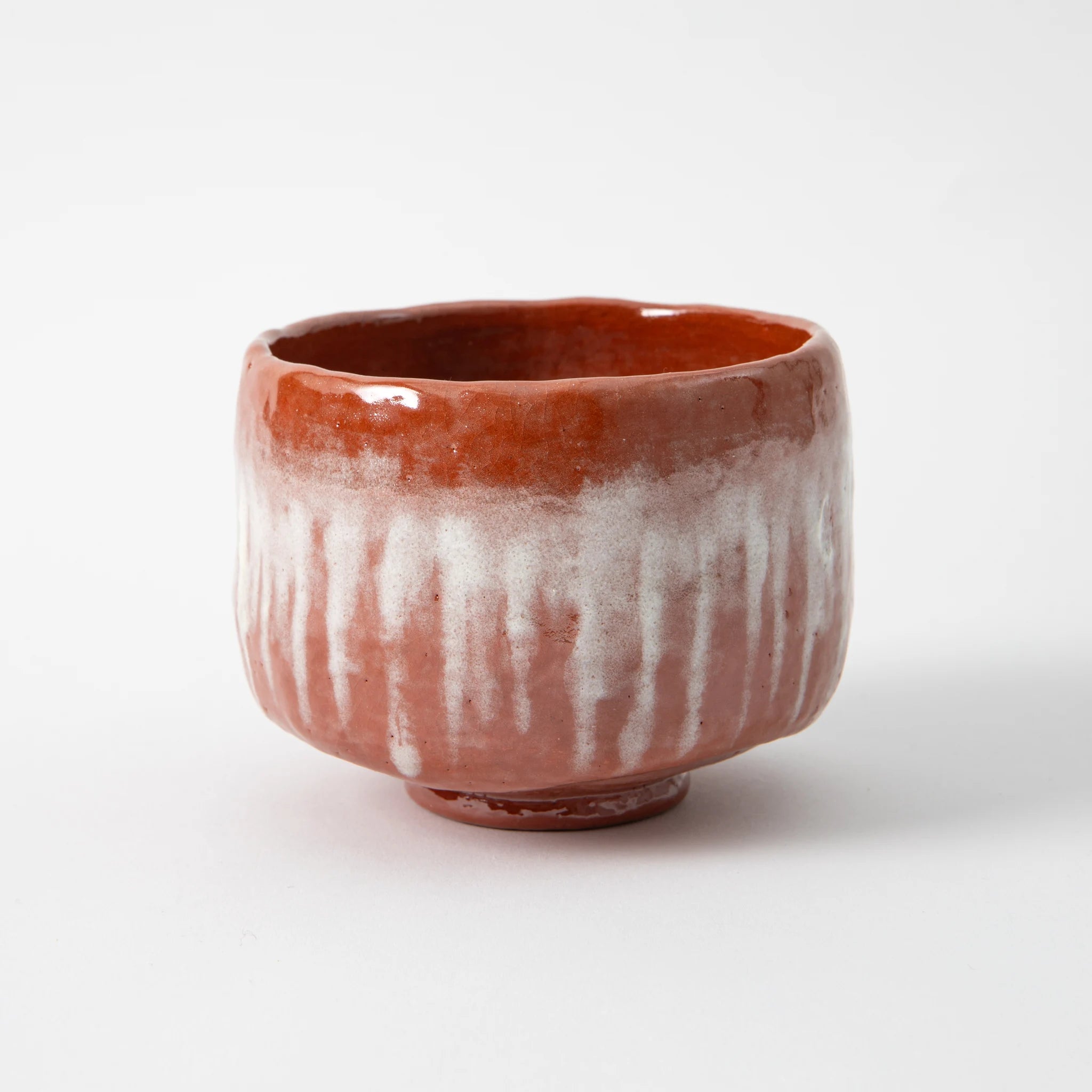
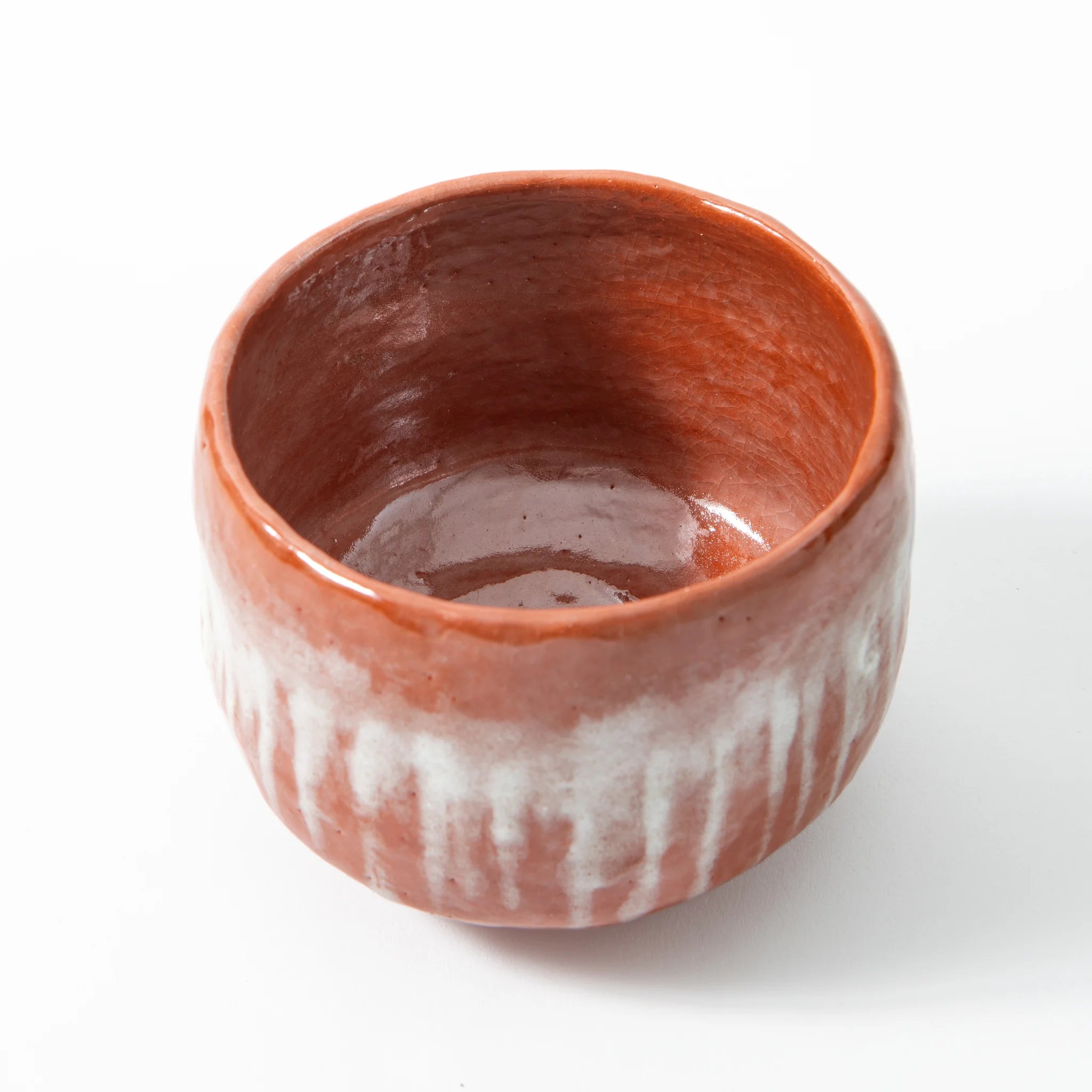
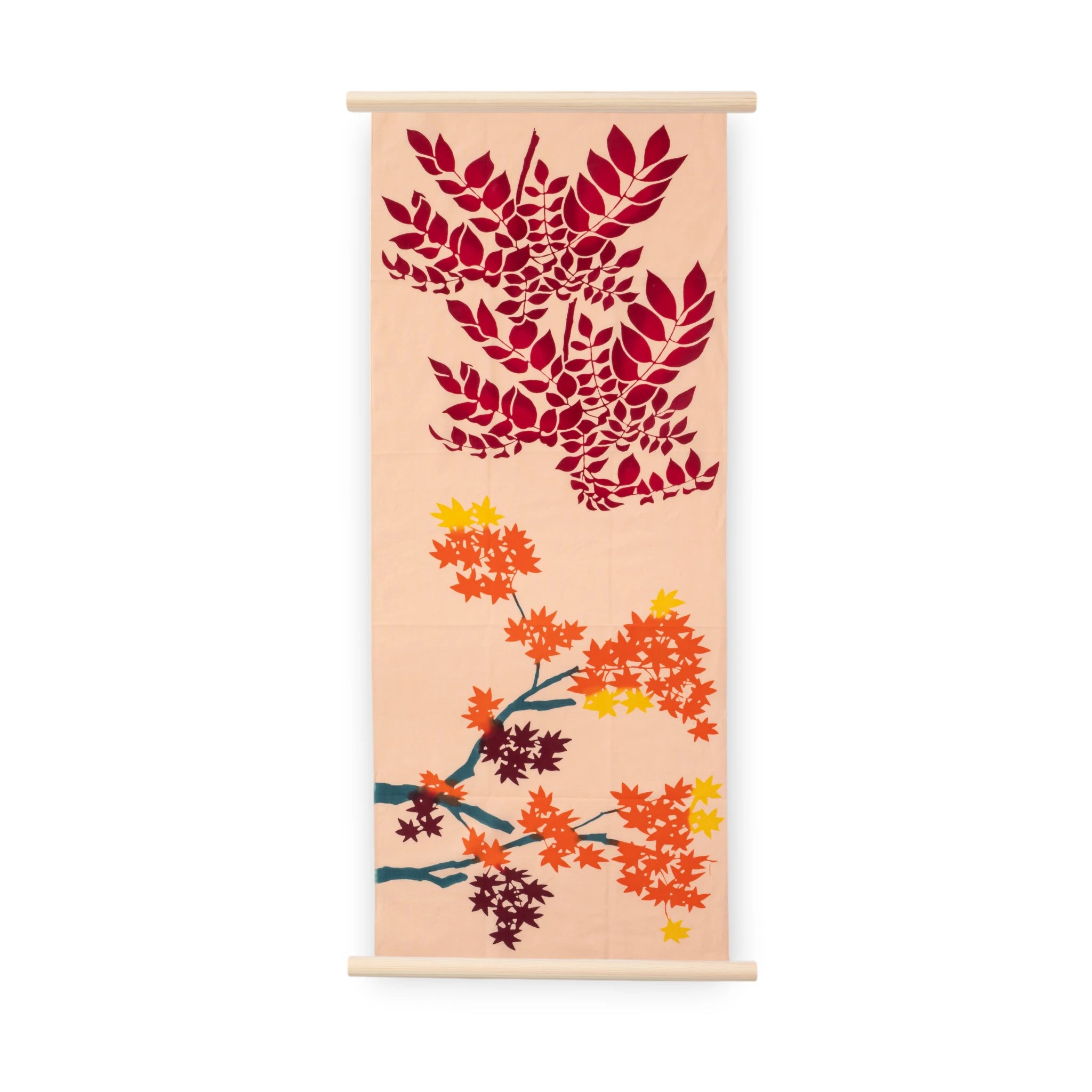
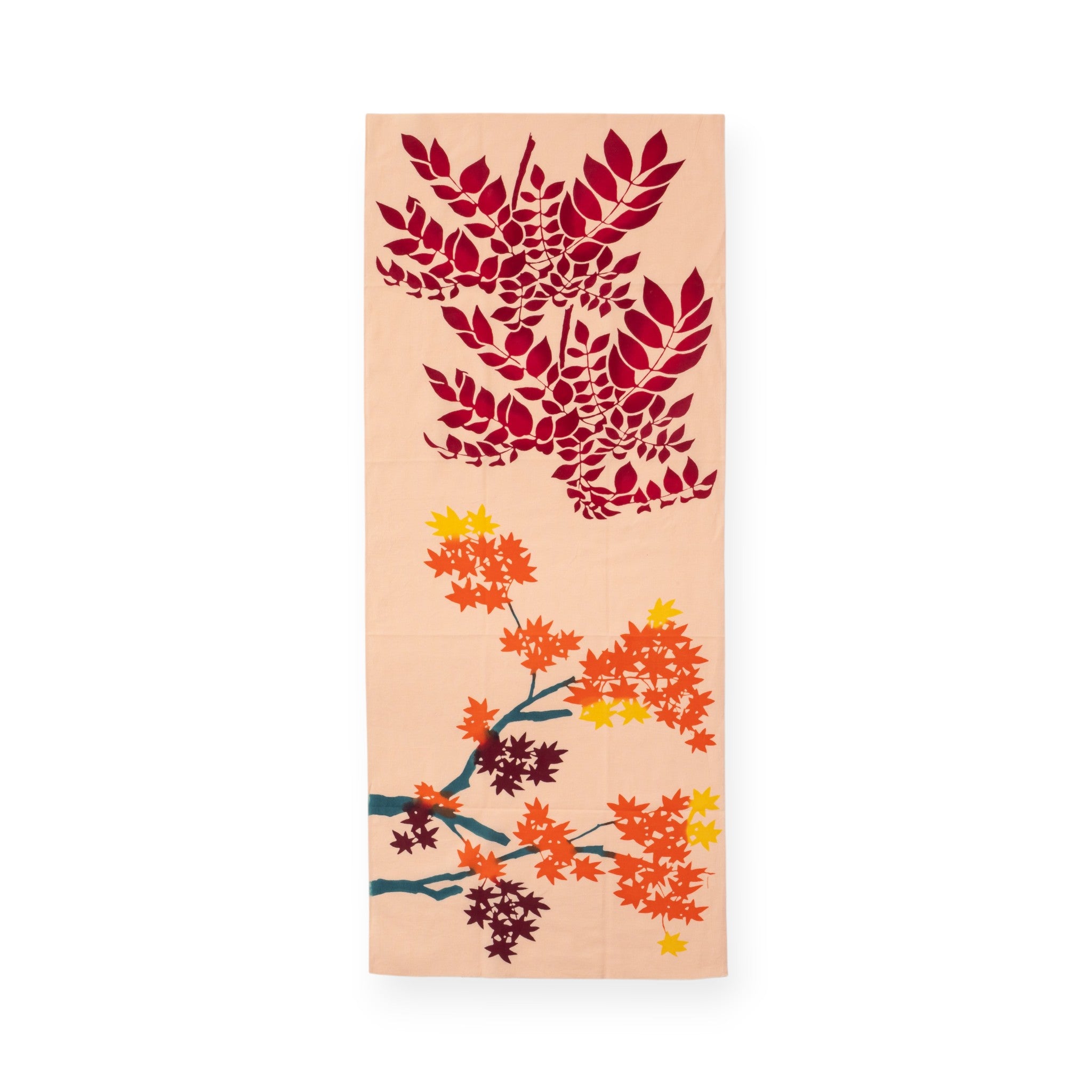
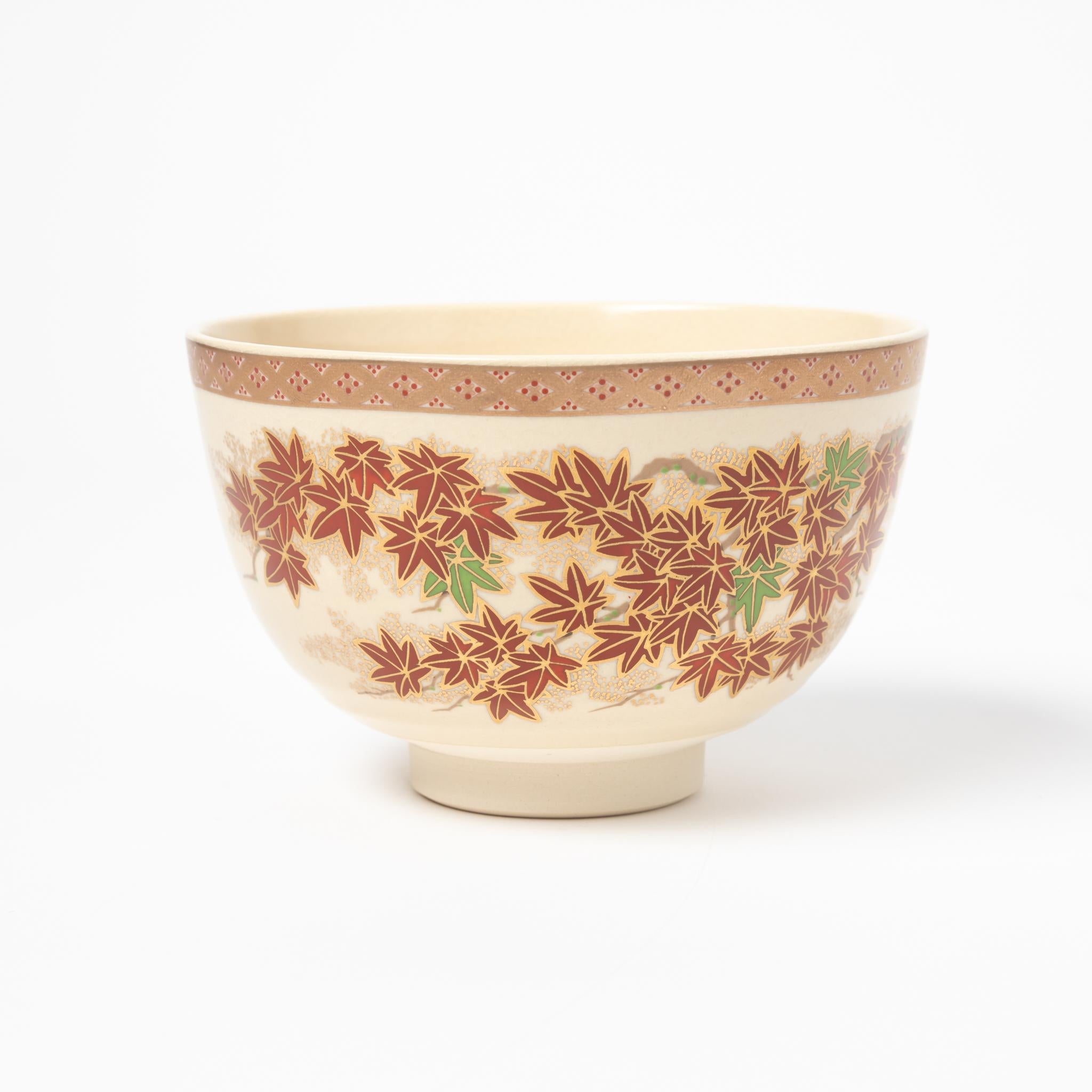
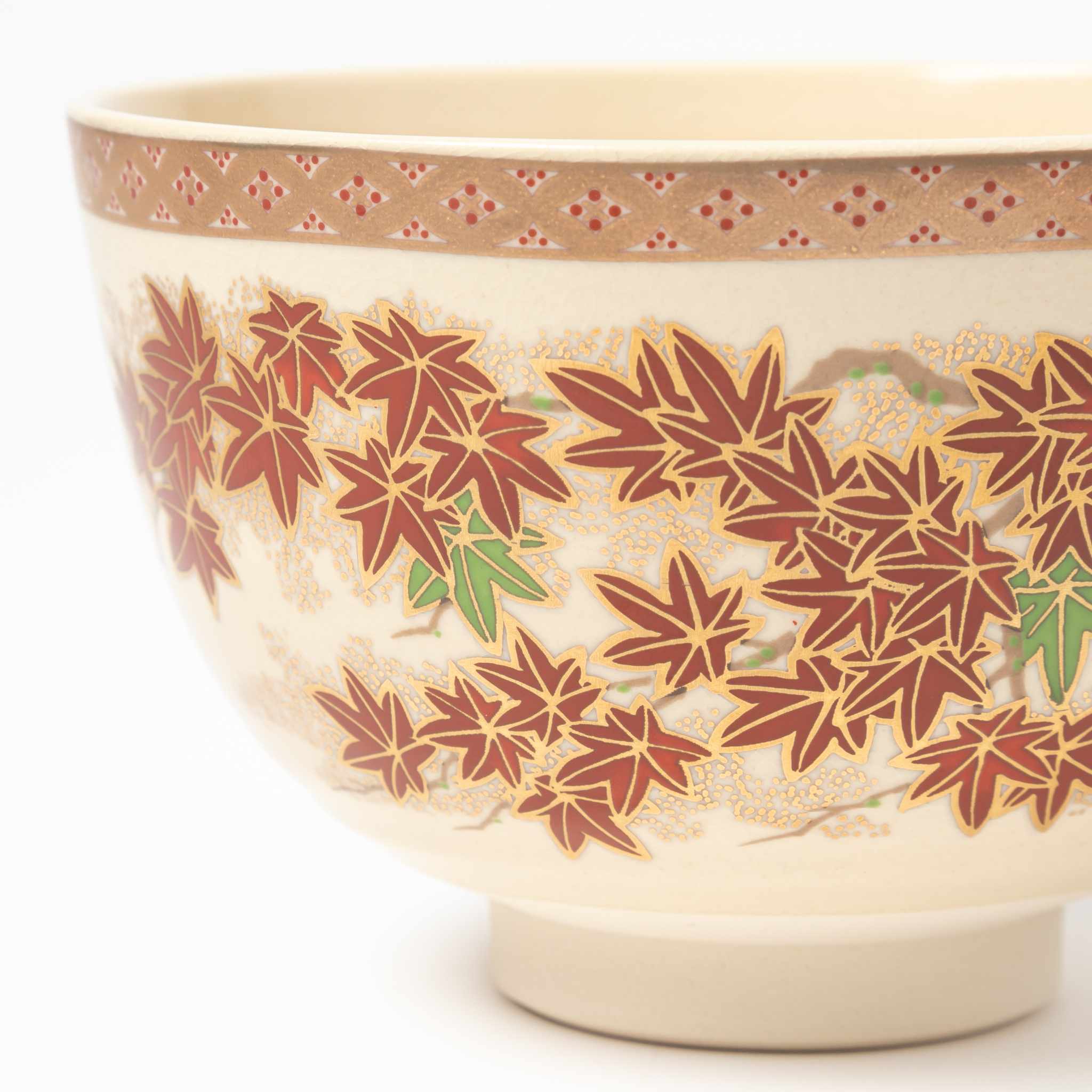
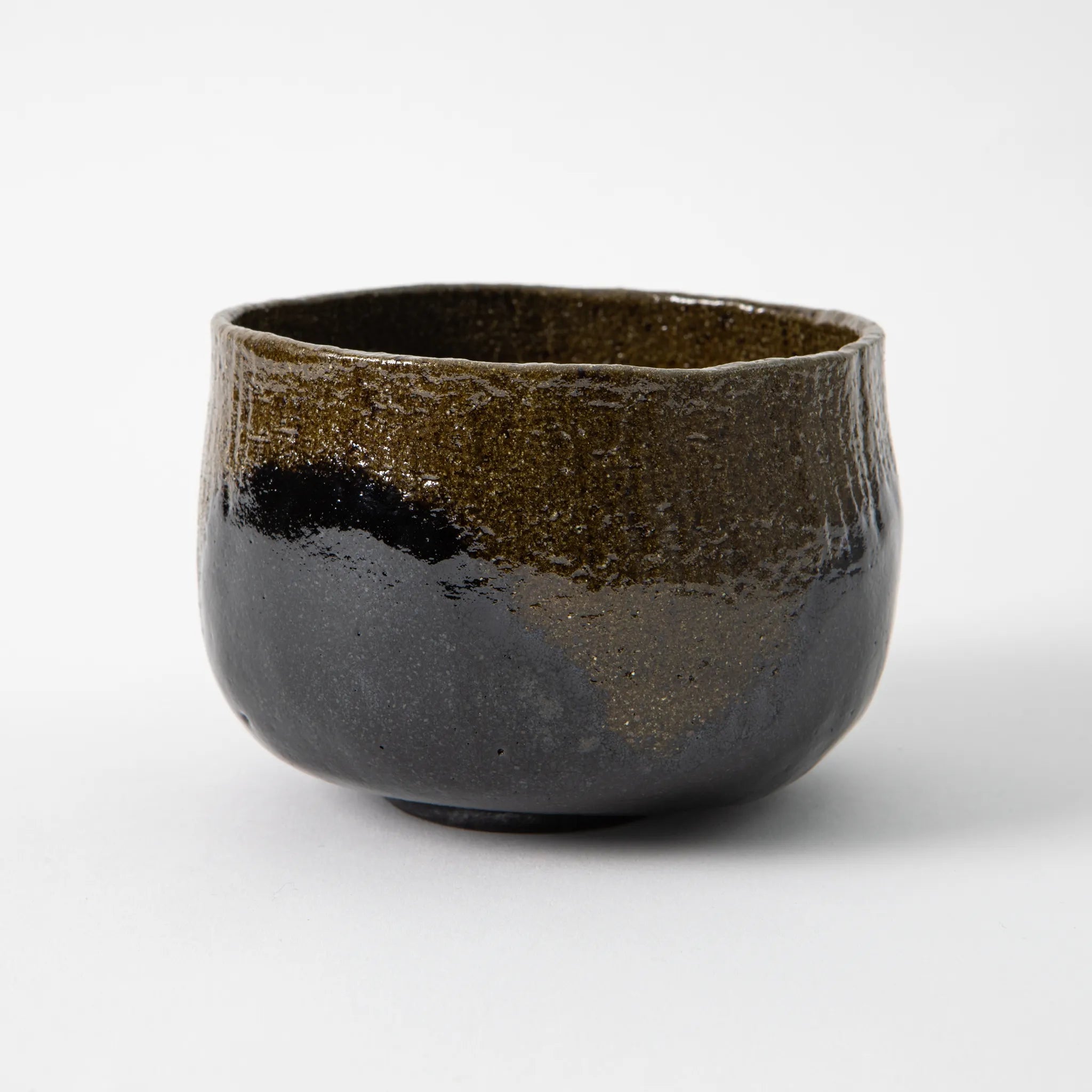
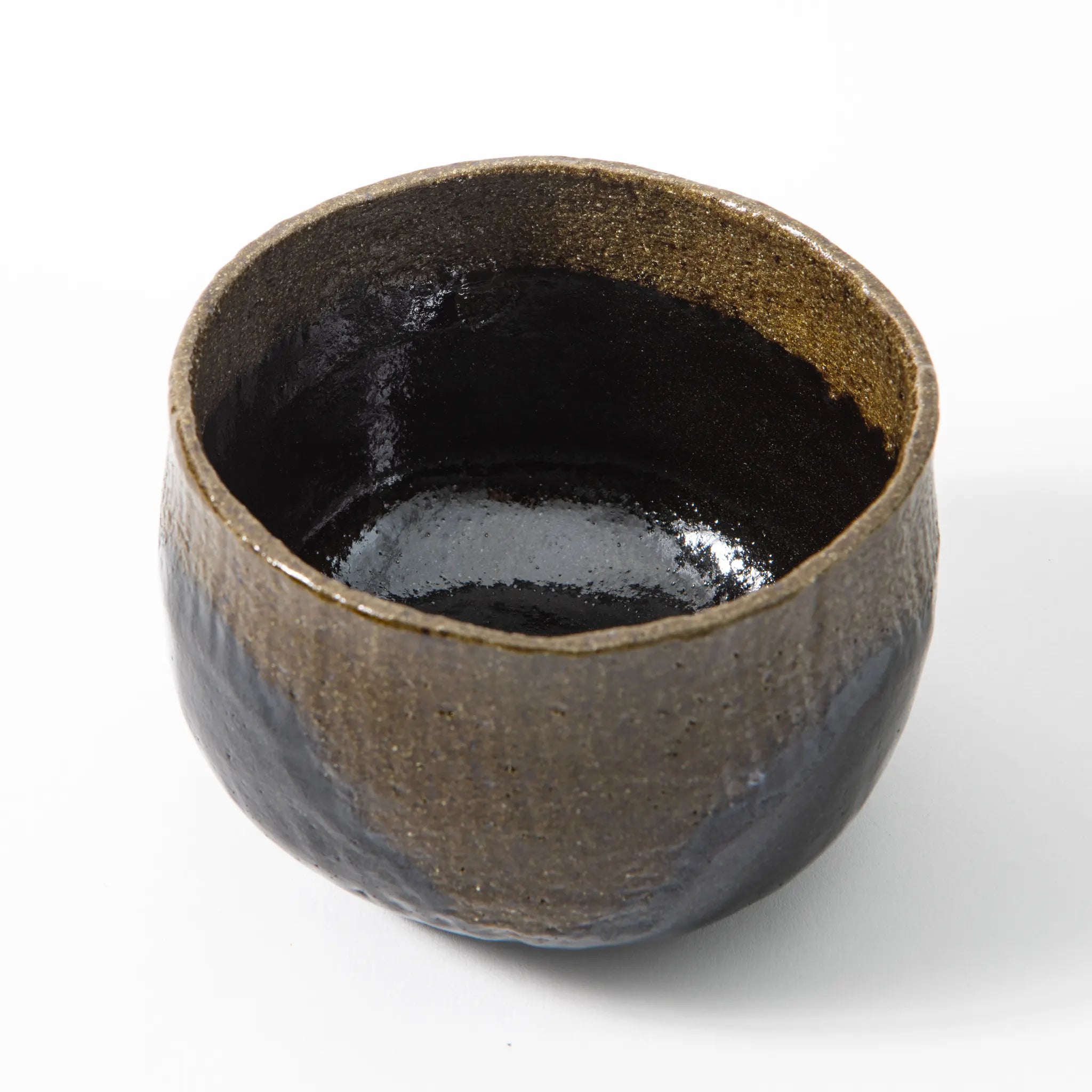
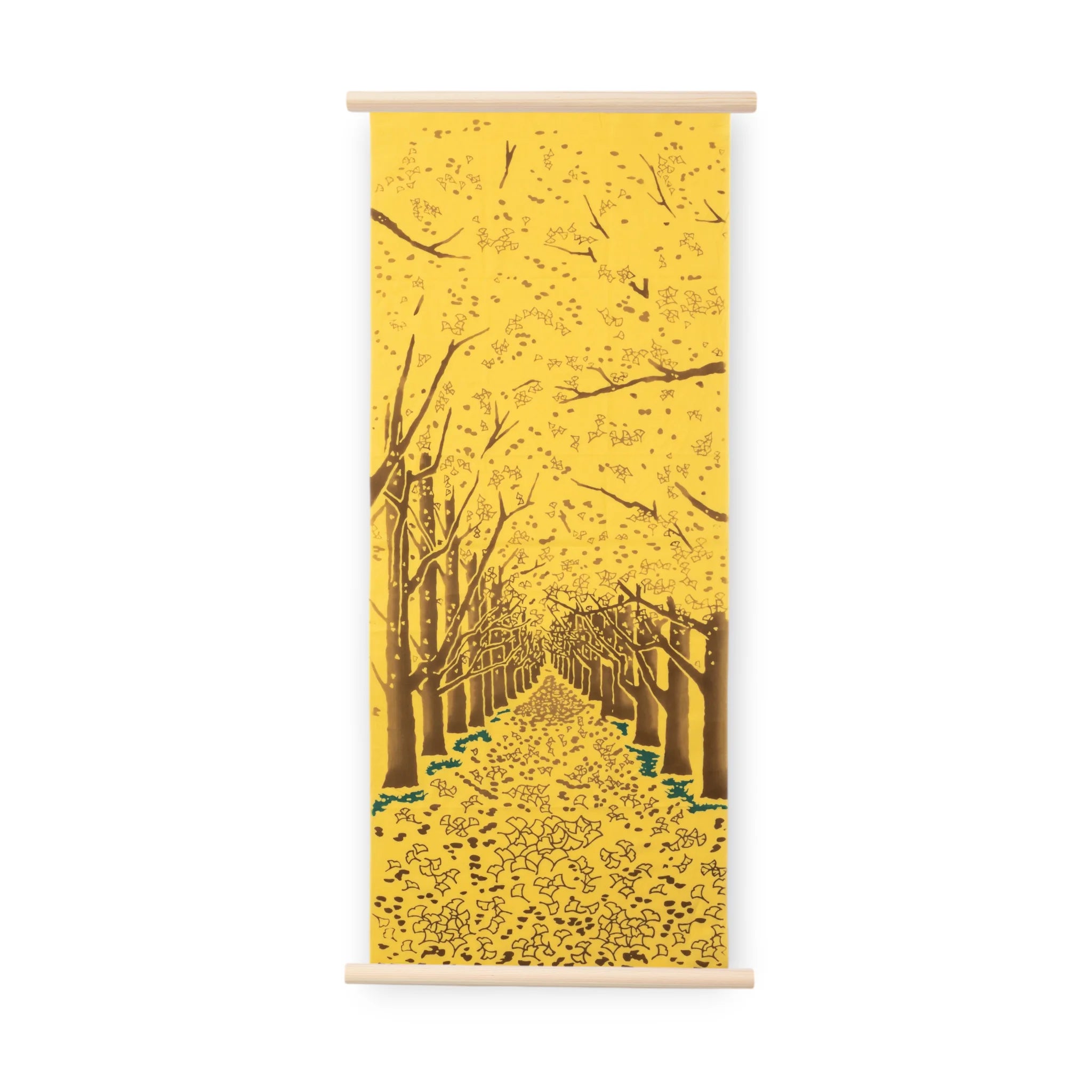
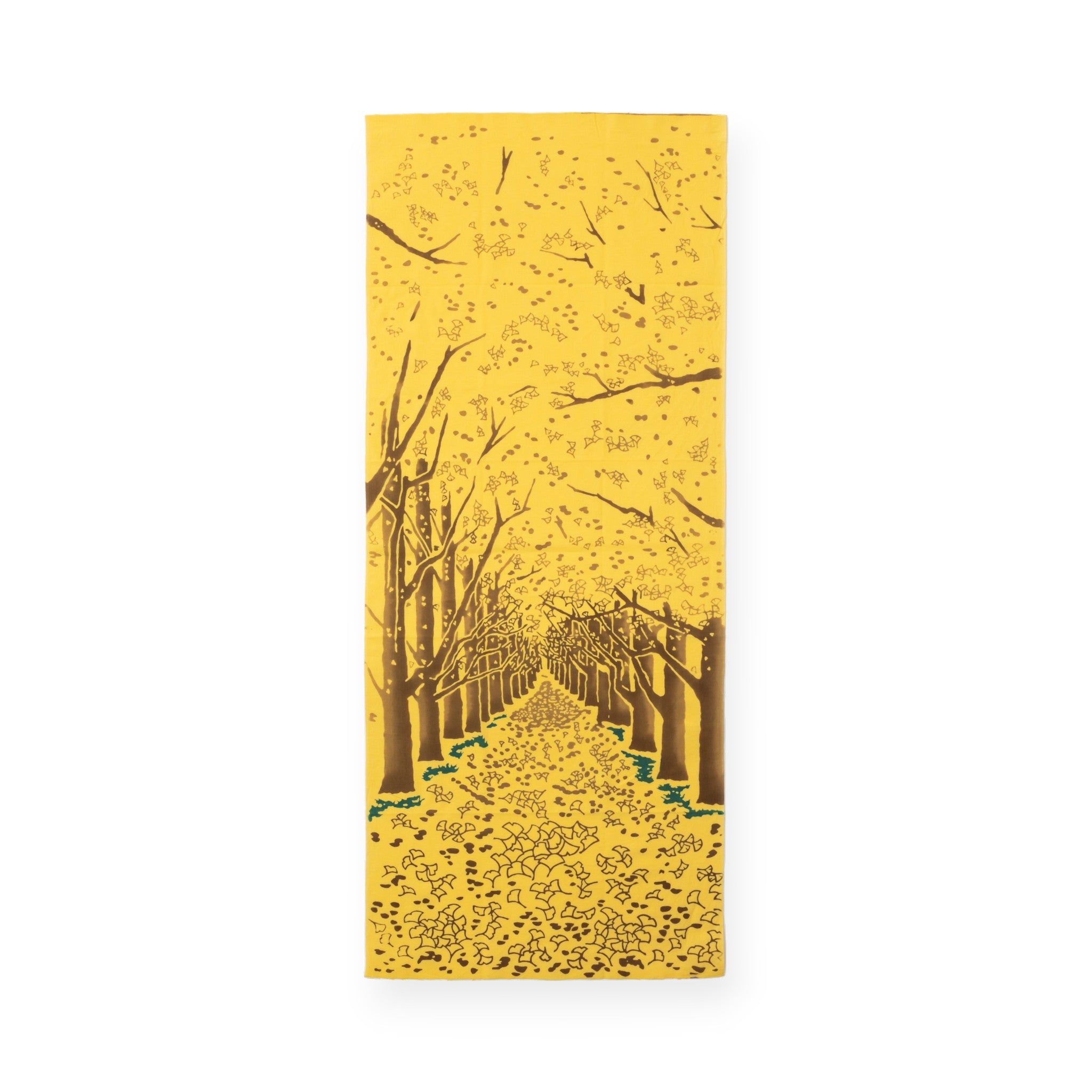
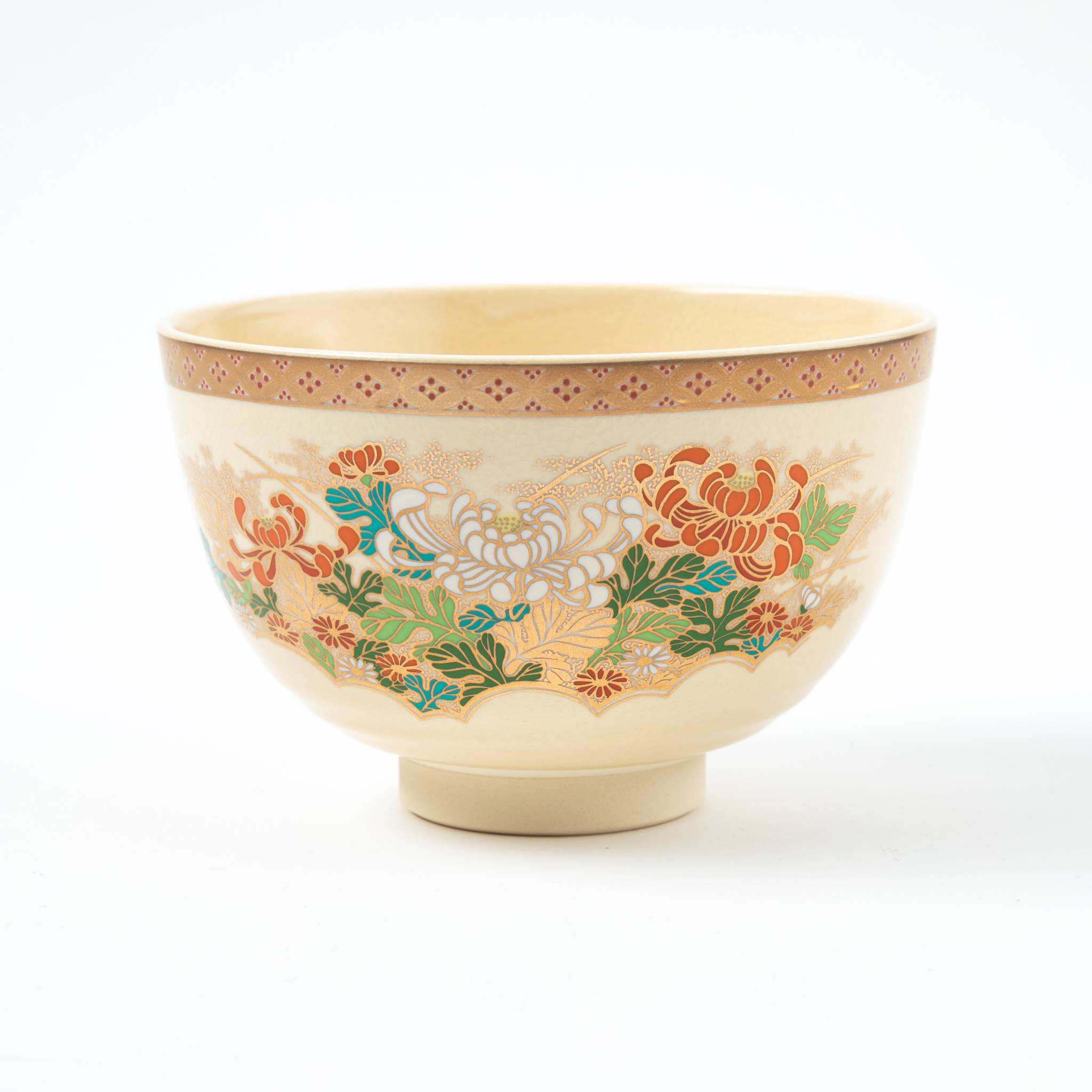
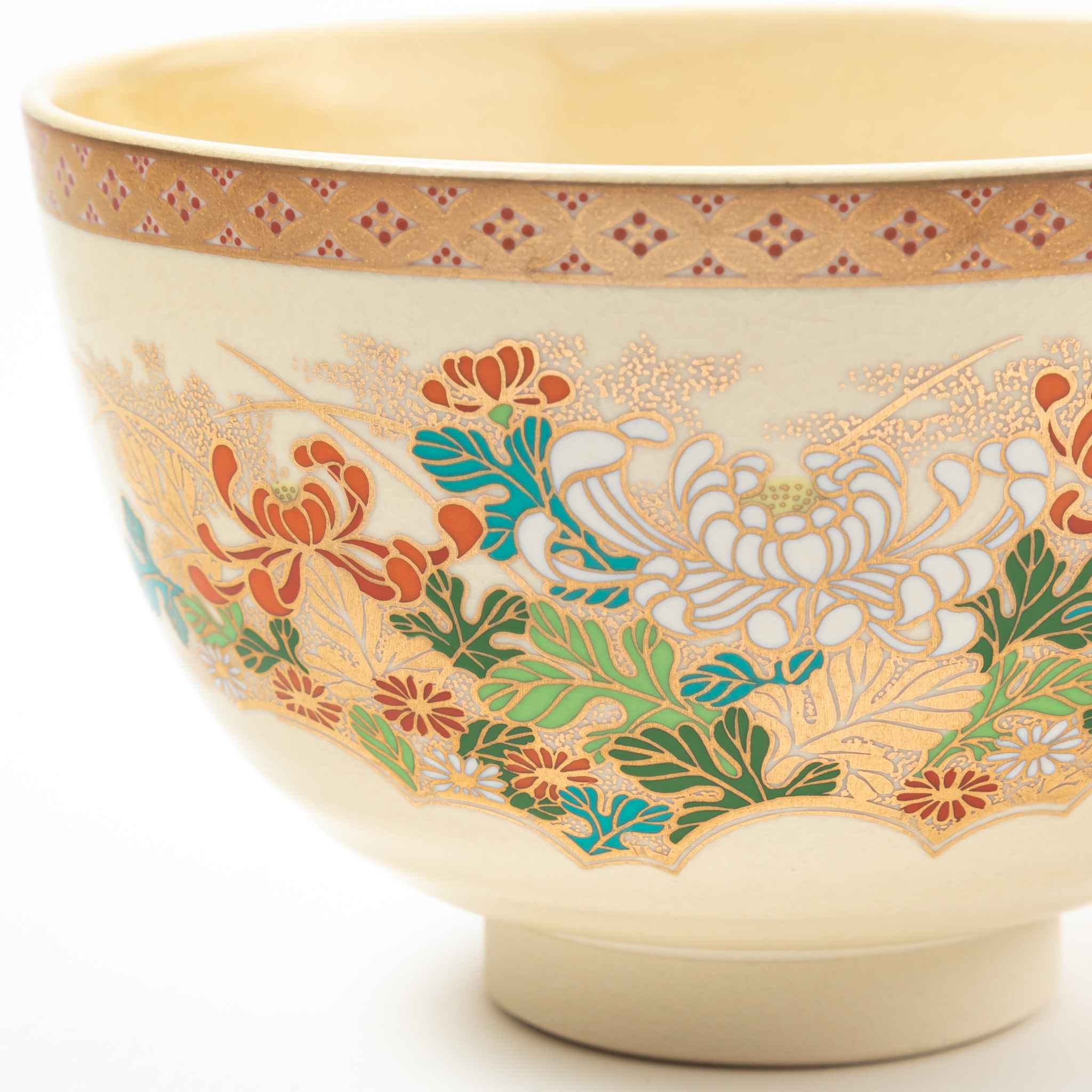
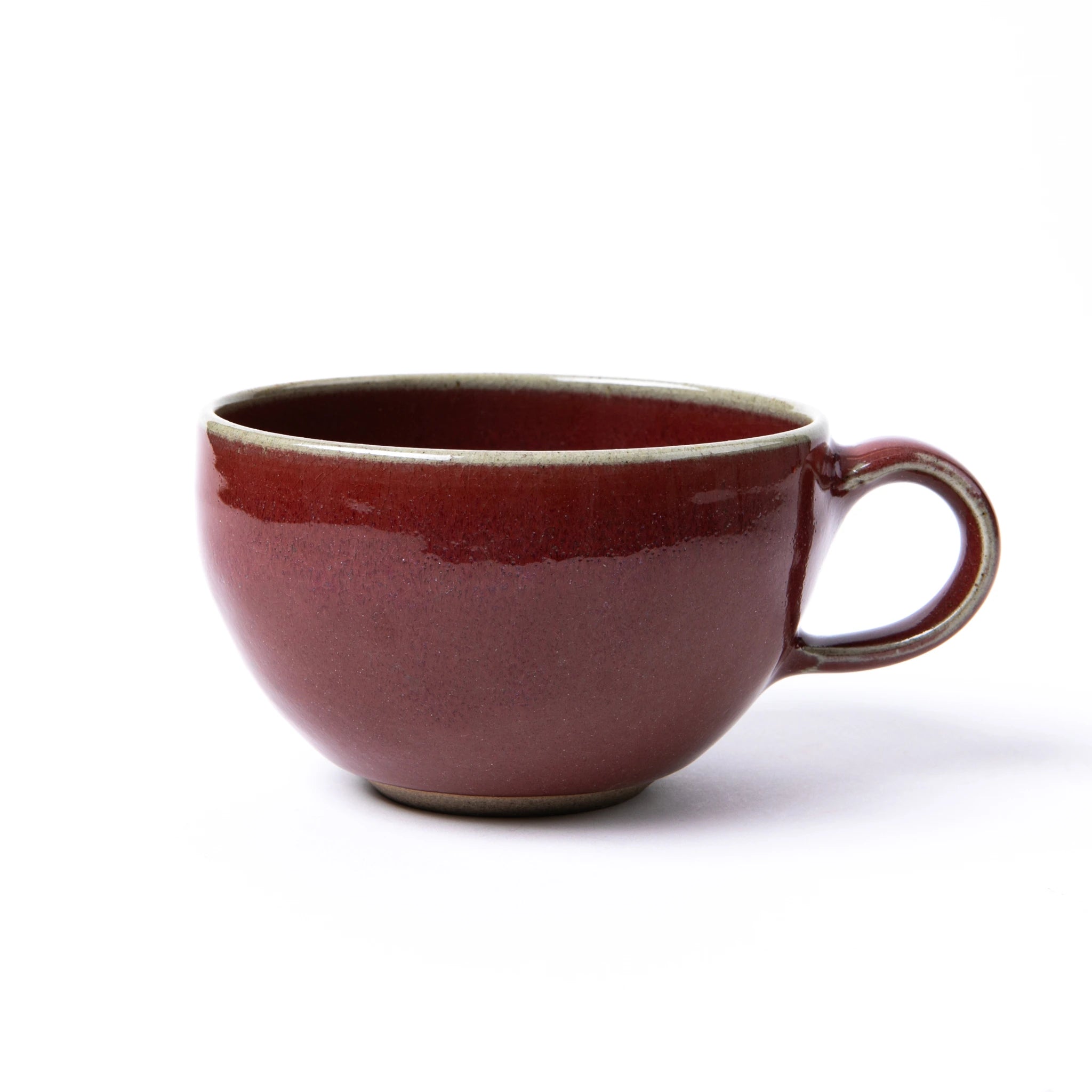
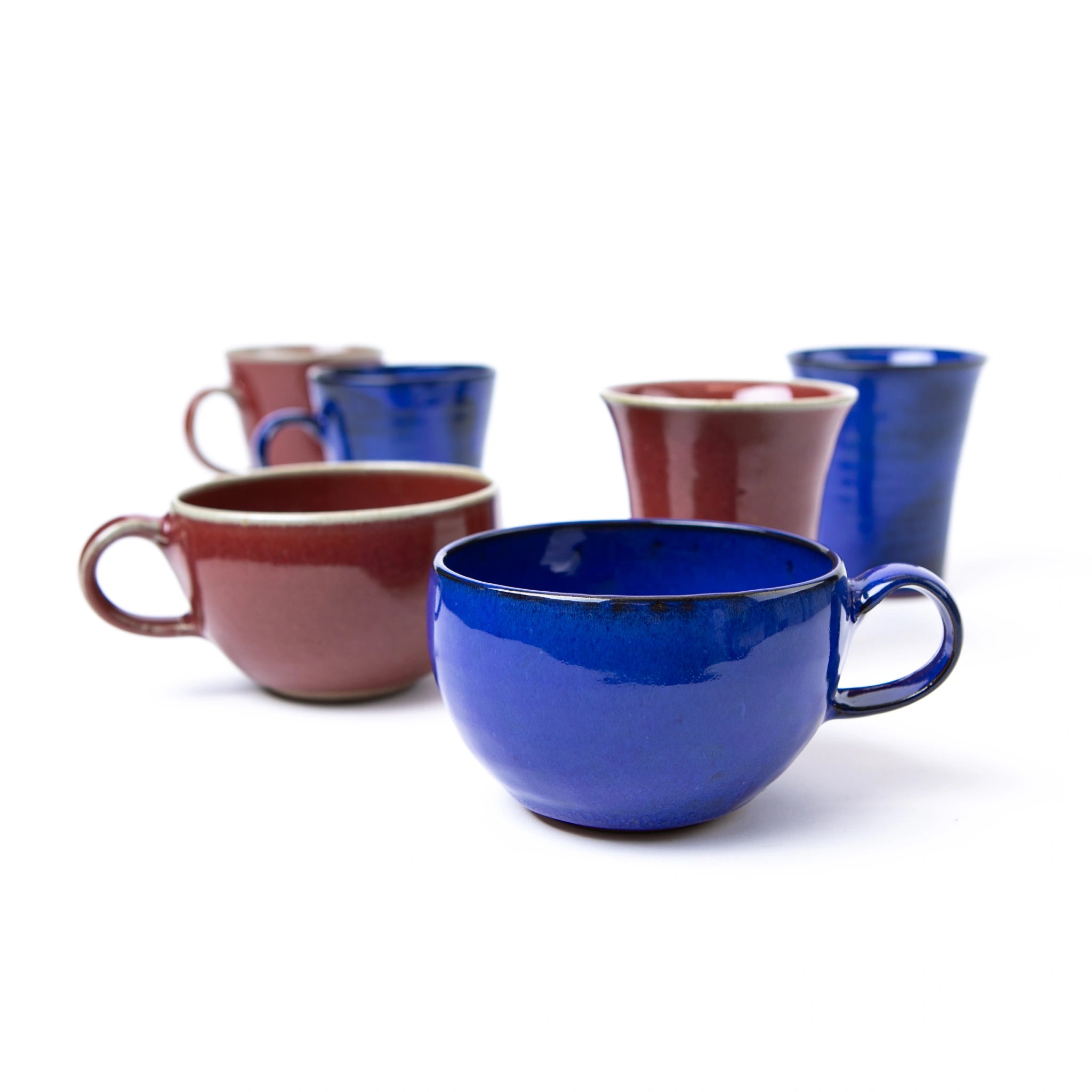
A hand-dyed tenugui patterned with nanakamado and autumn maple, meant to be displayed on its own stand rather than used as a cloth, is doing that same job now. So is a matcha bowl carrying a single red maple leaf across pale porcelain, made to be used daily rather than admired from a distance. Both sit in Omakase’s Autumn Elegance collection, alongside chrysanthemum-glazed cups and lacquerware carrying the same motifs, a much older answer to a fairly simple problem: how to hold onto a season that was never going to stay still long enough to be held.