The New Year Tradition in Japan: Shaping the Year with Purpose and Prosperity
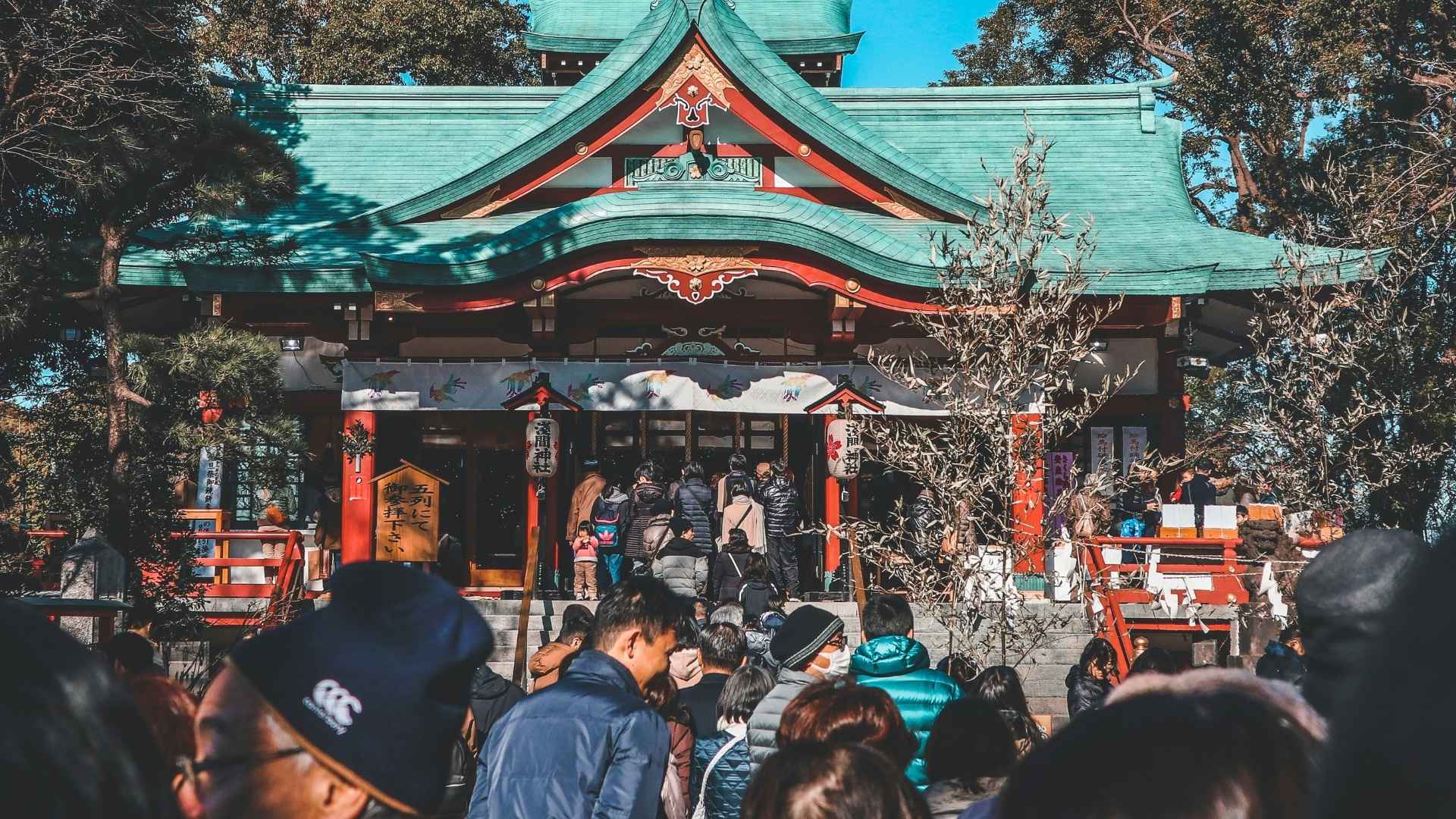
In Japan, the New Year or Oshōgatsu is a season unlike any other. For a few quiet days, the pace of the entire country slows. Shops shutter, offices close, and cities that are usually restless fall into a rare sense of stillness. Families return to their hometowns, gathering around warm meals and shared traditions that have shaped generations. It is a time meant not for celebration in the loud sense, but for renewal, an intentional pause and rest between what has been and what is yet to come.
Before the New Year, homes are carefully cleaned, sweeping away the dust of the previous year to make space for good fortune. The first shrine visit, hatsumōde, is made with a sense of reverence, as people line up to offer prayers for health, prosperity, and clarity in the months ahead. Oshōgatsu is more than a holiday; it is a collective resetting of spirit. A moment when tradition, intention, and hope quietly intertwine, preparing each household to step into the new year with a renewed sense of purpose.
Amid these New Year rituals, certain good-luck charms hold a meaningful place in Japanese homes. They are more than ornaments; they serve as quiet companions for the year ahead, embodying the hopes each household carries into January.
The Role of Good-Luck Charms in Welcoming the New Year
In Japan, the transition into a new year is often marked by the presence of engimono, which directly translates to “good luck charm”. These objects are believed to invite luck, protection, and prosperity. These charms are woven into everyday culture, but their significance deepens during the New Year, when households consciously shape the energy they wish to carry into the months ahead.
From shrine offerings to small ornaments placed at the entrance of a home, engimono serve as gentle anchors of intention. They are selected not for superstition alone, but for the sense of reassurance and focus they bring to a fresh start. Each charm carries a distinct meaning; some usher in good fortune, others encourage resilience, and some are believed to open pathways for opportunity.
Among these symbols of renewal, none is as beloved as the resolute Daruma and the Maneki Neko, each offering its own gentle promise of guidance, resilience, and good fortune as the new year begins.
 Daruma: A Symbol of Resolve and Purpose
The Daruma holds a special place during the New Year as a companion for setting intentions. Handcrafted into round, resilient figures designed to rise no matter how many times they fall, the Daruma’s expressive face and sturdy form reflect unwavering perseverance. This enduring spirit makes it a natural symbol for Oshōgatsu, inviting people to choose a goal for the year. Start by filling in the right eye when setting a goal at the beginning of the year, and follow up by filling in the left eye once the goal is achieved.
Traditionally made from papier-mache and painted in vibrant colors accented with gold, each Daruma reflects a legacy of careful, time-honored craftsmanship. Yet its true significance lies beyond its form. The Daruma is valued for the quiet discipline it inspires; at the start of the year, many households and businesses welcome a new Daruma as a companion for setting goals and intentions, a steady, visible reminder of the commitments they choose to pursue.
For readers interested in its deeper history and the traditional practice of using the Daruma for goal setting, we also recommend our previous article: The Spirit of Takasaki Daruma: A Symbol of Perseverance.
 Artisans Behind the Tradition: Imai Daruma NAYA
Founded in 1930, Imai Daruma NAYA is one of the long-standing guardians of Daruma-making in Japan. Producing over 50,000 handcrafted Daruma each year, they preserve traditional techniques while incorporating subtle modern touches, resulting in pieces that feel both timeless and relevant. Their craftsmanship embodies the spirit of perseverance and renewal that defines the Daruma tradition.
 While the classic red Daruma is the most iconic, the Daruma crafted by Imai Daruma NAYA comes in a spectrum of colors, each carrying a distinct intention:
-
Red → Good luck and general prosperity
-
Gold → Wealth, success, and achievement
-
White → Purity, clarity, and fresh beginnings
-
Black → Protection from misfortune
-
Green → Health and well-being
- Purple → Health, longevity, and self-improvement
- Pink→ Love, romance, and healthy childbirth
Choosing a color that aligns with your personal goals adds a thoughtful, intentional layer to the ritual. It transforms the Daruma from a simple symbol of luck into a deeply personal guide for the year ahead.
 Maneki Neko: Inviting Good Fortune Into the Year Ahead
If the Daruma embodies perseverance, then the Maneki Neko represents welcome, the gentle act of opening one’s door to good fortune. As the New Year begins, this iconic figure often finds its place in homes and storefronts, its raised paw quietly beckoning prosperity, harmony, and new opportunities.
Rooted in centuries of folklore, the Maneki Neko has long served as a guardian of abundance. Displayed near an entrance or workspace, it acts as a charm of openness: a reminder to receive blessings as readily as we pursue them.
Unlike the resolute stillness of the Daruma, the Maneki Neko carries a softer symbolism tied to the invisible threads of connection and opportunity. For the New Year, many choose a Maneki Neko whose expression or color resonates with the kind of fortune they hope to welcome, whether prosperity in business, harmony in the household, or a general sense of auspicious beginnings.
For readers interested in exploring the deeper symbolism, history, and meaning behind the lucky cat’s form and gesture, we also recommend our previous article: The Lucky Cats of Japan: A Guide to the Alluring Maneki Neko.
 Artisans Behind the Tradition: Chugai Toen
Located in the historic pottery city of Seto, Chugai Toen carries forward more than a millennium of ceramic heritage. Founded in 1952, the workshop blends traditional Seto-ware techniques with a clean, contemporary aesthetic. Each Maneki Neko is crafted using plaster molds, then finished with the delicate detailing the region is known for. Their pieces, available in classic calico and a variety of symbolic colors, embody Seto’s legacy of craftsmanship while offering a modern, heartfelt take on the beloved beckoning cat.

Artisans Behind the Tradition: Choemon Kiln
Situated in Nomi, Ishikawa, Choemon Kiln carries more than 140 years of Kutani-ware artistry into the present day. Founded in 1879 and now led by sixth-generation head Keigo Kamide, the kiln is known for uniting every step of porcelain production under one roof, rare in a region where work is typically divided among specialized studios.
Their ceramics showcase the bold indigo tones and five traditional colors of Kutani ware, blending classical elegance with modern creativity. From refined tableware to contemporary collaborations, Choemon Kiln continues to expand the boundaries of Kutani tradition while honoring the craftsmanship that defines it.
Welcoming the New Year With Meaning and Intention
As Japan steps into the quiet glow of a new year, symbols like the Daruma and Maneki Neko take on deeper resonance. They are more than ornaments or traditions passed down through time; they are reminders of the values that shape the months ahead: perseverance, openness, intention, and hope. Whether you choose a Daruma to help you stay anchored to a personal goal, or a Maneki Neko to invite abundance and harmony into your space, each charm carries with it the hands and histories of the artisans who keep these traditions alive.
As you welcome the year’s first days, may these small but meaningful companions bring clarity to your aspirations, warmth to your home, and a sense of renewal that lasts well beyond Oshōgatsu.