Skip to content

Cart

Your cart is empty

Nakazato Tarouemon Chosen Karatsu Mukozuke Serving Dish

Sale price$139.00

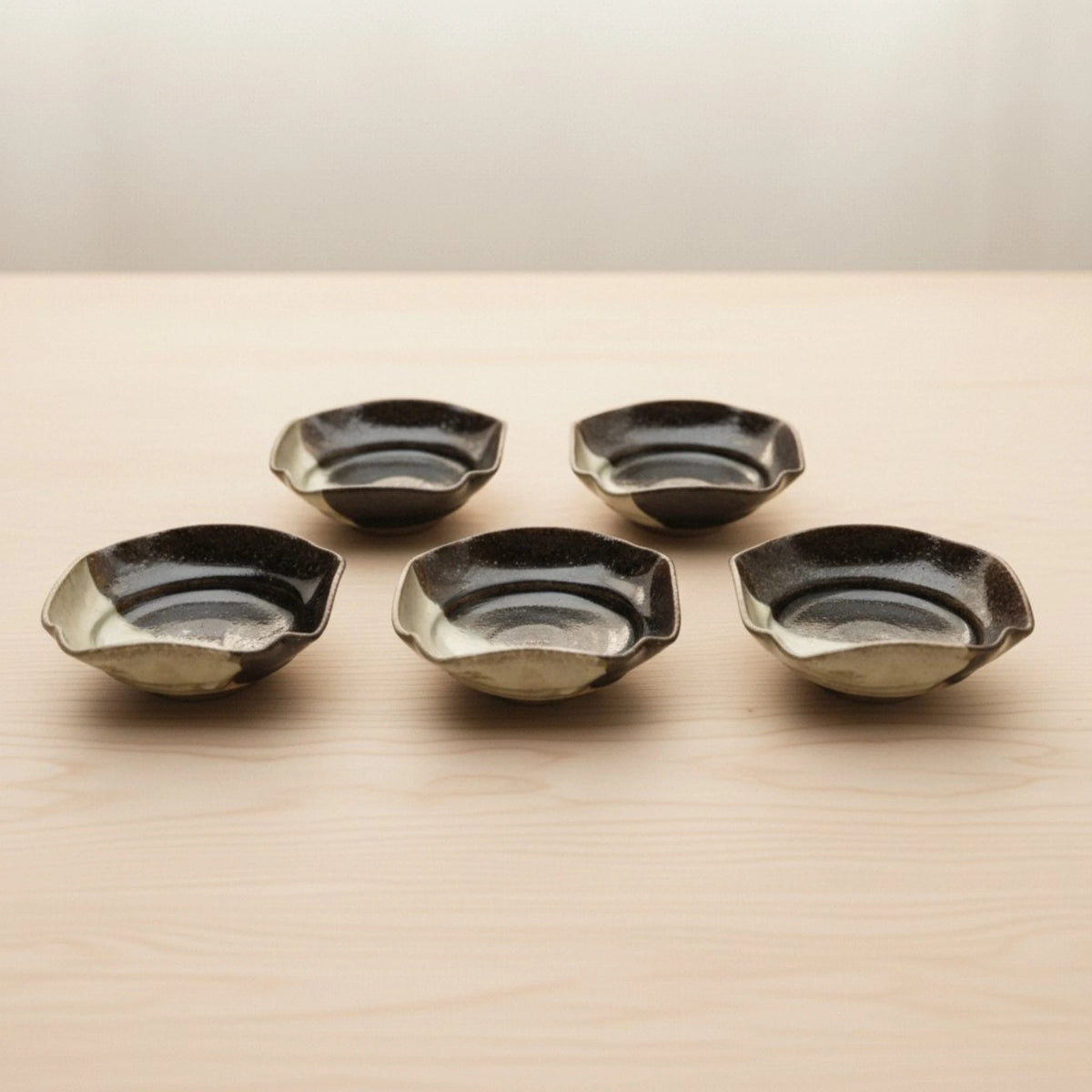
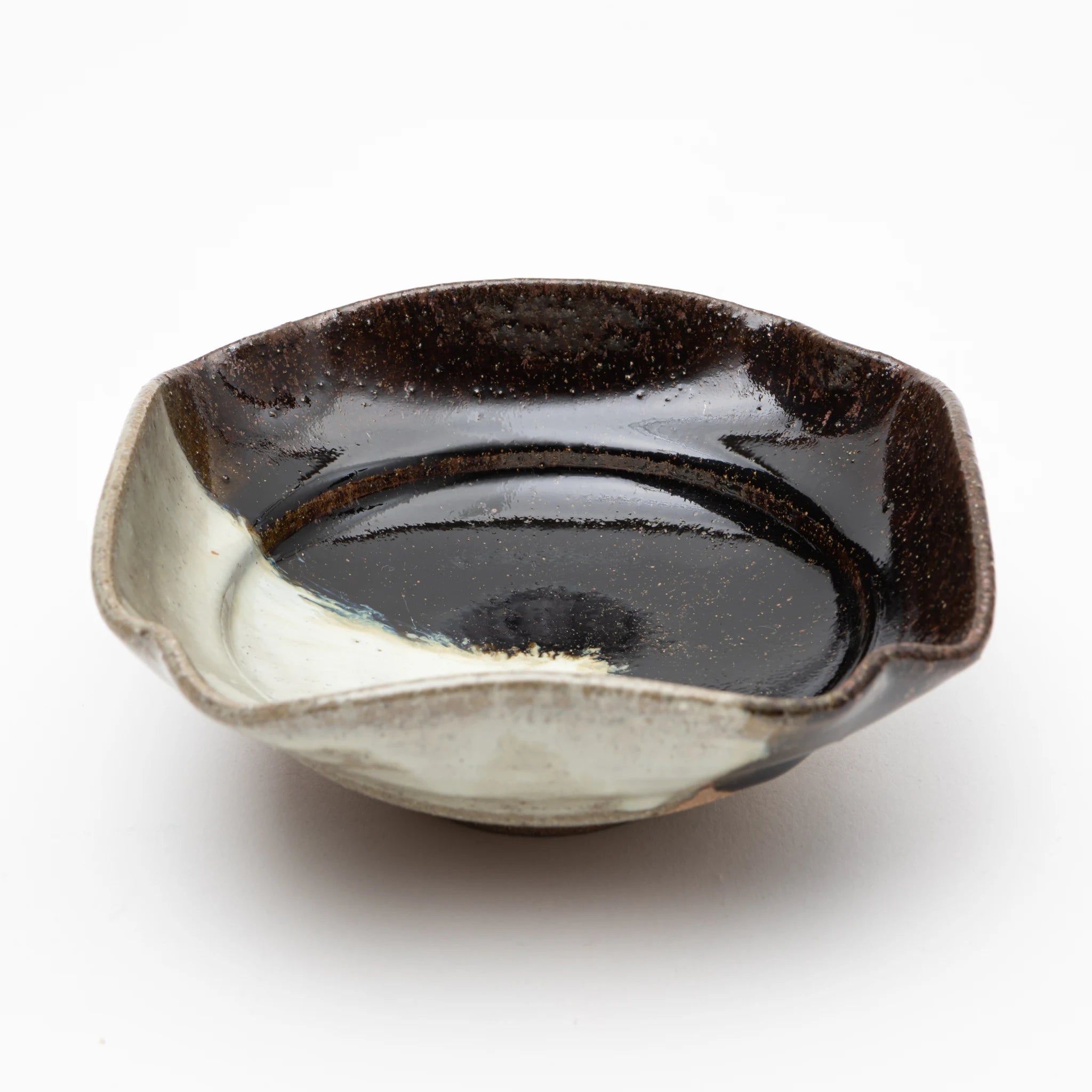
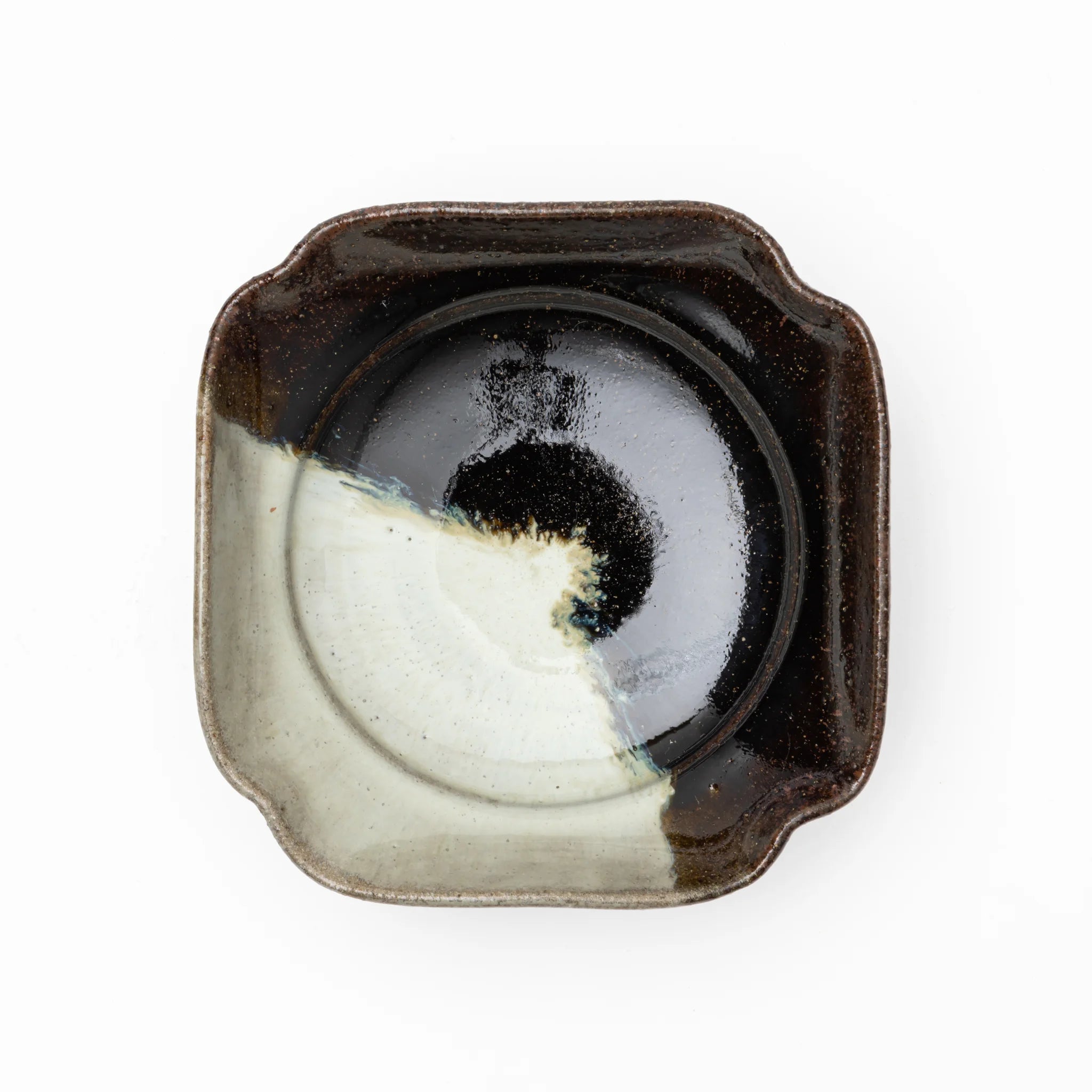
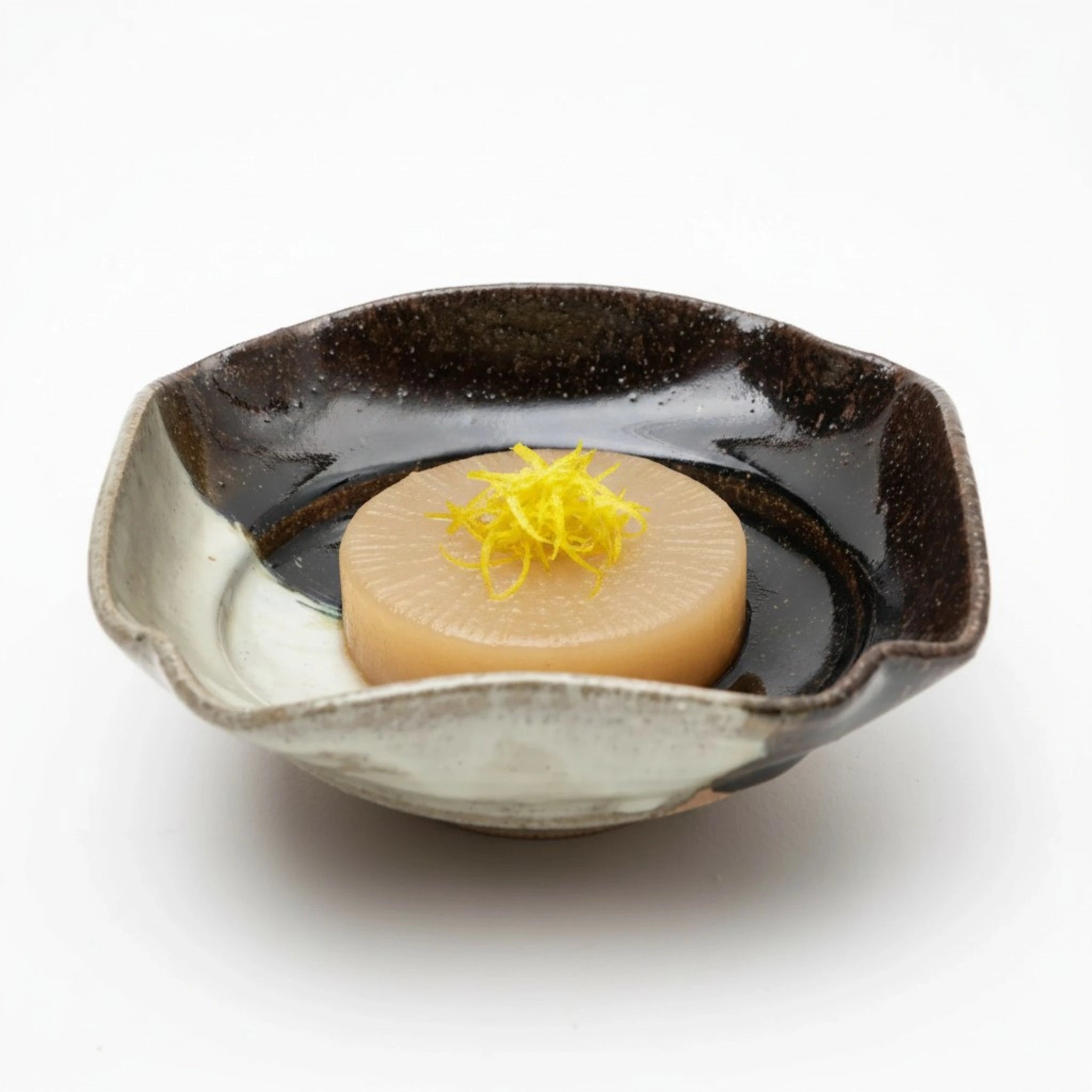
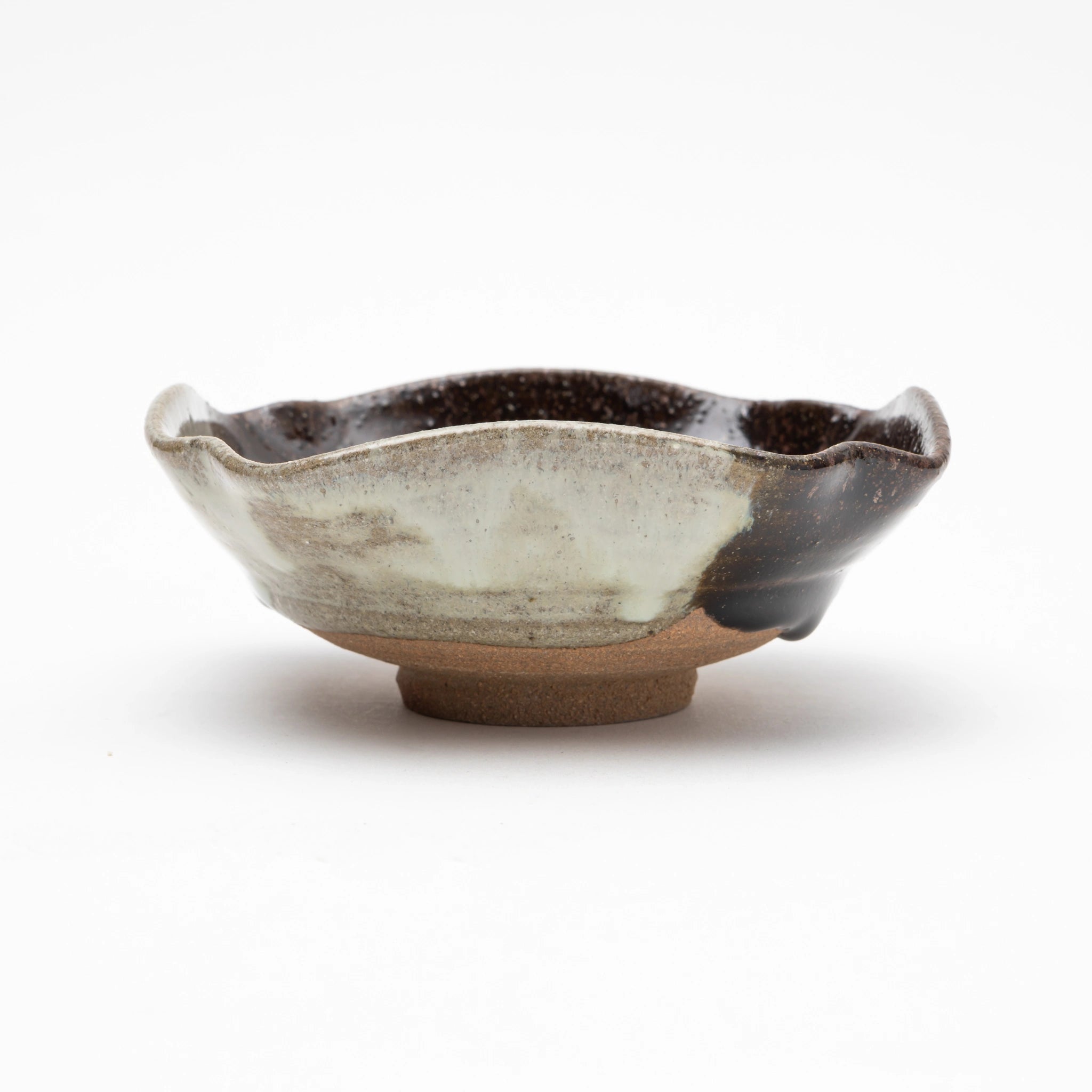
Where E-Karatsu is defined by brushwork on an unglazed ground, Chosen Karatsu works through the collision of 2 glazes in the kiln. A dark iron-rich black is applied first, then a milky white ash glaze is poured or brushed over it. In the firing they meet, pool, and run together — the boundary between them settling differently on every piece depending on how the heat moves and where each glaze flows. The result is never fully controlled and never fully repeated. This mukozuke — the small serving dish placed at the far side of the tray in kaiseki dining — is formed with squared walls and pinched corners, a different profile from the clam shape of the E-Karatsu version. The Nakazato family has worked in Karatsu since 1615, appointed as the official kiln of the Karatsu clan and maintaining an unbroken lineage now in its 14th generation. Chosen Karatsu is one of the styles the 12th generation Tarouemon, designated a Living National Treasure, revived from historical study. The 14th generation, Tadahiro Nakazato, continues that work today.

Top-angled view of the Nakazato Tarouemon Chosen Karatsu mukozuke serving dish, showing a squared form with pinched corners, dark iron-black glaze across the upper interior and rim, and milky white ash glaze pooling across the lower interior where the 2 glazes meet.
Nakazato Tarouemon Chosen Karatsu Mukozuke Serving Dish Sale price$139.00

Meet the Artisan

Nakazato Tarouemon

Karatsu ware has occupied the highest tier of Japanese tea ceramics since the Momoyama period, when the phrase "first Ido, second Raku, third Karatsu" fixed its place in the hierarchy that tea masters lived by. The Nakazato family has been at the center of that tradition for approximately 430 years, beginning with Nakazato Matashichi, appointed master potter to one of the 3 official domain kilns of the Karatsu clan during the Edo period and the first to carry the name Tarouemon. That name has passed through 14 generations without interruption. The chapter that determined what the kiln stands for today belongs to the 12th generation, Nakazato Muan. By the 20th century the techniques of ko-Karatsu, the iron-glazed, ash-fired ceramics that had made the tradition famous, had largely disappeared. Muan spent decades at excavation sites across the Saga hills, studying ancient sherds, and reconstructing what had been lost. Chosen Karatsu and Madara Karatsu exist in living form today because of that work. In 1976, the Japanese government designated him a Living National Treasure for the preservation of Karatsu ware as a whole. The 14th Tarouemon, born in 1957, trained under his father before assuming the name in 2002. He works at the kiln where that recovery happened, making Karatsu ware whose depth of tradition few workshops anywhere in Japan can match.