Skip to content

Cart

Your cart is empty

Nakazato Tarouemon E-Karatsu Silver Glass Mukozuke Serving Dish

Sale price$109.00

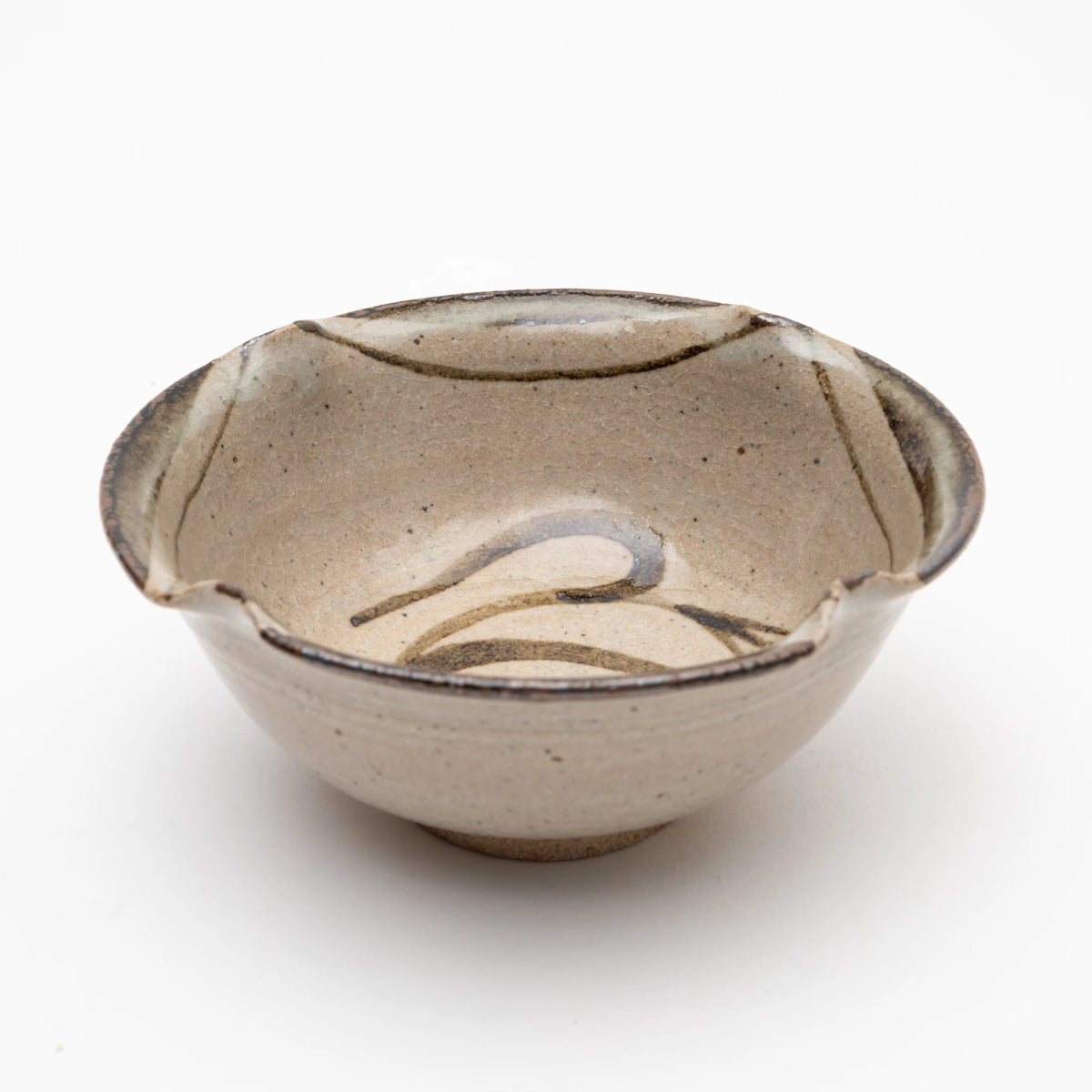
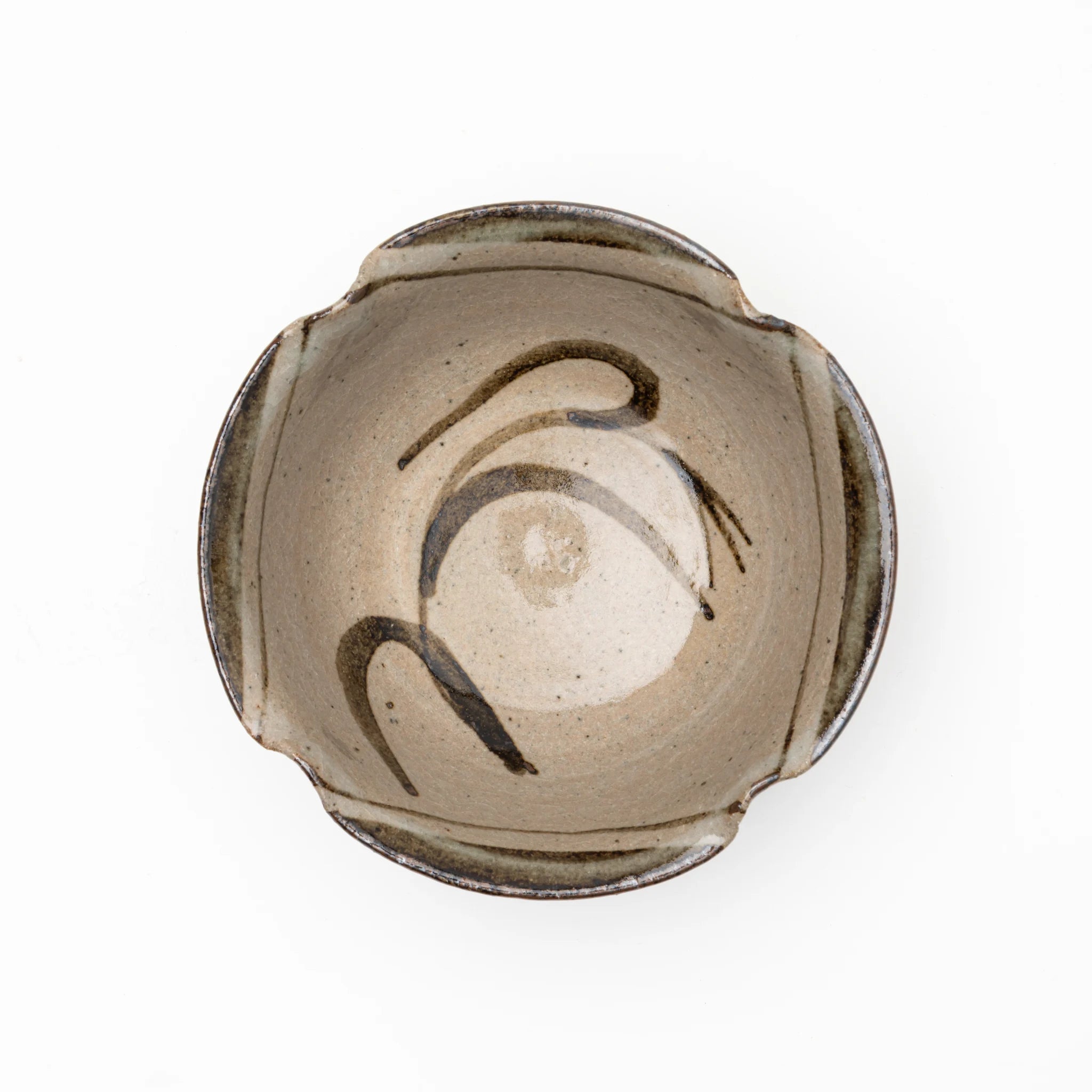
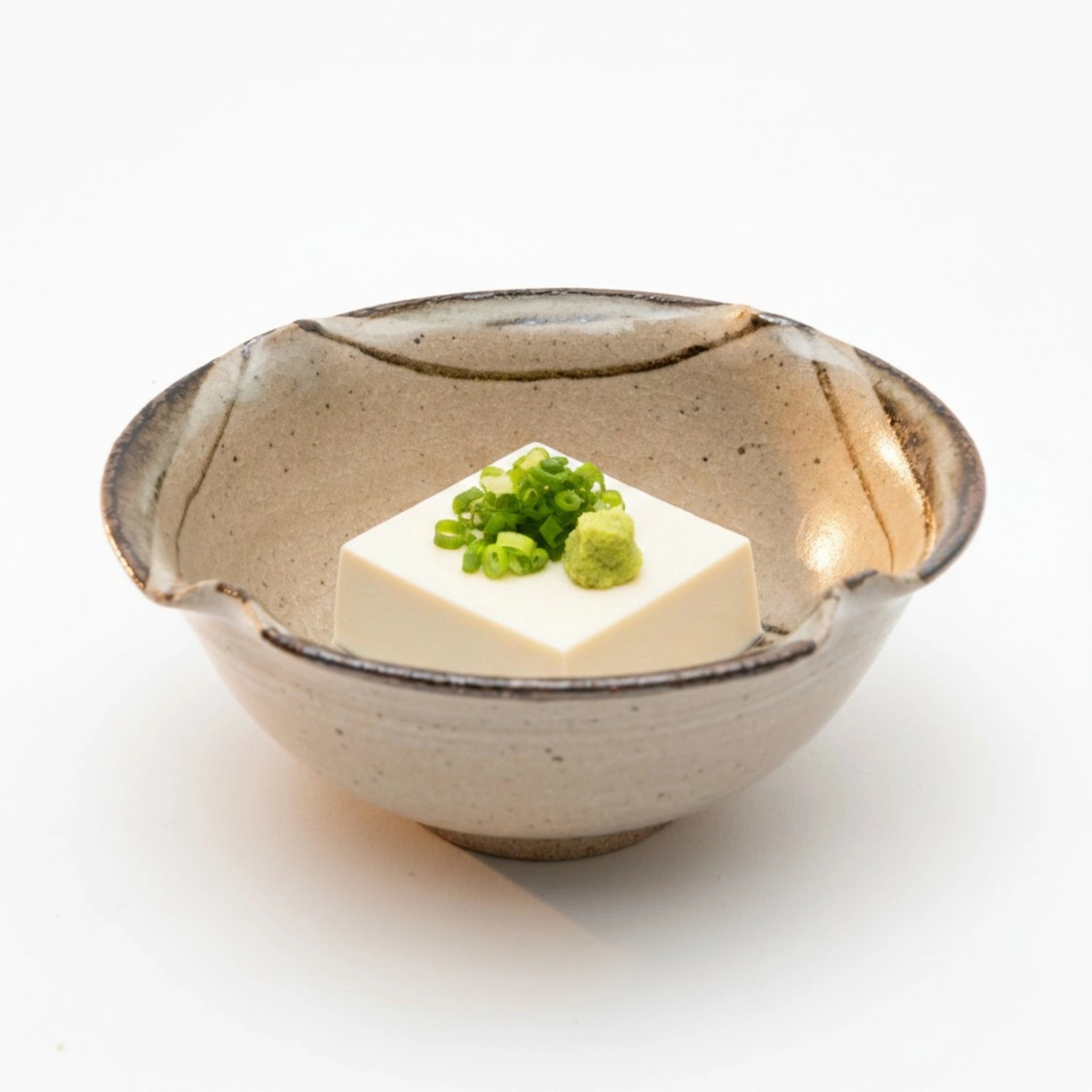
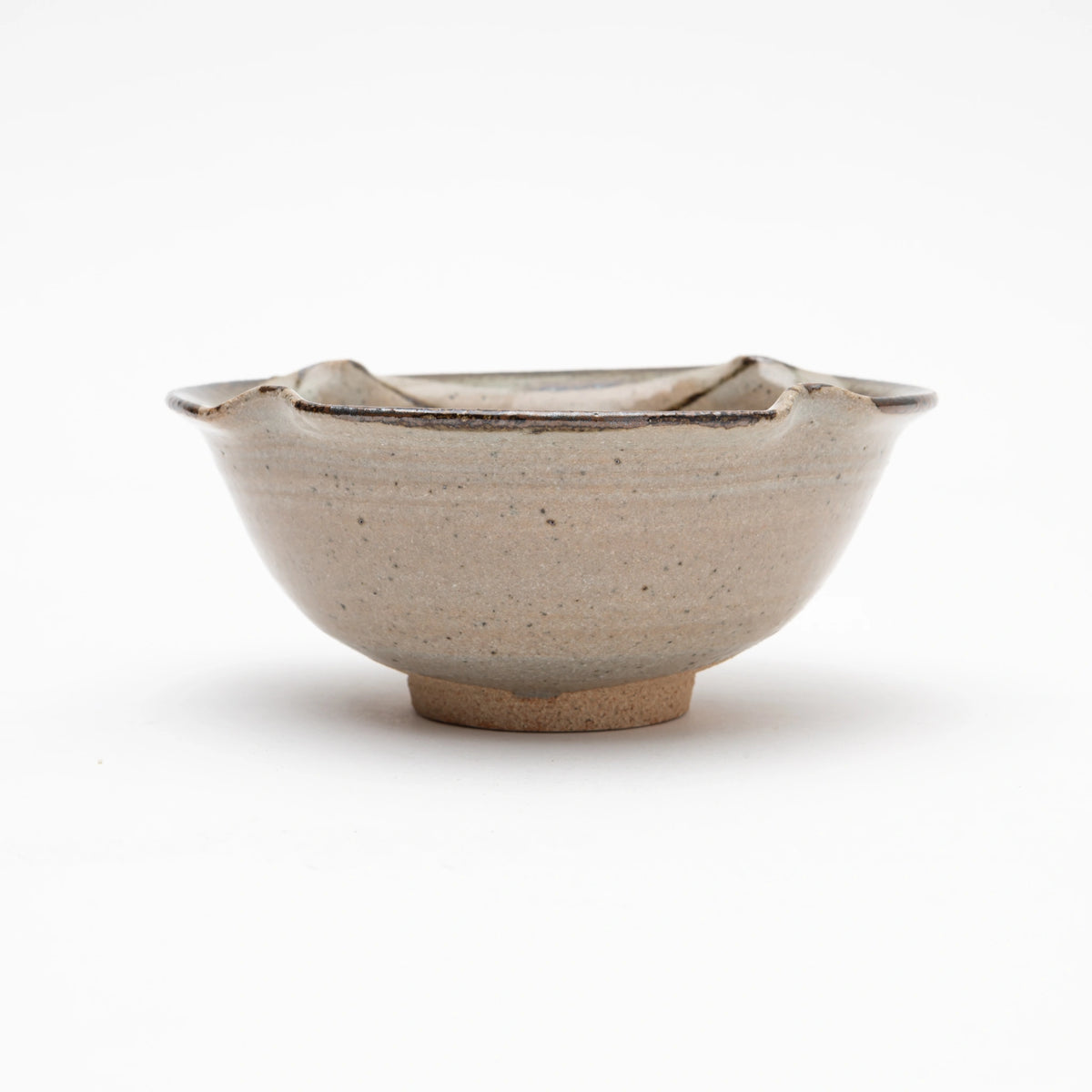
Susuki — the tall pampas grass that bends and catches light across Japan's autumn fields — has appeared in Japanese art since the Heian period, one of the season's most enduring visual references. In E-Karatsu, where iron-oxide brushwork is applied with economy onto coarse stoneware, the motif translates into a small number of strokes that suggest the grass's movement rather than describe it. On this mukozuke the brushwork sweeps in wide arcs across the pale ground — confident marks that occupy the interior without filling it, the spaces between the strokes as considered as the strokes themselves. The form is rounded with a gently lobed rim, pinched at 4 points, deeper than the clam shape version. The Nakazato family has worked in Karatsu since 1615, appointed as the official kiln of the Karatsu clan and maintaining an unbroken lineage now in its 14th generation. The mukozuke is the small serving dish placed at the far side of the tray in kaiseki dining — an object whose scale asks for exactly the kind of restraint E-Karatsu provides.

Three-quarter view of the Nakazato Tarouemon E-Karatsu susuki mukozuke serving dish, showing the rounded form with lobed rim and iron-oxide susuki brushwork visible inside the bowl against the pale stoneware ground.
Nakazato Tarouemon E-Karatsu Silver Glass Mukozuke Serving Dish Sale price$109.00

Meet the Artisan

Nakazato Tarouemon

Karatsu ware has occupied the highest tier of Japanese tea ceramics since the Momoyama period, when the phrase "first Ido, second Raku, third Karatsu" fixed its place in the hierarchy that tea masters lived by. The Nakazato family has been at the center of that tradition for approximately 430 years, beginning with Nakazato Matashichi, appointed master potter to one of the 3 official domain kilns of the Karatsu clan during the Edo period and the first to carry the name Tarouemon. That name has passed through 14 generations without interruption. The chapter that determined what the kiln stands for today belongs to the 12th generation, Nakazato Muan. By the 20th century the techniques of ko-Karatsu, the iron-glazed, ash-fired ceramics that had made the tradition famous, had largely disappeared. Muan spent decades at excavation sites across the Saga hills, studying ancient sherds, and reconstructing what had been lost. Chosen Karatsu and Madara Karatsu exist in living form today because of that work. In 1976, the Japanese government designated him a Living National Treasure for the preservation of Karatsu ware as a whole. The 14th Tarouemon, born in 1957, trained under his father before assuming the name in 2002. He works at the kiln where that recovery happened, making Karatsu ware whose depth of tradition few workshops anywhere in Japan can match.