Skip to content

Cart

Your cart is empty

Nakazato Tarouemon Yellow Karatsu Mukozuke Serving Dish

Sale price$109.00

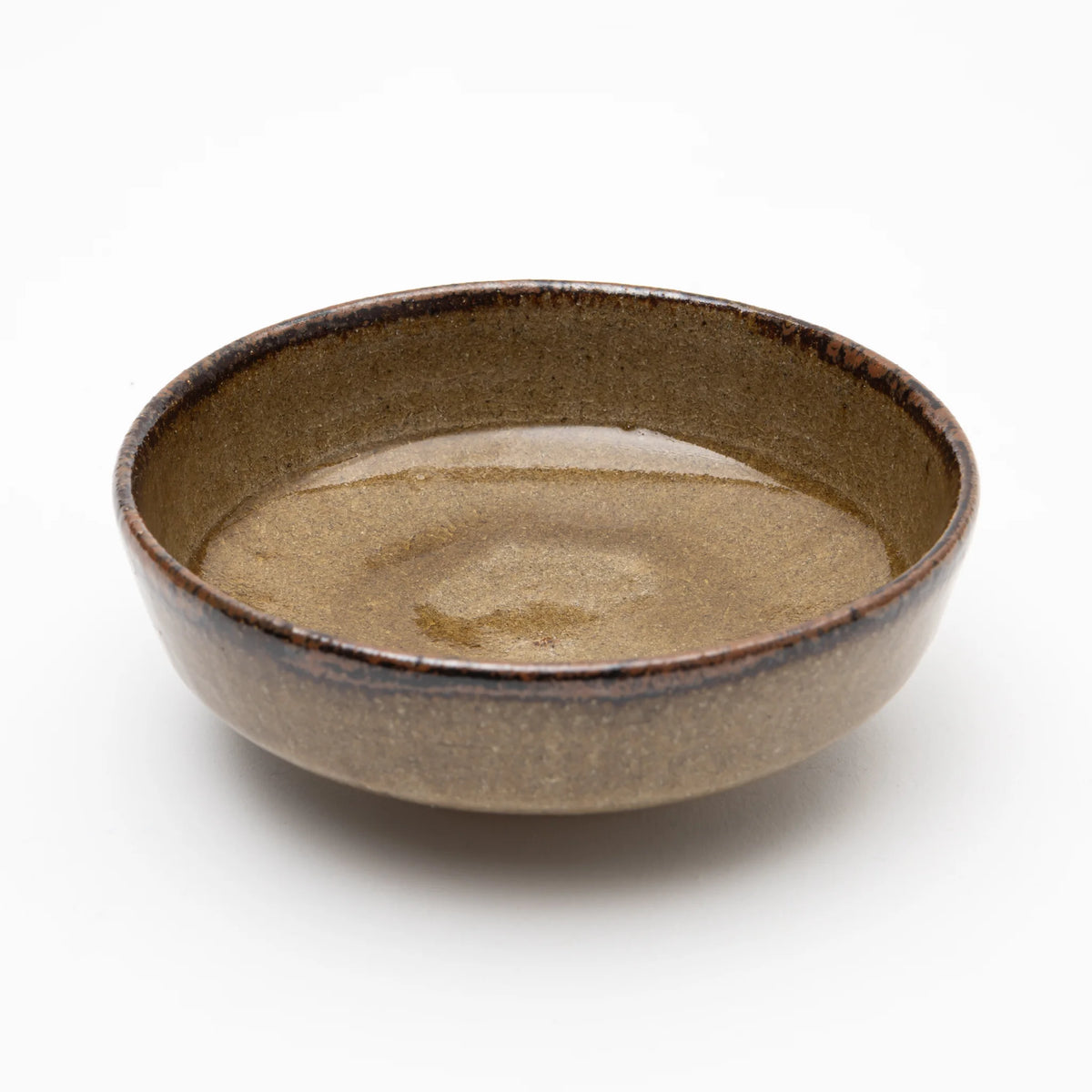
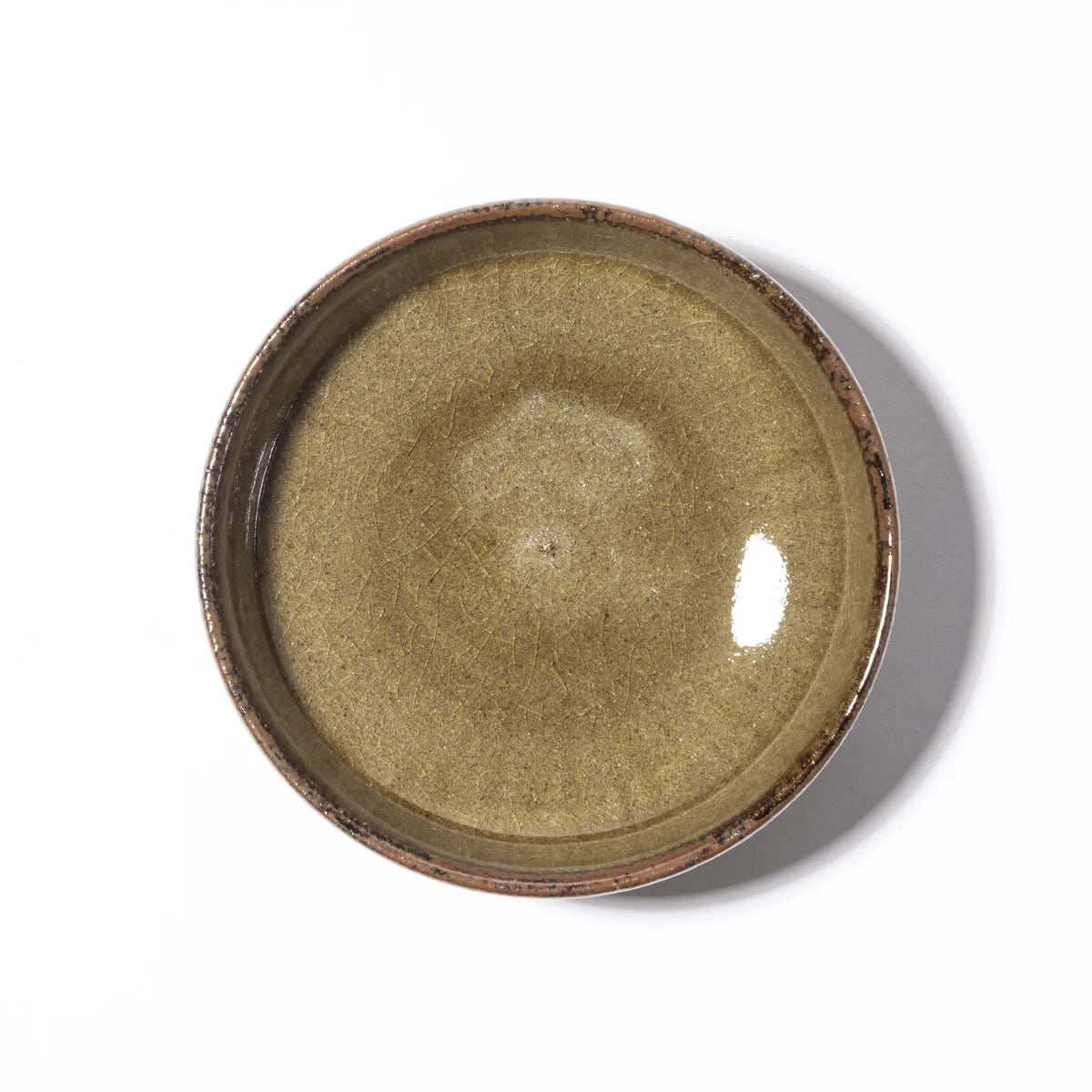
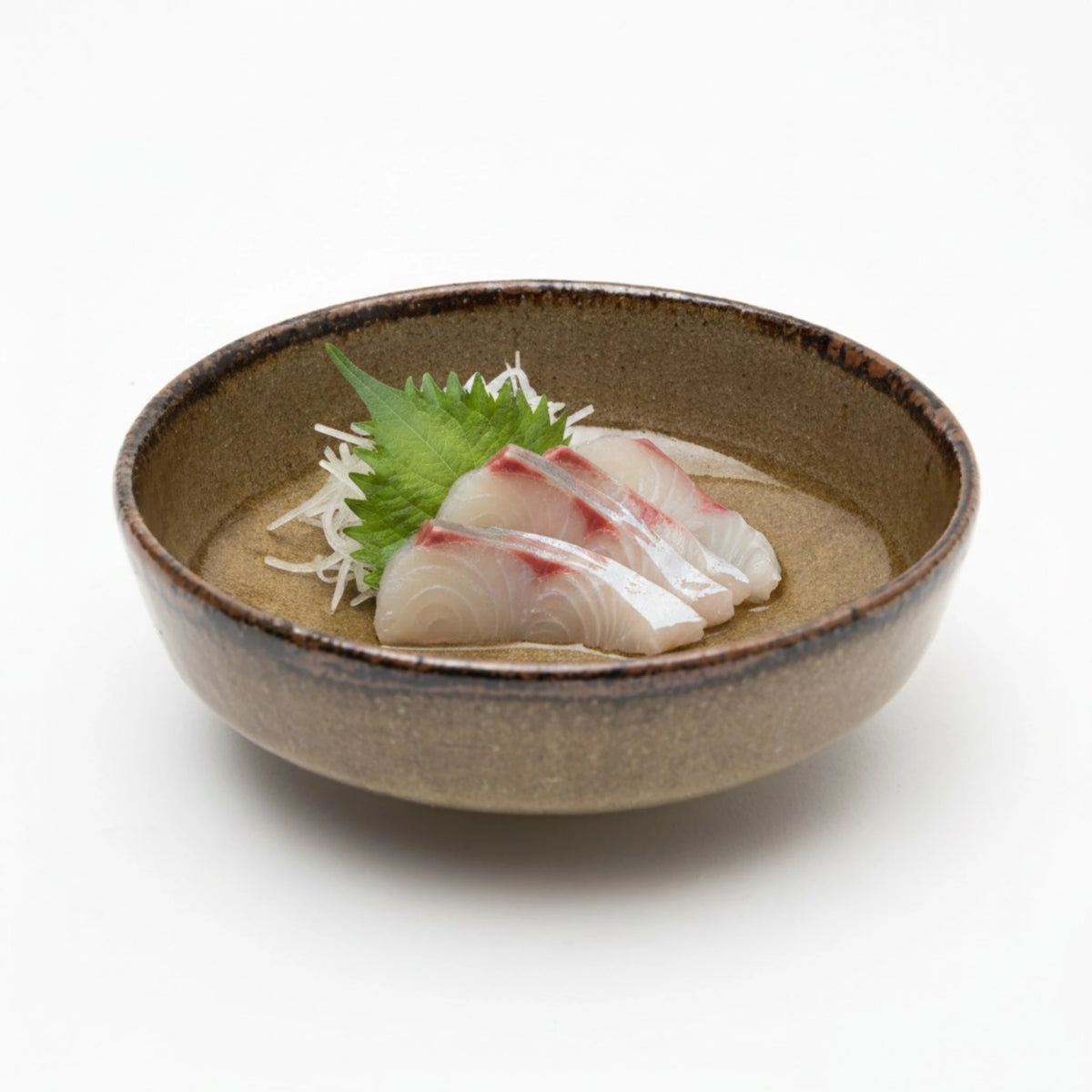
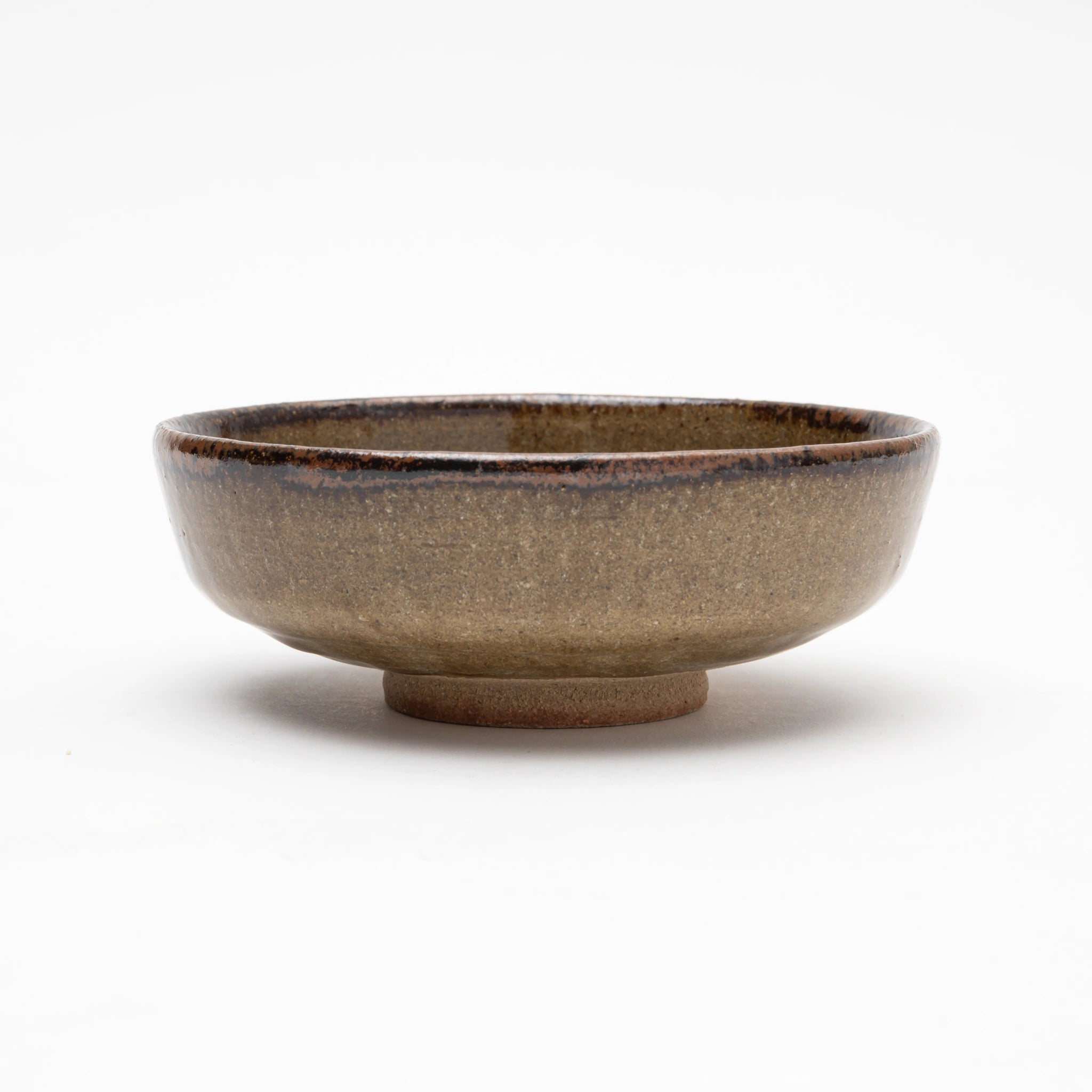
Yellow Karatsu is one of the quieter expressions within the Karatsu tradition — no brushwork, no layered glazes, no deliberate contrast. A single ash glaze is applied and fired in an oxidation atmosphere, where the iron it contains turns warm ochre rather than the grey-green it would produce under reduction. The color the kiln returns is not fully predictable: the warmth deepens where the glaze pools, darkens to near-black at the rim where the iron concentrates, and settles to a sandy warmth across the broad interior. This mukozuke carries no decoration beyond the glaze itself. The form is round and open, the walls rising evenly to a slightly thickened rim, the surface left to speak on its own terms. The Nakazato family has worked in Karatsu since 1615, serving as the official clan kiln across 14 generations. Yellow Karatsu was among the styles revived by the 12th generation Tarouemon, designated a Living National Treasure, from historical research into early Momoyama period ceramics.

Three-quarter view of the Nakazato Tarouemon Yellow Karatsu mukozuke serving dish, showing a round open form with warm ochre ash glaze across the interior deepening to near-black at the thickened rim.
Nakazato Tarouemon Yellow Karatsu Mukozuke Serving Dish Sale price$109.00

Meet the Artisan

Nakazato Tarouemon

Karatsu ware has occupied the highest tier of Japanese tea ceramics since the Momoyama period, when the phrase "first Ido, second Raku, third Karatsu" fixed its place in the hierarchy that tea masters lived by. The Nakazato family has been at the center of that tradition for approximately 430 years, beginning with Nakazato Matashichi, appointed master potter to one of the 3 official domain kilns of the Karatsu clan during the Edo period and the first to carry the name Tarouemon. That name has passed through 14 generations without interruption. The chapter that determined what the kiln stands for today belongs to the 12th generation, Nakazato Muan. By the 20th century the techniques of ko-Karatsu, the iron-glazed, ash-fired ceramics that had made the tradition famous, had largely disappeared. Muan spent decades at excavation sites across the Saga hills, studying ancient sherds, and reconstructing what had been lost. Chosen Karatsu and Madara Karatsu exist in living form today because of that work. In 1976, the Japanese government designated him a Living National Treasure for the preservation of Karatsu ware as a whole. The 14th Tarouemon, born in 1957, trained under his father before assuming the name in 2002. He works at the kiln where that recovery happened, making Karatsu ware whose depth of tradition few workshops anywhere in Japan can match.