Skip to content

Cart

Your cart is empty

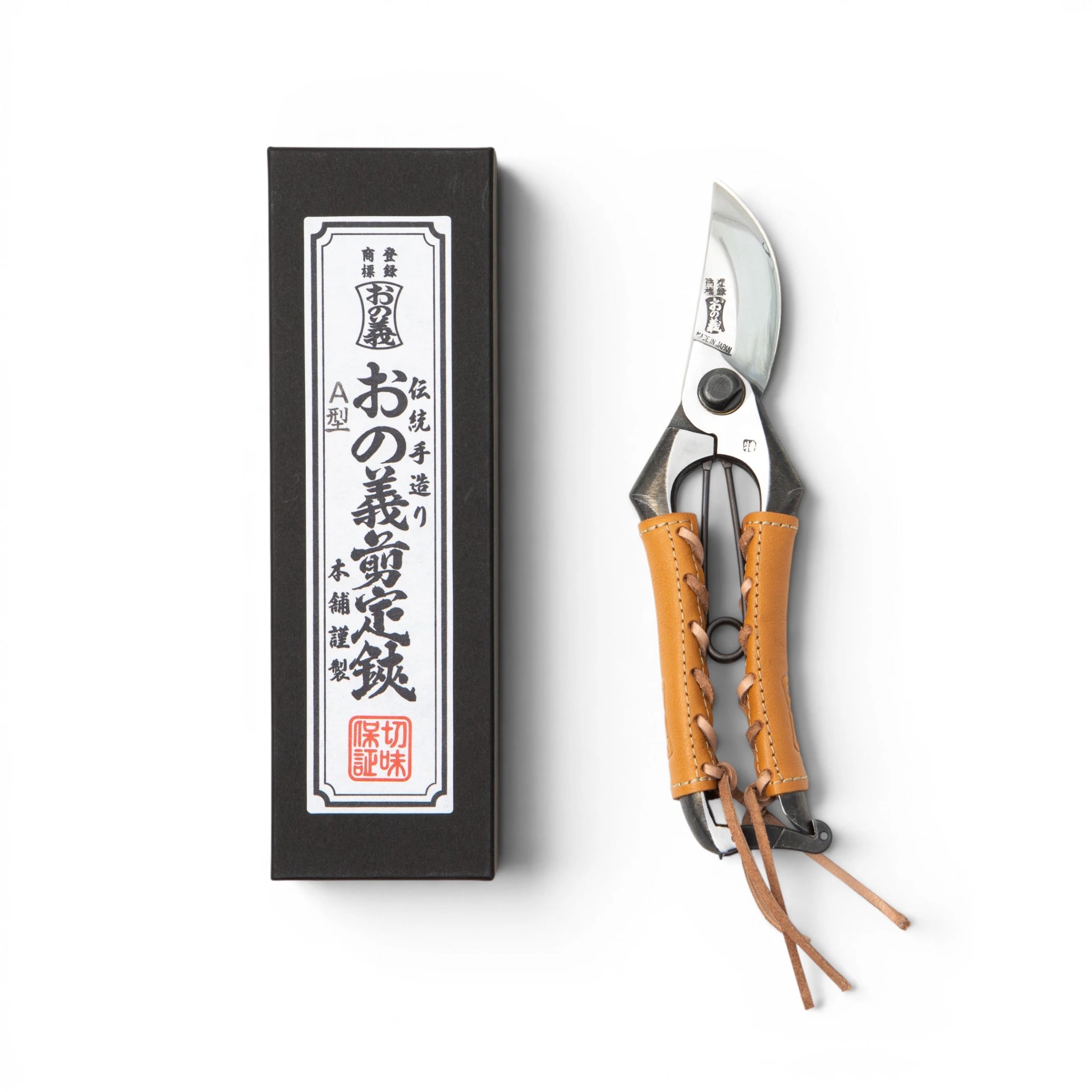
Onoyoshi Hamono Forged Pruning Shears Type A 8 inch (Grip Cover)

Sale price$129.00

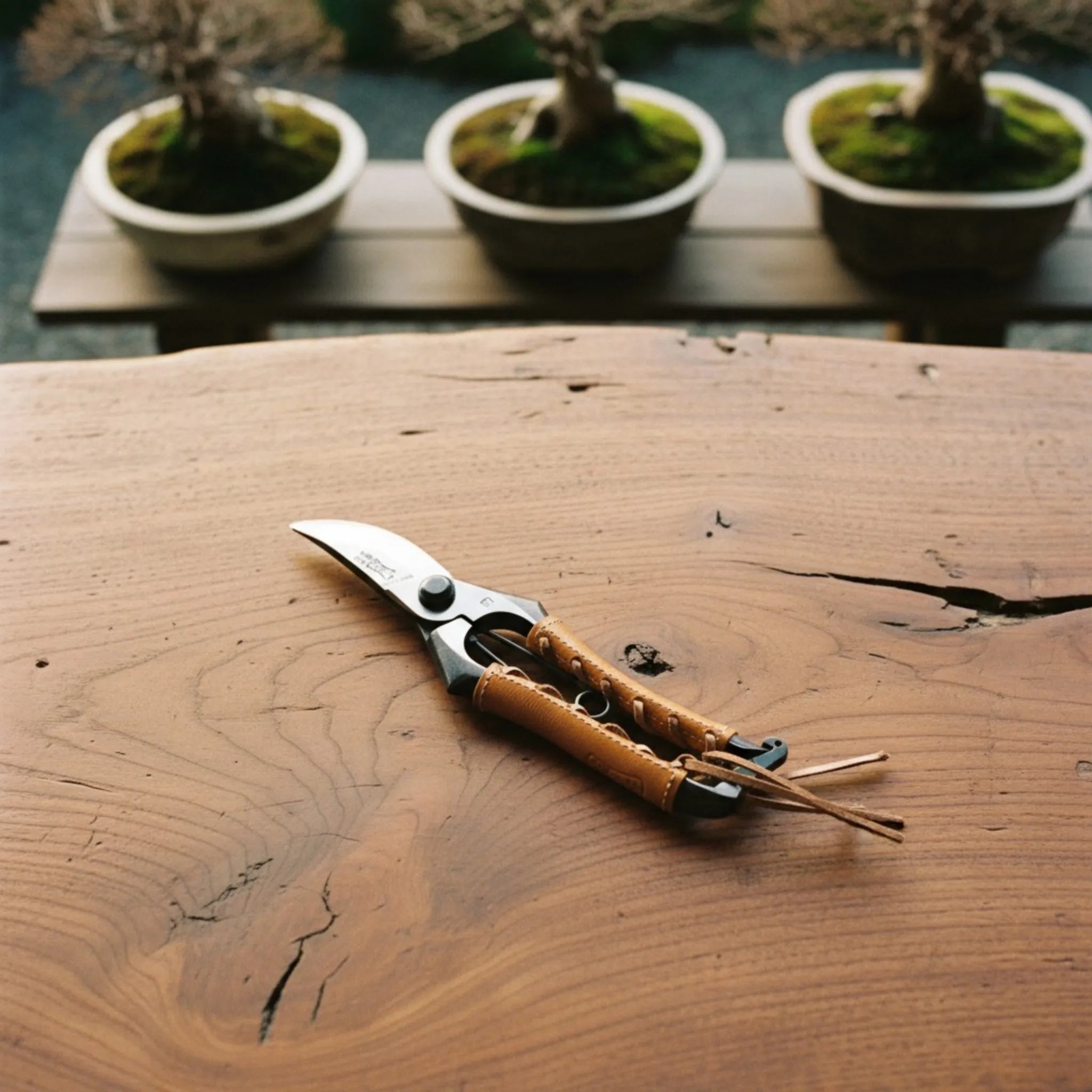
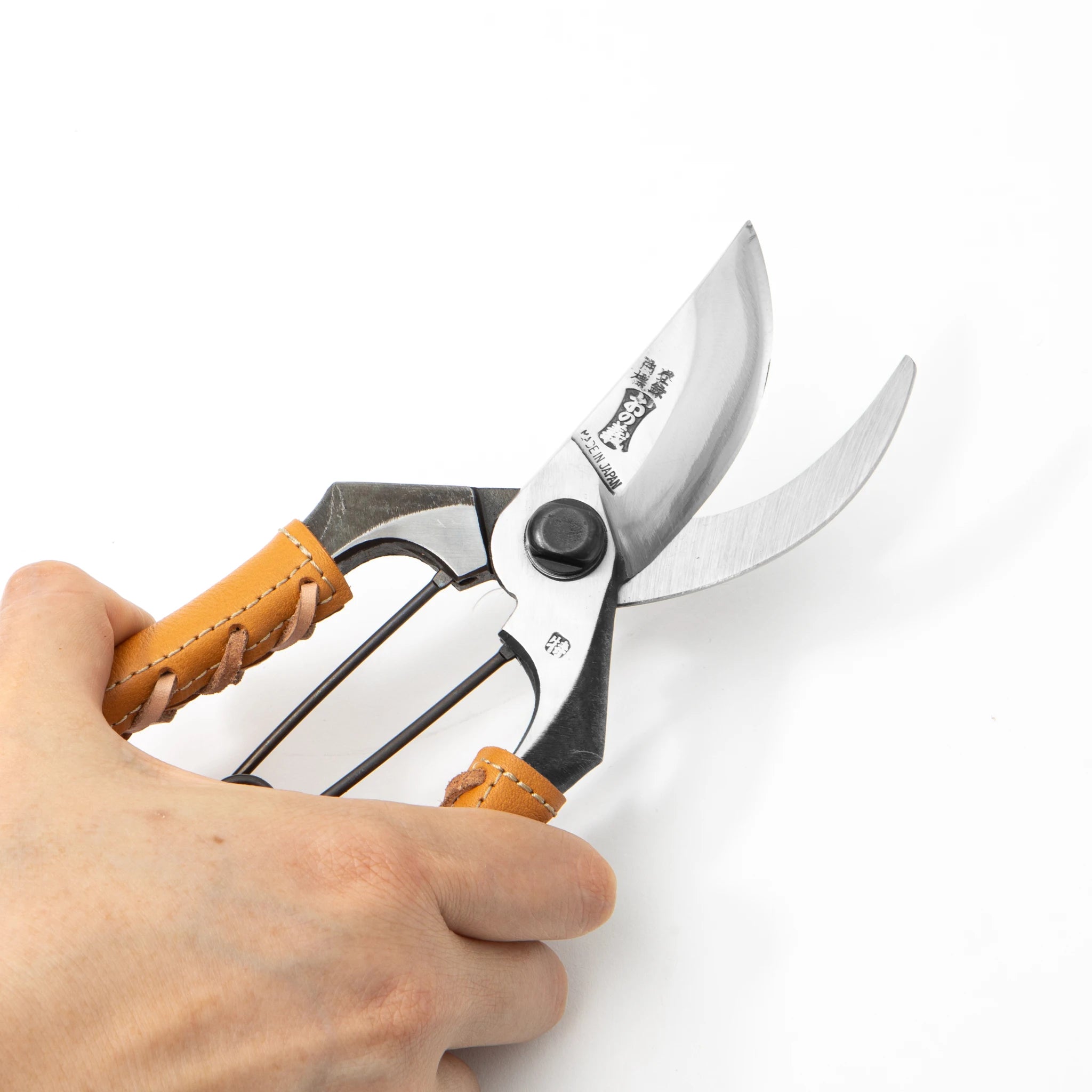
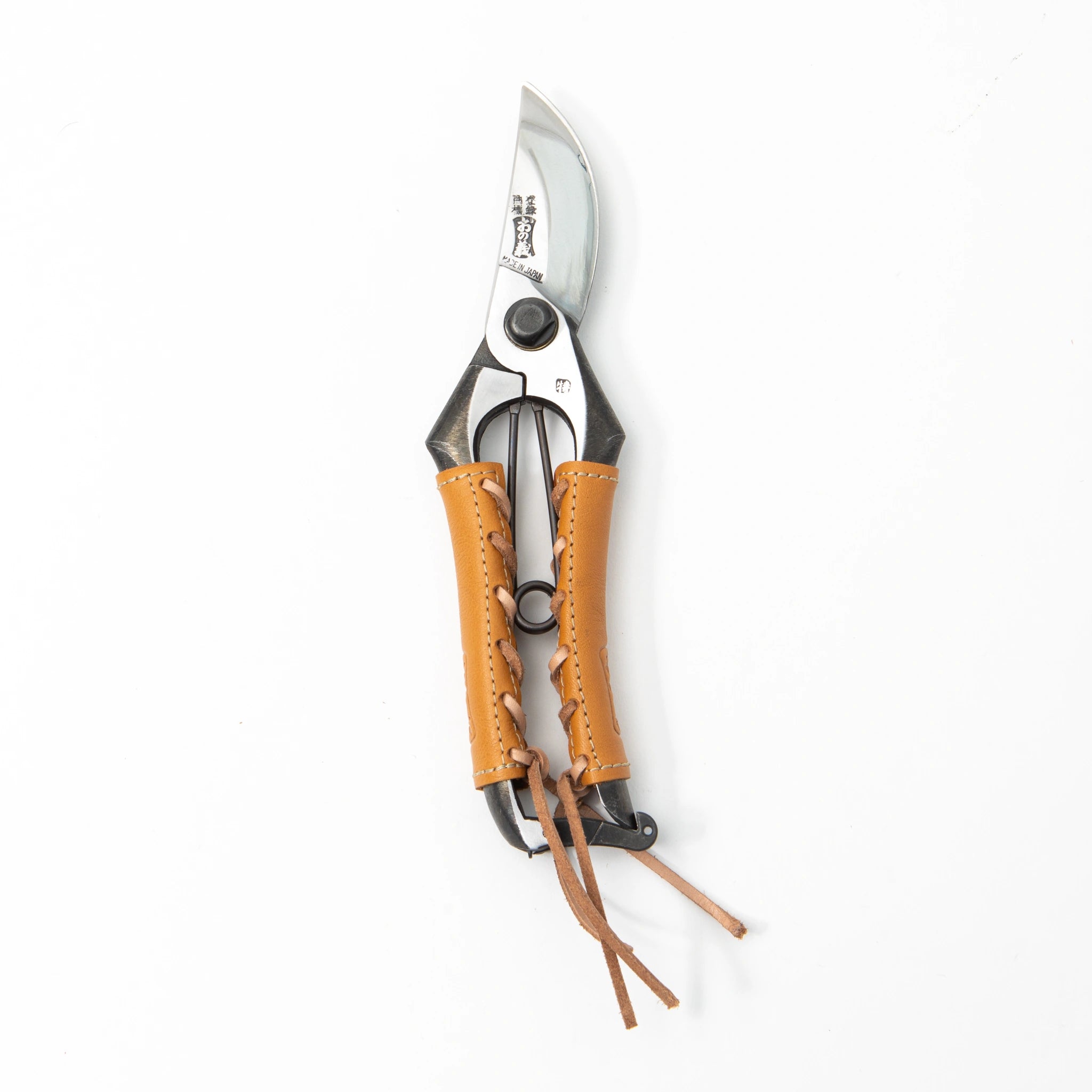
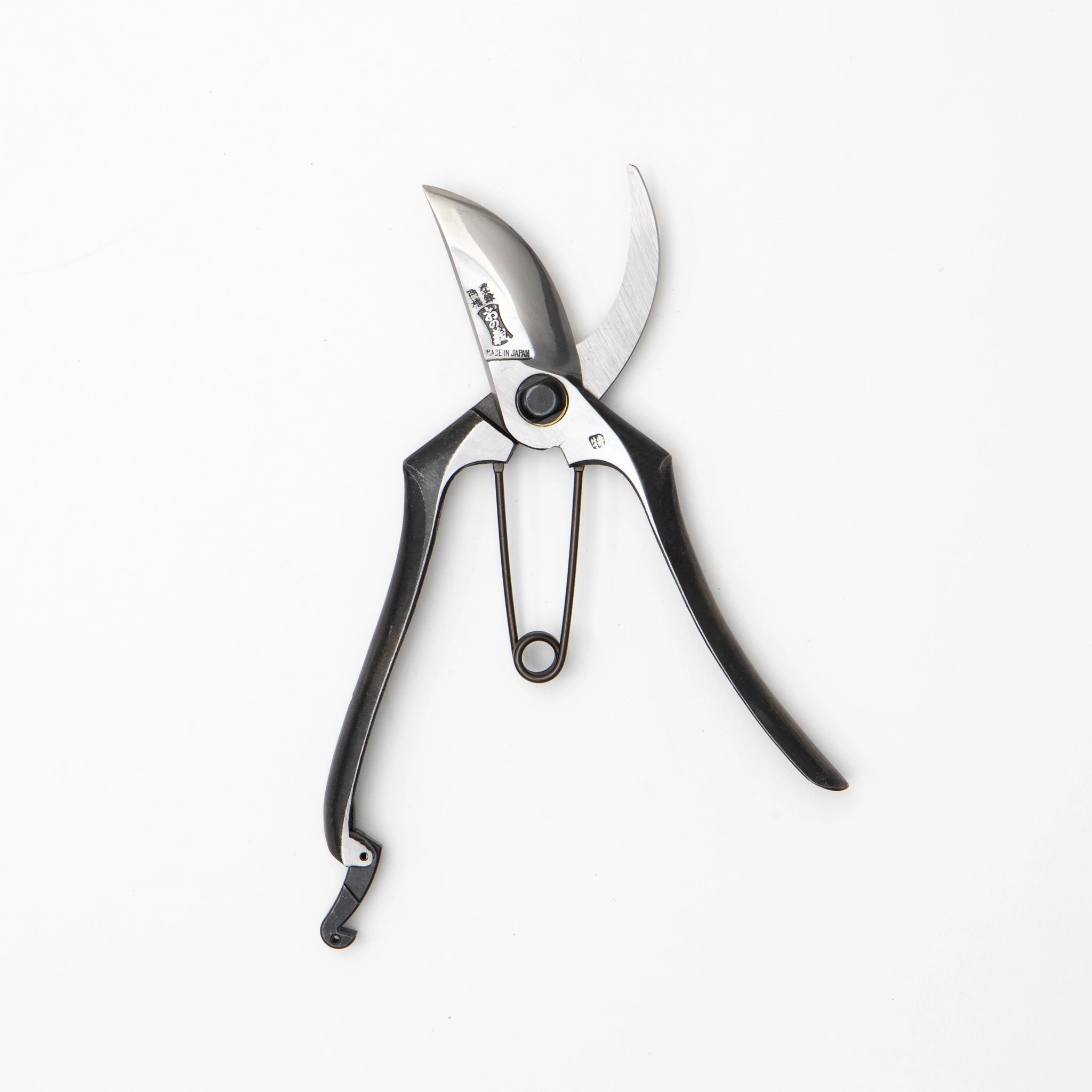
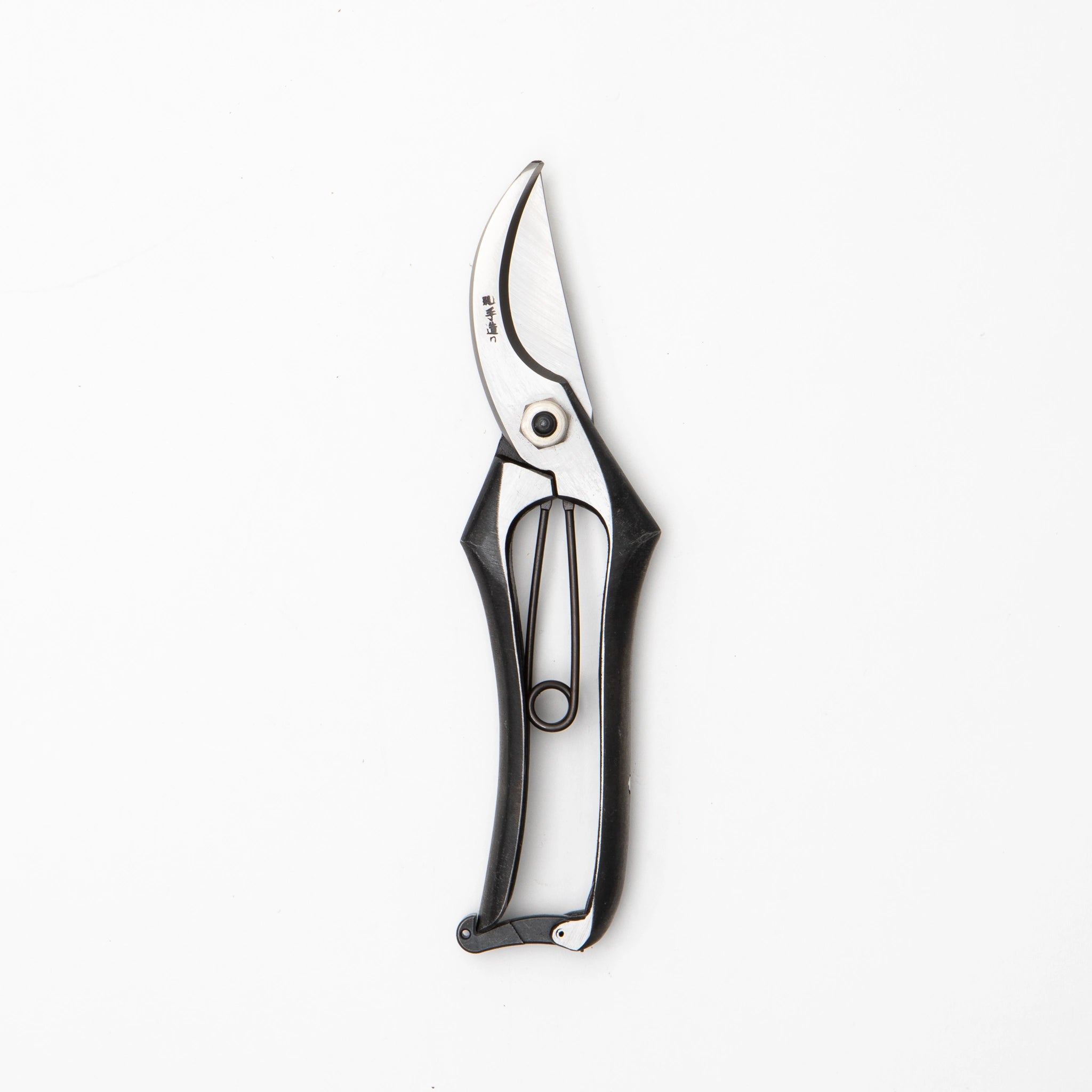
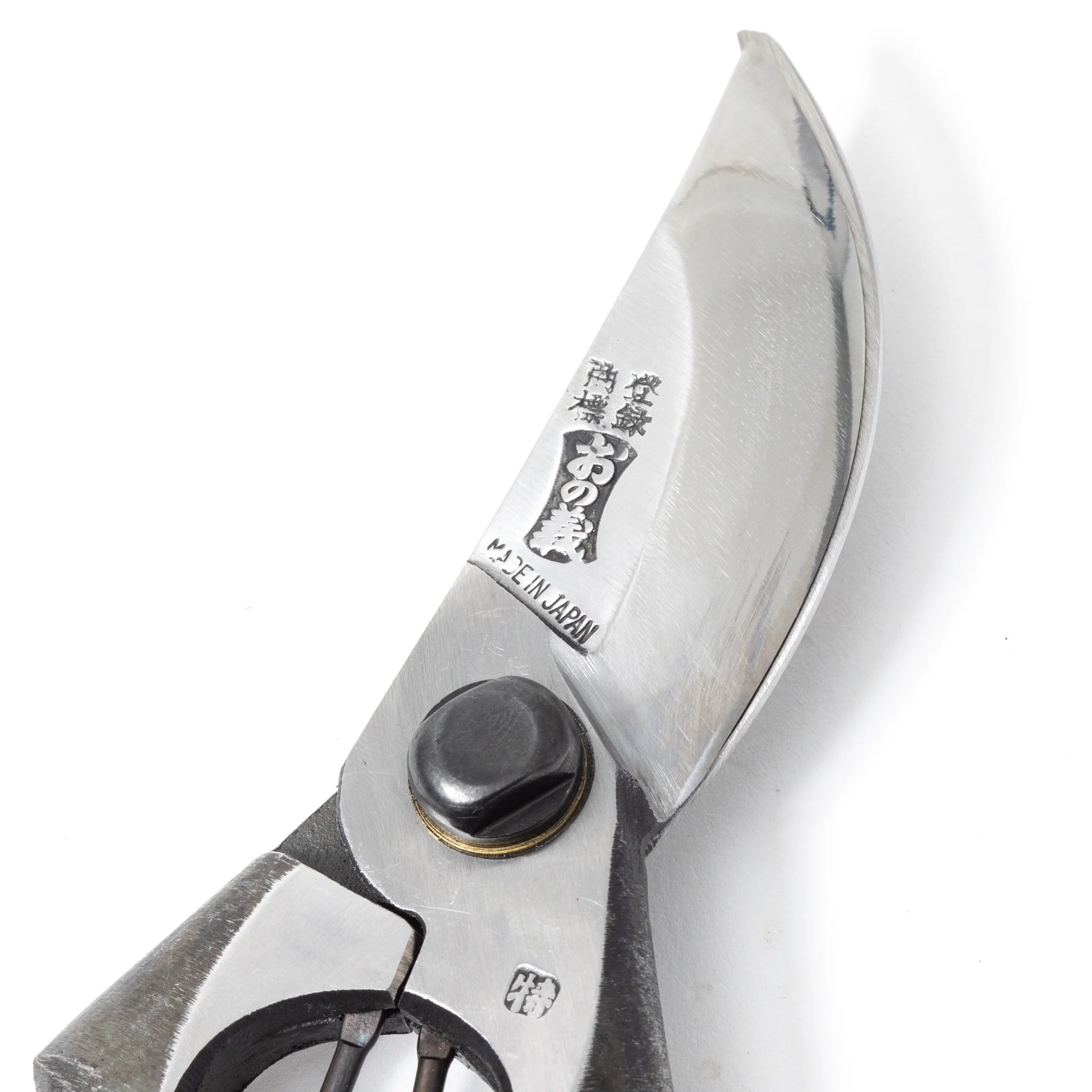
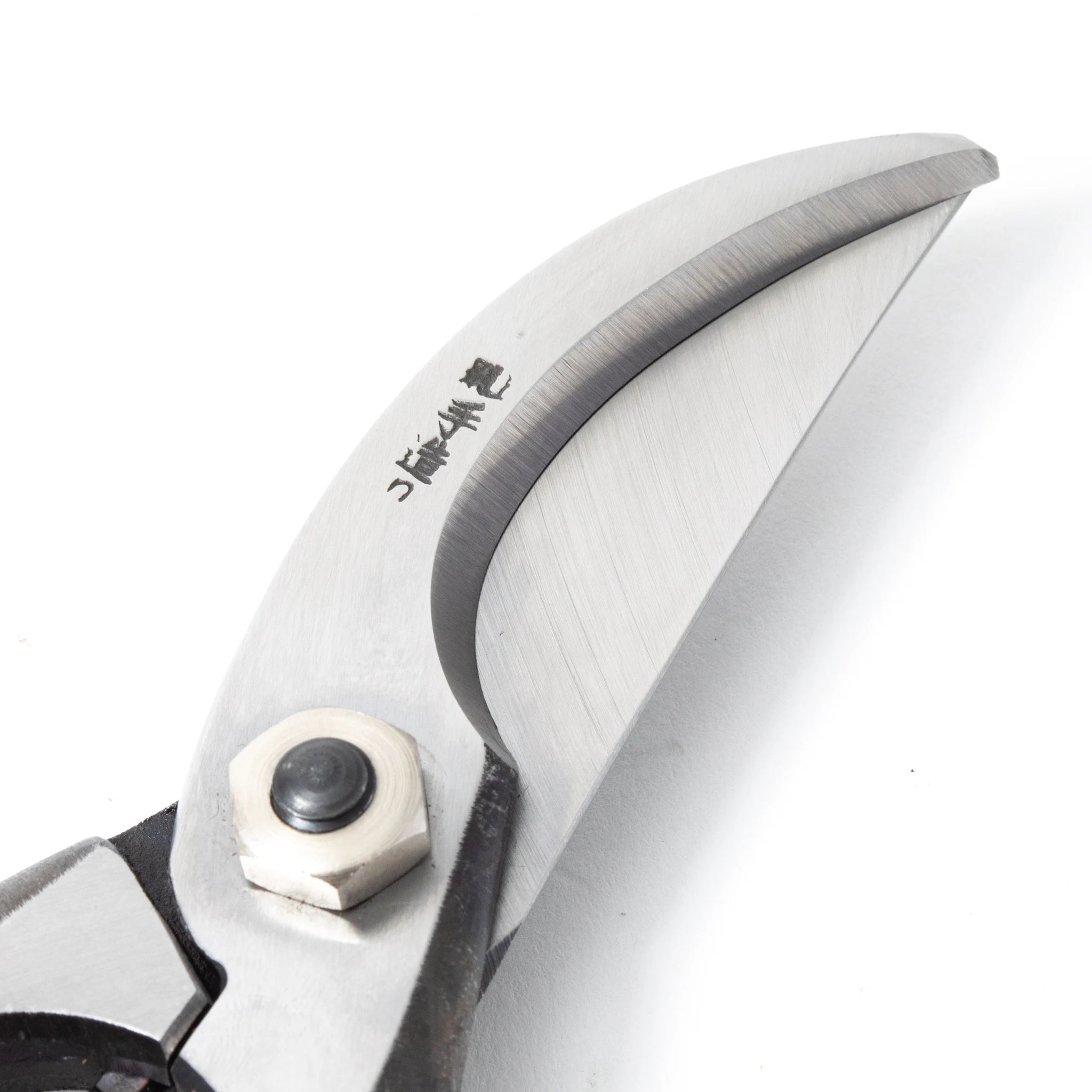
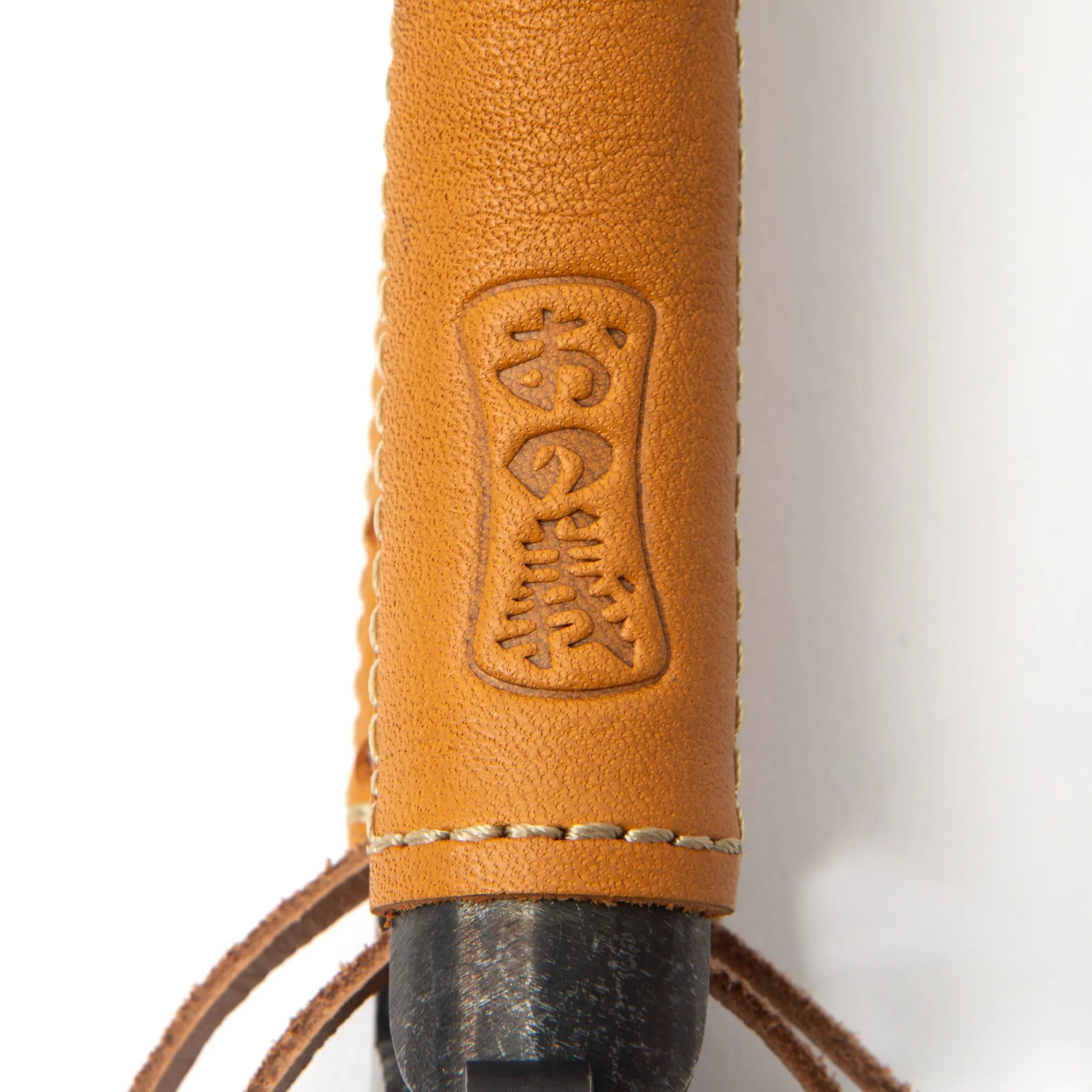
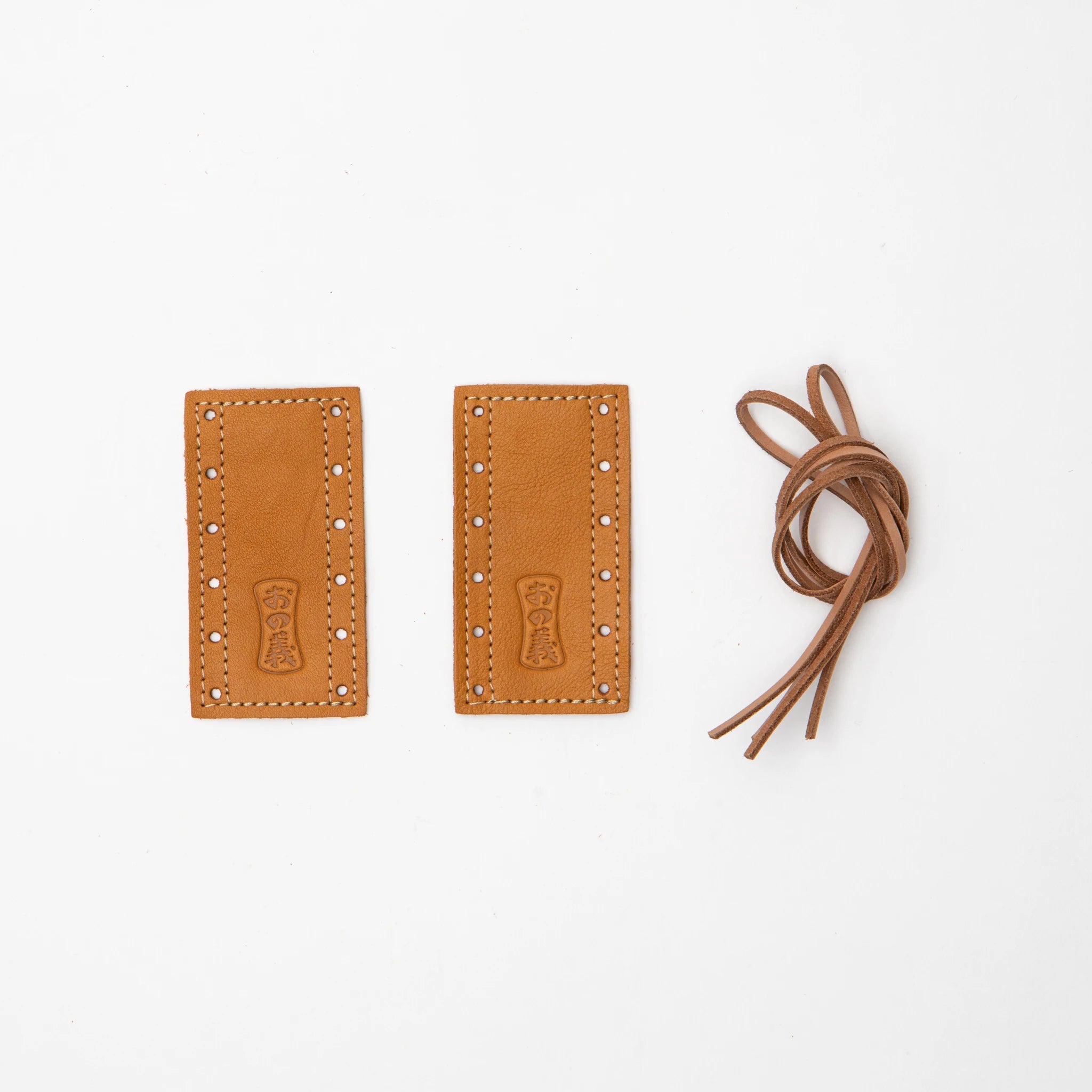
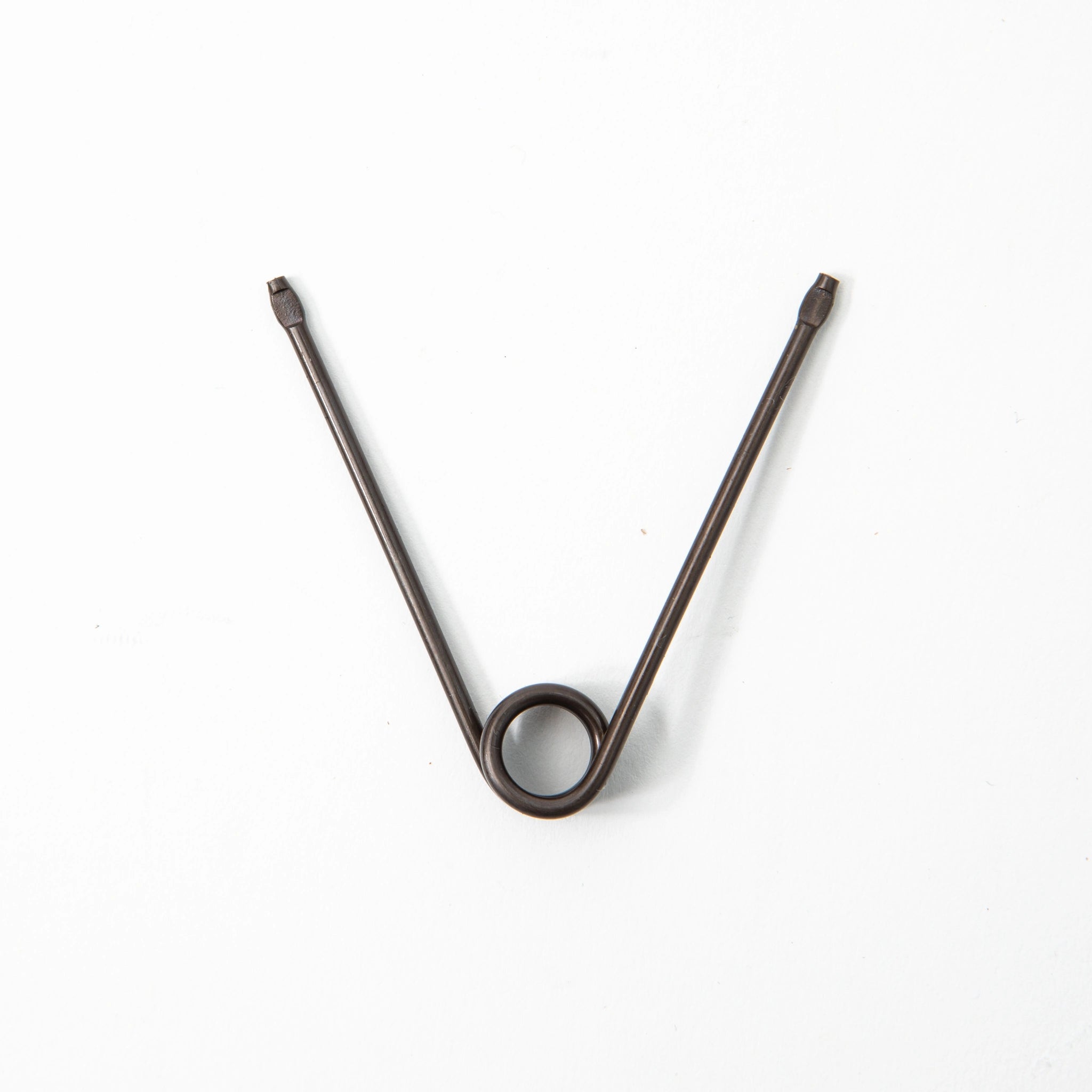
Onoyoshi Hamono has forged edged tools since 1936, when the workshop's founder worked as a kitchen knife smith. The third generation now makes these shears by hand in Ono City, each pair passing through over 100 individual steps from raw steel to finished blade. The Type A is the studio's professional standard — an 8-inch design built for sustained use in landscaping and orchard work. The upper grip is shaped with a raised shoulder that locks the hand in place during cutting, preventing slip and reducing force loss through the stroke. The upper blade is ground to a hamaguri convex profile, the lower to a crescent form; together they grip the branch before cutting through it. The upper blade is thinned to 3.5mm to reduce resistance at the cutting edge. A slight angle at the blade neck reduces wrist strain over long working sessions. The entire body is forged and finish-hardened, with each blade edge applied by hand. The grip covers are leather, laced at the seam. Comes with one replacement matsubabane spring.

Leather Grip Cover Guide

Leaf Spring Installation

Onoyoshi Hamono Forged Pruning Shears Type A 8 inch (Grip Cover)
Onoyoshi Hamono Forged Pruning Shears Type A 8 inch (Grip Cover) Sale price$129.00

Meet the Artisan

ONOYOSHI HAMONO

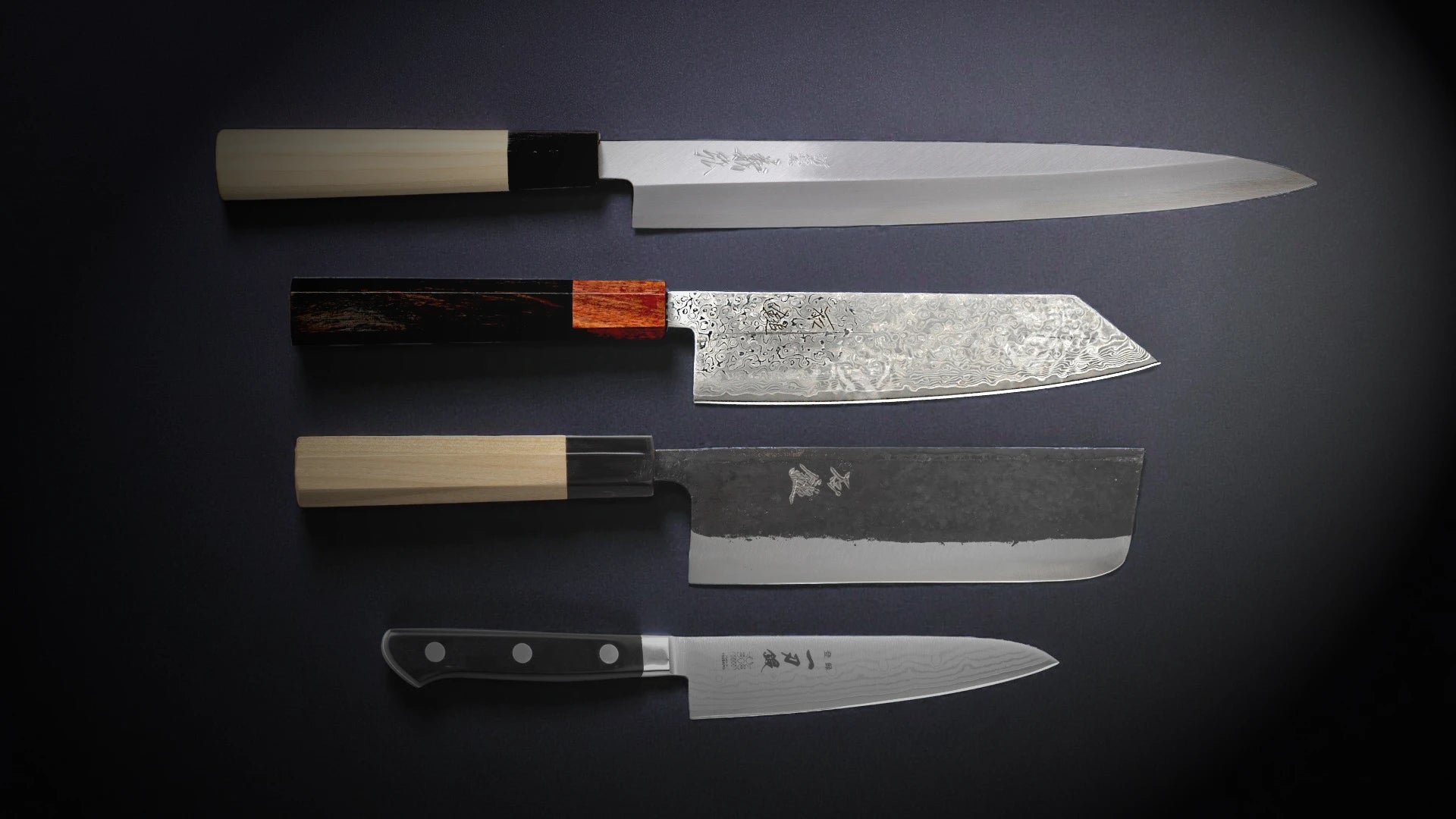
Onoyoshi Hamono was founded in 1936 in Ono City, Hyogo Prefecture, when the grandfather of the current generation established the studio as a kitchen knife forge. When his son took over in 1964, the focus shifted to gardening and pruning shears, aligning the forge with Ono's growing identity as a centre for horticultural blades and opening the studio to an international audience of fruit growers and gardeners. The studio is now led by the Tanaka brothers, the third generation, who have maintained the core production philosophy without revision: every blade is fire-forged and hand-finished through more than 100 sequential steps, from the initial cutting and forging of the steel through grinding, quenching, and final finishing. No two blades are identical. The variation between each one is not a flaw but a consequence of the method, the trace of a hand working hot steel rather than a machine repeating a fixed motion. Over more than 80 years, the studio has held to the position that the people using the tools matter as much as the tools themselves, incorporating feedback from working gardeners into each generation of design. The result is a body of work recognized by orchardists and horticulturalists across Japan and internationally.