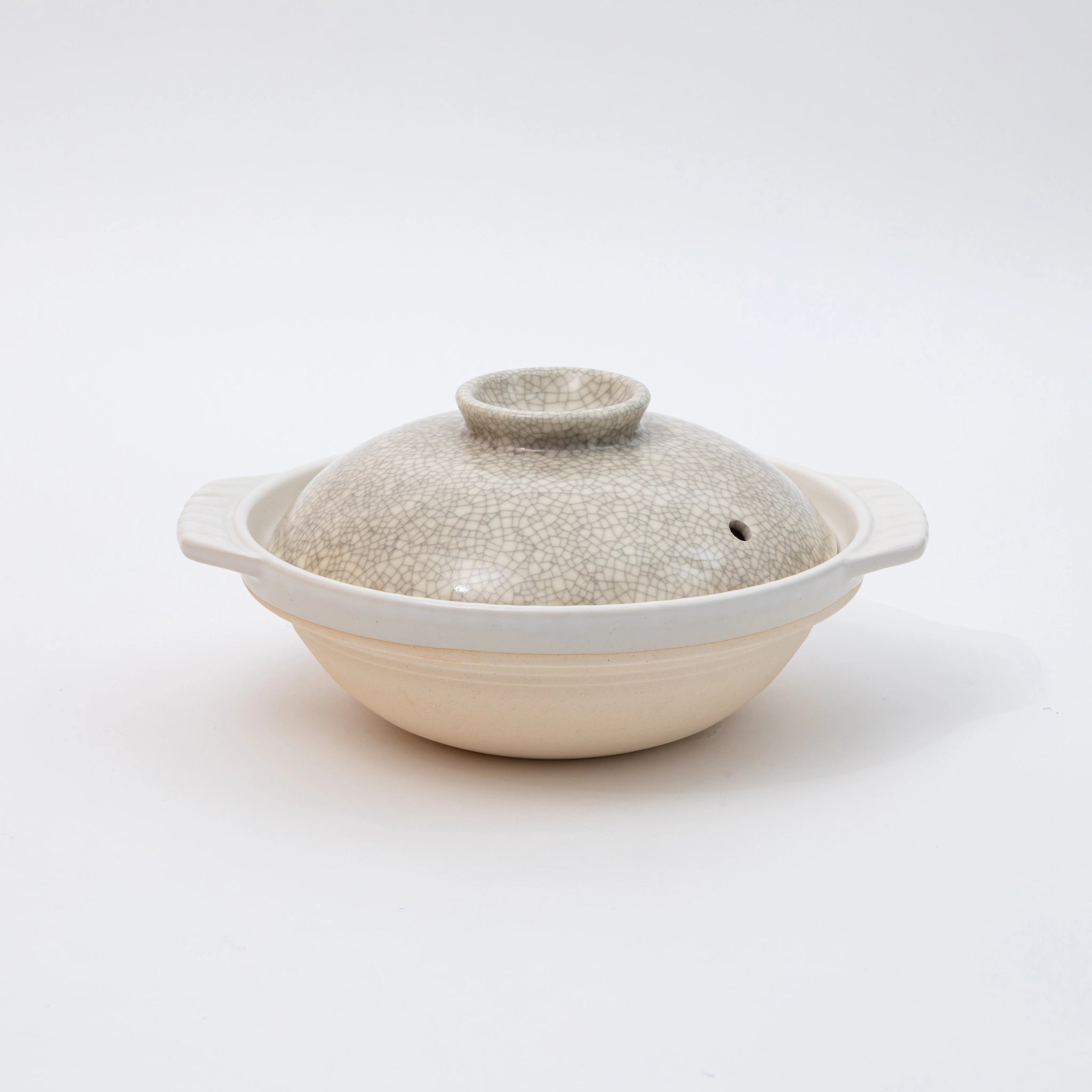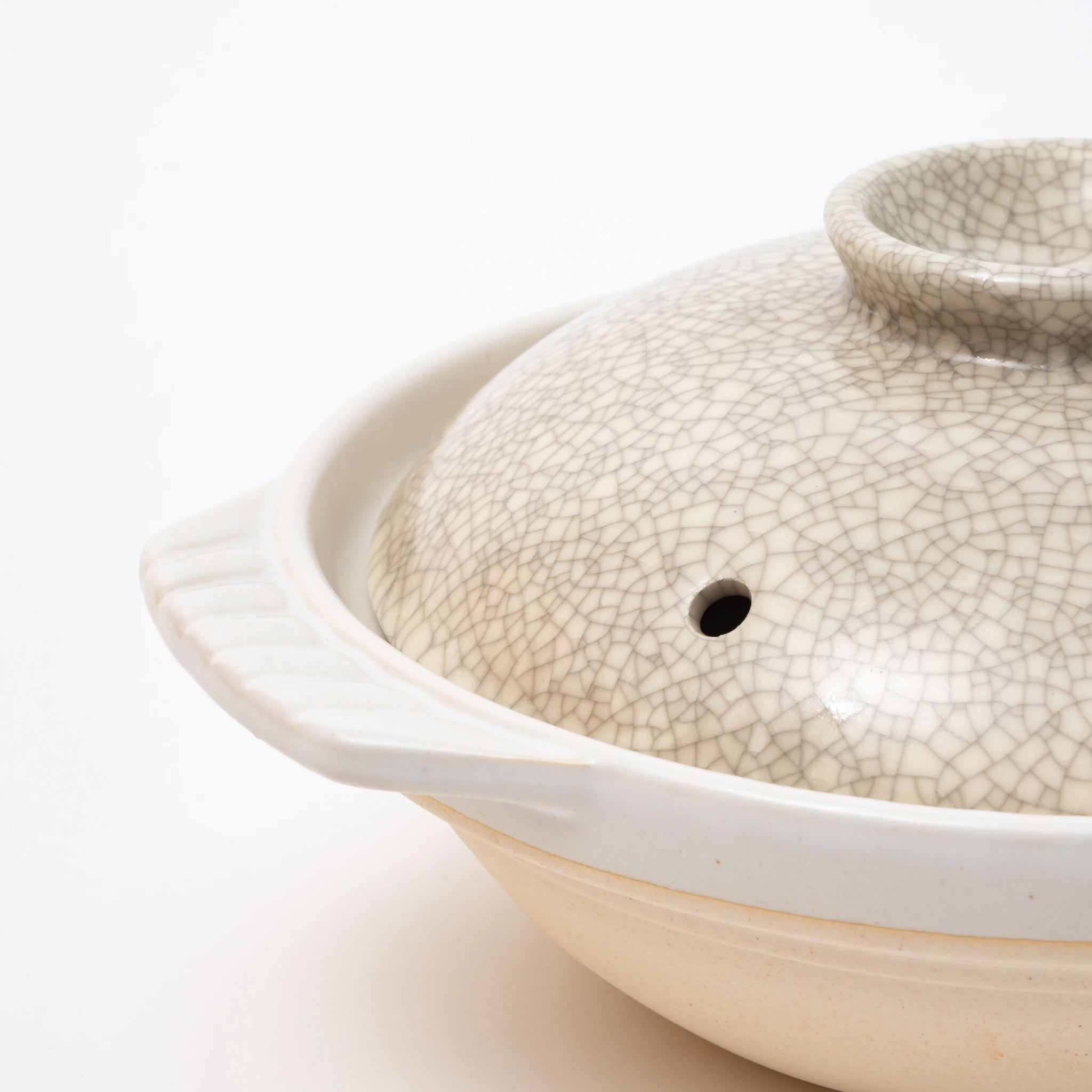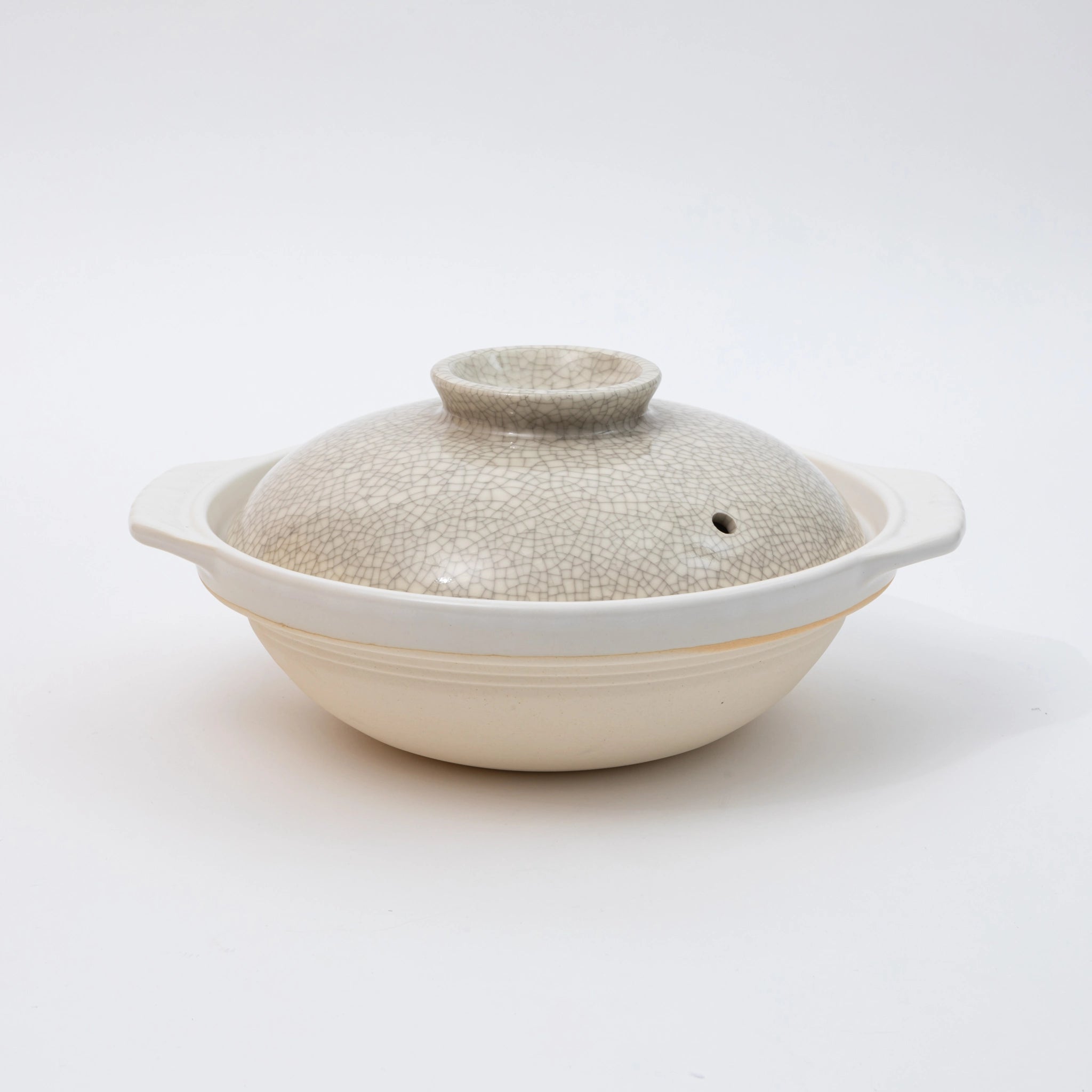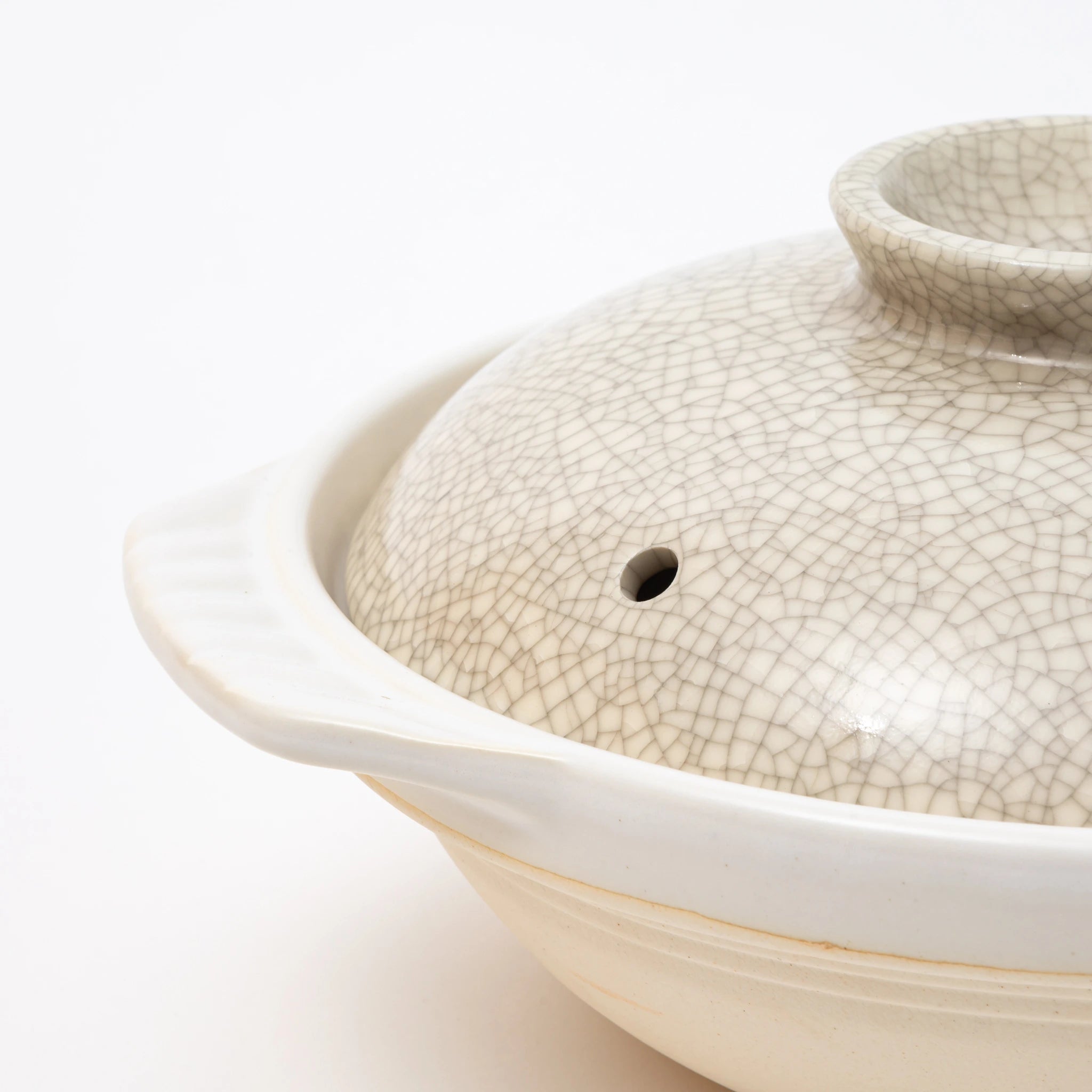
Elevate Winter Cooking with Banko Ware Donabe
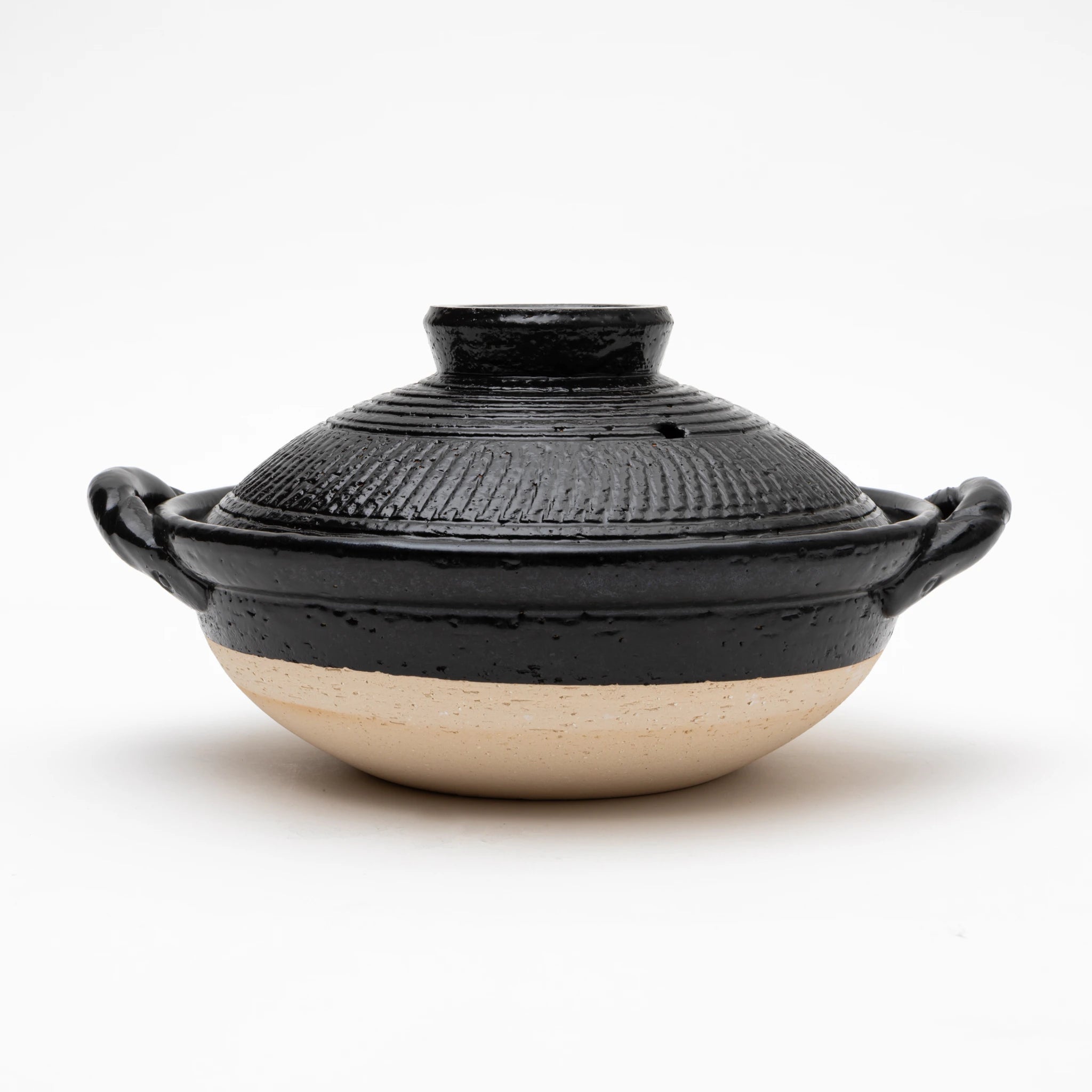
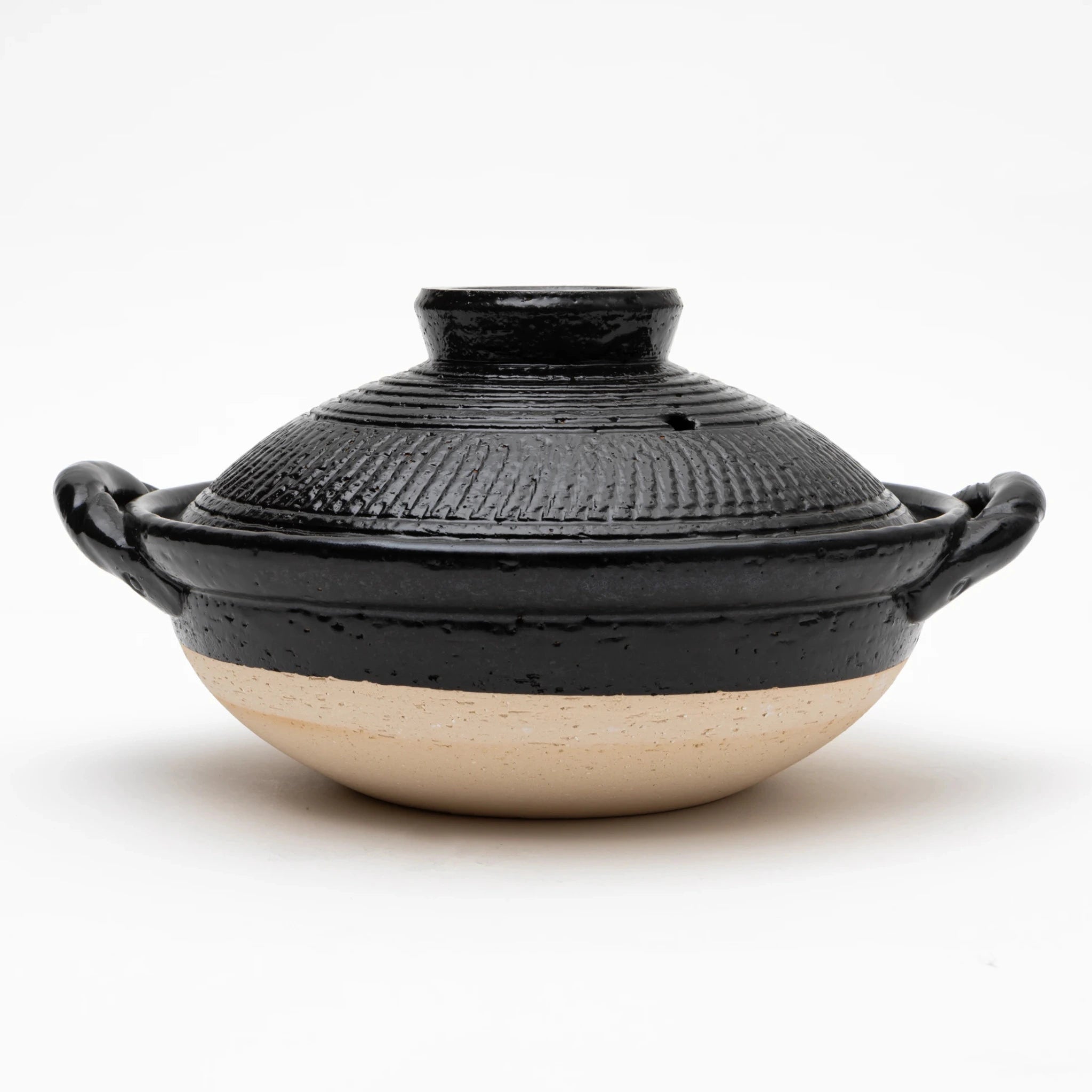
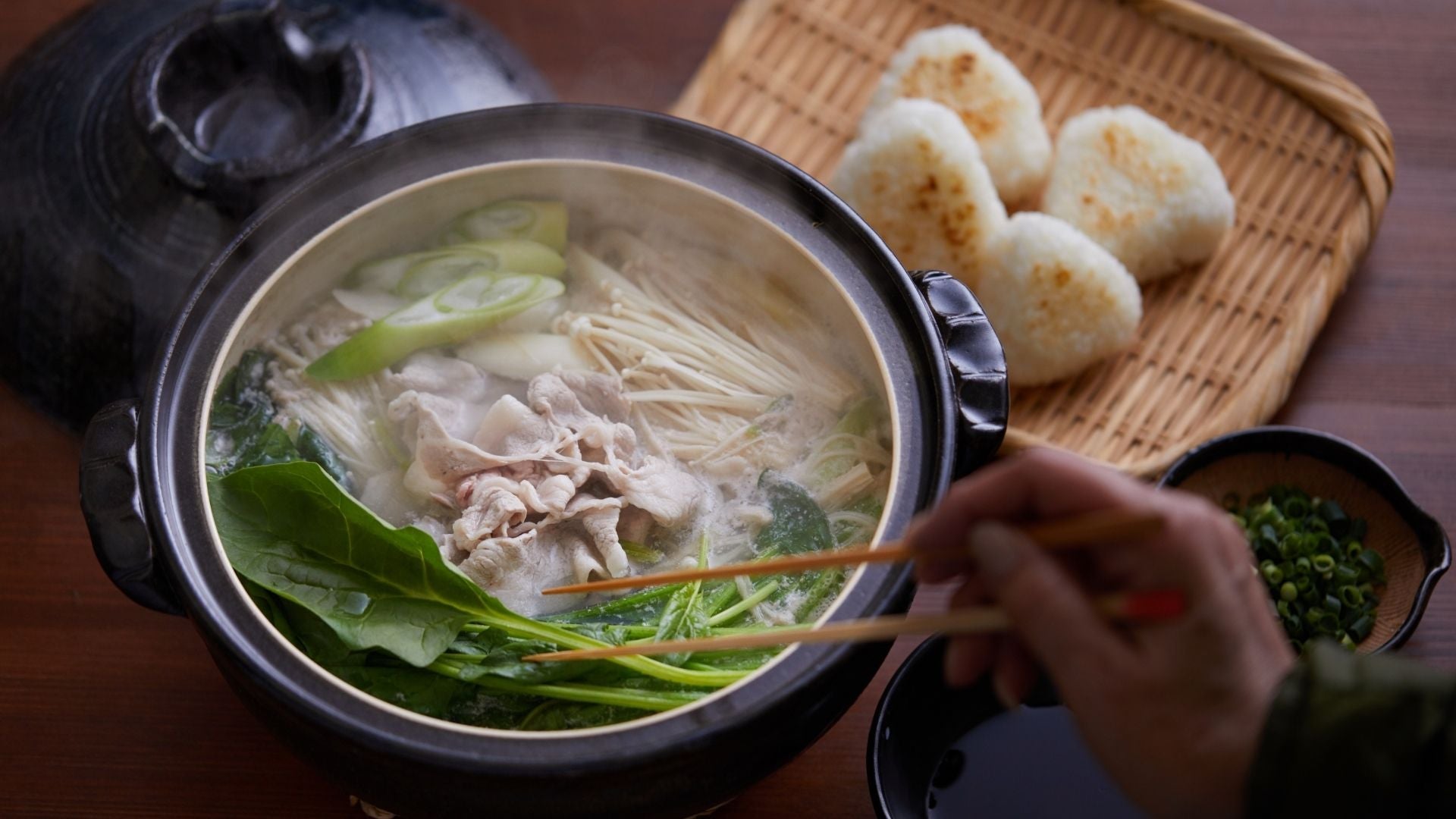
In Japan, few objects embody warmth and gathering like the donabe, which can be directly translated to “earthen pot”. Handcrafted from mineral-rich clay, the donabe has been an essential cooking vessel for centuries, cherished not only for its function but for the experience it creates: a meal brought to the center of the table, still gently simmering, inviting people to slow down and share.
Unlike conventional cookware, the donabe is made from porous, heat-retentive clay, often semi-stoneware with a high petalite content, as seen in Banko ware. Petalite is a naturally occurring mineral rich in aluminum and silica, prized in ceramics for its ability to withstand high heat without cracking. In Banko ware donabe, a high petalite content gives the clay exceptional durability and thermal resistance, allowing it to be used safely over open flames and in ovens while retaining gentle, even heat for cooking.
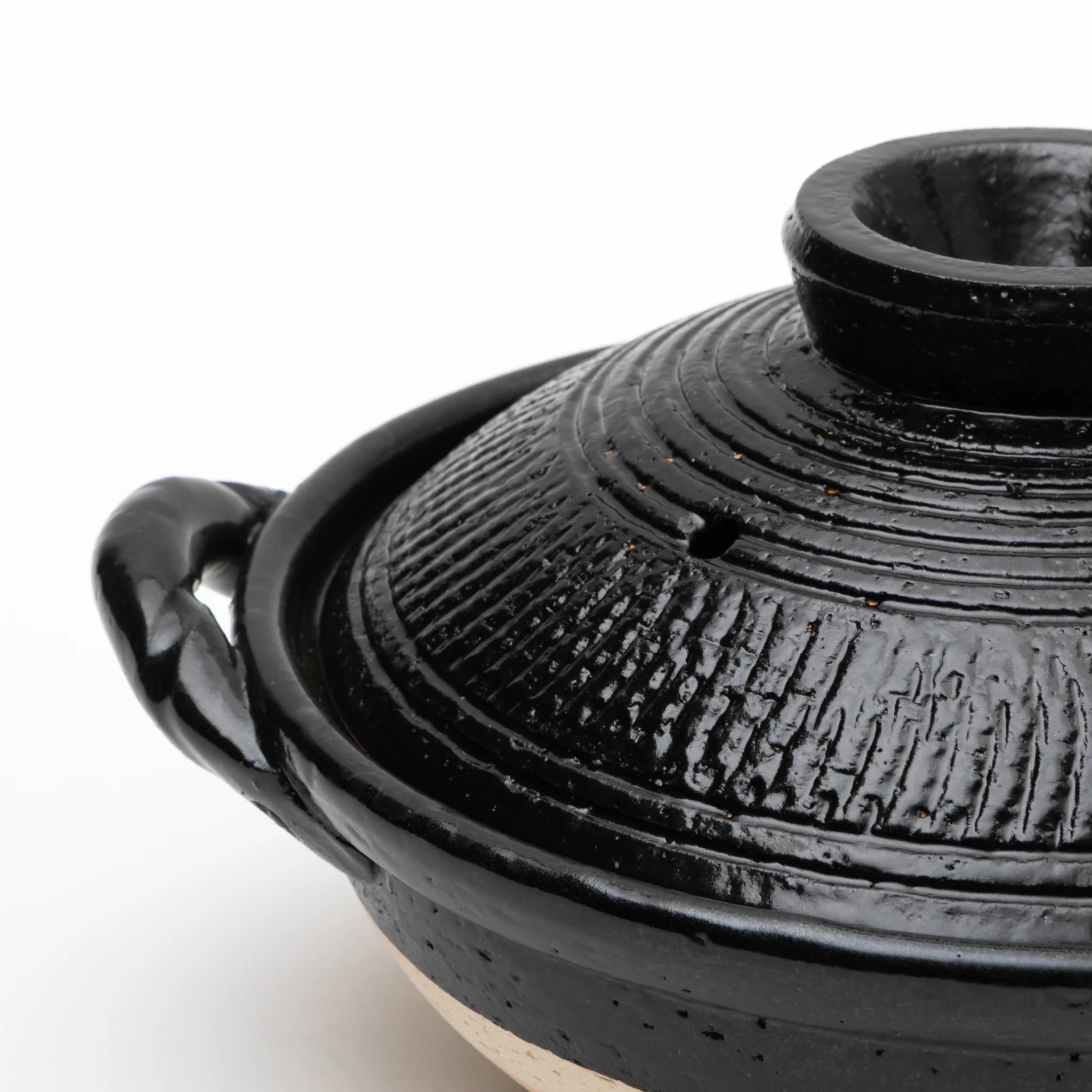
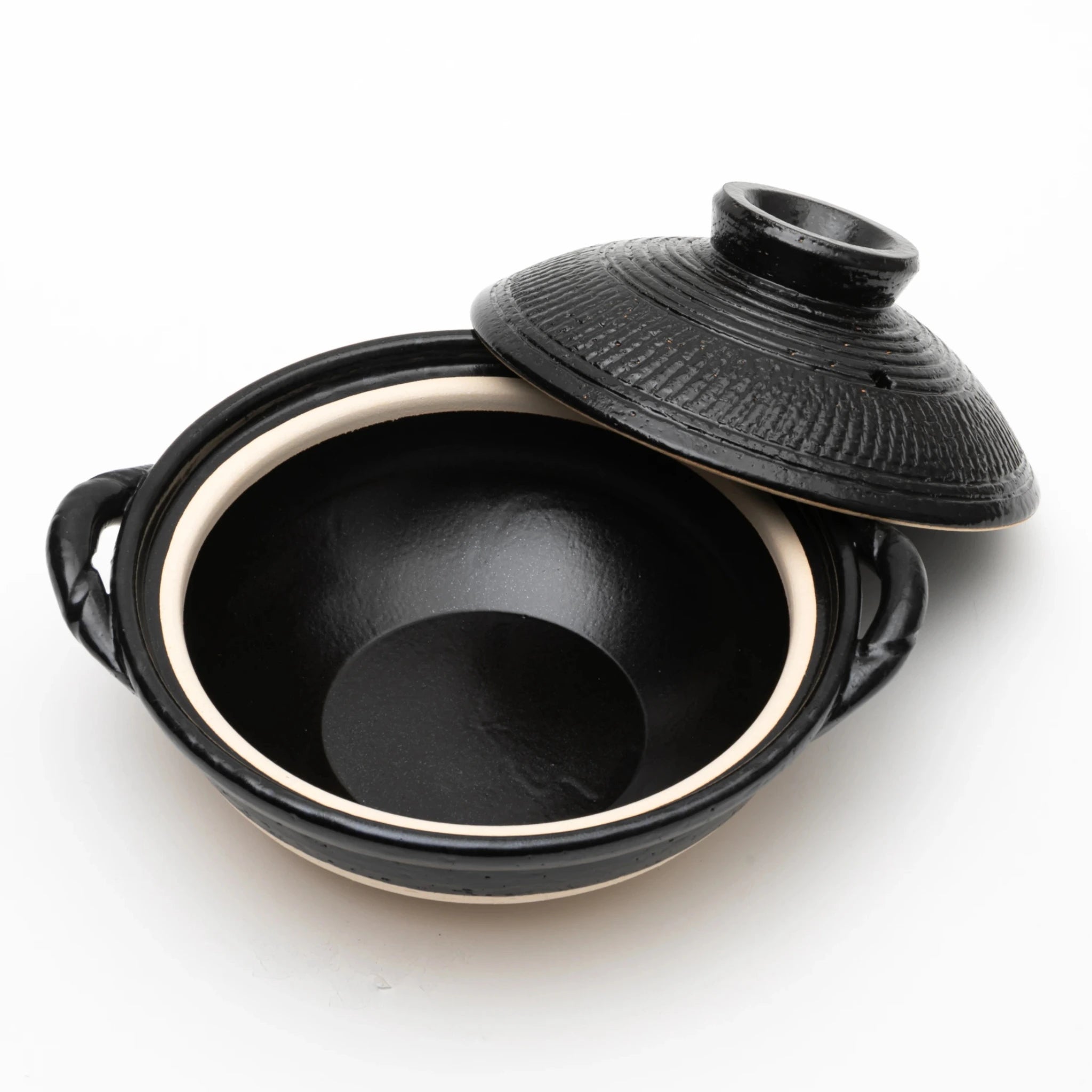
The donabe’s glazed interior and porous exterior allow it to breathe with heat, allowing flavors to develop evenly and deeply. With attentive care, each use only enhances its beauty, as the interior develops a delicate crackled patina called kannyu, a mark of age, character, and the meals it has nurtured. Many endure for decades; a treasured few have lasted for centuries.
 The donabe’s story is not just about cooking; it is about connection. In Japan, a tradition known as nabe o kakomu, or “gathering around the pot,” reflects a way of eating that is unhurried, communal, and profoundly human. Even today, whether in a humble family kitchen or an established ryokan in Kyoto, the donabe remains a symbol of comfort, togetherness, and home.
Why Donabe Belongs in Your Kitchen This Winter
Winter invites us to slow down, and few things answer that call more beautifully than cooking in clay. The donabe’s natural heat retention transforms humble ingredients into deeply comforting meals, broths become richer, vegetables sweeter, and meats more tender.
Among the many donabe traditions, Banko ware stands apart, especially in the colder months. Crafted from mineral-rich clay with a high content of petalite, Banko ware donabe can withstand direct flame, oven heat, and long simmering without cracking, making them ideal for the slow, sustained warmth that winter cooking calls for. They retain heat long after being removed from the stove, keeping food warm at the table, making them perfect for lingering conversations, refills, and second servings.
 Classic Japanese dishes like nabe, oden, shabu-shabu, and more are commonly prepared in donabe, but Banko ware elevates them, bringing out a clarity of broth, tenderness in ingredients, and a depth of warmth that metal cookware simply cannot replicate. Beyond traditional recipes, a Banko donabe can handle everyday essentials: soups, stews, braises, rice, even baking bread or roasting vegetables, making it not just seasonal but quietly indispensable.
To use a donabe is to welcome not just warmth into your kitchen, but a way of cooking that feels more human, more connected, and deeply seasonal.
 For more inspiration on how to use your donabe this winter, be sure to explore our related post: “Japanese donabe Recipes to Warm Your Winter”.
Crafted for the Modern Table, Rooted in Tradition
At Omakase, we carry two exceptional Banko ware donabe makers, each with its own legacy, philosophy, and quiet artistry. While both uphold the tradition of fireside clay, they bring their own character to the modern kitchen, blending heritage with thoughtful innovation.
 GINPO
GINPO
Founded in 1932, GINPO has long been recognized as a pioneering kiln of Banko ware, known for perfecting the craft of heat-resistant donabe using petalite-rich clay. Situated in the same historic pottery region of Yokkaichi, GINPO’s legacy is rooted in its relentless dedication to quality and quiet innovation.
Their story began with a simple refusal to accept poor-quality craftsmanship. The founder, dissatisfied with mass-produced ceramics of the time, chose to create his own kiln, developing custom clay blends, refining glazes, and eventually crafting donabe that could withstand direct flame without cracking. This breakthrough changed Banko ware forever, making GINPO a trusted name in both homes and fine restaurants across Japan.
Today, GINPO donabe are celebrated not only for their exceptional performance but for their elegant, timeless forms, pieces that transition effortlessly from flame to table, equally suited for rustic family meals and curated dining experiences.
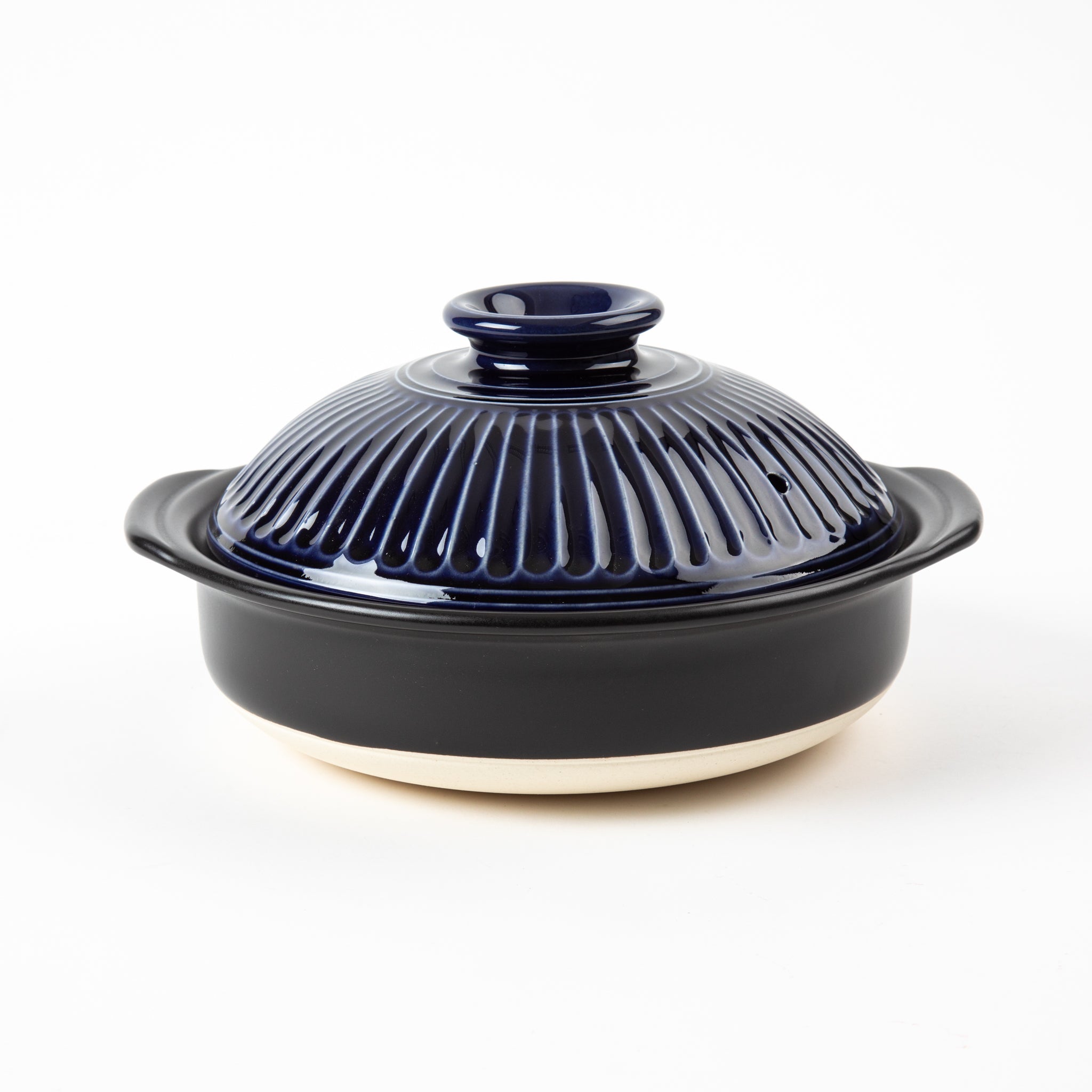
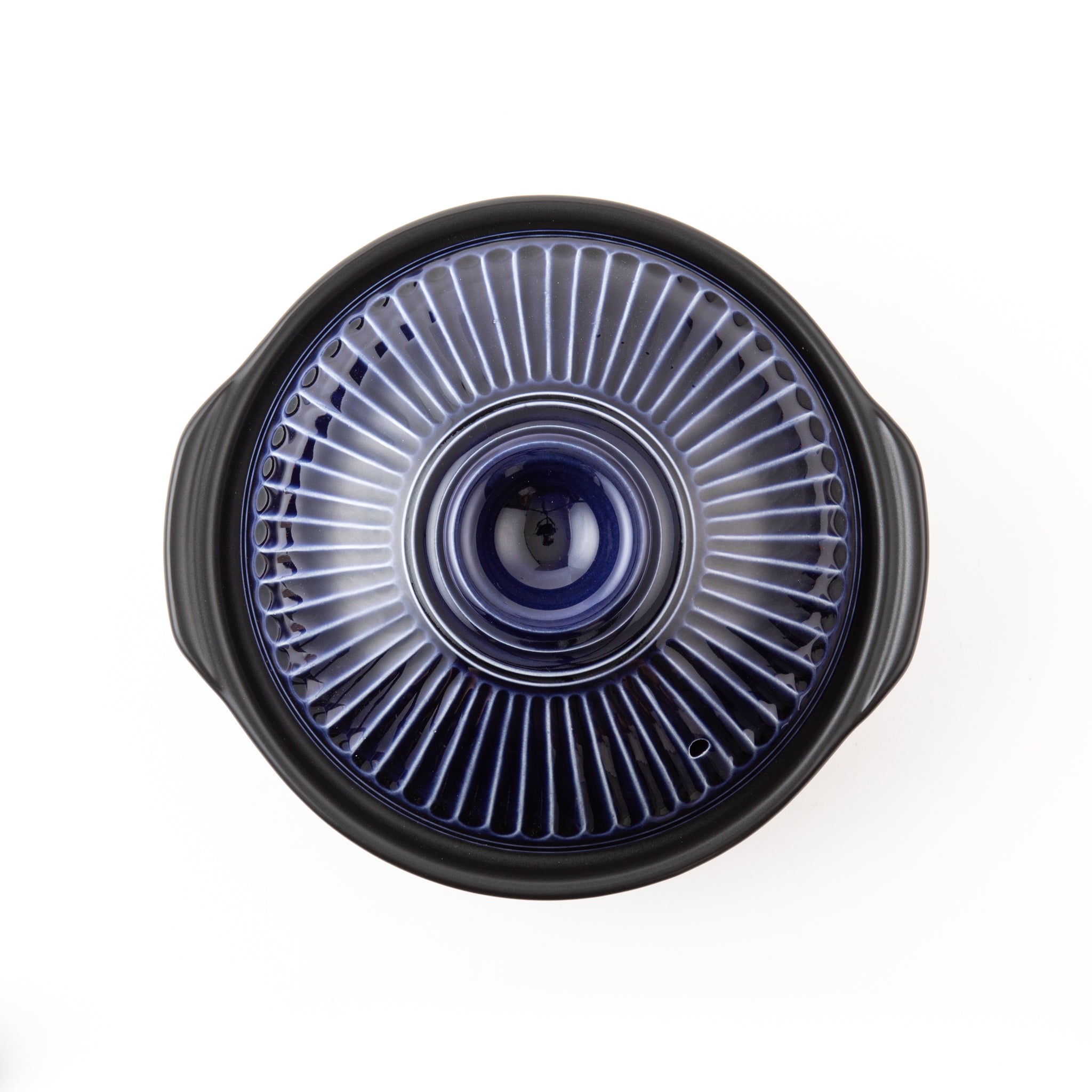
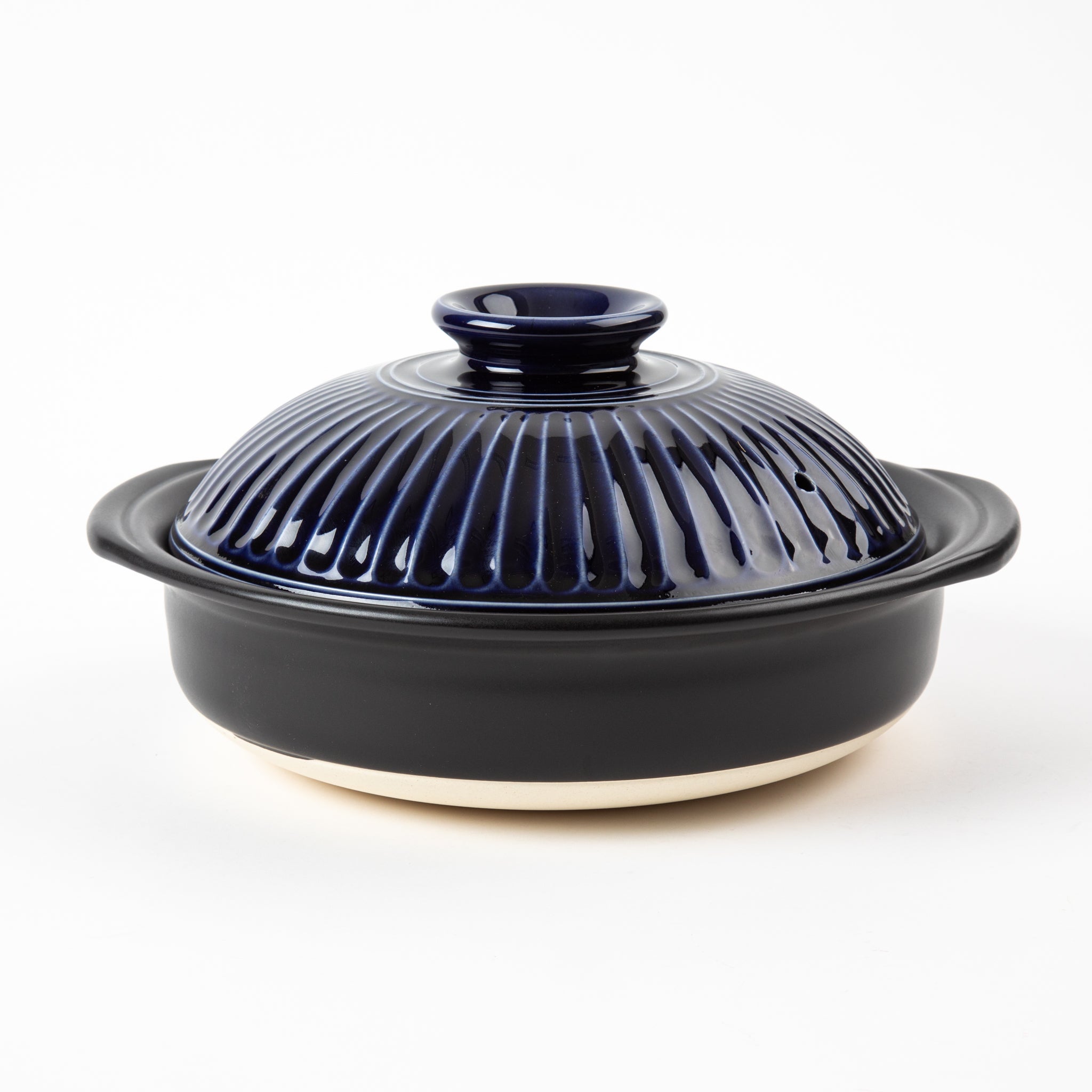
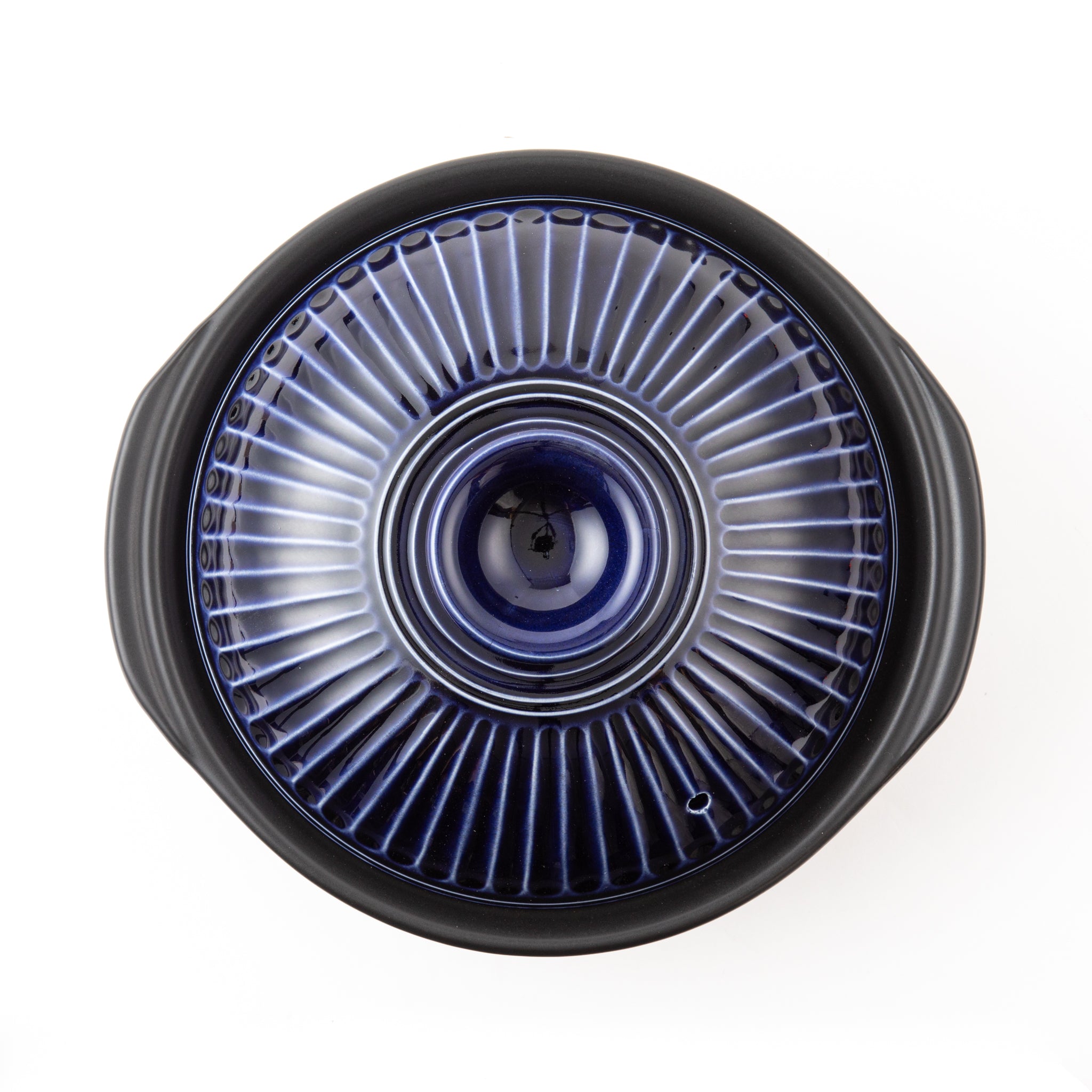
 Chrysanthemum Blue Glaze Donabe Clay Pot
The GINPO Chrysanthemum Blue Glaze donabe blends tradition with quiet sophistication. Its deep blue glaze, accented with intricate chrysanthemum patterns symbolizing longevity and renewal, brings elegance to any table. Crafted from high-quality Banko clay, it distributes heat evenly, making soups, stews, and nabe perfectly cooked. Available in two sizes, this durable, versatile donabe is ideal for both intimate meals and festive gatherings.
 Chrysanthemum Ame Glaze Donabe Clay Pot
GINPO’s Chrysanthemum Ame Glaze donabe pairs rich amber hues with delicate chrysanthemum motifs, offering warmth and refinement to shared meals. Its expertly crafted Banko clay ensures even cooking and lasting durability, while its elegant design enhances the dining experience. Available in two sizes, this donabe is as functional as it is beautiful, perfect for both family dinners and celebratory occasions.
 Sajitouki
Founded in 1923 in Yokkaichi, Mie Prefecture, Sajitouki began as a modest wholesaler of Banko ware. A century later, their purpose remains unchanged: to create vessels that nourish both the one who cooks and the one who gathers to eat. To them, a donabe is not merely a tool; it is a keeper of warmth, a companion to memory, and a quiet participant in the rituals of everyday life. It must be trusted in the kitchen, beautiful at the table, and soulful in the hands.
Sajitouki donabe embodies this harmony, understated yet elegant, resilient yet full of tenderness, refined yet deeply human. They feel less like objects and more like familiar presences, ready to hold not just food, but comfort, time, and connection.
Among their most cherished creations are the donabe we’ve selected, pieces that carry this spirit not only in their craftsmanship, but in the feeling they invite into your home.
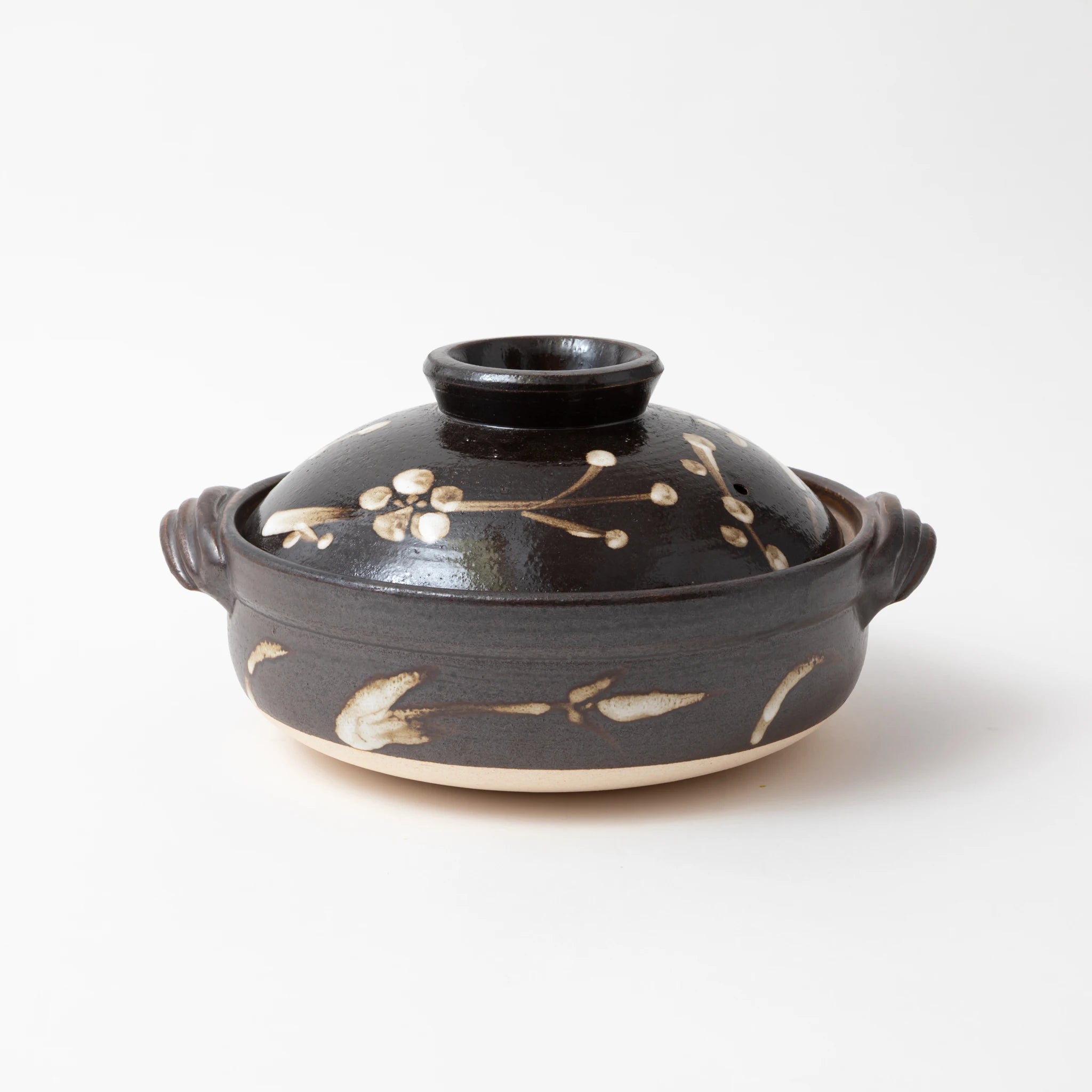
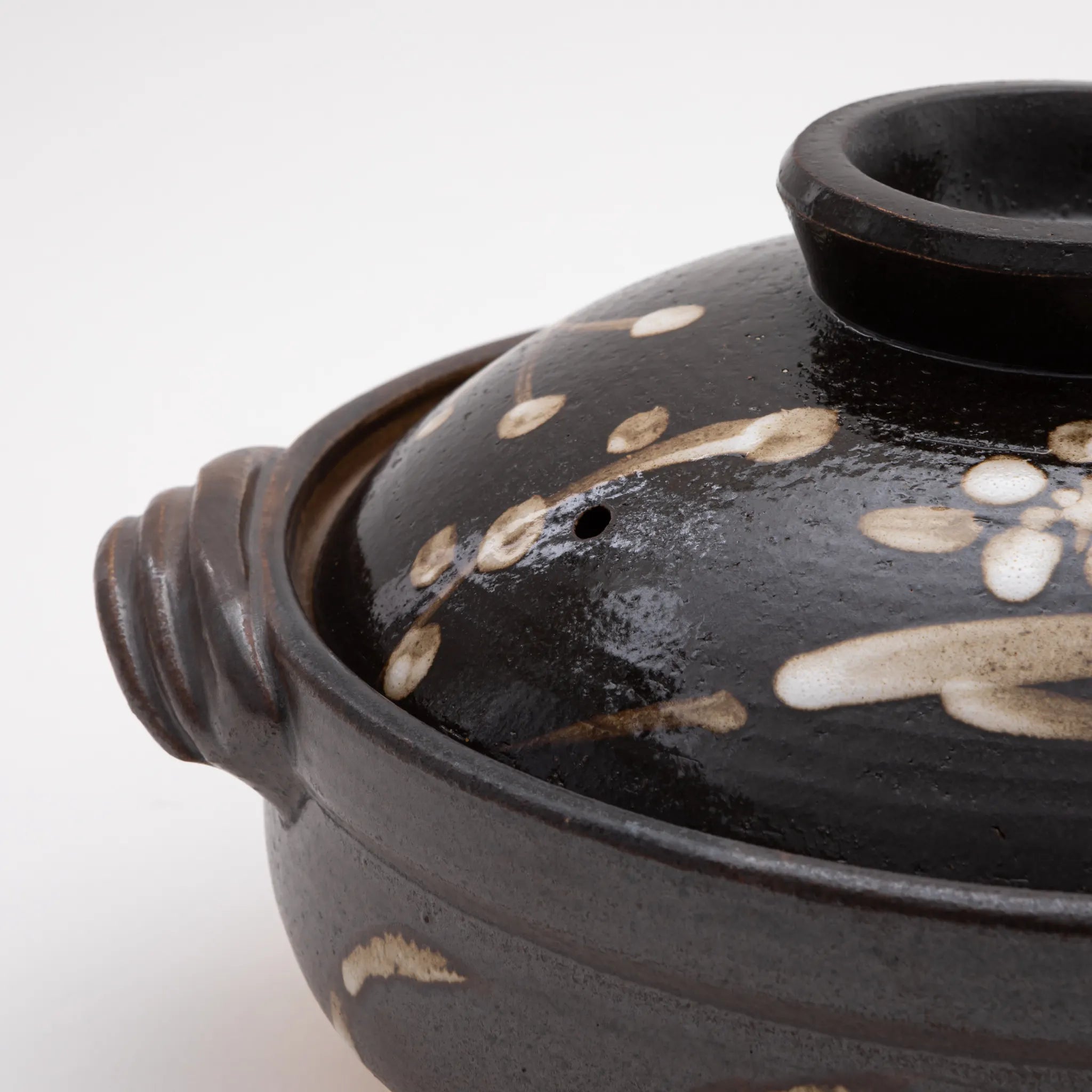
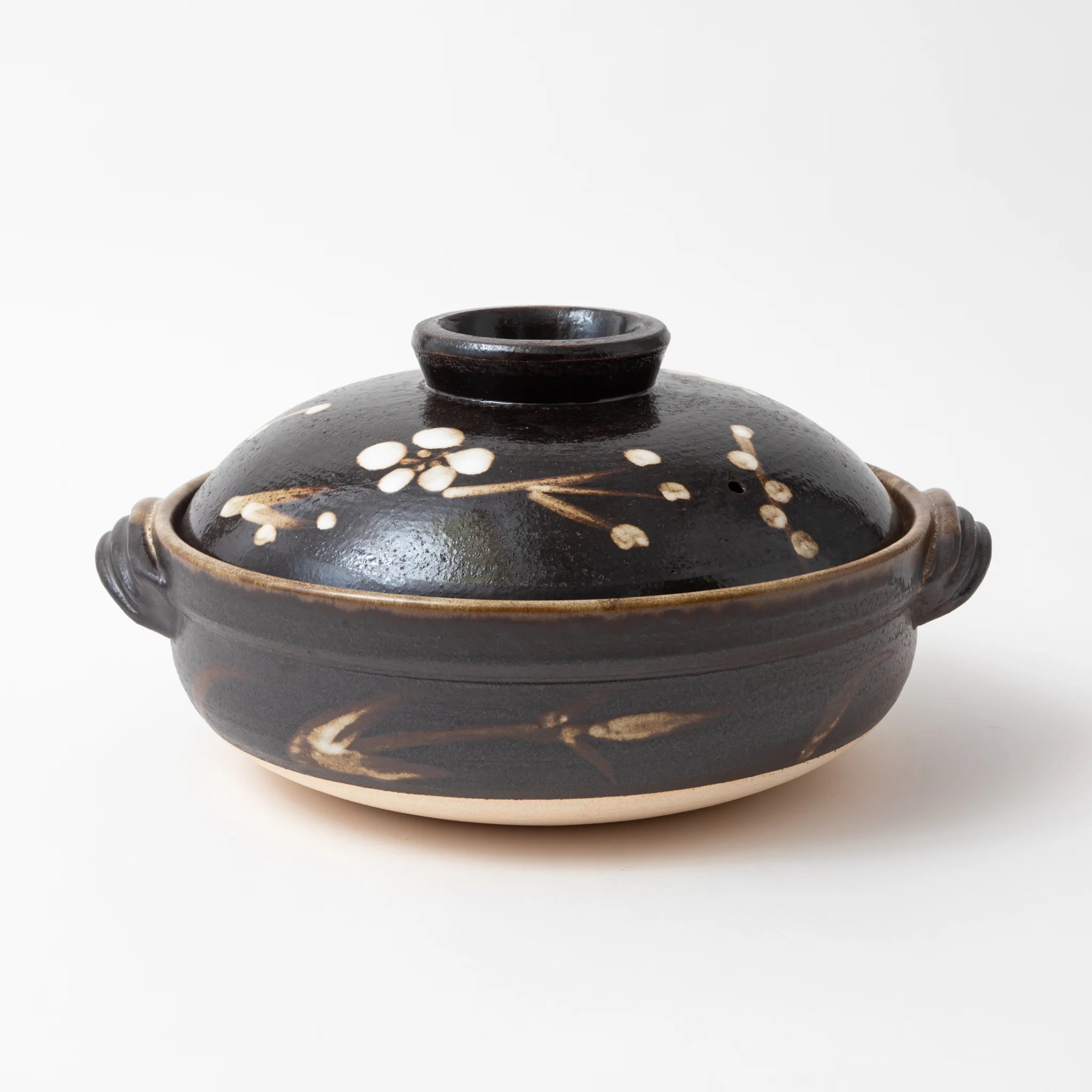
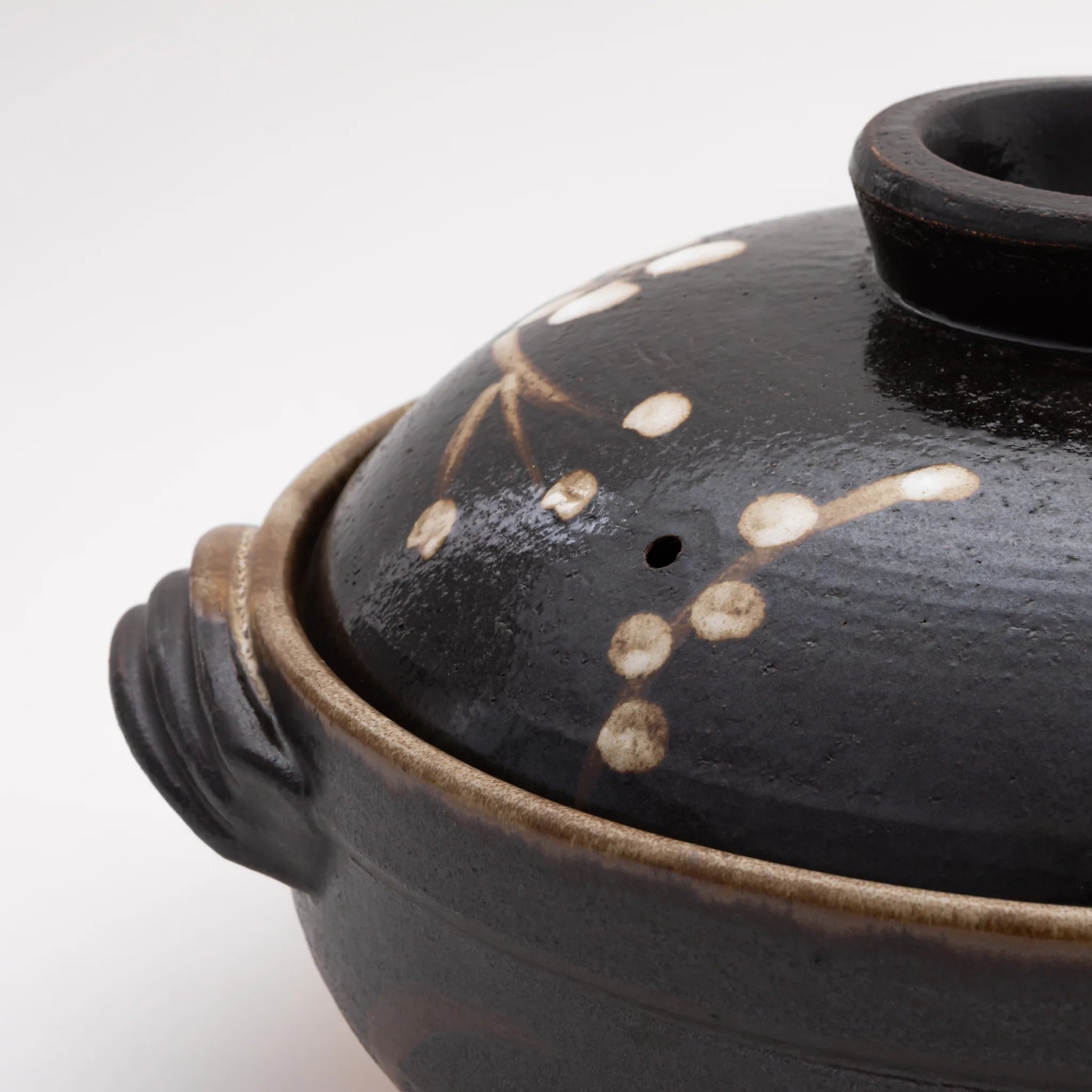
 Plum Black Donabe Clay Pot
The Plum Black donabe exudes quiet elegance. Its deep black glaze, accented with hand-painted plum blossoms, evokes resilience and the promise of spring, even in winter. Made from heat-retentive Banko clay, it distributes warmth evenly, transforming simple soups into nourishing, comforting meals.
 Kakiotoshi White Donabe Clay Pot
The Kakiotoshi White donabe is calm, luminous, and refined, the first white slip-glazed donabe in Japan. Its smooth, durable Banko clay can be used on the flame, in the oven, or even in the microwave, while its pale surface and hand-scraped details make it as beautiful on the table as on the stove. Over time, it develops a soft patina unique to its owner, evolving with use. Now discontinued and available only in limited quantities. Once sold out, it will not return. A quietly extraordinary piece for those who value rarity, restraint, and lasting beauty.
Embrace Warmth, Tradition, and Connection
To welcome a donabe into your kitchen is to invite more than a cooking vessel; it is to embrace a way of life that honors patience, connection, and the quiet art of sharing. Each pot carries centuries of craftsmanship, shaping not only the flavors of your meals but the rhythm of your gatherings.
From intimate weeknight dinners to celebratory winter feasts, a donabe transforms cooking into a ritual and eating into communion. Whether chosen from the time-honored artistry of Sajitouki or the refined elegance of GINPO, each piece is a companion, growing in character and beauty with every meal. In a world that moves too quickly, the donabe reminds us to slow down, savor warmth, and gather together, turning every meal into a moment worth remembering.