
A Path to the Japanese Gardens: Exploring Chisen, Karesansui, and Roji Garden Design
Most gardens are built to be admired. The Japanese garden is built to be inhabited, not in the physical sense, but mentally. You do not stand outside it and look in. It draws you into a slower frequency, one stone, one step, one breath at a time.
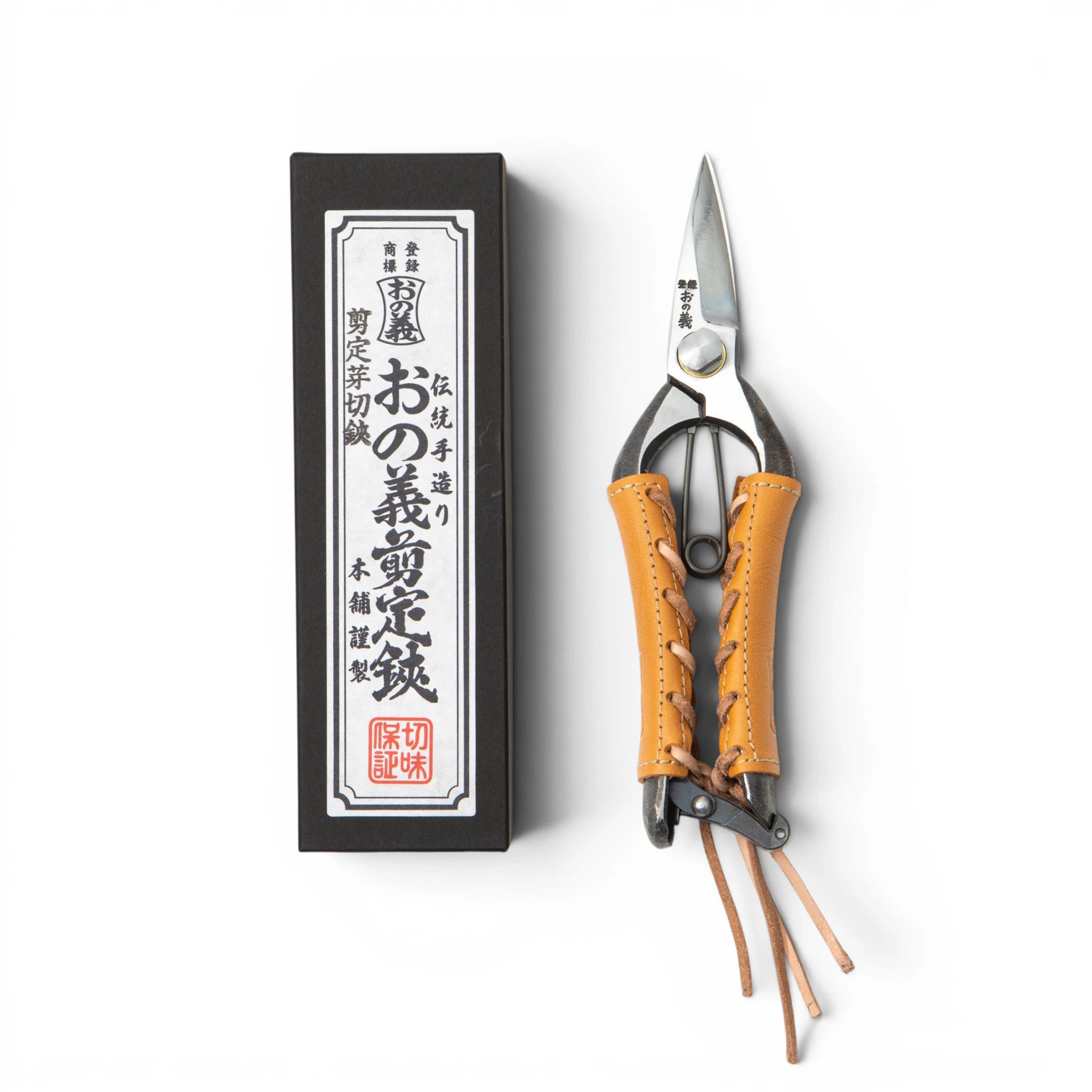
 Maintaining the clean lines of a Japanese garden | Onoyoshi Hamono Forged Bud Cutting Shears
That slower frequency takes many forms. Look past the surface of stone, sand, and moss, and into three of the tradition's most defining styles: the living depth of the Chisen water garden, the abstraction of the Karesansuidry landscape, and the mindful transition of the Roji tea path.
Chisen: Fluid Canvas of a Living Ecosystem
The name Chisen translates to "pond" and "(water) spring." In essence, a Chisen garden is defined by the continuous movement of water, structured to function as a balanced, self-sustaining ecosystem. The design relies on a delicate harmony between water depth and vibrant layers of flora, including submerged hornwort, marginal irises and lotuses, and floating water lilies, alongside a variety of fauna. Traditionally populated by colorful koi fish, goldfish, and freshwater shrimp, the ecosystem naturally attracts local wildlife like frogs, salamanders, and seasonal waterfowl.

To sustain this habitat, precisely placed rocks are also added along the stream beds, intentionally disrupting the current to create shallow rapids and small waterfalls that keep the water clear and oxygenated.
 Tenryu-ji Temple
A prominent example of this style is found at Tenryu-ji Temple in Kyoto, where the famous garden is built around a pond that perfectly frames the Arashiyama mountains in the background.
Karesansui: Endless Horizon In Sand and Stone
The name Karesansui translates to "dry," "mountain," and "water," presenting a landscape where the vastness of nature is conjured without using a single drop of actual water. At its core, a Karesansui garden is defined by the strategic use of blank space.

This design approach allows a tiny, enclosed courtyard to represent massive mountain ranges, deep canyons, or a boundless ocean. Unlike traditional styles designed for walking, a Karesansuiis structured specifically to be viewed while sitting completely stationary from a temple veranda, acting as a direct focus point to quiet the mind.
 Ginkaku-ji Temple
A prominent example of this style is found at Ginkaku-ji, the Silver Pavilion in Kyoto, which features the breathtaking Ginshadan, a vast, meticulously raked sea of sand, alongside a large, perfectly sculpted conical sand mound that abstractly honors the form of Mount Fuji.
Roji : The Mindful Path
The name Rojitranslates to "dewy ground," painting a serene image of a misty, quietly secluded mountain path hidden away from the modern world. Functioning as the garden that leads directly to the Japanese tea ceremony house, the Roji and the teahouse are structurally entwined as a single, inseparable unit, making the path itself the first phase of the tea ritual. By design, the Roji path is defined by the concept of mindful transition, serving as a physical and psychological gateway to prepare guests for the ceremony ahead.
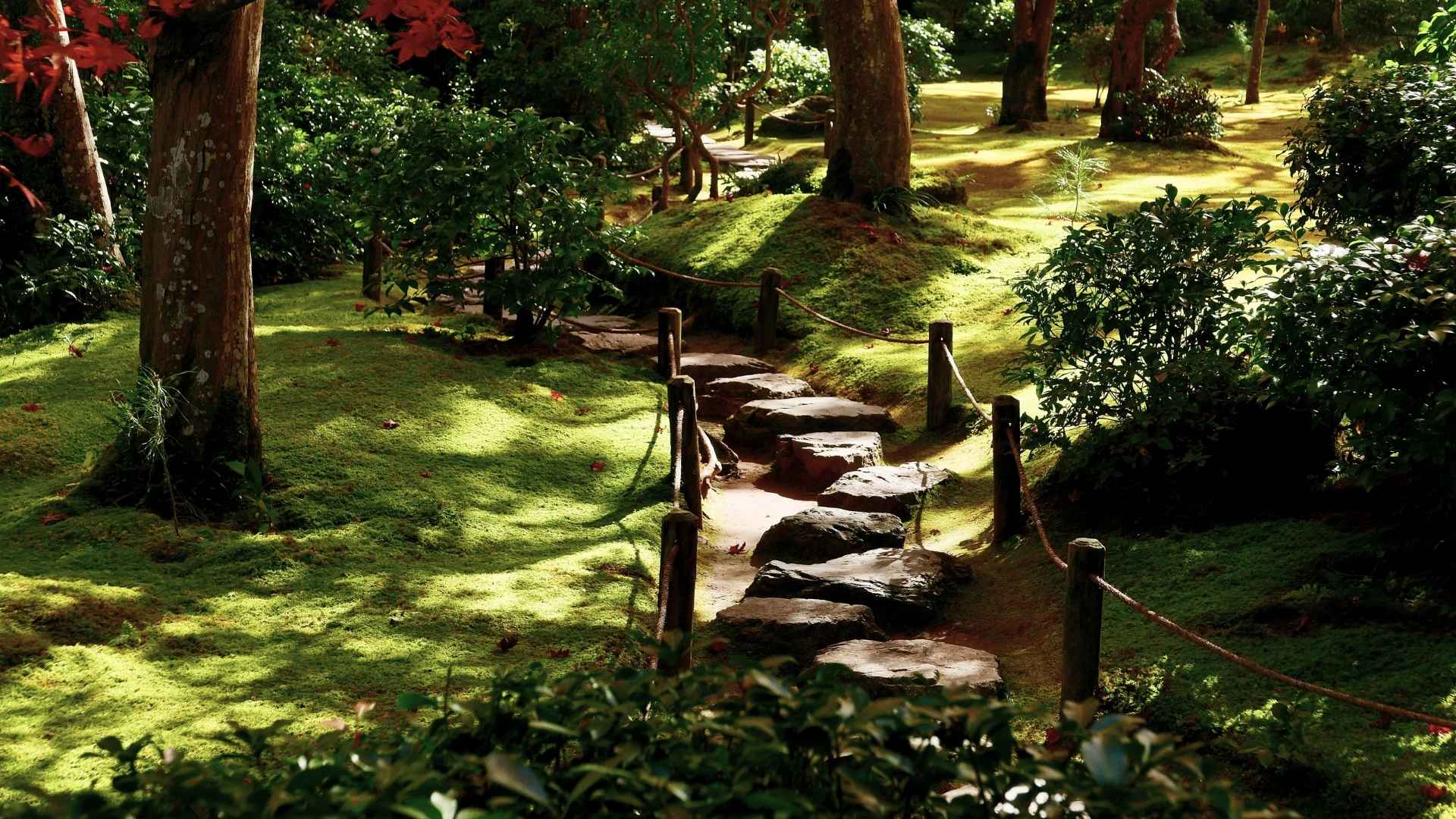
 Tobi-ishi, the stepping stone path
This approach focuses on helping the traveler consciously shed the stresses of daily life with every step. Unevenly placed stepping stones naturally slow your pace and anchor awareness to the present moment. Along the winding path, rustic stone lanterns guide the way, and a low stone basin (tsukubai) invites guests to crouch and cleanse their hands and minds, ensuring they enter the tearoom in a state of quiet presence.
 Japanese Teahouse
A legendary example of this garden design is found at Myoki-an Temple in Kyoto, where the Roji path leads directly to Tai-an, a National Treasure and the only surviving tea house definitively attributed to the great tea master Sen no Rikyu.

Invisible Partnership of Hand and Earth
Although these diverse garden styles employ different physical elements and serve distinct purposes that make them unique, they are bound by a common thread: how the intentionality of the human hand can beautifully recreate what Mother Nature has crafted. They prove that a garden does not need boundless acreage to offer an escape and a feeling of tranquility. When a space is shaped with such careful intention and maintained with deliberate care, the boundary between the artificial and the organic slowly dissipates. What remains is a canvas that feels less constructed than discovered, inviting anyone who steps inside to slow down and simply be present.