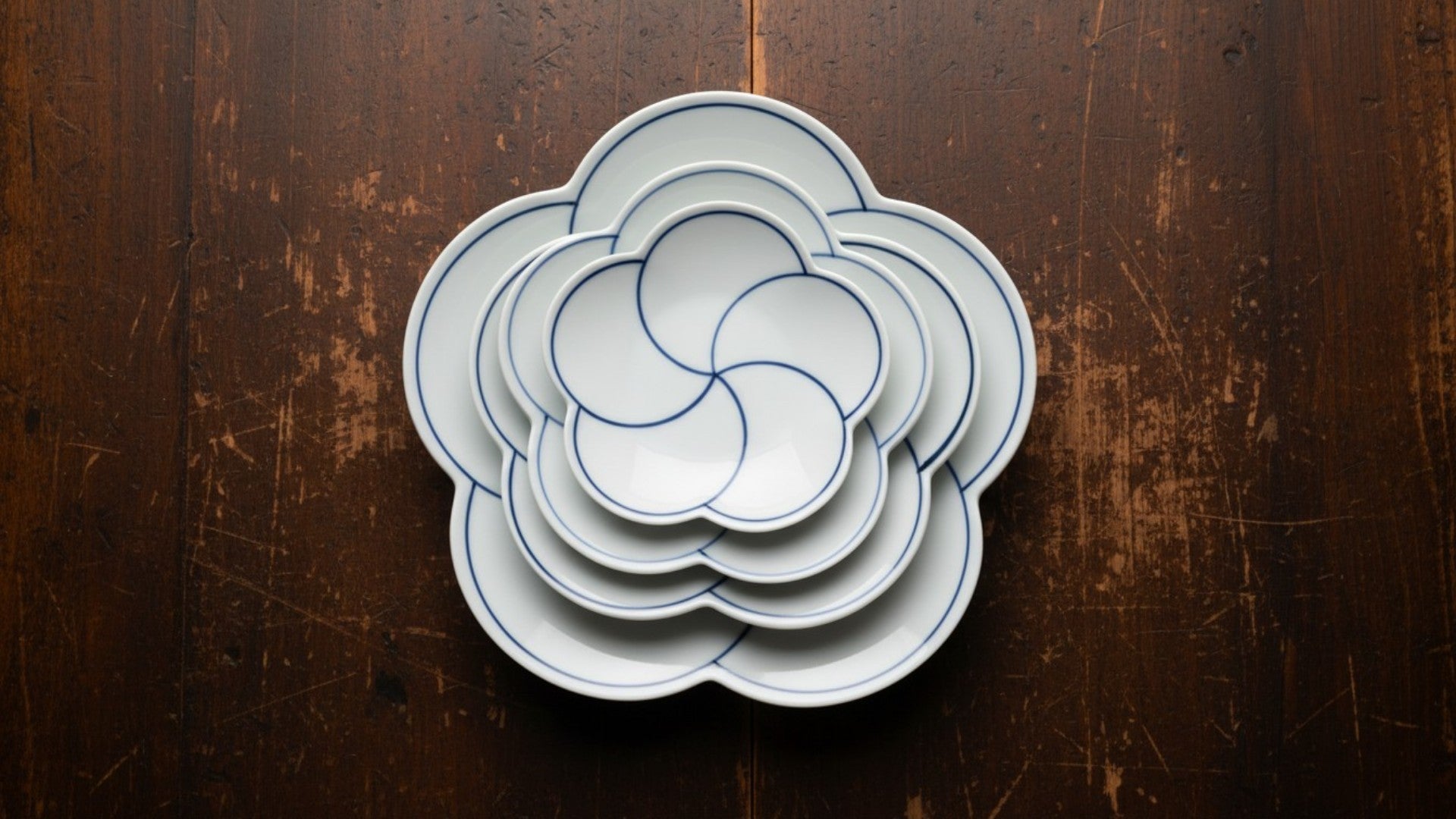
Yo-no-bi: The Beauty in Objects We Actually Use
Consider the objects that populate your kitchen shelves. There is the fragile, porcelain sake set purchased at an upscale boutique, catching the light but rarely catching a drop of liquid. There is the hyper-minimalist, geometric vase that sits as a sterile monument to contemporary design. And then, there is the bowl.
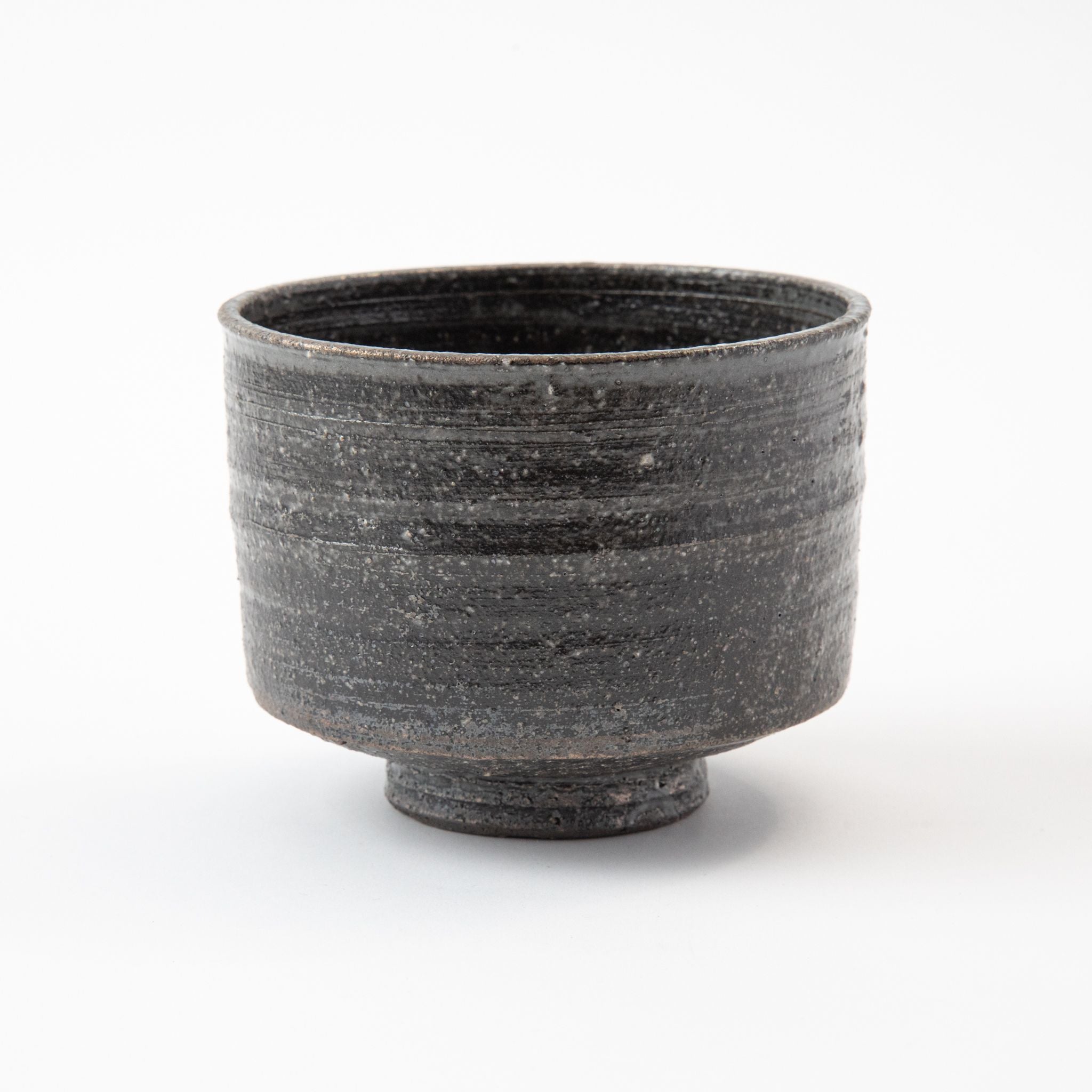
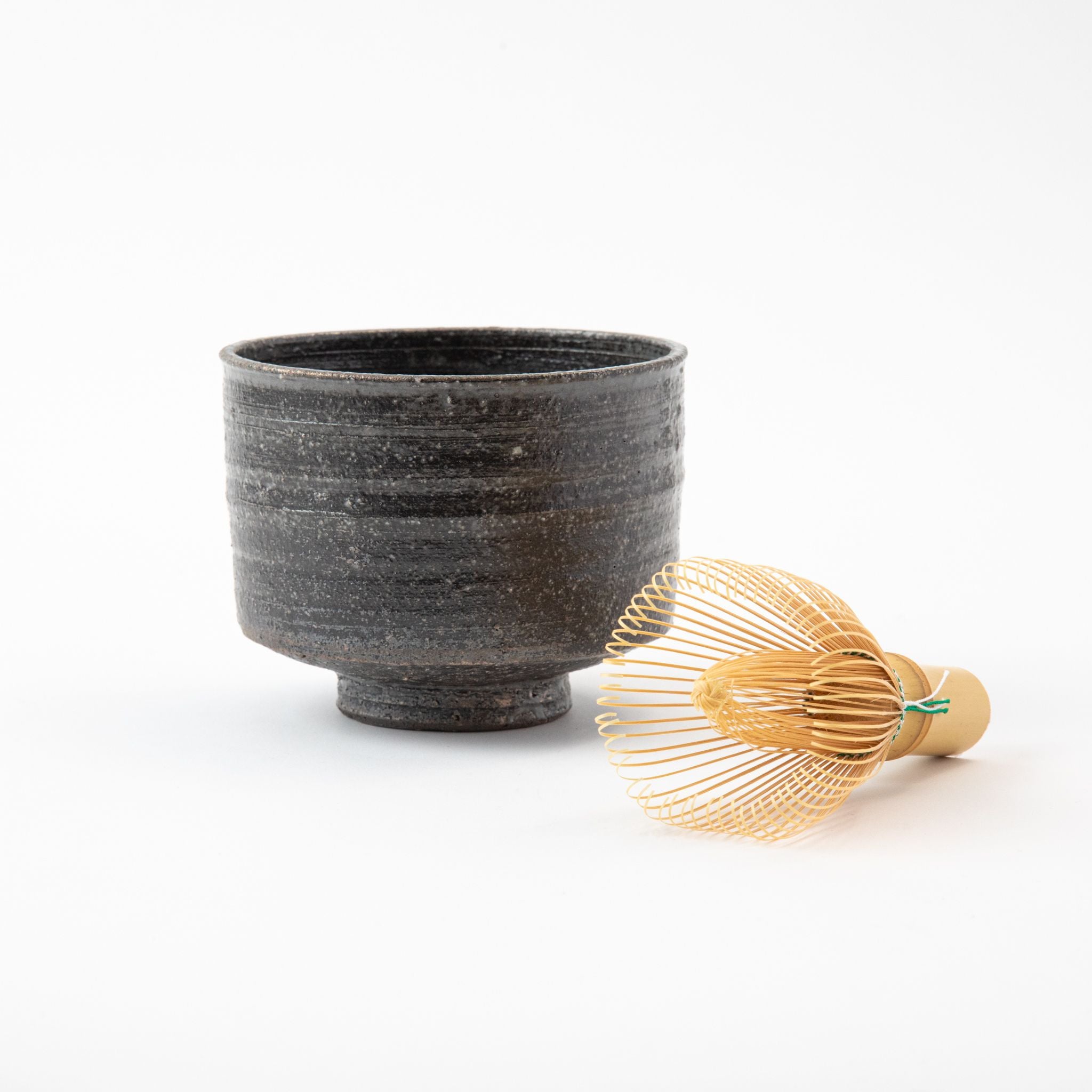
It is not loud. It doesn't beg for an Instagram feature. Yet, morning after morning, your hand drifts past the pristine, the rare, and the novel, instinctively reaching for it. It nests perfectly within the curve of your palm. It holds the precise weight of a quiet morning. Without ever asking to be admired, it has done something far more difficult: it has become indispensable.
This instinctual pull is not accidental. It is the living pulse of Yo-no-bi, the traditional Japanese philosophy that translates to "the beauty of use."

The Roots of Real Luxury: Soetsu Yanagi and the Mingei Movement
In the Western design canon, form and function are routinely treated as distinct entities locked in a perpetual dance of compromise. We are taught that an object is either a utilitarian tool or a piece of fine art. But Japanese craft culture rejects this dichotomy entirely. Under the lens of Yo-no-bi, an everyday object is not practical first and beautiful second. Its beauty is born directly from the way it serves your life.
To understand the cultural gravity of Yo-no-bi, one must look back to the early 20th century, a period when Japan was rapidly industrializing. In response to the influx of cheap, mass-produced goods, a philosopher named Soetsu Yanagi, alongside legendary potters Kanjiro Kawai and Shoji Hamada, established the Mingei movement, literally meaning "popular craft." Read more about the spirit behind Japanese crafting philosophy.
Yanagi made a radical proposition that flipped the high-art world on its head: true aesthetic salvation does not belong to the elite, signed masterpieces hidden behind museum glass. Instead, it resides in the anonymous, unpretentious tools crafted by unnamed artisans for the ordinary person.
The Japan Mingei Association reminds us that beauty exists in life. It is a democratization of luxury. The value of a hand-woven bamboo basket or a lacquered wooden tray is forged through repeated making, shared regional traditions, and, crucially, the fact that it is meant to be worn down, held, and relied upon.

More Than Utility: The Psychology of the Everyday
While "functional beauty" is a term often applied to sleek, industrial designs — think of a Swiss watch or a German-engineered camera — Yo-no-bi introduces a deeply human variable. It is not just about the technical efficiency of the object; it is about the beauty of the human being using it.
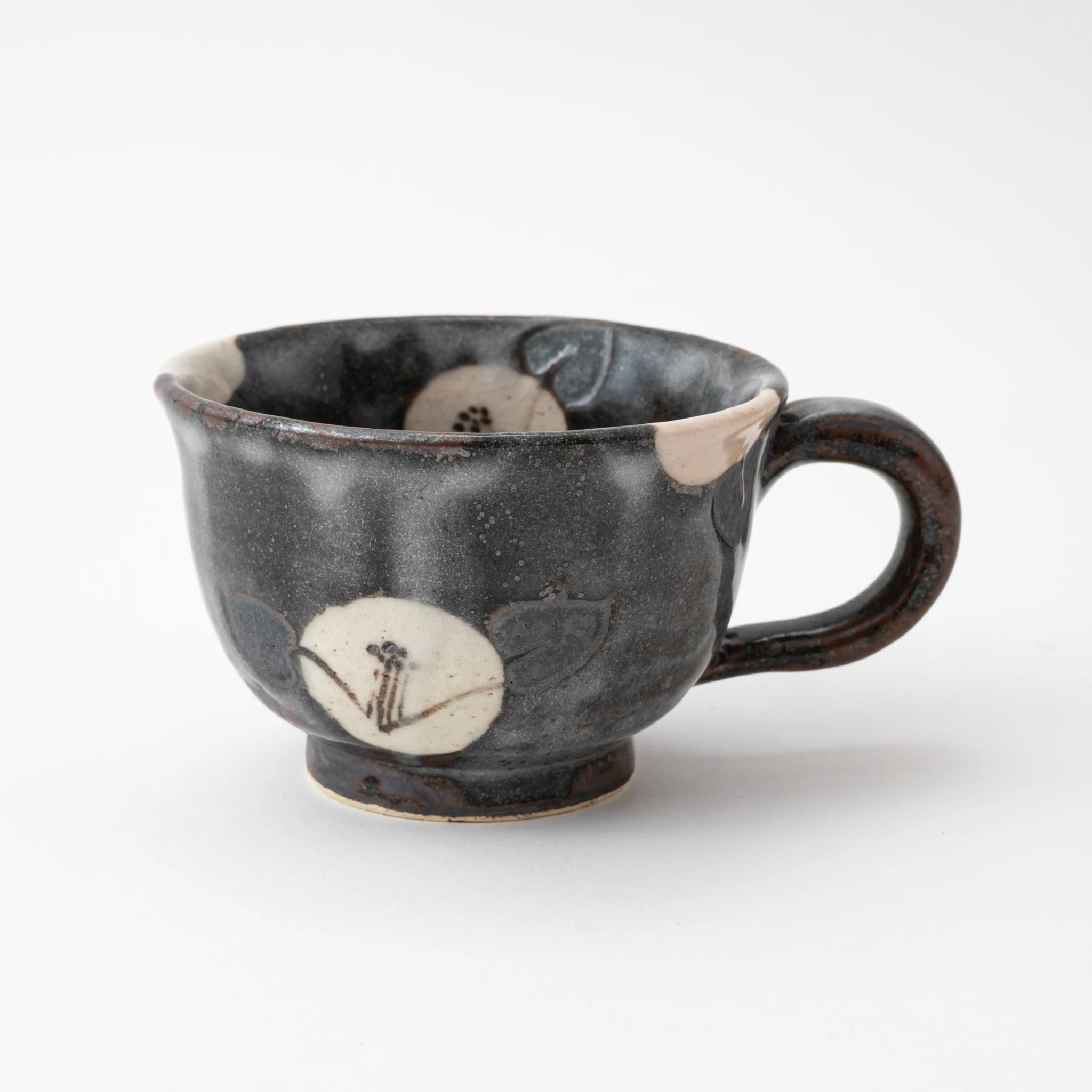
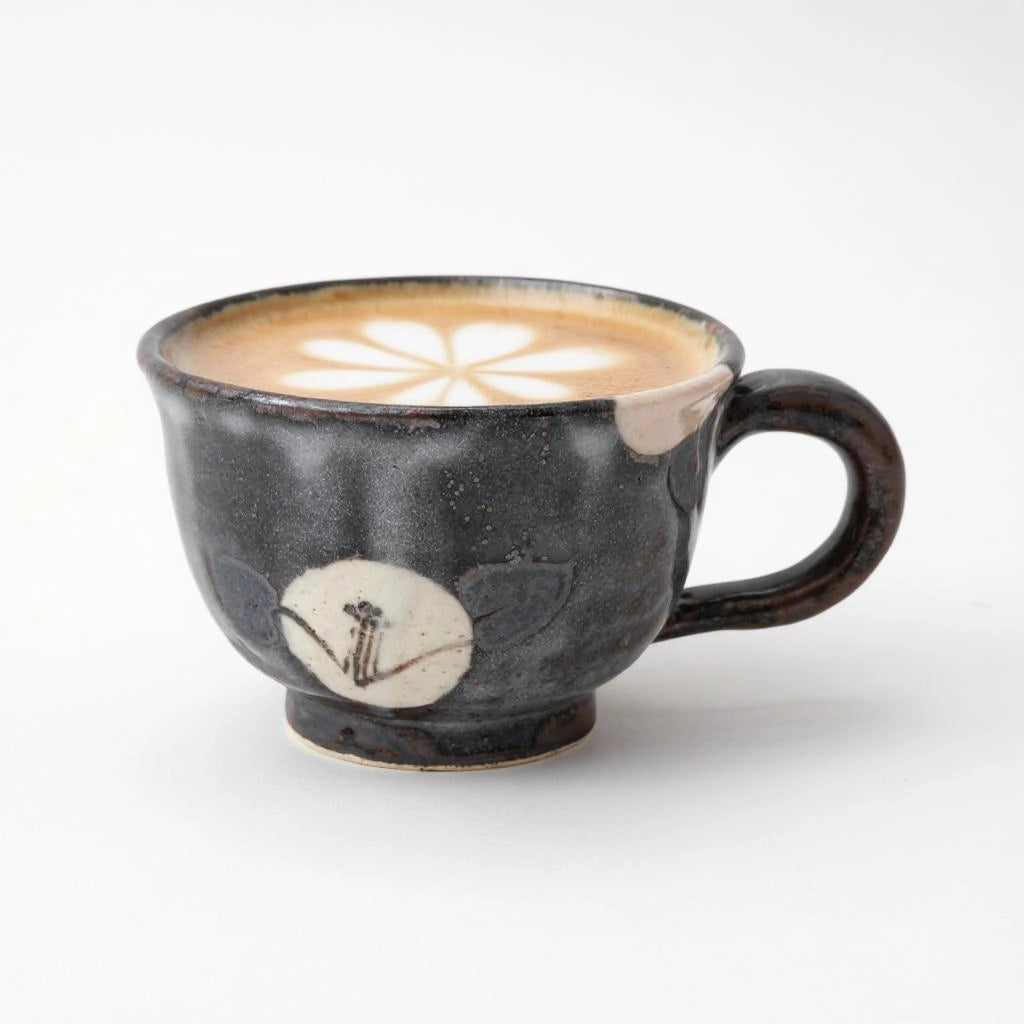
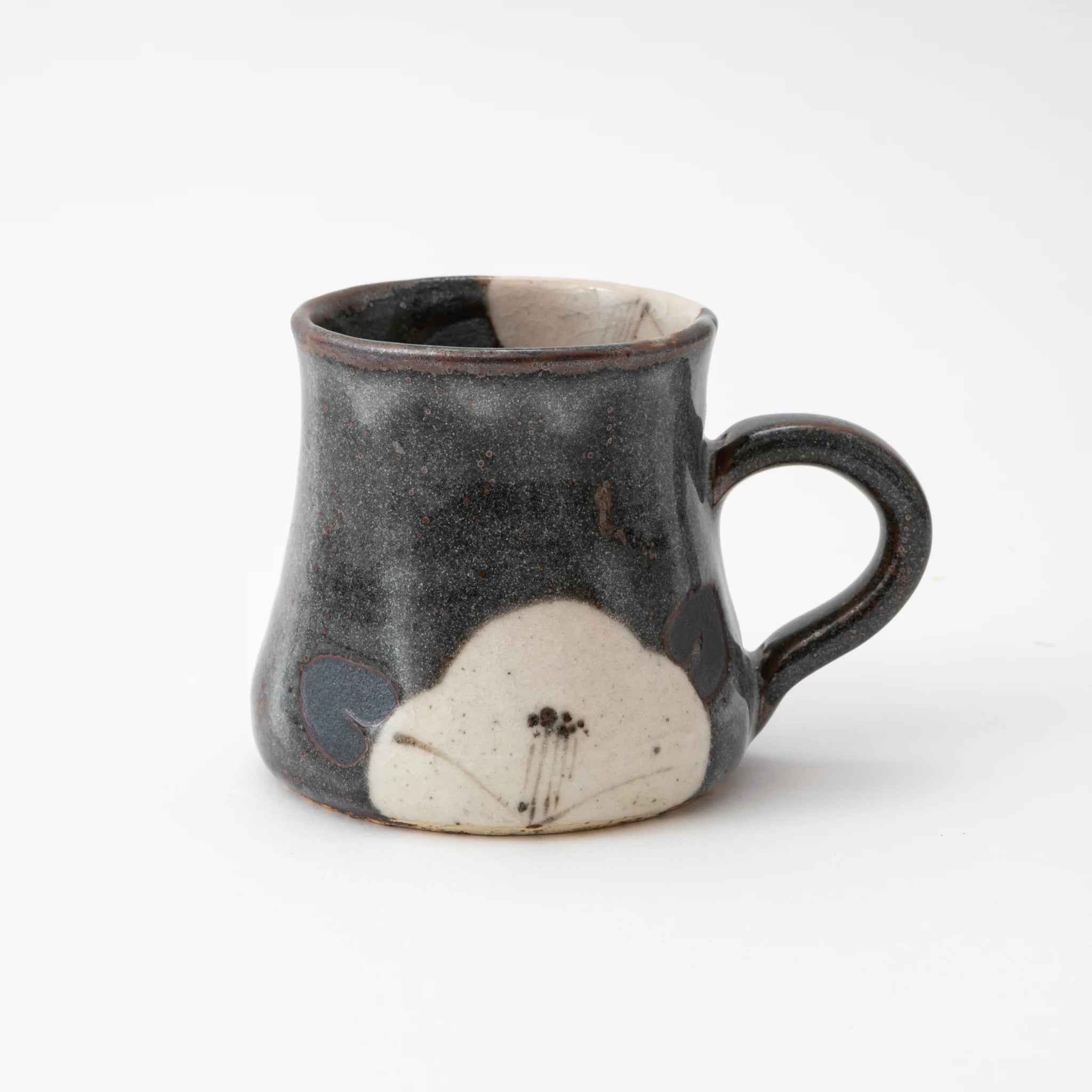
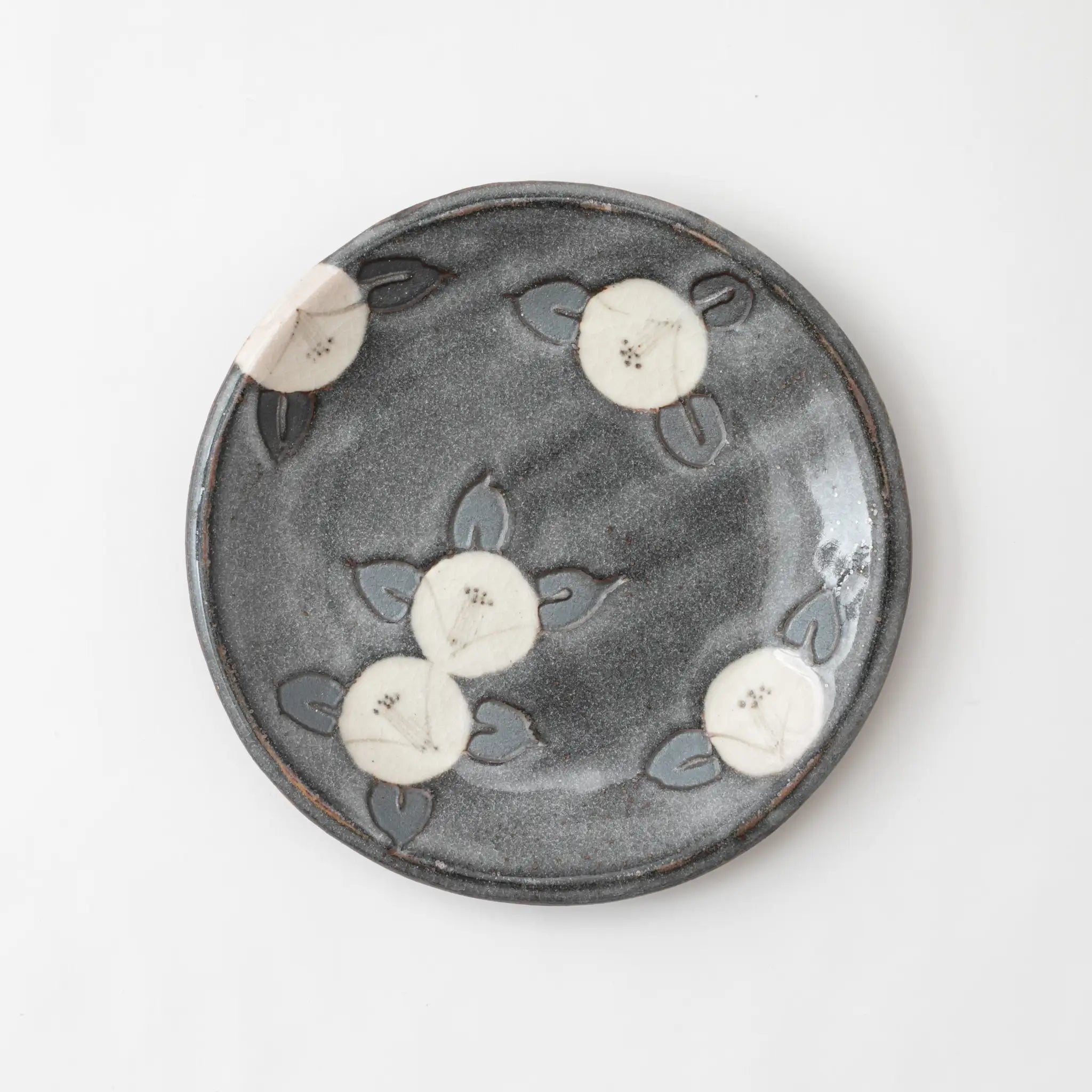
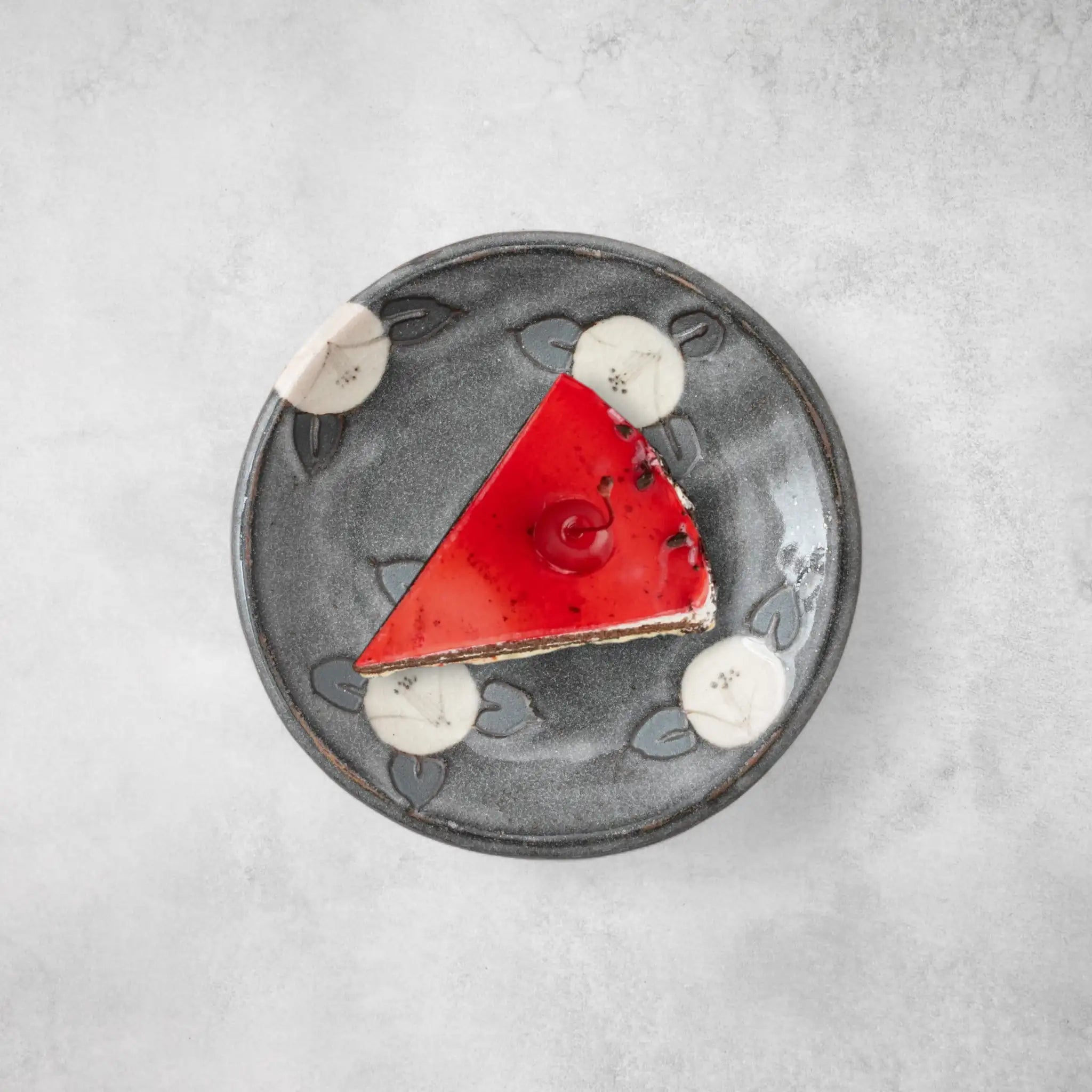
When a master artisan shapes a piece of ceramic, they are not designing for a static shelf display. They are anticipating an intimacy that unfolds over decades: how a rim tapers to meet the lips perfectly, how a textured unglazed base holds steady on a damp timber tabletop, how a subtle asymmetry accommodates the natural imperfections of the human hand.
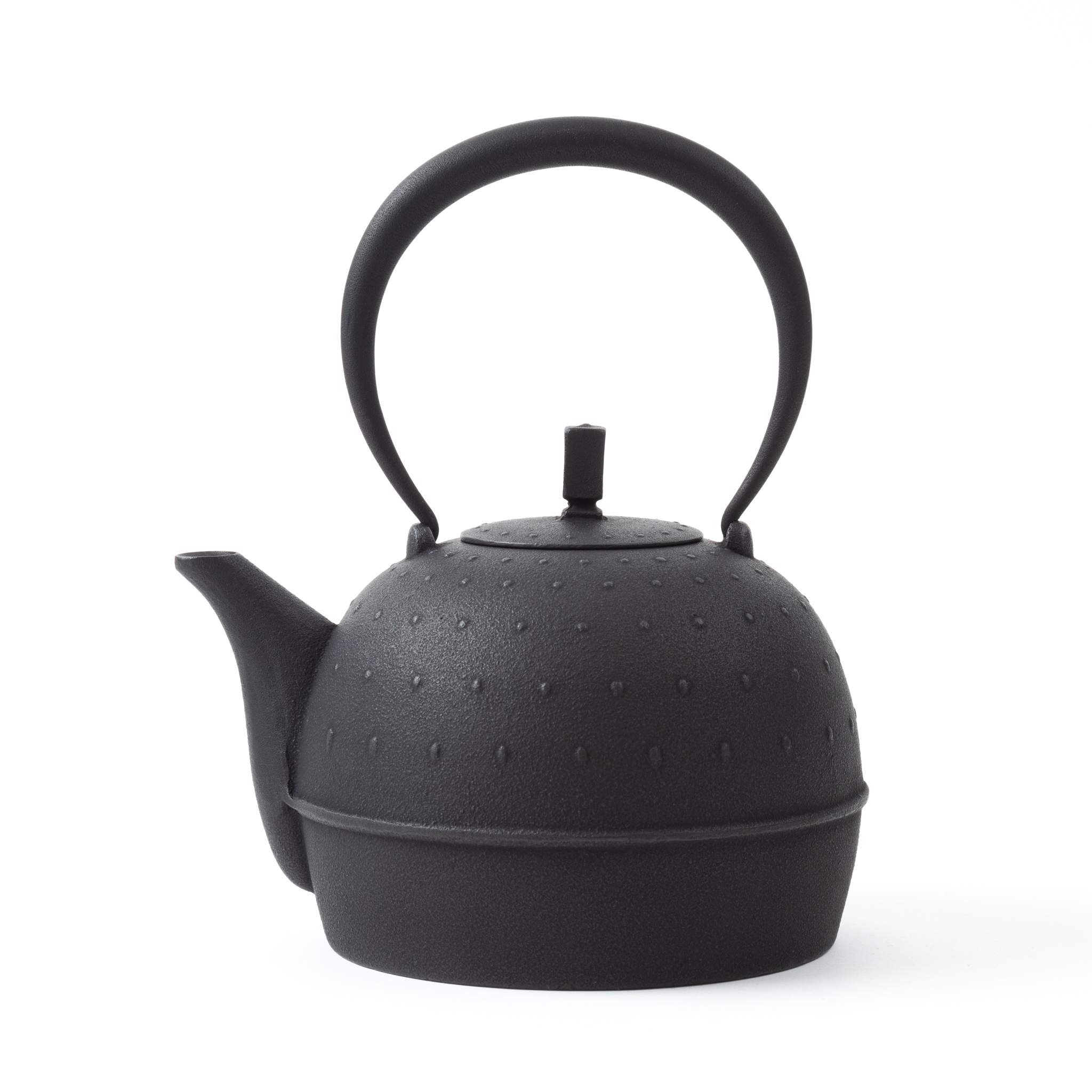
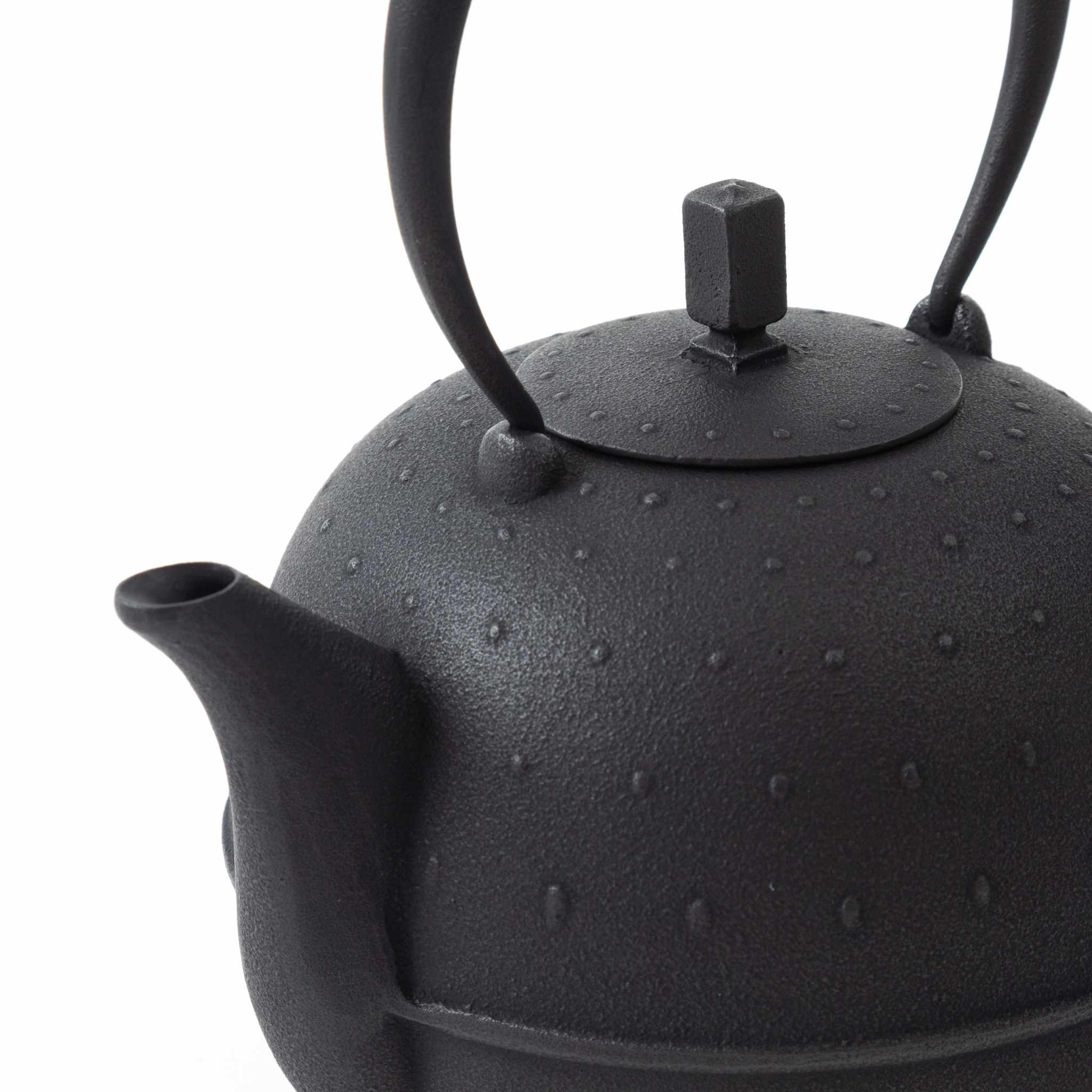
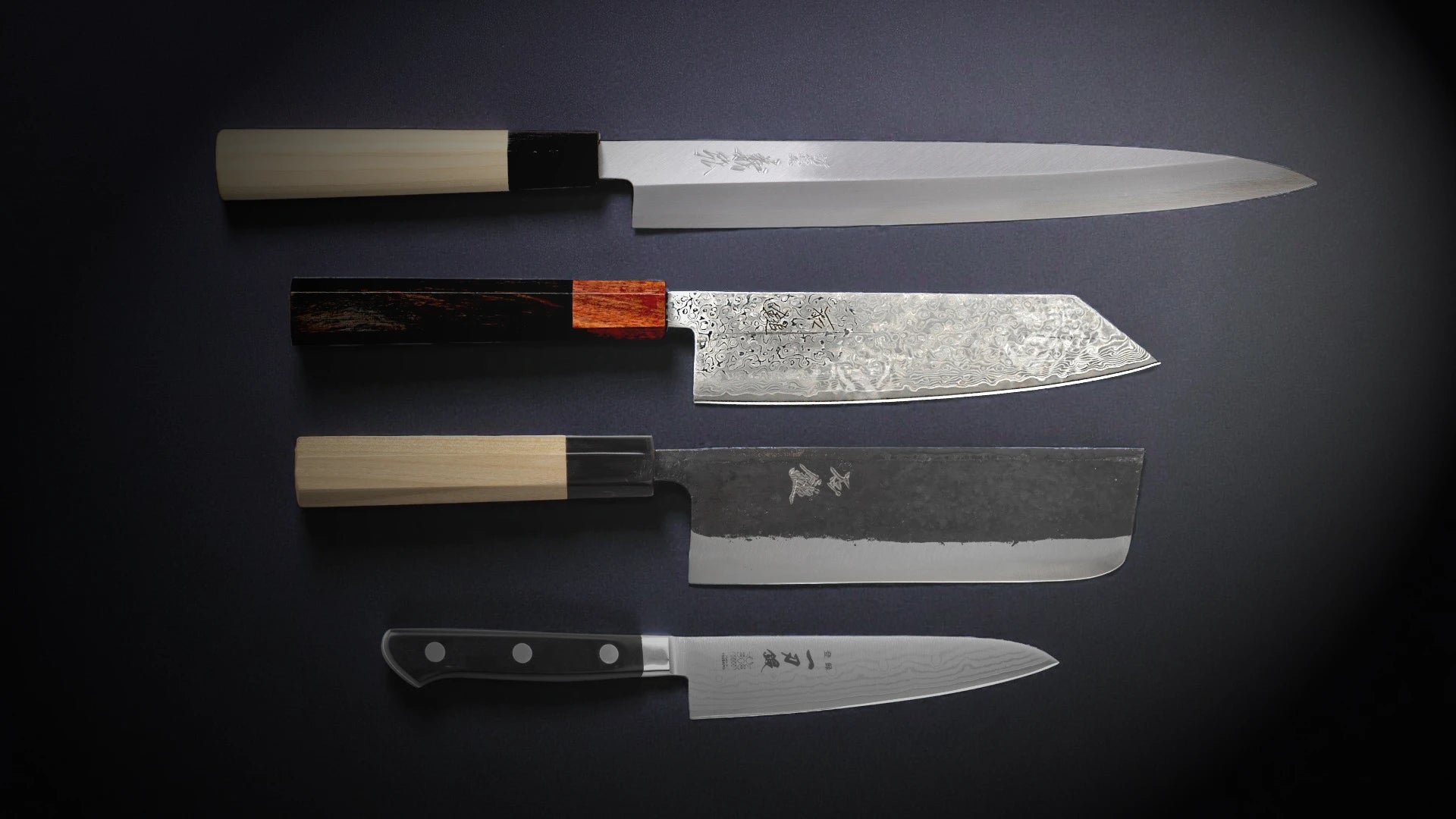
This dynamic creates what design theorists call psychological function. A truly useful object does not just perform a task; it grounds you. It answers an emotional need for stability in a chaotic world. When you use a beautifully balanced Japanese kitchen knife or pour from a cast-iron tetsubin teapot, the act of preparation transforms from a chore into a ritual.

Why True Craft Breaks the Disposable Loop
We live in an era dominated by planned obsolescence and aesthetic fatigue. Modern consumerism encourages us to buy cheap, discard fast, and chase the next ephemeral trend.
Yo-no-bi offers a quiet, elegant rebellion against this cycle.
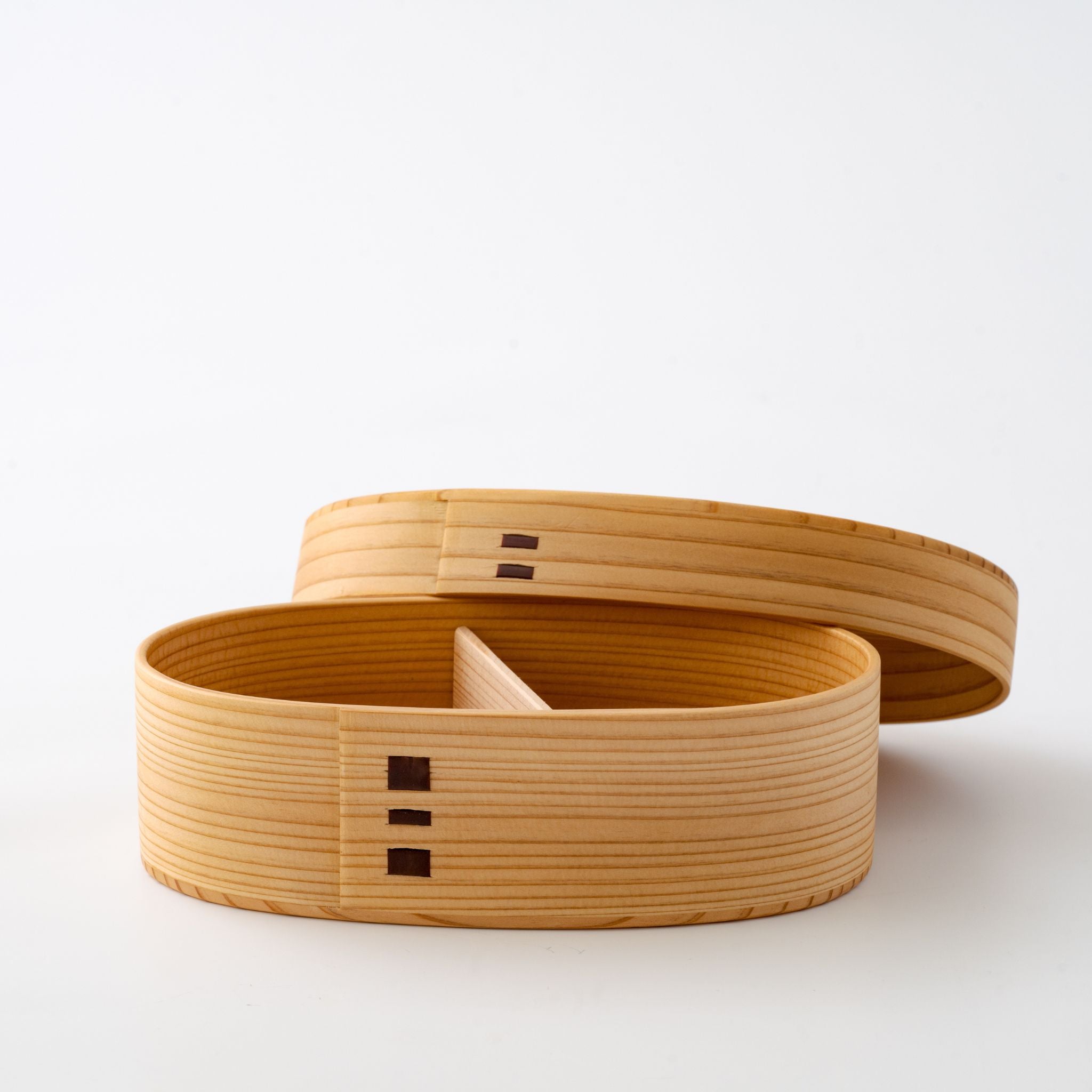
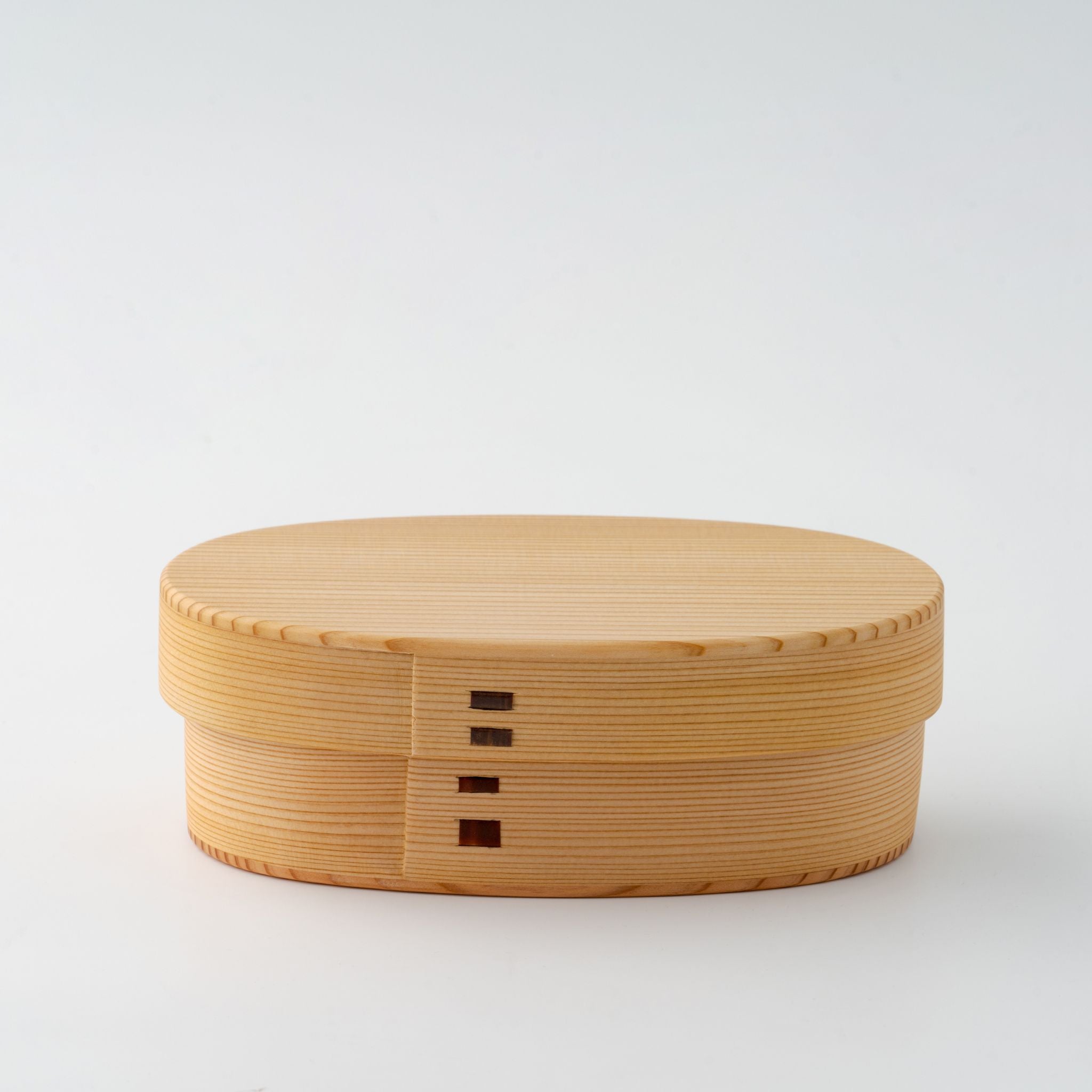
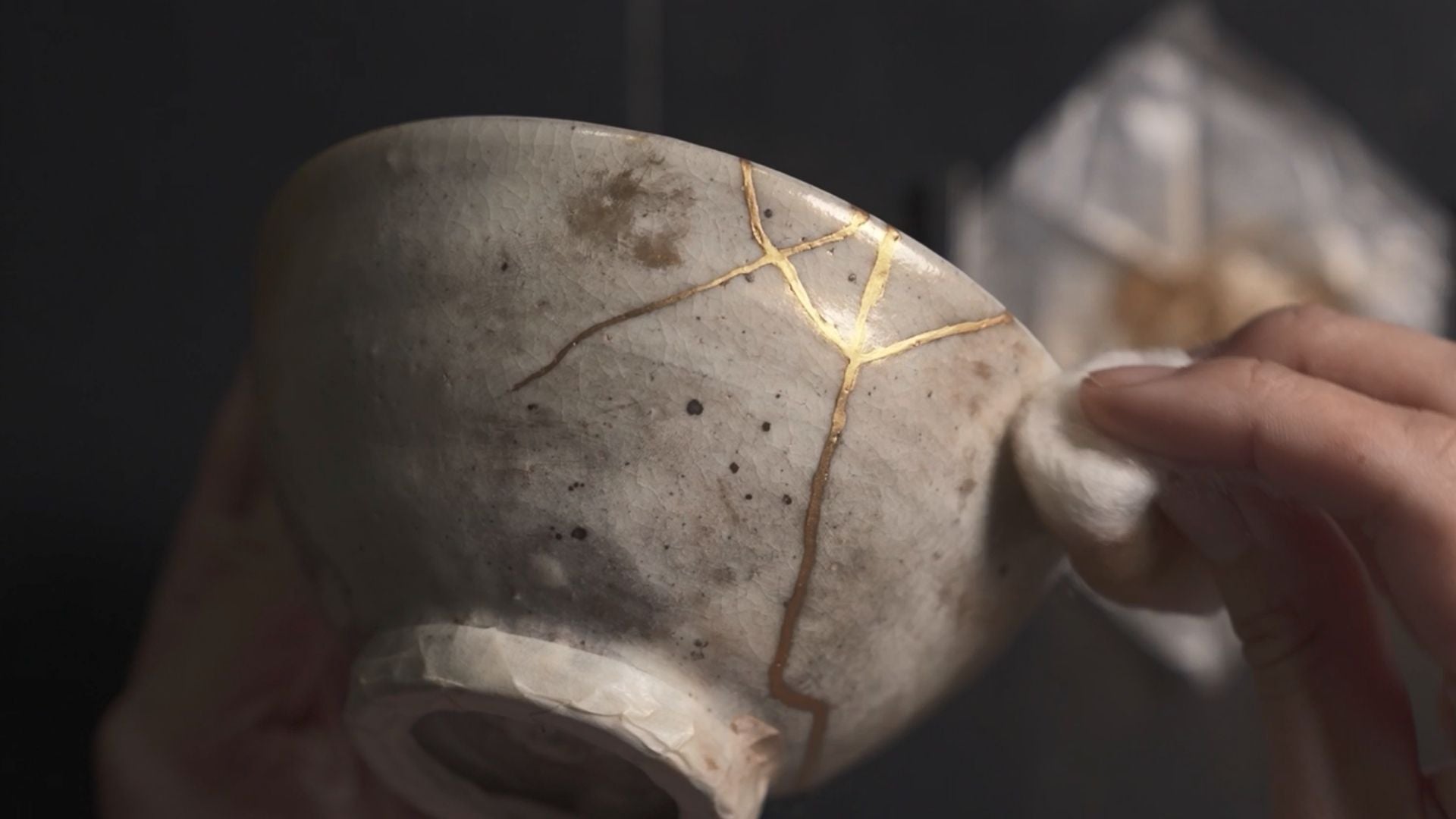
When you invest in authentic Japanese everyday objects, your relationship with the item evolves through a timeline of trust. Attachment doesn't happen overnight; it is an accumulation of micro-moments. A cup works, so you choose it again. It keeps working, so it becomes familiar. Eventually, the patina of daily wear begins to carry memory. The object becomes irreplaceable not because it is pristine, but because it has shared your time. The same is true of a Magewappa bentō box, its cedar grain darkening with use rather than wearing out.
Ultimately, Yo-no-bi is an invitation to curate your surroundings with intention. It asks us to look past the superficial noise of "decor" and invest in things that earn their place through quiet excellence. When we surround ourselves with objects shaped by use and completed by our own hands, we don't just elevate our homes — we elevate the very rhythm of our daily lives.